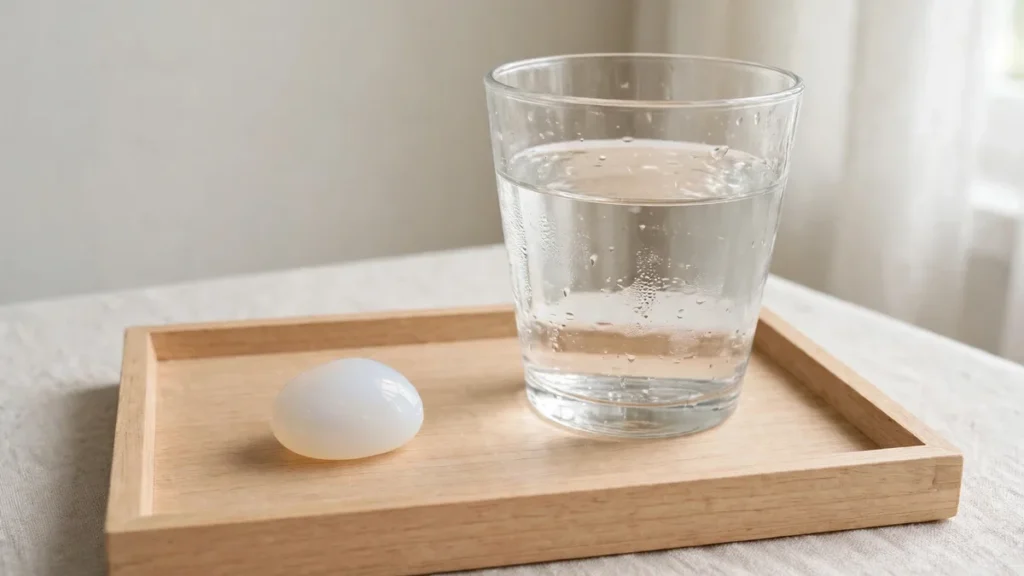
Some skincare steps ask for effort. Rose water toner is not one of them. It is a light, fragrant water that you pat over the face after washing, and the whole step takes about a minute.
Used well, it leaves the skin feeling fresh, soft and ready for whatever comes next. Used badly, it is just a wet face and a wasted bottle. The difference is small: the right amount, the right moment, and a gentle hand.
This article is a practical guide to rose water toner: what it is, how to choose a good bottle, how to apply it, and how to fit it into a morning and evening routine. It makes no medical claims, only a gentle habit done well.
Key Takeaways
- Rose water toner is a light, fragrant water used after cleansing for a thin layer of moisture.
- A good bottle lists rose water first, with a short list and no added alcohol or fragrance.
- Use about a teaspoon, patted gently over damp skin, once or twice a day.
- Always patch-test a new bottle on the wrist first and wait a day before using it on the face.
- Rose water toner adds water but cannot lock it in alone, so a moisturiser still follows; it is a gentle habit, not a treatment.
What Rose Water Toner Is
Rose water toner is water that carries the scent and water-soluble parts of the rose. True rose water, also called a hydrosol, is made when rose petals are steam-distilled, and the water that condenses carries a soft rose fragrance. A toner built on it is mostly that water, with perhaps a mild preservative to keep it fresh.
Not every bottle labelled rose water toner is the same. A good bottle lists rose water, or Rosa damascena water, first, with nothing else or only a short list after it. Choose a plain bottle with no added alcohol and no added fragrance.
Why a Toner Step Helps
A toner step helps because washing leaves the skin clean but a little dry, and the next product works better on skin that is slightly damp. A thin layer of rose water toner gives the face that dampness, without adding oil or weight, and it dries down quickly.
The step also slows the routine down in a good way. One minute of patting water over the face is a pause between washing and moisturising. A light water step suits most skin on most days, as in aloe water toners: light hydration for every day, where a water-light liquid does the same quiet job with aloe instead of rose.
Choosing a Rose Water Toner
Choosing well starts with the ingredient list. Look for rose water near the top, a short list overall, and no alcohol high on the list. Alcohol dries the skin and defeats the purpose of a toner, and a strongly scented bottle may feel luxurious but can irritate sensitive skin.
Price is a poor guide. An expensive bottle in beautiful glass may be lovely to own, but it cannot tell you how the liquid will feel on your skin. A plain bottle from a brand you trust, with a clear label, is the safer choice.
The Patch Test First
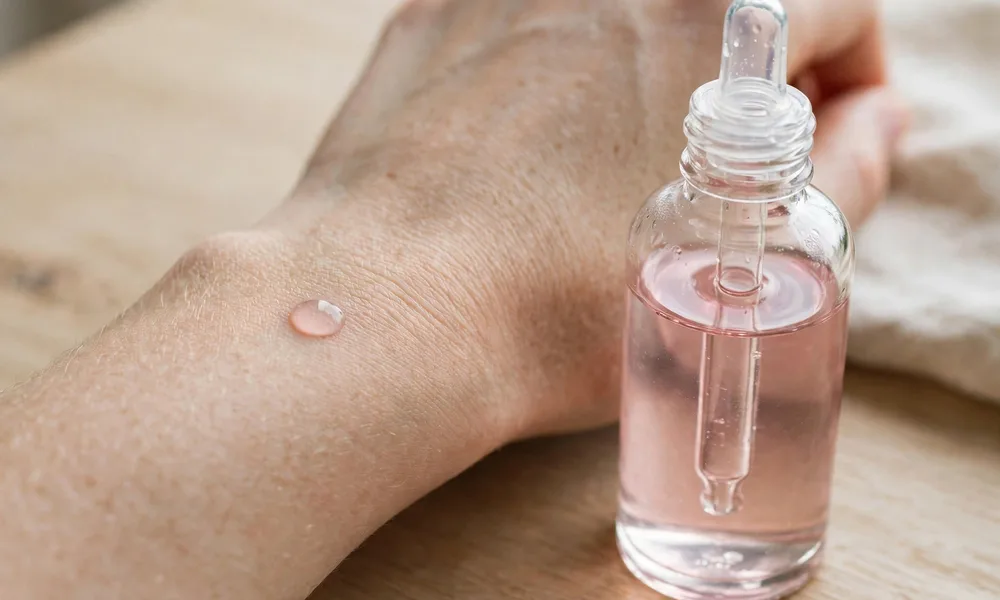
Every new bottle deserves a patch test, even when you have used rose water before. Put a drop of the toner on the inside of your wrist, where the skin is thin, and leave it there. Wait a full day before using the toner on your face.
If the wrist stays calm, with no redness, itching or tightness, the toner is probably fine for your face. If the skin reacts, stop and wash the area with plain water. A patch test takes a day, but it saves a week of unhappy skin.
How to Use Rose Water Toner Well
Using a rose water toner takes about a minute, and the method matters more than the brand. Begin with clean hands and a freshly washed face. Pour a small amount — about a teaspoon — into your palm, or onto a cotton pad if you prefer.
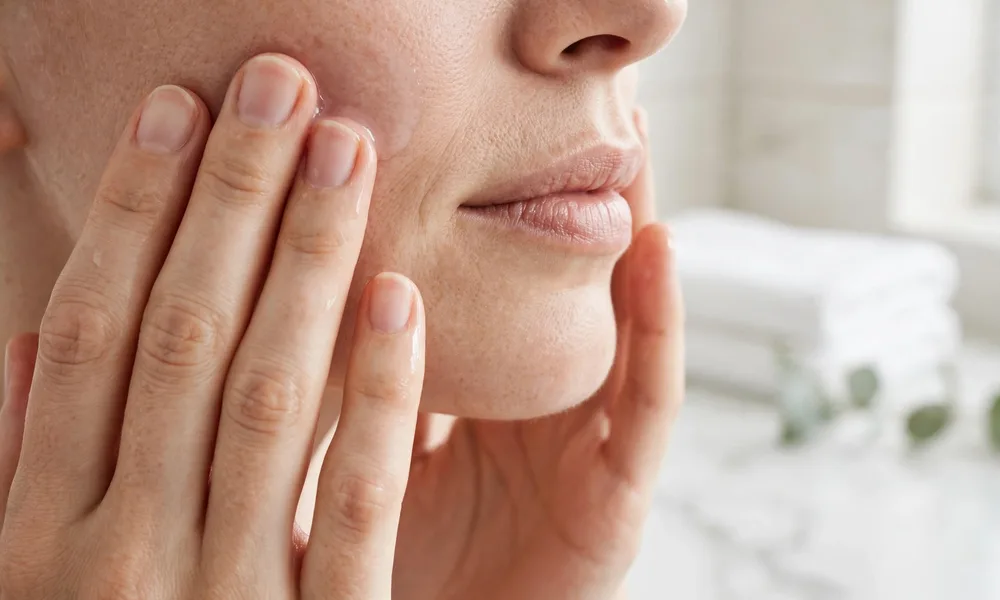
Pat the liquid gently over your face with your fingertips, or sweep the pad lightly across the skin, avoiding the eyes. Do not rub hard. The goal is an even, thin layer, not a scrub. Use the toner once or twice a day, after cleansing.
Morning Use: A Fresh Start
Mornings suit a rose water toner well. The face has just been washed, the skin is clean, and a cool layer of rose water wakes it up without any sting. Pat the toner over damp skin, wait half a minute, and move on.
In the morning, the toner sits under everything else: moisturiser, then sun protection. Keep the morning routine short, because a short routine is one you will repeat.
Evening Use: A Gentle Close
Evenings suit a rose water toner just as well, for a different reason. The day is over, the makeup is off, and the skin has been washed clean. A layer of rose water is a gentle close to the day, like turning down the lights.
In the evening, take your time. Pat the toner on slowly, let it sink in, and then apply your night moisturiser. If the skin feels tight, use a little more moisturiser; if it feels calm, the routine is working.
Layering After Toner
A toner adds water, but it cannot lock that water in alone. What follows matters as much as the toner itself. While the skin is still slightly damp from the rose water, apply a thin layer of moisturiser to seal the moisture in.
Keep the layers light and few. Toner, then moisturiser, is enough on most days. The same simple idea runs through how to layer light skincare without overdoing it, where fewer, lighter layers beat a long shelf of products.
Rose Water Toner and Makeup
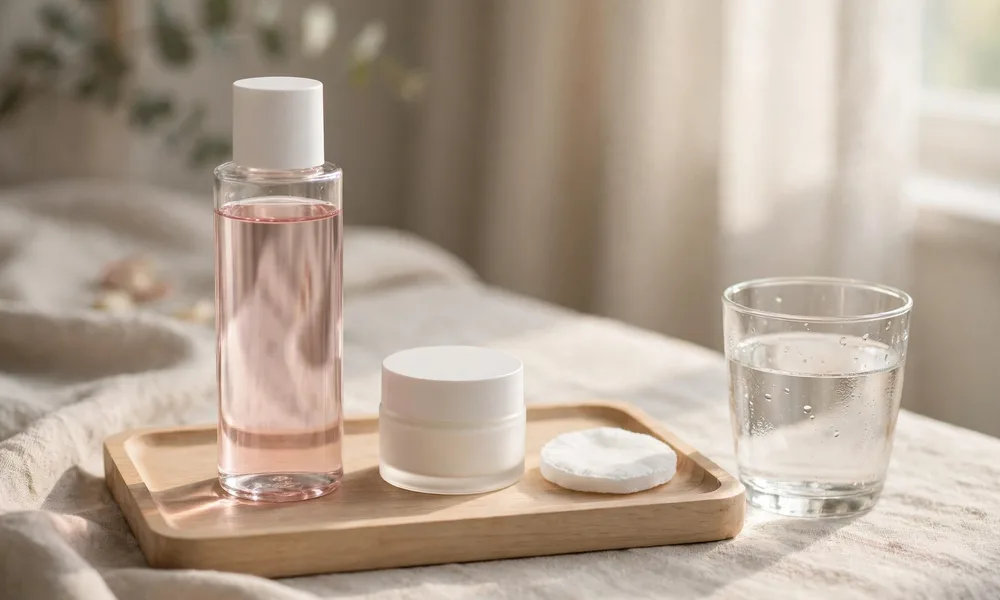
Rose water toner and makeup get along well, if the order is right. Use the toner after washing and before makeup, never over it. A thin, even layer of toner under moisturiser gives makeup a smooth surface to sit on, and the face looks fresher for longer.
A midday mist is a different matter. A light spray of rose water over makeup can refresh the skin, but it can also disturb the makeup if you spray too much or too close. Hold the bottle at arm's length and spray once. Less is more.
Mistakes to Avoid
The most common mistake is using too much. A palmful of toner does not work better than a teaspoon; it just drips, wastes the bottle, and leaves the skin wet for too long. Measure with your palm, not with the bottle, and stop at a teaspoon.
Other mistakes are easy to avoid. Do not rub the skin hard with a cotton pad, do not use the toner on broken or irritated skin, and do not mix it with strong acids or scrubs in the same routine. If your skin feels tight or stings after toning, stop for a few days and use plain water instead.
Storing Your Toner Well
A rose water toner keeps best in a cool, dark place. Heat and sunlight break it down, so keep the bottle in a cabinet rather than on a sunny windowsill. Keep the cap closed, and do not leave the bottle open on the shelf.
Use the bottle within the time on its label. If the smell changes, or the liquid turns cloudy, throw it away. A small bottle used up quickly is better than a large bottle kept too long. For a richer use of rose water, see rose water and glycerin: a classic skin pairing, where the two are mixed in a careful ratio.

| Toner step | How much | When |
|---|---|---|
| Patch test first | One small drop | Day before use |
| Pat toner gently | About one teaspoon | Morning and evening |
| Seal with moisturiser | One thin layer | While skin damp |
| Store bottle cool | Cap closed tight | Away from sunlight |
Your Rose Water Toner Checklist
- Choose a plain bottle that lists rose water first, with no added alcohol or fragrance.
- Patch-test one drop on your wrist and wait a full day before using it on your face.
- Use about a teaspoon, patted gently over damp skin, once or twice a day.
- Seal the moisture with a thin layer of moisturiser while the skin is still damp.
- Keep the bottle cool, dark and capped, and throw it away if the smell changes.
- If your skin stings or feels tight, stop for a few days and use plain water instead.
Frequently Asked Questions
What is rose water toner?
Rose water toner is a light, fragrant water made from steam-distilled rose petals, used after cleansing for a thin layer of moisture. A good bottle lists rose water, or Rosa damascena water, as its first ingredient.
How much rose water toner should I use?
About a teaspoon is enough for the whole face. Pour it into your palm or onto a cotton pad, pat it gently over damp skin, and stop there. More does not work better; it only wastes the bottle.
Can I use rose water toner every day?
Yes, most people can use it once or twice a day, morning and evening, after cleansing. If your skin feels tight or irritated, use it once a day, or skip a day and see how the skin responds.
Should I use a cotton pad or my hands?
Both work well. Hands waste less product and are gentler, while a cotton pad gives an even sweep. Choose whichever you enjoy more, and never rub hard with either one.
Can rose water toner replace my moisturiser?
No. A toner adds water but cannot lock it in alone, so a moisturiser should still follow while the skin is damp. On very humid days, a light moisturiser is enough; on dry days, use a richer one.
Will rose water toner cure acne or dry skin?
No. Rose water toner is a gentle habit, not a treatment, and it will not cure acne, dry skin or any skin condition. If a skin problem persists, talk to a doctor or a dermatologist.
The Bottom Line
Rose water toner is a teaspoon of rose water, patted gently over damp skin, sealed with moisturiser.
Use it well, and the minute it takes will be the calmest minute of your routine.
A Note for Gentle Skin Days
Keep it light, keep it plain, keep it gentle. Your skin will tell you when the routine is right.