Some skin days ask for less, not more. The skin feels a little dry after washing, a little tight in heated air, yet heavy creams feel like too much, especially in the morning.
An aloe water toner answers that wish simply. It is a water-light liquid, built mostly around water with aloe vera, that you pat or sweep over the face after cleansing.
This article explains what an aloe water toner is, how to choose one, and how to use it every day without complicating your routine. It makes no medical claims and promises no transformation, only a gentle, repeatable step that suits ordinary skin on ordinary days.
Key Takeaways
- An aloe water toner is a water-light liquid with aloe vera, used after cleansing for a thin layer of moisture.
- It adds water but cannot lock it in alone, so a moisturiser still follows on most days.
- Use a small amount, patted gently over damp skin, once or twice a day.
- A short ingredient list and a patch test matter more than any dramatic claim on the bottle.
- Light hydration suits most skin types, but persistent irritation deserves a professional's advice.
What an Aloe Water Toner Actually Is
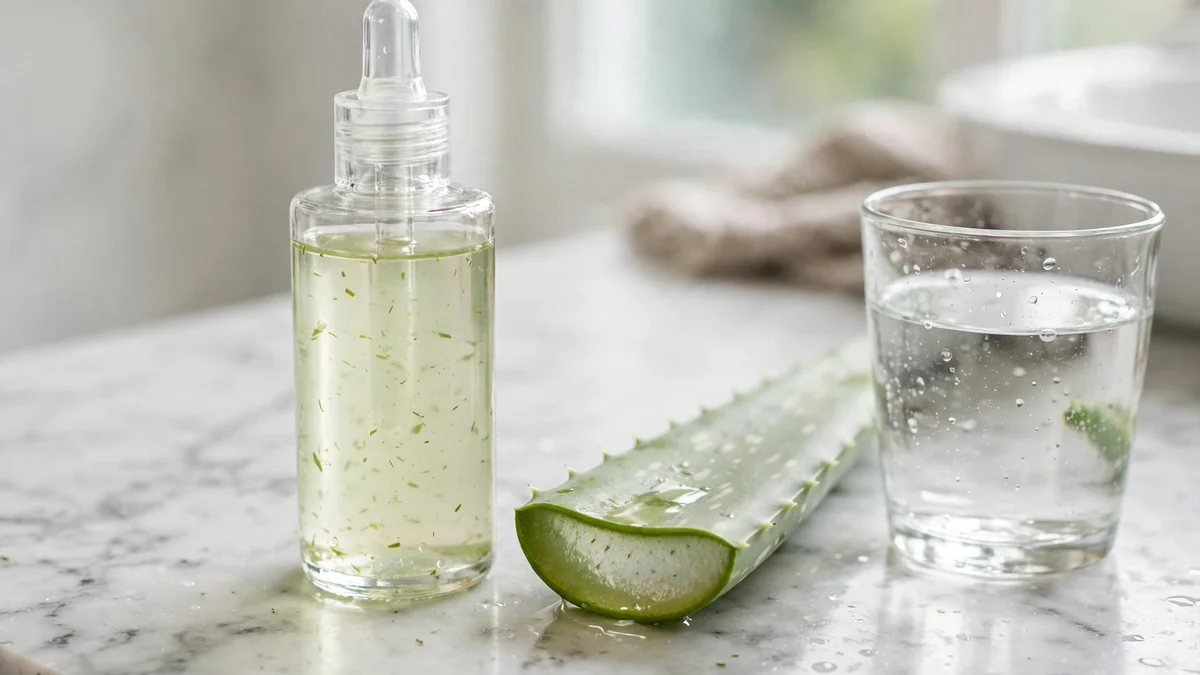
At its simplest, an aloe water toner is water with a purpose. Purified water forms most of the bottle, with aloe vera juice or extract, a humectant such as glycerin, and a few soothing ingredients.
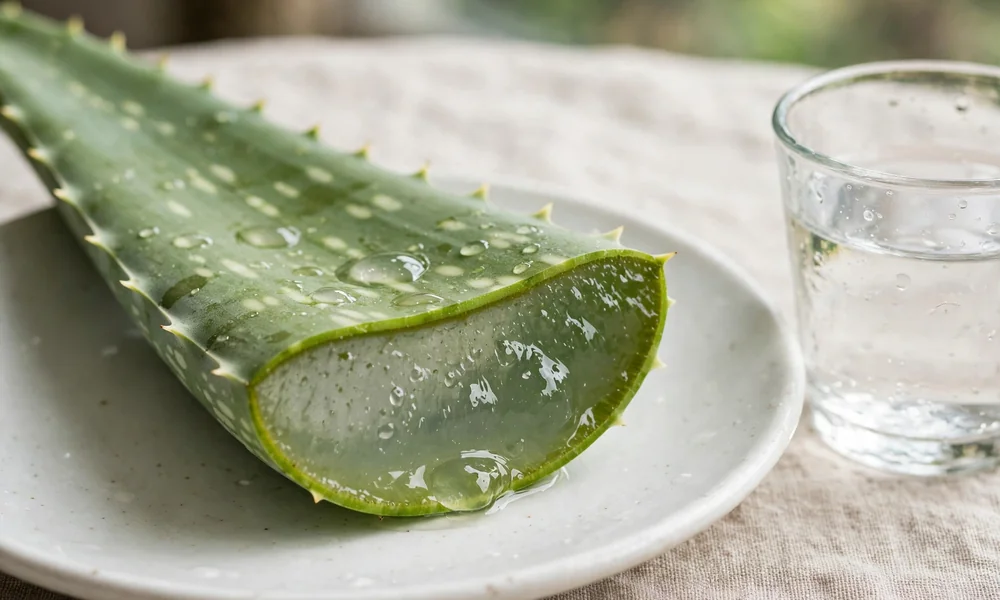
Aloe vera is the plant behind the name. Cut open a thick aloe leaf and you find clear gel, cool and slippery, that has been used in skincare for a long time.
Why Light Hydration Suits Everyday Skin
Heavy products have their place, especially in cold weather or for very dry skin. But on an ordinary day, many people find that a light layer is enough. The skin feels fresh rather than coated, makeup sits more comfortably, and the morning routine stays short enough to repeat.
Light hydration also suits warm days and humid weather, when rich creams can feel sticky by midday. A water toner adds moisture without adding weight, and it dries down quickly, so you can move on to sun protection without waiting.
The real advantage is repeatability. A step you enjoy is a step you keep.
Choosing a Good Aloe Water Toner
Choosing well starts with the ingredient list. Look for water and aloe vera near the top, a humectant such as glycerin, and a short list overall.
Fragrance deserves a pause. A strongly scented toner may feel luxurious, but fragrance is a common source of irritation, especially for sensitive skin. A fragrance-free or lightly scented formula is the safer choice, and the faint natural scent of aloe is pleasant enough on its own.
Price is a poor guide. An expensive bottle in beautiful glass may be lovely to own, but it cannot tell you how the liquid will feel on your skin. A skin routine with room to breathe makes the same point: a simple routine, built on a few suitable products, is easier to keep than a long shelf of them.
How to Use It: The Daily Method
Using an aloe water toner takes about a minute, and the method matters more than the brand. Begin with clean hands and a freshly washed face. Pour a small amount — about a teaspoon — into your palm, or onto a cotton pad if you prefer.
Pat the liquid gently over your face with your fingertips, or sweep the pad lightly across the skin, avoiding the eyes. Do not rub hard or press the pad firmly. The goal is an even, thin layer, not a scrub.
Use the toner once or twice a day, morning and evening, after cleansing.
Morning Use: A Fresh Start
Mornings suit an aloe water toner well. The face has just been washed, the day is warm or cool, and a light splash of moisture feels like a fresh start rather than a chore.
Keep the morning version simple. One toner, one moisturiser, one sunscreen is a complete morning routine for many people. If you use other products, add the toner first, while the skin is damp, and let each layer settle before the next. Rushing layers together can leave the skin feeling sticky.
On warm mornings, you can keep the toner in a cool spot, though not in direct sunlight.
Evening Use: A Gentle Close
Evenings are a different mood. The day's makeup, sunscreen and dust have been washed away, and the skin is ready for a quieter step. A toner in the evening feels like a small reset: a cool, clean layer before moisturiser and rest.
Use the same gentle method as in the morning, with no extra pressure. If you wore makeup, make sure cleansing came first; a toner is not a makeup remover, and sweeping it over makeup only moves the makeup around. Clean skin first, toner second, moisturiser third.
Some evenings you will skip the toner, and that is fine. A routine that forgives a missed step is a routine that lasts. The toner will be there tomorrow, and one missed evening changes nothing.
Aloe Water Toner for Different Skin Days
Not every day is the same, and skin has its own weather. On a dry day, when the air feels heated and the skin feels tight, a toner helps most when it is followed quickly by moisturiser.

On an oily or humid day, a toner can feel like enough on its own, with a very light moisturiser or none at all. If the skin feels comfortable an hour later, trust that feeling. If it feels tight, add the moisturiser back; lightness should never mean discomfort.
On a sensitive day, when the skin feels reactive or irritated, keep everything minimal. If irritation appears, stop the product and let the skin settle.
Toner, Mist and Essence: What Is the Difference
Skincare shelves are crowded with similar-sounding liquids, and the names can confuse. A toner is usually applied with hands or a cotton pad, in a thin layer after cleansing.
An essence is typically thicker than a toner, with a slightly syrupy feel, and is used as a treatment layer before moisturiser. A toner is the lightest of the three, and the most water-like. You do not need all three; one light layer, used well, is enough for most routines.
A moonstone hydration mist shows the mist side of this family: a fine spray for tired skin, used for a quick, dewy refresh. A toner is its quieter cousin, applied by hand at the sink, with no spray and no drama.
A Simple Week with an Aloe Water Toner
A new product is easiest to judge over a week, not a day. The table below shows a simple first week, with one small thing to notice each day. Keep a brief note of how your skin felt an hour after use, and whether anything stung, tightened, or felt uncomfortable.
| Day | Use | Notice |
|---|---|---|
| Monday | Morning only | How the skin feels after moisturiser |
| Tuesday | Morning and evening | Whether the evening step feels soothing |
| Wednesday | Morning only | Any tightness by midday |
| Thursday | Morning and evening | How makeup or sunscreen sits over it |
| Friday | Morning only | Whether the routine still feels easy |
| Weekend | As you like | Whether you reach for it without thinking |
If the week goes well, the toner has earned its place.
Storing, Hygiene and Shelf Life
A water-based toner needs a little care to stay fresh. Keep the bottle tightly closed, away from direct sunlight and heat, and do not leave it open on a steamy bathroom shelf for hours.
Keep your hands clean when you use it, and do not pour unused toner back into the bottle. If you use a cotton pad, use a fresh one each time. These small habits keep a watery product clean, because water-based products can spoil more easily than oils or balms.
Check the expiry date and the period-after-opening symbol on the bottle, usually a small open jar with a number of months. If the liquid changes colour, smells different, or feels unusual, stop using it.
What an Aloe Water Toner Will Not Do
Say plainly what an aloe water toner will not do. It will not cure acne, eczema, redness or any skin condition. It will not erase fine lines, shrink pores, or give you glowing skin on its own.
What it can do is simpler. It can add a thin layer of water after cleansing, make the skin feel comfortable, and help a moisturiser spread more easily. That modest promise holds up every day, and it is enough for a product whose whole point is lightness.
If a skin concern is persistent, changing, or worrying you, please speak to a qualified health professional or dermatologist.
Your Daily Checklist
- Wash your hands, then cleanse your face gently and pat it lightly.
- Pour a teaspoon of aloe water toner into your palm or onto a fresh cotton pad.
- Pat or sweep it gently over your face, avoiding the eyes, with no hard rubbing.
- While skin is still slightly damp, apply your usual moisturiser.
- In the morning, finish with broad-spectrum sun protection.
- Patch test any new toner first, and stop it if irritation appears.
Frequently Asked Questions
Can I use an aloe water toner every day? Yes, most people use one once or twice a day, morning and evening after cleansing.
Do I still need a moisturiser after a toner? Usually, yes. A toner adds water but cannot lock it in alone, so a moisturiser helps hold that moisture in place.
Should I use a cotton pad or my hands? Either works. Hands are gentler and waste less product; a pad gives a light sweep and can feel refreshing.
Can I use it over makeup? A toner is best on clean skin, after cleansing.
How do I patch test a new toner?
Will it help with dry skin?
The Bottom Line
An aloe water toner is light hydration for every day: water, aloe and a few gentle ingredients, patted over clean skin in under a minute. It will not transform your skin, but it can make it feel comfortable, fresh and ready for the rest of your routine. Staying hydrated through the day matters too, because a glass of water within reach supports the same simple idea from the inside.
Begin tomorrow with what you already have: a clean face, a small amount of toner, and a moisturiser while the skin is still damp. Keep it light, keep it daily, and let the simple step do its quiet work.
A Note for Everyday Skin
Keep it simple, keep it gentle, and keep it yours. The best routines are rarely the most elaborate. They are the ones where a small, comfortable step repeats itself, day after day, until it becomes part of how you live. Stay curious. Stay clear. Hydrate lightly, and enjoy the easy days.