Skin changes slowly, and the change is easiest to notice in the morning. The face that once bounced back from a late night now asks for a little more time, a little more water, and a much gentler hand. Mature skin is not damaged skin, and it is not a problem to be fixed.
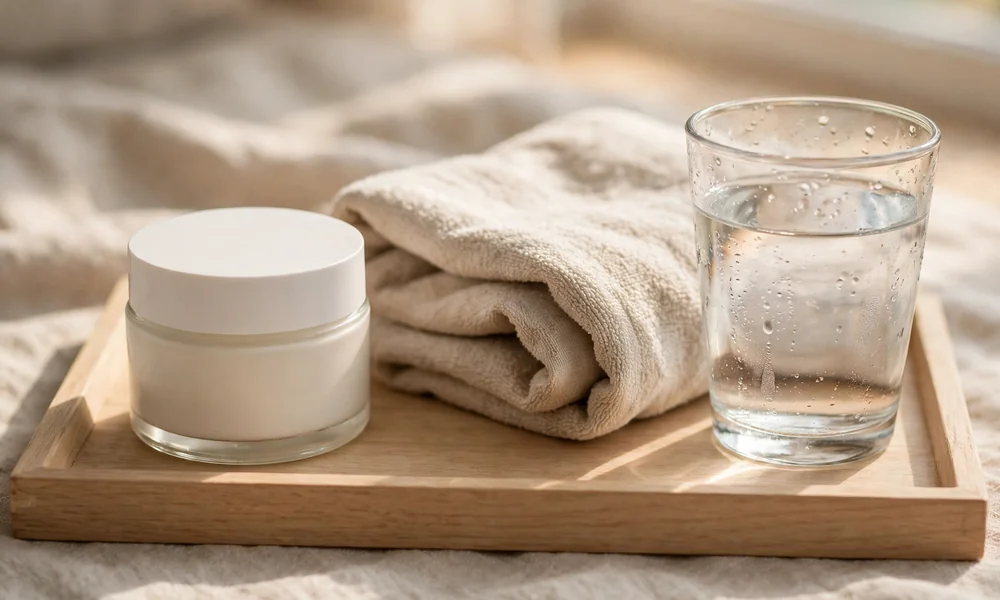
Water is the kindest place to start. Plain water, used at the right temperature and in the right way, can clean without stripping, soften without soaking, and calm without fuss. A glass of water, a soft cloth, and a slow morning will carry most of the work.
This guide explains how mature skin changes, why lukewarm water suits it best, and how to build a slow, gentle routine around it. It is gentle general information only, never medical advice. Nothing here will cure a skin condition, and anyone with a real problem should see a doctor or dermatologist.
Key Takeaways
- Mature skin grows thinner and drier with time, so it needs gentler water and a slower routine.
- Lukewarm water is the kindest wash, close to body temperature, never hot and never icy.
- Wash briefly, pat dry softly, and care for skin while it is still slightly damp.
- Patch-test every new product first, and stop at once if skin stings or turns red.
- Gentle general care only, never a cure; see a doctor or dermatologist for real problems.
How Mature Skin Changes
Mature skin changes in small, steady ways. It grows thinner, so it bruises and tears more easily, and it makes less of its own natural oil, so it feels drier by the afternoon. Fine lines settle where the face moves most, around the eyes and the mouth, and the skin takes longer to bounce back after a long day.
None of this is a fault, and none of it needs a harsh answer. Thinner skin asks for a lighter touch, drier skin asks for water and moisture held in gently, and slower skin asks for patience. The routine that suited a younger face, with its hot showers and strong scrubs, is simply too much now.
Why Lukewarm Water Suits Older Skin
Lukewarm water feels neither hot nor cold on the inside of your wrist, close to body temperature, and it is the gentlest wash for older skin. It rinses away dust, sweat and the light oils of the night without stripping the little natural oil mature skin still makes.
Hot water feels good for a moment and costs you afterwards, stripping natural oils and leaving mature skin tight, dry and sometimes red. Cold water shocks the skin and rinses less well, so dirt and cleanser can stay behind. When in doubt, choose lukewarm, keep the tap gentle, and let the water run softly over the face rather than blasting it.
The Safety Rule First: Patch Test and Gentle Steps
Patch-test every new product before it goes on your face. Squeeze a little onto the inside of your wrist or behind the ear, wait a full day if you can, and watch for redness, itching or stinging. If the skin objects, do not use the product, and do not try to push through the reaction. Never put lemon juice, vinegar or undiluted acid on your skin, and never use a new product on broken, sunburnt or irritated skin.
Keep products away from the eyes, never scrub with a rough cloth or brush, and stop any step that hurts. If a real skin problem appears, a sore that does not heal, a new dark spot, or itching that will not stop, see a doctor or dermatologist. This guide is general information only, and it will not cure anything.
A Gentle Morning Wash
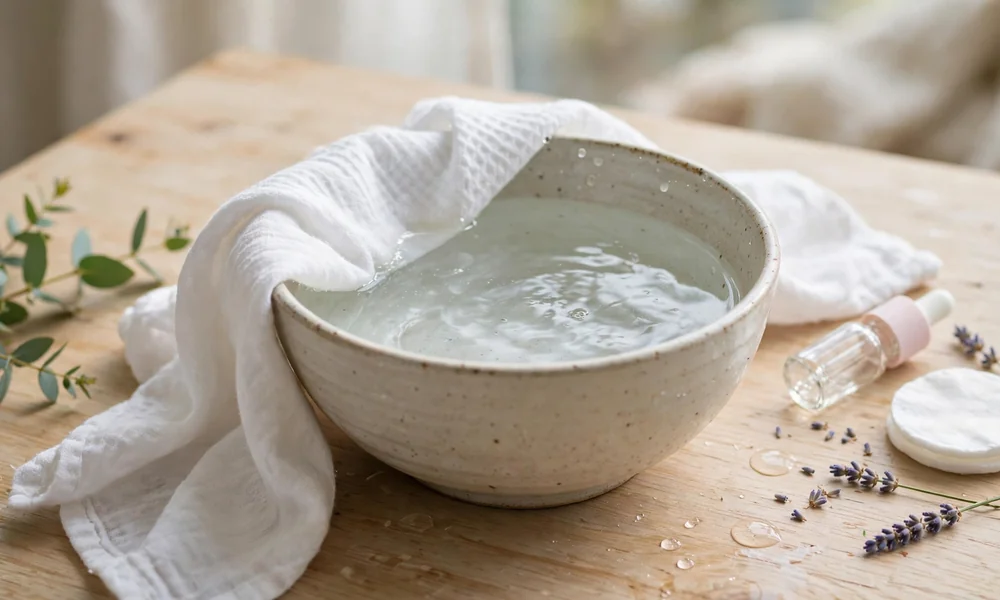
A gentle morning wash takes only a few minutes, and it starts with clean hands. Wash your hands with soap and water first, then splash the face with lukewarm water using cupped hands, never a hard stream from the tap. If you use a cleanser, choose a mild, fragrance-free one, and spread it with soft fingertips in small slow circles, taking no more than a minute.
Rinse with lukewarm water until no cleanser remains, then pat the face dry with a soft, clean towel. Pat gently, leave the skin slightly damp, and move on to the next step while the dampness is still there.
Water First, Then Moisture
Water first, then moisture, is the order that matters most for mature skin. Plain water dampens the skin, and a plain moisturiser holds that dampness in, so the two steps belong together. Apply a small amount of plain, fragrance-free moisturiser while the skin is still slightly damp from washing, spreading it with soft fingertips and letting it sink in on its own.
In the morning, the same damp skin can take a gentle sunscreen afterwards, spread softly and left alone to settle.
Patting, Not Rubbing
Patting is the kindest way to touch mature skin, and rubbing is the habit to leave behind. Rubbing drags thin skin, pulls at fine lines, and can leave redness that lasts for hours. Patting presses water and cream in softly, without stretching anything, and it takes no longer than rubbing once the habit is learned.
Pat the towel after washing, pat the moisturiser after the wash, and pat sunscreen on in the morning.
A Slow Evening Routine
Evenings suit a slow routine, because the day has left its mark on the face and there is time to take it off gently. Where water and double cleansing uses two soft steps at night, an oil cleanse first and then a mild water wash, mature skin can follow the same slow idea with a lighter hand. Warm a small amount of gentle cleanser between your palms, spread it slowly, and rinse with lukewarm water.
After patting dry, apply moisturiser to damp skin, then rest. The evening is for taking the day off, gently, not for scrubbing it away.
Drinking Water Through the Day
Drinking water through the day is a simple habit that supports the skin from the inside, though it will not cure dryness on its own. Keep a glass of fresh water nearby, drink slowly through the morning and afternoon, and refill it often.
Stones and crystals stay beside drinking water, never in it, and no stone belongs in a glass. The water you drink should be plain, fresh and clean, nothing more.
Mature Skin at a Glance
| Lukewarm wash | Damp skin care | Gentle touch |
|---|---|---|
| Soft, brief rinse | Moisturise while damp | Pat, never rub |
| Body temperature water | Small plain amount | Light fingertip pressure |
| No hot water | Fragrance-free cream | Soft clean towel |
| Rinse fully clean | Sunscreen in morning | Slow, unhurried hands |
Caring for Skin Around the Eyes and Neck
The skin around the eyes and on the neck is thinner than the skin on the cheeks, so it asks for even less. Wash it with the same lukewarm water, using only the soft pads of your fingers, and never pull or stretch it. Apply moisturiser with a light patting motion, and use a smaller amount than you would on the cheeks, letting it sink in on its own.
The neck deserves the same gentle wash and the same moisturiser, spread upwards in soft strokes and never scrubbed.

What It Will Not Do
Be honest about what water and gentle care can and cannot do. Lukewarm water will not erase lines, lift the skin, or turn back time, and no cream will cure a skin condition.
No routine will replace rest, sleep and medical advice. If a skin problem stays with you week after week, a sore that does not heal, a spot that changes shape, or itching that will not stop, the answer is a doctor or dermatologist, not a new product.
Your Mature Skin Gentle Checklist
- Wash with lukewarm water, briefly, using cupped hands and soft fingertips.
- Pat the face dry with a soft clean towel, never rub or drag.
- Apply plain moisturiser while the skin is still slightly damp.
- Patch-test every new product on the wrist first, and stop if skin objects.
- Drink plain water steadily through the day, and keep stones beside it, never in it.
- See a doctor or dermatologist for any sore, spot or problem that will not heal.

Frequently Asked Questions
How hot should the water be for mature skin?
Lukewarm is best, close to body temperature, neither hot nor cold on the inside of your wrist. Hot water strips natural oils and leaves mature skin tight and dry, while cold water rinses less well.
Should mature skin be washed once or twice a day?
Once or twice is enough for most people: a gentle wash in the morning and a slow wash in the evening. More washing can strip the skin, so keep each wash brief and lukewarm.
Can I use a sheet mask on mature skin?
Yes, if it suits you and you patch-test it first. Where water and sheet masks explains how to use a single-use cloth mask well, the same gentle rules apply here: clean skin first, fifteen minutes only, and stop if the skin stings or turns red.
Is a clay mask safe for mature skin?
A gentle clay mask can suit mature skin if it is used rarely and rinsed before it dries hard. Where water and clay masks describes a gentle weekly ritual, keep the layer thin, patch-test first, and moisturise while the skin is still damp afterwards.
What should I do if a new product stings?
Stop using it at once, rinse the skin with lukewarm water, and pat it dry gently. Do not try to push through stinging or redness. If the reaction lasts more than a day or two, see a doctor or dermatologist.
When should I see a doctor about my skin?
See a doctor or dermatologist for any sore that does not heal, a spot that changes shape or colour, lasting itching, or any new lump. This guide is gentle general information only and will not cure a skin condition.
The Bottom Line
Water and mature skin ask for very little: lukewarm water, soft hands, a plain moisturiser on damp skin, and the patience to go slowly. Wash gently tonight, and let tomorrow begin calm.
A Note for Mature Skin
Keep it lukewarm, keep it slow, keep it gentle. The skin you have deserves a soft hand.