A bright smile starts with simple things. Before the day begins, before coffee or tea, a glass of fresh water and a few gentle rinses can leave the mouth feeling clean and fresh. Nothing fancy is needed: just plain water, a soft brush, and a minute or two of care.
Rinsing is one of the smallest habits in the day, and one of the easiest to keep. A mouthful of plain water after eating, a rinse after brushing, a glass of water sipped slowly through the morning — these small steps wash away food and freshen the mouth. The habit costs almost nothing, and it fits into a morning that is already busy.
This guide explains what simple rinsing means, how plain water helps the mouth, and how to build a gentle rinsing habit into the morning, the day, and the night. It is gentle general information only, never a cure. If your mouth or teeth hurt, or a problem does not go away, please see a dentist.
Key Takeaways
- Water for a bright smile means simple rinsing habits with plain fresh water.
- Rinsing after eating and after brushing helps wash away food and freshen the mouth.
- Plain water is enough for rinsing; no strong rinse or harsh product is needed.
- Brushing twice a day with a soft brush matters more than any rinse alone.
- This is gentle general information only; mouth or tooth pain needs a dentist.
What Simple Rinsing Means
Simple rinsing means swishing a mouthful of plain fresh water around the mouth for a few seconds, then spitting it out. It is not a treatment, and it is not a replacement for brushing. It is a small clean-up step after a meal. The water moves around the teeth and gums, picks up loose food, and leaves the mouth feeling fresh.
Rinsing can be done after eating, after drinking something sweet, after brushing, and when the mouth feels dry. It takes only a few seconds, and it needs no special equipment: a glass, a tap, and a sink are enough.
Why Plain Water Helps the Mouth
Plain water helps the mouth in a simple way: it washes things away. After eating, small pieces of food stay between the teeth and along the gums. A gentle rinse moves them out, so they do not sit there for hours. Water also helps with dryness, because a dry mouth feels stale, while a mouth with enough water feels fresh.
Water is gentle, and that matters. It does not sting, and it does not need a flavour or a colour to work. A glass of fresh water, sipped slowly through the day, keeps the mouth moist and comfortable. Where lip care water daily habit cares for the lips with water first and plain balm second, this guide cares for the mouth with plain water first and a soft brush second.
Choosing Your Rinsing Water
Choosing rinsing water is easy: use clean, fresh drinking water you trust, whether filtered tap water or bottled water. It should be plain, with nothing added. Room temperature water feels kindest for most people, while cool water feels fresher on a warm morning.
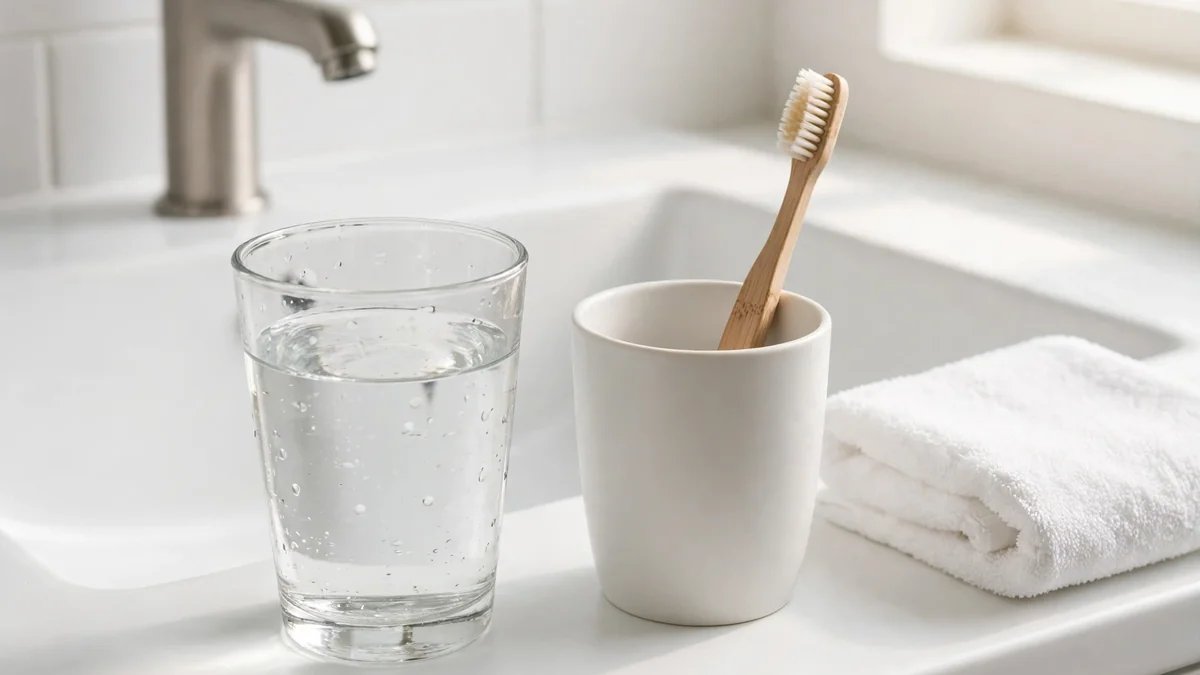
Keep a clean glass by the sink, and pour fresh water each time you rinse. Do not keep a glass of water standing for hours, and do not share a glass. A small plain cup is enough for rinsing, and a full glass is better for drinking.
A Simple Morning Rinse
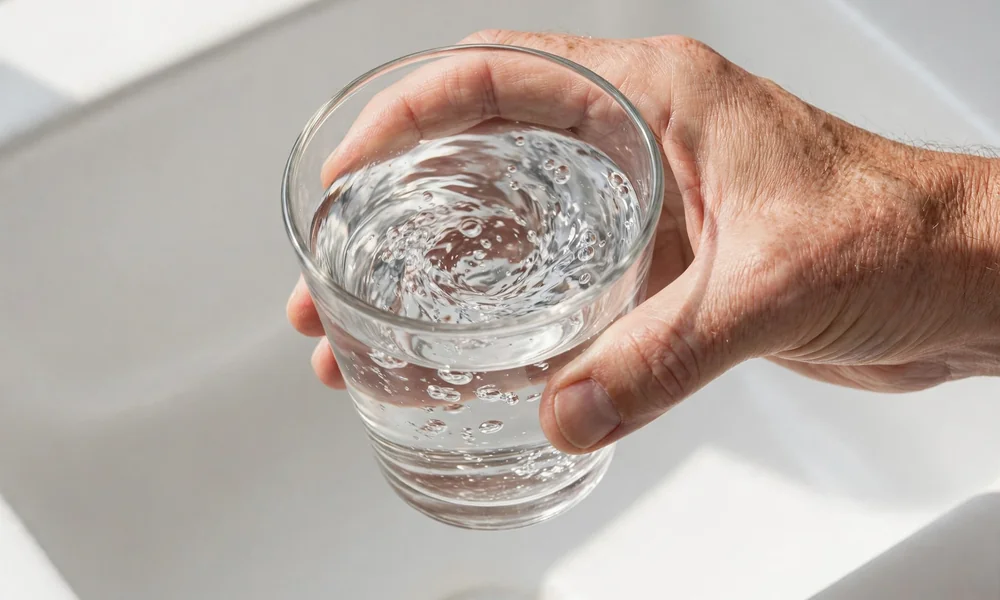
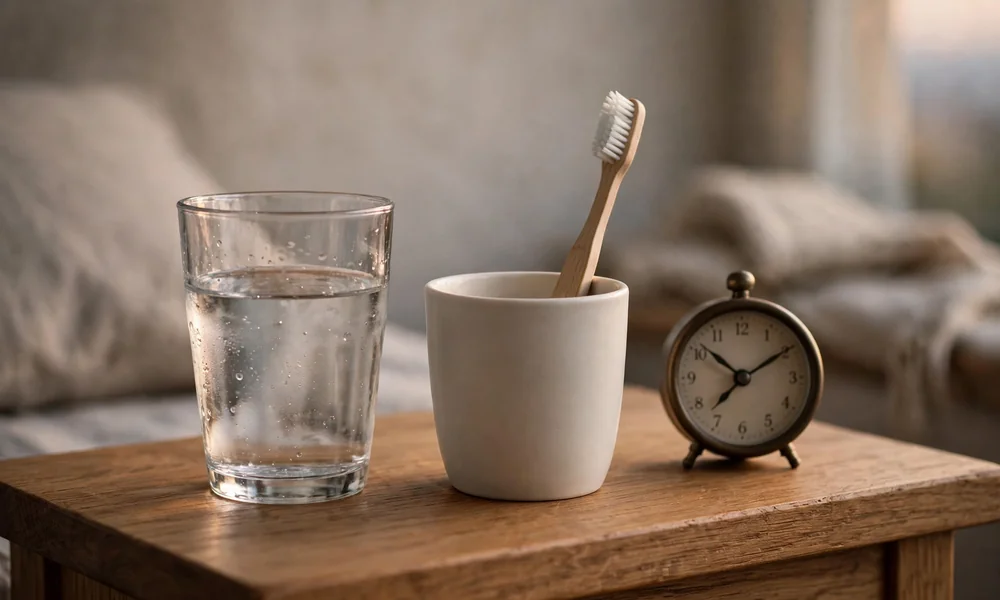
A simple morning rinse takes only a minute, and it starts the day well. When you wake, drink a glass of fresh water slowly, in small sips. Then rinse your mouth with a mouthful of plain water, swishing it gently around the teeth for a few seconds. Then brush your teeth with a soft brush and plain toothpaste, using small gentle strokes.
Rinse again with plain water after brushing, and the morning is done. The whole routine takes two or three minutes, and it leaves the mouth feeling clean and ready for breakfast.
Rinsing After Meals
Rinsing after meals is the habit that helps most through the day. After breakfast, after lunch, and after dinner, take a mouthful of plain water and swish it gently around the mouth for a few seconds. It washes away loose food and helps the mouth feel clean again after eating.
This matters most after sweet food and sticky food, which cling to the teeth. A rinse does not remove everything, and it does not replace brushing, but it is a useful step between brushes.
Rinsing Through the Day
Rinsing through the day is mostly about sipping water and keeping the mouth comfortable. Drink fresh water slowly through the day, in small sips, instead of waiting until you feel thirsty. A mouth that stays moist feels fresher, and a smile that is not dry looks brighter and more relaxed. Keep a glass on the desk, refilled when it is empty, and sip from it through the morning and the afternoon.
If the mouth feels dry, a mouthful of water and a gentle swish can help. Avoid sipping sweet drinks all day, because they leave sugar sitting on the teeth. Plain water is the kindest drink for the mouth. The same gentle water-first idea helps dry skin too, as in water dry skin gentle routine, where lukewarm water and a soft touch come first.

Water for a Bright Smile at a Glance
| Rinse gently | Drink slowly | Brush softly |
|---|---|---|
| Plain water only | Small sips daily | Soft brush, twice |
| After meals too | Keep mouth moist | See a dentist |
| Spit, never swallow | Fresh glass daily | No harsh rinses |
Brushing and Rinsing Together
Brushing and rinsing work best together, in the right order. Brush first, with a soft brush and a small amount of plain toothpaste, using small gentle strokes along the teeth and gums. Then rinse with plain water, swishing gently for a few seconds.
Do not brush hard, and do not scrub. Hard brushing can hurt the gums and wear the teeth, while gentle brushing cleans just as well. Replace the brush when the bristles bend or spread, usually every few months.
A Fresh Smile at Night
Night is when the mouth rests, and a little care before bed goes a long way. After your evening meal, rinse with plain water, then brush your teeth gently with a soft brush. Rinse once more with plain water, and the night routine is done.
Do not eat or drink anything sweet after brushing at night, because it sits on the teeth while you sleep. If the mouth feels dry at night, a small sip of water helps. Wake up, drink a glass of water, and start the morning habit again.
Gentle Habits That Help a Smile
A bright smile is helped by small, gentle habits through the day. Eat fresh fruit and crunchy vegetables when you can, because chewing them helps the mouth feel clean. Drink plain water with meals instead of sweet drinks. Avoid smoking, because it stains the teeth and dries the mouth.
Keep the habits gentle and steady. A smile does not need strong products or harsh rinses to look bright; it needs clean teeth, a fresh mouth, and a relaxed face. Chewing slowly and drinking water with meals also help, because they give the mouth time to feel clean after eating. Where cold water splash tired skin wakes tired skin with a quick splash, this guide freshens the mouth with a gentle rinse, and both habits start with plain water.
When to See a Dentist
Rinsing is a gentle habit, not a treatment, and it cannot fix a real problem. If a tooth hurts, if a gum bleeds often, if a tooth feels loose, or if a sore in the mouth does not heal, please see a dentist. Do not wait, and do not try to rinse the problem away.
A dentist can see what a mirror cannot, and can help before a small problem becomes a large one. Regular dental visits help keep the mouth healthy. Rinsing supports that care, but it never replaces it.
Your Simple Rinsing Checklist
- Drink a glass of fresh water slowly when you wake.
- Rinse with plain water, swishing gently for a few seconds.
- Brush twice a day with a soft brush and plain toothpaste.
- Rinse with plain water after meals, especially sweet food.
- Sip plain water through the day and keep the mouth moist.
- See a dentist for pain, bleeding gums, or a problem that stays.
Frequently Asked Questions
How many times a day should I rinse with water?
Rinse after meals and after brushing, and whenever the mouth feels dry. Three or four gentle rinses a day are enough, along with brushing twice a day.
Is plain water enough for rinsing?
Yes, plain fresh water is enough for simple rinsing. It washes away loose food and freshens the mouth gently, without stinging or drying the mouth.
Should I rinse before or after brushing?
Brush first, then rinse with plain water. Brushing cleans the teeth gently, and the rinse afterwards washes away what brushing has loosened.
Can rinsing with water whiten my teeth?
No, rinsing with water will not whiten teeth. It helps keep the mouth fresh and clean, but whitening is a dental matter, and a dentist can advise on it safely.
Is rinsing safe for children?
Yes, gentle rinsing with plain water is safe for children who can swish and spit. Young children should be helped by an adult, and they should spit the water out, not swallow it.
What should I do if my mouth hurts?
See a dentist. Rinsing will not fix pain, bleeding gums, a loose tooth, or a sore that does not heal. A dentist can find the cause and help properly.
The Bottom Line
Water for a bright smile is a simple habit done well: plain fresh water, gentle rinses after meals and after brushing, a soft brush twice a day, and water sipped slowly through the day. It is gentle general information only, never a cure, and a dentist is the right person for real problems.
A Note for Bright Smiles
Keep it plain, keep it gentle, keep it regular. A glass of water, a soft brush, and a few quiet seconds can keep a smile fresh all day.