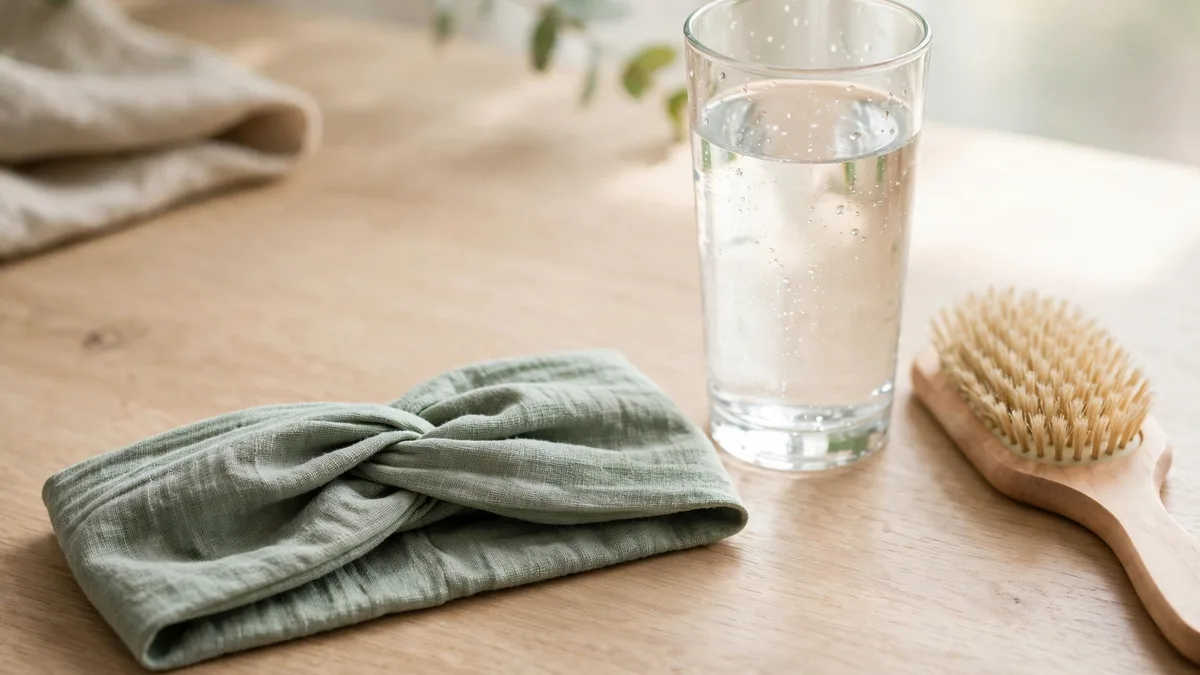
Some mornings start with the hair going its own way. The fringe sticks up, the sides puff out, and washing it all over again feels like too much for an ordinary day. The quickest fix is already in a drawer: a soft band of cloth, slipped across the head in one smooth move. It holds the front strands back, frames the face, and turns damp hair into a finished look in less than a minute.
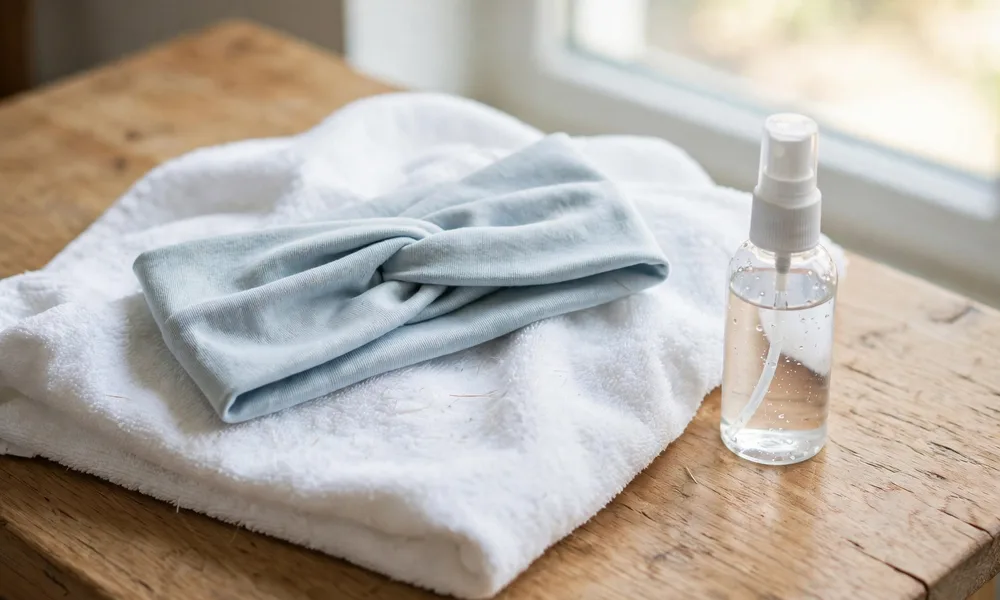
The trick is the water. Damp hair bends easily and holds a shape without fighting back, while dry hair slips, puffs and springs loose. A light mist from a spray bottle, or damp hands run through the front strands, is enough. The band then does the rest, keeping the fringe out of the eyes while the hair dries.
This guide walks through the look: what it is, how water and a band work together, how to choose a band, three simple ways to wear one, and how to look after the bands and the hair beneath them. Everything that follows is plain everyday guidance, not personal advice. If your hair or scalp is giving you trouble, please see a doctor.
Key Takeaways
- A headband gives damp hair a tidy look in under a minute.
- Mist the hair lightly with plain water before slipping the band on.
- Soft cloth bands suit most days; wide bands hold more hair back.
- A headband sits across the head and leaves the hair open, unlike a scarf.
- Patch-test new cloth and products, and see a doctor for scalp worries.
What a Headband Look Is
A headband look is hair held back, not covered up. A band of soft cloth sits across the head, just behind the hairline, and the hair beneath stays open and free. The fringe lies flat, the sides stay smooth, and the lengths fall where they like. It suits almost any length: short hair tucks neatly under the band, and long hair falls past the shoulders.
It is a look for ordinary days: the school run, the market, the garden. It asks for no heat and no pins. One band, a little water, and a minute of patience are enough.
Water and Damp Hair
Water does the quiet work in this look. Damp strands bend easily and hold a shape, while dry hair slips, puffs and springs loose. That is why the band works best on hair still a little wet from washing, or misted lightly from a spray bottle. A few sprays across the front are enough; the hair should feel cool and damp, never dripping.
Let the hair dry under the band, and it keeps the shape. When the band comes off, the fringe falls in a soft curve. If the hair dries too fast, mist it once more and slip the band back on.
A Fresh Morning with a Headband
A fresh morning starts with a glass of water on the dressing table. Drink it slowly, then mist the front strands and brush them once. Slip the band on from the front, settle it behind the hairline, and smooth the sides with your palms. The whole thing takes less than a minute.
Keep the band on while you get dressed, and let the hair dry beneath it.
Choosing a Headband
Pick a band that feels soft against the inside of your wrist, since that is about how it will feel on your head. Soft cotton and jersey cloth are kind to the hair and easy to wash, while silk slides smoothly and suits bright days. A band about two fingers wide holds the fringe well without pressing too hard.
Try the band on before you buy it, if you can. It should sit firmly without pinching, and stay put when you shake your head gently. A band that slides forward will need adjusting all day, and one that grips too tight will leave a mark.
Three Simple Ways to Wear a Headband
The classic way is the simplest: band across the head, fringe flat beneath it, lengths loose behind. It suits every day and takes seconds. Smooth the front strands first, slip the band on, and let the rest fall where it likes.
The second way is the low band: slide it a little further back, so a soft sweep of fringe falls across the forehead. The third way is the band with a low twist: gather the lengths into a loose twist at the nape, slip the band on, and let the twist hold the back while the band holds the front.
Headband at a Glance
| Soft cloth band | Damp hair, mist | One minute, easy |
|---|---|---|
| Sits across head | Fringe held back | Hair stays open |
| Wide or narrow | Plain water only | No heat, pins |
| Cotton, jersey | Morning, daily | Wash bands weekly |
| Two or three | Clean band ready | Gentle hands |

Headband and a Headscarf
Headscarves for a fresh look are the closest cousins of the headband in this journal. A headscarf is a square of soft silk or cotton, laid over damp hair and knotted once. It covers the crown, frames the face, and gathers at the back or the side.
A headband is different because it covers nothing. It sits across the head as a narrow band, and the hair stays open above and behind it. A scarf suits days when the hair needs covering, while a band suits days when the hair can stay loose and free. One covers the crown, the other holds the fringe.
Headband and a Hair Towel
A hair towel for a fresh ritual is a soft cotton towel kept for the hair alone, for patting dry, never rubbing. It soaks up the wetness after a wash while the hands stay still, so the hair comes out calm instead of tangled.
Pat the hair dry with the towel first, mist the front strands lightly, and then slip the band on. One dries the hair, the other shapes it.
Headband and a Bun
Buns for a fresh look gather damp hair into one neat shape, out of the face and off the neck. The hair is gathered, twisted and pinned into a coil, and it stays put while the day goes on. A bun suits a school run, a desk, a market trip and a quiet evening.
A headband leaves the hair down, while a bun gathers it all up. A low bun at the nape with a band across the front gives a tidy look that holds all day. One gathers, the other frames the face.
Headband, Scrunchie and Satin Bonnet
Two more hair companions arrive in this same batch, and each is easy to tell apart from a headband. A scrunchie, the subject of article 883, is a soft cloth ring that gathers the hair into a ponytail or a bun. A headband does the opposite work: it sits across the head and leaves the lengths loose.
A satin bonnet, the subject of article 887, is a soft cap that covers the hair at night, keeping it smooth and protected while you sleep. A headband is a daytime piece that sits across the head and shows the hair, while a bonnet covers the hair at night. One gathers, one covers at night, and one holds the fringe back by day.
Keeping a Headband Fresh
A headband stays fresh with a little regular care. Wash cloth bands in lukewarm water with a mild soap, rinse well, and let them dry flat in the air, away from direct sun. Silk bands need a gentler wash and a cooler dry. Keep the bands in a small basket or a drawer, folded neatly.
Check the band before each wear: if the elastic has gone slack, or the cloth has thinned at the fold, it is time for a new one.
Gentle Care and When to Ask a Doctor
Everything here is gentle general information, not a remedy for hair or scalp trouble. Patch-test any new cloth or product on a small patch of skin first, and wait a day before wearing it all day. If a band leaves the scalp sore or itchy, stop wearing it. A band should never pull, pinch, or press hard enough to hurt.
A worry that lingers belongs with a doctor. Hair that falls out in patches, a scalp that stays sore or flaky, or itching that does not settle are all reasons to ask a doctor or dermatologist. Plain water and a soft band are a gentle daily habit, not a treatment.
Your Fresh Look Checklist
- Mist the front strands lightly with plain water.
- Slip the band on just behind the hairline.
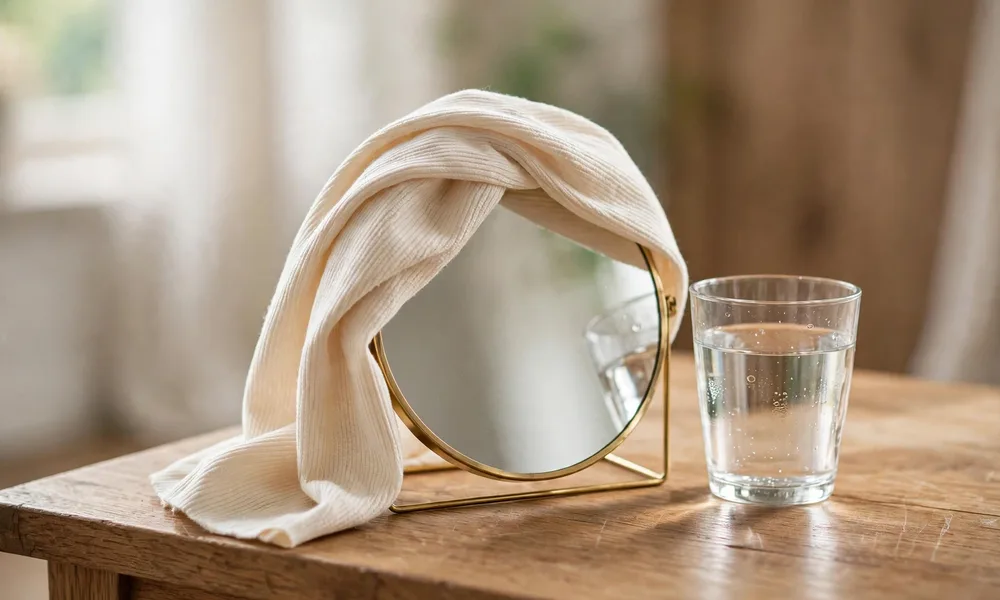
- Smooth the sides with your palms and check the mirror.
- Let the hair dry under the band before taking it off.
- Keep a clean spare band folded in the drawer.
- If the scalp stays sore, ask a doctor.

Frequently Asked Questions
What is a headband look?
A headband look is hair held back by a soft band across the head, fringe flat beneath it and lengths left loose. It takes less than a minute.
Should the hair be wet or dry for a headband?
Lightly damp hair works best, since damp strands bend easily and hold a shape. Mist the front strands with plain water, or slip the band on after a wash.
How is a headband different from a headscarf?
A headscarf covers the crown and gathers in a knot, while a headband sits across the head and leaves the hair open. One covers, the other holds the fringe back.
How is a headband different from a scrunchie?
A scrunchie gathers the hair into a ponytail or a bun, while a headband sits across the head and leaves the lengths loose. One gathers the hair up, the other frames the face.
Is a headband safe to wear all day?
A soft band that fits well is fine for most people all day. If it pinches or leaves the scalp sore, take it off and try a looser band.
How do I wash a cloth headband?
Wash it in lukewarm water with a mild soap, rinse well, and let it dry flat. Silk bands need a gentler wash, and no band should go near strong heat.
The Bottom Line
Water and a headband fit fresh days: damp hair, one soft band, a minute of patience, and a neat look that holds.
A Note for Fresh Days
One soft band, a little water, a calm minute — a fresh look asks for nothing more.


