
Some mornings the garden is at its kindest before the day has properly begun. The leaves are still cool from the night, the soil smells damp and green, and the path between the beds waits quietly for the first slow steps of the day. Nothing out there is in a hurry, and nothing asks to be finished.
A garden walk is the simplest way to meet that hour: a glass of fresh water in one hand, an unhurried pace, and a slow loop past the beds, pausing wherever a flower or a leaf catches the eye. It is not exercise, it is not a chore, and it is not a trip anywhere; it is a small fresh ritual, done for its own sake.
This guide shows how to make a garden walk part of your day: how to plan it, what to carry, how to drink your water along the way, and how it differs from the other walks and garden routines you may already know. It is gentle general information only, and it promises no cure for anything; for a health problem that does not go away, a doctor is the right person to ask.
Key Takeaways
- A garden walk is a slow stroll among garden beds with a glass of water.
- It is not a hike, not a commute, not an evening street walk, not gardening work.
- Walk slowly, sip plain water, and pause wherever the garden invites you.
- A short loop of ten or fifteen minutes is enough for the whole ritual.
- For a health problem that lingers, ask a doctor, not a walk.
What a Garden Walk Is
A garden walk is a slow stroll along the paths of a garden, with a glass of water carried in one hand and no destination in mind. You move at the pace of looking, not the pace of getting somewhere, stopping to notice a new leaf, a bee on a flower, or the way the light falls through the branches.
The walk belongs to the garden itself, not to the street beyond its gate. It is short, gentle and close to home, and it ends when the glass is empty or the loop feels complete, whichever comes first.
Why Garden Walks Feel Fresh
A garden is a cooler, softer place than the rooms indoors. The leaves shade the path, the soil holds the night's damp, and the air carries the green scent of growing things. Stepping out into it, even for a few minutes, feels like opening a window inside your own head.
Water adds to the freshness. A slow sip between the beds is a small reminder to drink, taken at exactly the moment when the body is waking up and the air is at its mildest.
Planning a Simple Garden Walk
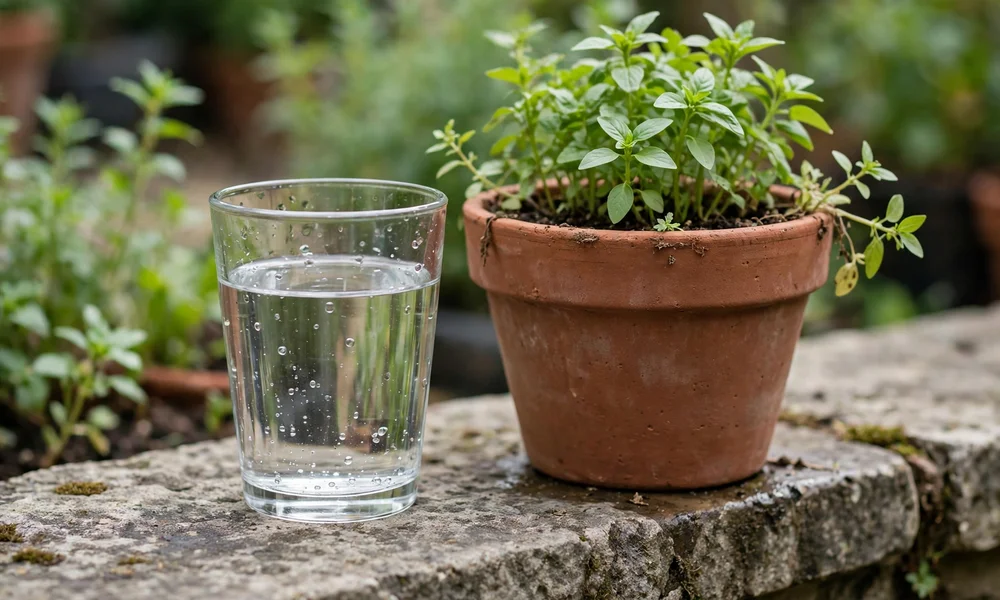
Choose the mildest part of the day, usually the early morning or the late afternoon, when the sun is low and the air is cool. Fill a clean glass with plain drinking water, put on comfortable shoes with a good grip, and step out through the garden gate or the back door.
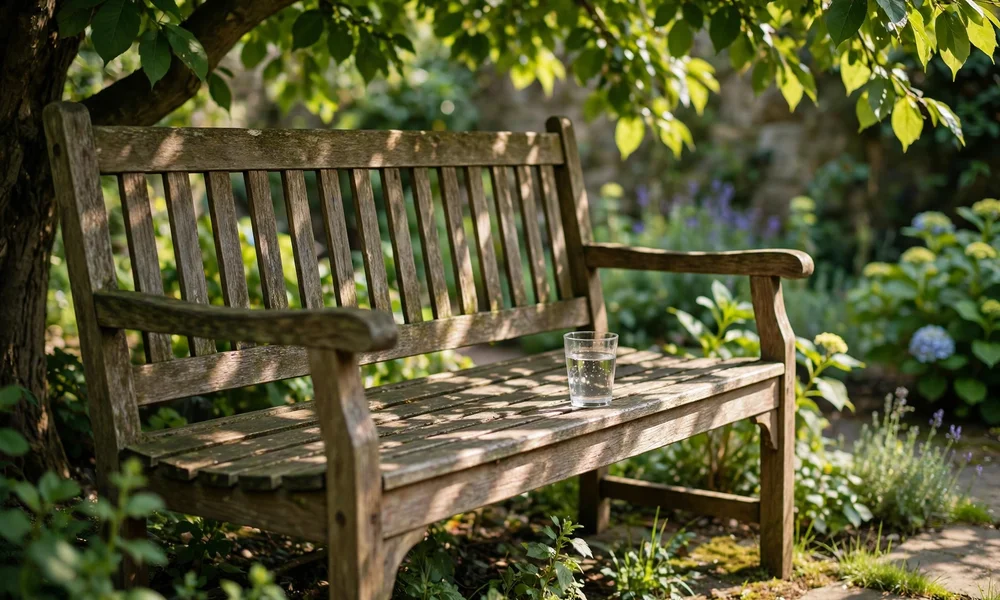
Keep the route short and familiar: one loop around the beds, past the herbs, under the tree, and back to the bench. There is no distance to beat and no time to keep, only the path and the glass in your hand.

A Garden Walk with Water
Begin at the bench by the beds, with the glass full and the morning still quiet. Take a slow sip, then set off along the path at a strolling pace, letting your eyes wander from one bed to the next. Pause at the lavender, breathe in, and take another sip.
Halfway round, stop by the tree and finish the glass if you like, or save the last sips for the bench at the end. When the loop is done, sit for a minute, refill the glass indoors, and let the day begin.
Water Along the Way
Carry plain drinking water and nothing else. A clean glass is best for a short walk close to the house, and a small bottle with a lid suits a longer garden or a shared path where a glass might spill.
Drink in small sips rather than long gulps, and keep the glass in your hand rather than setting it down on the soil, where it can pick up dirt. When you come back inside, wash the glass and set it by the sink for the next walk.
Garden Walks at a Glance
| Slow garden loop | Glass, plain water | Morning, late afternoon |
|---|---|---|
| Ten, fifteen minutes | Comfortable grippy shoes | Pause, look, sip |
| Beds, herbs, trees | No destination, no hurry | Doctor for lasting worries |
| Close to home | Wash glass after | Gentle, general guidance |
Garden Walks and Evening Walks
Evening walks, the sibling numbered 785, are walks taken as the day cools, usually along streets and pavements, with the lamps coming on and the sky turning dark. They belong to the evening, to the neighbourhood, and to the feeling of winding down.
A garden walk is a different hour and a different place. It happens in the morning or the late afternoon, inside the garden itself, among the beds rather than along the road, and it is over long before the lamps come on.
Garden Walks and Daily Walking
Water and walking for a daily reset is a simple pair for busy days: a glass of fresh water, a slow walk, and a few minutes of calm before the list takes over. It can happen anywhere, on a pavement, in a park, or around the block.
A garden walk is the garden version of that same idea, narrower and greener. The path is shorter, the ground is softer, and the whole walk stays inside one small green place, with the beds on either side instead of houses or traffic.
Garden Walks and Day Trips
Day trips, road trips and train journeys are all about going somewhere else: a bag packed, a bottle filled, and a whole day spent away from home. They are pleasures in their own right, and they need planning, a timetable and a full bottle.
A garden walk needs none of that. It starts at the back door, lasts a quarter of an hour, and asks for one glass of water and a pair of comfortable shoes. It is a trip of a few steps, not a trip of a few miles.
Garden Walks and Gardening Work
Water and gardening for soft hands is a hands-and-skin guide: digging, planting, pulling weeds, and coming back inside with soil under the nails. It is work, and it is done with the hands in the earth.
A garden walk is not that work. You carry no tools, you dig nothing, and you pull no weeds; you only walk, look and sip. The garden is a place to stroll through here, not a job to finish.
Where Garden Walks Fit in the Day
A garden walk fits best at the edges of the day, when the garden is mild and the house is quiet. Early morning suits it well, before the heat and the messages arrive, and late afternoon suits it too, when the sun has softened and the beds are in shade.
It does not fit the middle of a hot day, when the sun is strong and the path is dusty, or the middle of a busy hour, when the walk would only be another thing to rush. Keep it for the quiet edges, and it stays a pleasure. A fresh garden kept with simple water rituals makes the walk pleasanter, since watered beds smell greener and the leaves look brighter.
Keeping the Habit Gentle
Walk on flat, even ground and wear shoes that grip, so a damp path or a loose stone cannot surprise you. In warm weather, take the walk in the shade, wear a hat, and carry a little more water than you think you need.
If you feel dizzy, short of breath, or unsteady at any point, stop, sit down on the bench, and sip your water slowly. This guide is gentle general information only, and a health worry that keeps coming back deserves a doctor's attention, not a longer walk.
Your Garden Walk Checklist
- Fill a clean glass with plain drinking water before stepping out.
- Wear comfortable shoes with a good grip for damp garden paths.
- Walk the short loop slowly, pausing at the beds you love.
- Sip the water in small sips, and never set the glass on the soil.
- Wash the glass when you come back inside, ready for tomorrow.
- For a health worry that lingers, see a doctor; a walk treats nothing.
Frequently Asked Questions
What is a garden walk?
A garden walk is a slow stroll along the paths of a garden, with a glass of plain water in one hand and no destination in mind. You move at the pace of looking, pausing at the beds, and the walk ends when the loop feels complete.
How is a garden walk different from an evening walk?
An evening walk, the sibling numbered 785, is taken as the day cools, usually along streets and pavements as the lamps come on. A garden walk happens in the morning or late afternoon, inside the garden itself, among the beds rather than along the road.
How is a garden walk different from gardening?
Gardening is work with the hands in the soil: digging, planting and weeding. A garden walk carries no tools and finishes no job; you only walk, look and sip, and the garden is a place to stroll through.
How long should a garden walk last?
Ten or fifteen minutes is enough for the whole ritual. One short loop around the beds, a few pauses and a glass of water make a complete walk, and there is no distance to beat.
What water should I carry on a garden walk?
Carry plain drinking water in a clean glass for a short walk close to the house, or a small lidded bottle for a longer garden. Drink in small sips, and wash the glass when you come back inside.
Is a garden walk safe for everyone?
A slow walk on flat, even ground suits most people, but this guide is gentle general information only. If you feel dizzy or unsteady, stop and sit down, and ask a doctor about any health worry that does not go away.
The Bottom Line
Water and garden walks make a small fresh ritual: one glass of plain water, one slow loop among the beds, and a few unhurried minutes before the day begins.
A Note for Fresh Mornings
Keep the walk short, the water plain, and the pace slow. One garden path, one glass of water, and a quiet morning are all you need.


