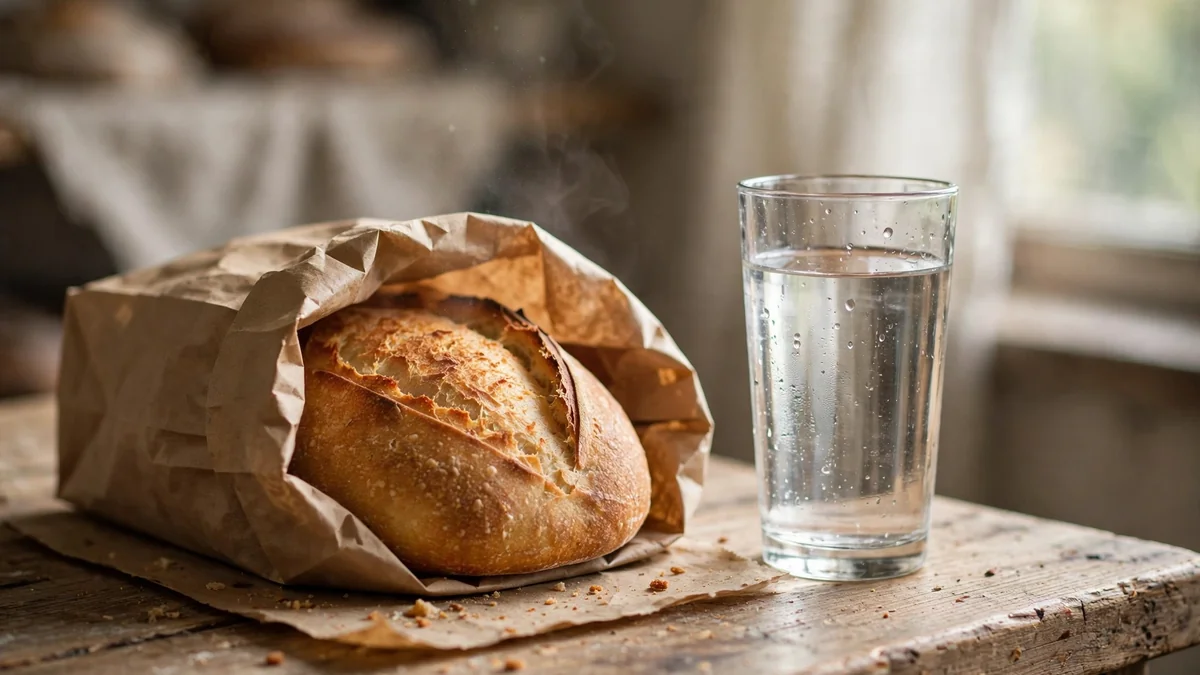
The bakery wakes before the street does. By the time the shutters go up, the ovens have been working for hours, and the first trays of rolls are already cooling where the morning air can reach them. A walk there feels less like shopping and more like stepping into a warm room.
Water fits that walk the way a good pair of shoes does. Drink before you set off, carry a bottle for the road, and wash up properly when you get back, and the whole outing stays light and easy. Warm bread is the reward; the water is what keeps the morning steady.
This guide follows one bakery visit from start to finish: water first at home, a bottle packed to carry, slow choosing at the counter, and clean hands when you come back.
Key Takeaways
- A bakery visit is one short outing: water before you go, then the counter.
- Start the morning with a tall glass of water, drunk slowly.
- Take a bottle along, so the walk stays easy.
- Look and smell before you buy, and take home only what you need.
- Wash up when you return, and store the bread straight away.
What a Bakery Visit Is
A bakery visit is a short morning walk to one small shop for bread that is still warm. It is not a weekly shop, and it is not a chore fitted between other tasks: it is a stroll to a warm doorway, a loaf wrapped in paper, and a few unhurried minutes at the counter. The bread was baked at dawn, and the shop smells of crust and flour.
The visit falls into a few easy stages. Drink at home before you leave. Pack a bottle and a bag. Stroll to the bakery, choose a loaf and perhaps a pastry. Then head home, wash your hands, and put the bread away.
Water Before You Leave
Begin with water, before the bag or the door. Fill a tall glass, stand by the window, and drink it in small unhurried sips. Plain water does the job on its own; on a hot day, a squeeze of lemon in the glass is a pleasant change.
A slow drink sets the pace for the outing. Gulping it down sets nothing, so take your time and let the first taste of the day be clean, cool water.
Packing for the Bakery
Packing takes a minute and saves trouble later. Fill a clean bottle, close it firmly, and place it by a folded cotton bag on the table. A small purse is all you need besides, so your hands stay free and the walk stays light.
The bottle earns its place because the walk is longer than it looks, and the sun warms the street fast. Take small sips as you go, and top the bottle up at a tap if it runs low.

At the Bakery: Choosing Fresh Bread
Good bread gives itself away if you look closely. The crust should be golden and crisp, with no pale soft patches, and the loaf should feel warm and a little heavy in your hands. Smell it too: fresh bread smells of warm flour, and that smell is the best guide you have.
Take home only enough for the next few days, and choose a few different things rather than a large amount of one. The baker will gladly say what came from the oven this morning and what keeps best. Keep the bag light, stroll slowly, and let the counter make up your mind for the last few items.
A Bakery Visit, Step by Step
Here is the whole outing in one easy order, so nothing is missed. Drink a glass of water at home, gather your bottle and bag, and stroll to the bakery at a gentle pace. At the counter, look over the loaves, breathe in the smell of the pastries, and pick a warm loaf with one small treat.
Pay, thank the baker, and stroll home the same gentle way, sipping from your bottle. Once inside, wash your hands well, unwrap the bread, and store it in a clean cloth or a bread box before you sit down.
Bakery Visit at a Glance
| Water first | Warm bread | Walk home |
|---|---|---|
| Glass before leaving | Loaf, one pastry | Wash hands well |
| Bottle to carry | Look, smell, choose | Put bread away |
| Sip slowly, take time | One bag, unhurried | Rest, drink water |
| Cool morning glass | Golden crisp crust | Tidy kitchen, rest |
Bakery Visit and Markets
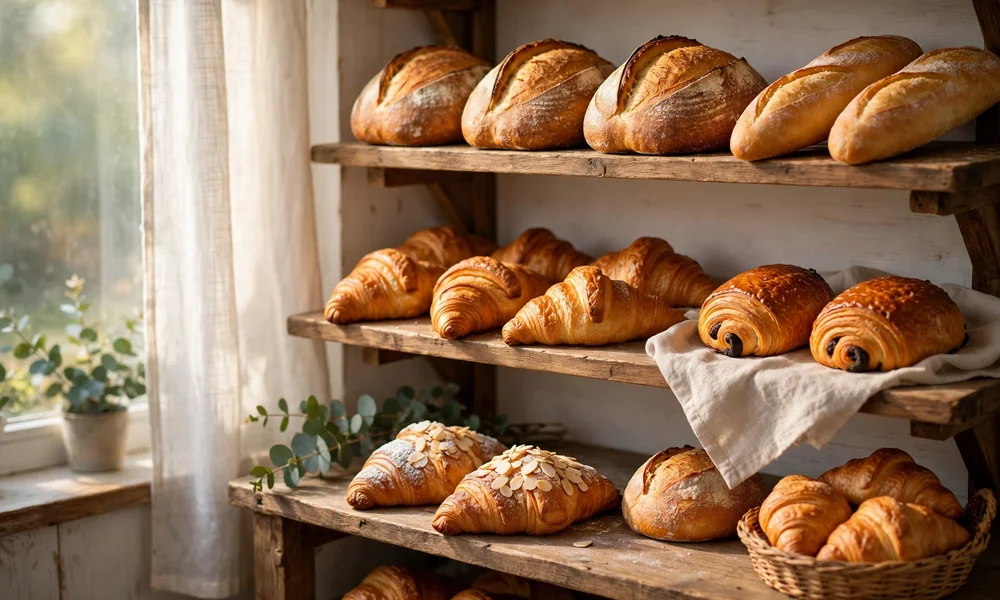
Markets and bakeries both take you out in the morning, yet they work at different scales. A market is a walk through open stalls, where many sellers offer greens, fruit, and bread, and the bag fills a little at a time from each one. It is an outdoor ramble, under canvas or open sky, with the whole morning to wander.
A bakery is one warm shop with one counter and one baker. The bread comes from a single oven, still warm, and the visit is over quickly, with a paper bag in hand instead of a full basket. The market spreads across a square; the bakery fits inside one small room.
Water and markets covers that bigger morning out, with stalls walked slowly and shopping brought home to put away. This guide stays smaller: one shop, one oven, one warm loaf.
Bakery Visit and Cooking
Water in cooking is a kitchen session at home, where a pot of water, a few fresh vegetables, and time on a low flame turn into a clear broth. It is slow work at the stove, with a pot to watch, a broth to strain, and jars to store in the fridge.
A bakery visit does no cooking at all, and a lighter take on the same idea is water and a salad bowl, a simple fresh ritual built around a bowl rather than a pot. Cooking makes the food; a bakery visit buys it fresh, and the two meet only at the table, where warm bread and a glass of water sit side by side.
Bakery Visit and Breakfast
Breakfast is eaten at home, at your own table, in the early hours before the day begins: water first, then a plain plate, finished in a short unhurried spell. It is a meal, quick and calm, and it never leaves the house.
A bakery visit is the trip that brings the bread to that table. It means water first, a bottle packed to carry, a walk to one small shop, and bread brought home to put away. One is a meal at home; the other is the walk that stocks it.
Breakfast is a simple fresh start for those early hours at home, and the bakery visit is what fills the bread box the night before, or the morning of, that quiet plate.
The Other Water Rituals in This Batch
Around this bakery walk sit four more water habits from the same set of guides, and none of them starts with bread. A sleep mask belongs to the evening, worn in a dark quiet room to help the night feel restful, and it asks for nothing but a tidy bed. A cast iron pan belongs to the kitchen, heavy and warm, and it turns simple cooking into a slow, steady habit.
Pedicures belong to gentle foot care, warm water and a soft towel, and a muslin cloth belongs to soft face washing, a light cloth and lukewarm water at the sink. The bakery visit is the one that steps outside, into the morning street, and comes home with warm bread.
Bringing Bread Home
Bringing bread home well matters as much as choosing it. Carry the paper bag upright, so the loaf keeps its shape, and do not crush it under heavier things. When you reach the kitchen, wash your hands before you unwrap anything, then move the bread into a clean cloth or a bread box.
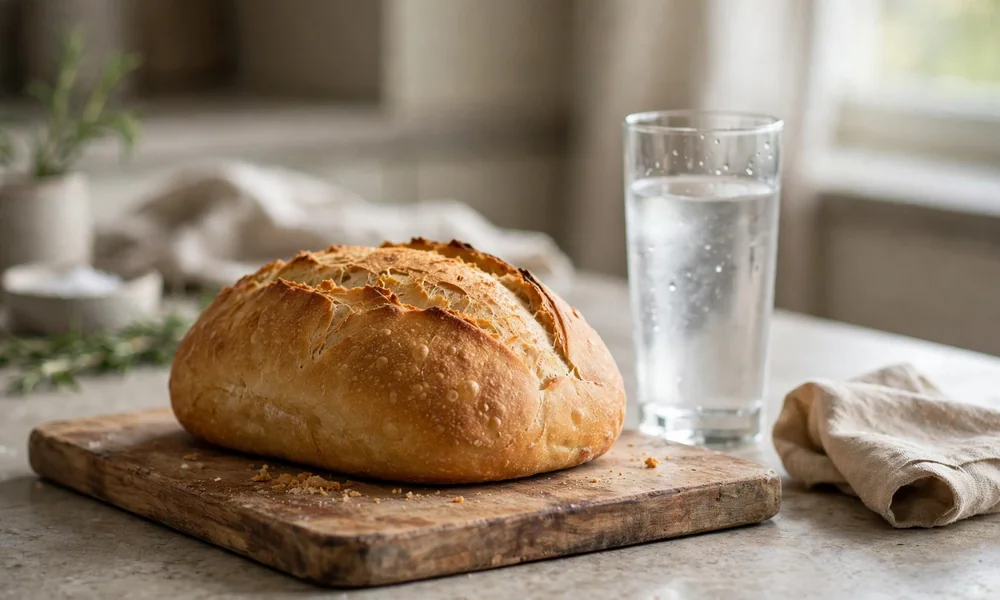
Keep the bread away from damp places and steamy windows, and slice only what you need for each meal, so the rest stays fresh. A warm loaf eaten the same day needs nothing more than a clean knife and a tidy board.
Keeping the Ritual Gentle
Keep the bakery ritual gentle, and keep its claims small. Warm bread and fresh water are simple pleasures, not treatments, and they will not fix skin, sleep, or any health worry on their own. This guide is general information only, and it is not medical advice.
If your skin reacts to a new bread, a new soap, or anything new at all, stop using it and patch-test a tiny amount another day, or simply leave it alone. When a health question stays with you, ask a doctor, who can look at the whole picture in a way no morning walk can.
Your Bakery Visit Checklist
- Drink a tall glass of water before you step out.
- Pack a clean bottle and a folded cotton bag.
- Stroll to the bakery at an easy pace, sipping as you go.
- Pick one warm loaf and a single small pastry.
- Wash your hands well as soon as you get home.
- If a health worry lingers, talk to a doctor — warm bread cannot answer it.
Frequently Asked Questions
What makes a bakery visit a ritual?
It is a ritual because the same small steps repeat in the same order: water first, a slow walk, a warm loaf chosen with care, and clean hands on return.
When is the best time to visit a bakery?
Early morning is best, when the first loaves are still warm from the oven and the street is quiet enough for a slow walk.
Should I carry water to the bakery?
Yes, a small bottle is worth carrying, so you can sip a little at a time on the walk there and back.
How do I pick a good loaf?
Look for a golden crisp crust, smell the bread, and choose a loaf that feels warm and a little heavy, which often means a good crumb inside.
Is a bakery visit safe for sensitive skin?
For most people it is a gentle morning walk, and if a new bread or soap bothers your skin, stop using it and patch-test a tiny amount another day.
What should I do with the bread once I am home?
Wash your hands, unwrap the loaf, put it in a clean cloth or bread box, and slice only what you need for each meal.
The Bottom Line
For a fresh morning, a bakery visit is enough: water first, a slow walk, one warm loaf, and clean hands at home.
A Note for Fresh Mornings
Warm bread, a full bottle, a slow walk — that is all a fresh morning needs.


