
Waxing has a reputation for being the brave option, the one people put off until the last minute and then rush through with gritted teeth, the pot hot and the strip sticky. It does not have to feel that way.
Done slowly, with water at every step, waxing is a calm, ordinary routine. Warm water softens the skin, cool water soothes it afterwards, and a little patience in between makes the wax itself far kinder than its reputation suggests.
This guide walks through waxing one step at a time: the water before, the wax itself, and the gentle aftercare that follows. It is general information only, never medical advice. If your skin keeps reacting badly, a doctor is the right person to ask, not a stronger product.
Key Takeaways
- Water and waxing belong together: water prepares the skin and calms it after.
- Lukewarm water is the gentlest choice; very hot water can leave skin sore.
- Wax lifts hair from the root, so smooth skin lasts longer than a shave.
- Patch-test wax on a small area first, and never wax broken or sunburned skin.
- Rinse cool, pat dry gently, and moisturise while skin is slightly damp.
What Water and Waxing Means
Water and waxing means using water well at every stage, not just at the end. Skin carries a thin layer of natural oils, and hot water strips those oils fast, leaving skin tight before the wax touches it. Lukewarm water, used briefly, cleans without stripping.
Think of waxing dry, dusty ground: the wax grips unevenly and the pull hurts more, while damp ground takes it evenly. Skin works the same way. A short lukewarm wash, a careful wax, and a cool rinse afterwards form one routine, and no step works as well without the others.
Why Lukewarm Water Comes First
Lukewarm water feels neither hot nor cold on the wrist, and that middle temperature is exactly what waxed skin wants. Hot water opens the skin up too much and leaves it flushed, which makes the wax sting more, while cold water tightens the skin and makes the hair harder for the wax to grip.
Wash the area with lukewarm water and a mild cleanser, then pat it dry. The skin should feel clean and calm, not red and not damp, and skipping this short wash is the most common reason a wax feels harsher than it should.
Getting Ready Before the Wax
A good wax starts the day before, not the minute the pot is open. Let the hair grow to about the length of a grain of rice, skip heavy creams and oils on the day itself, because wax cannot grip slippery skin, and wear loose clothes you do not mind getting sticky.
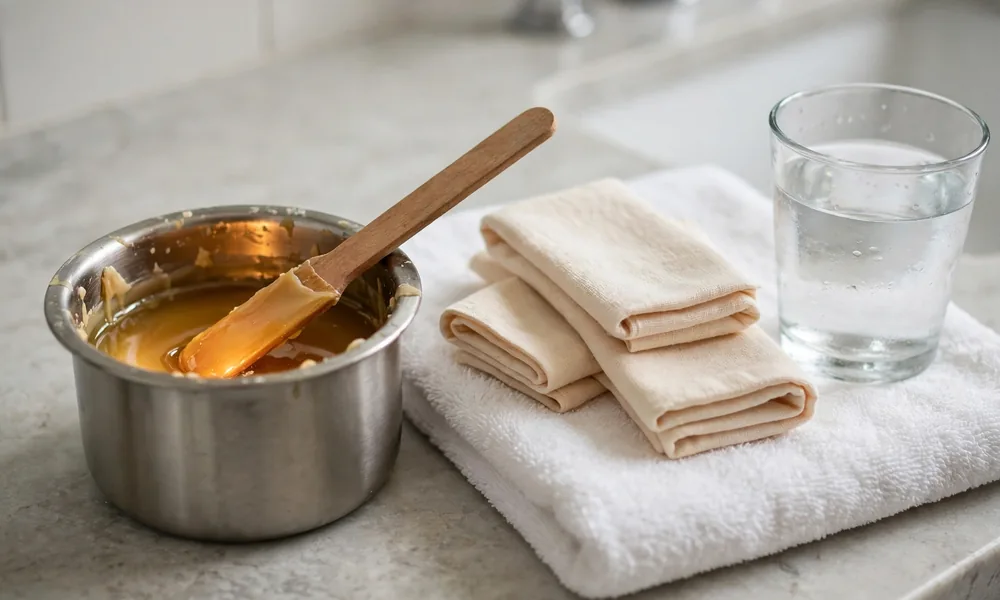
On the day, lay everything out first: wax, spatulas, strips, a bowl of lukewarm water, a clean towel, and a glass of water to drink. With everything in reach you never have to hurry mid-wax, and a wax done without hurrying hurts far less.
Choosing Wax and Tools
Wax comes in two broad kinds, and the choice is simpler than the shelves suggest. Soft wax spreads thin and lifts away with a cloth strip, suiting larger areas such as the legs. Hard wax spreads thicker, sets, and peels away on its own, suiting smaller, tender areas.
Pick a plain wax with few added scents, with clean wooden spatulas and fresh strips. Warm it slowly until it spreads like thick honey, never runny like water, and test a drop on the inside of your wrist. If it feels too hot there, it is too hot anywhere else.
The Waxing Itself, Slowly
Work in small patches, one at a time, and never rush a patch to save time. Spread the wax thinly in the direction the hair grows, press the strip down firmly, and hold the skin taut with your other hand. Then pull the strip back swiftly, close to the skin and against the direction of growth, in one smooth motion.
Breathe out as you pull, and pause between patches to let the skin settle. Legs are the easiest place to learn, because the skin there is firm and the patches can be wide. Water and legs as a simple care routine covers how to look after leg skin day to day, and the same gentle habits serve it well on waxing days too.
Rinsing and Cooling Down
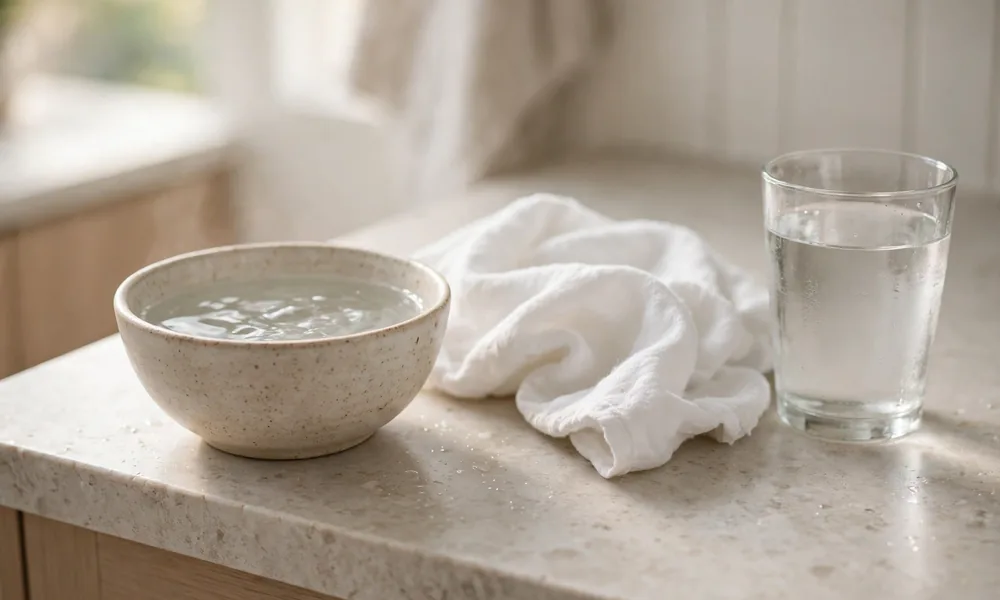
Once the waxing is done, rinse the area with cool water, not hot, and let the water run gently over the skin for a minute. Cool water calms the warmth the wax leaves behind, and it washes away any sticky traces without scrubbing. Pat the skin dry with a soft towel, pressing lightly instead of rubbing.
If the skin looks pink, that usually fades within the hour, and a cool, damp cloth laid over it for a few minutes helps. Skip hot showers, saunas and strong soaps for the rest of the day, and let the skin rest.
Aftercare and Moisture
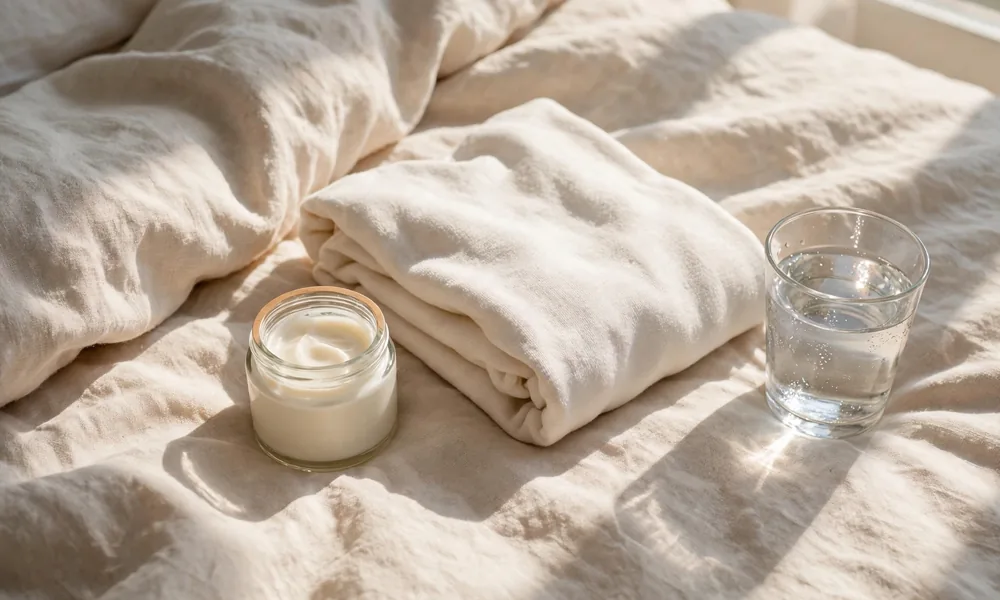
After the rinse, smooth on a plain, unscented moisturiser while the skin is still slightly damp, using light strokes and no pressure. It helps the skin feel comfortable again and keeps the surface soft while hair regrows slowly. Avoid scented lotions, acids and scrubs for a day or two, because freshly waxed skin is more open than usual.
Wear loose cotton for the rest of the day, and keep the waxed area out of strong sun until any pinkness has gone. Drink water in small sips through the day, because skin looked after from the inside shows it on the outside.
Waxing at a Glance
| Warm wax, strips | Lukewarm first | Cool rinse after |
|---|---|---|
| Hair from root | Patch-test first | Plain moisturiser |
| Small patches, slow | Loose clothes, calm | No sun, no scrub |
| Lasts longer | Never on broken skin | Doctor if sore |
Waxing and Shaving
Shaving and waxing both remove hair, but they work in opposite ways, and the difference shapes the whole routine. Water and shaving for smooth skin covers the razor method: water softens the hair, a sharp blade cuts it at the surface, and the skin feels smooth until the hair grows back in a day or two.
Waxing pulls hair from the root, so smoothness lasts weeks rather than days, but the pull takes more care, more preparation and a longer recovery. Shaving is the quick daily habit; waxing is the slower monthly one, and many people use both.
Waxing and Hair Removal
Waxing is one method inside a much wider subject, and it helps to know where it sits. The general guide, Water and Hair Removal, looks at every method side by side: shaving, waxing, creams and trimmers, with the water habits that suit each one. It is the map of the whole subject, and this guide is one road on that map, walked slowly from start to finish.
That guide also explains how to choose between methods when unsure, a different question from how to wax well. If you still wonder whether waxing is right for you, compare there, and it points back here for the full waxing routine.
Waxing and Sensitive Skin
Sensitive skin and waxing need each other to be handled with extra care. Water and sensitive skin as a gentle routine covers skin that reacts quickly to heat, scent and friction, and the same gentle habits apply here: lukewarm water only, plain products, and a patch-test every time you try a new wax.
Test the wax on a small hidden area, such as the inside of the arm, and wait a full day before waxing anywhere larger. If the test area stays calm, go ahead slowly; if it turns red, itchy or sore, stop and try a different method. Sensitive skin is not a reason to avoid waxing, but it is a reason to test first and never rush.
When to Ask a Doctor
Most waxing redness fades within hours, but some reactions deserve a doctor rather than a home remedy. See one promptly if skin stays red, swollen or painful for more than a day, if blisters or pus appear, or if a rash returns after every wax.
The same holds for skin that is broken, sunburned, or already sore: do not wax it at all, and ask a doctor how to care for it instead. Never wax over moles, warts, or areas a doctor has recently treated, and do not treat a bad reaction at home with stronger products. A short visit is worth far more than weeks of worry.
Your Simple Waxing Checklist
- Wash with lukewarm water and a mild cleanser before you begin.
- Patch-test the wax on the inside of your arm first.
- Work in small patches, pulling swiftly against the growth.
- Rinse with cool water, then pat the skin dry softly.
- Smooth on plain moisturiser while skin is slightly damp.
- Show any lasting redness or pain to a doctor without delay.

Frequently Asked Questions
Does waxing hurt more than shaving?
It can sting more in the moment, because wax pulls hair from the root while a razor only cuts at the surface. The sting fades quickly, smoothness lasts weeks, and slow work in small patches keeps it far gentler.
How long should hair be before waxing?
About the length of a grain of rice is right, long enough for the wax to grip firmly. Hair that is much shorter will slip free, and hair that is much longer will pull harder, so a light trim beforehand helps.
Can I wax sensitive skin?
Yes, with care. Patch-test the wax on a small hidden area and wait a full day, use lukewarm water and plain products, and stop at once if the test area turns red, itchy or sore.
How often should I wax?
Most people wax every three to five weeks, when hair has grown long enough to grip again. Waxing more often irritates the skin without a better result, so let hair grow back fully first.
What should I put on my skin after waxing?
A plain, unscented moisturiser, smoothed on while skin is still slightly damp, is the best choice. Avoid scented lotions, acids and scrubs for a day or two, and keep waxed skin out of strong sun.
When should I see a doctor about waxing problems?
See a doctor promptly if redness, swelling or pain lasts more than a day, if blisters or pus appear, or if a rash returns after every wax, or if you waxed skin that was broken or sunburned.
The Bottom Line
Water and waxing belong together: lukewarm water before, a slow careful wax, and a cool rinse with plain moisture after, with a doctor for anything that stays sore.
A Note for Waxing Days
Keep the water lukewarm, the patches small, and the day unhurried. A calm wax, a cool rinse, and loose cotton clothes are enough to care for waxed skin well.