Skin can feel tired in ways that are hard to name. It feels tight after washing, dry by the afternoon, and easily irritated by things that never bothered it before. The mirror shows nothing dramatic, yet the skin feels uncomfortable, as if its outer layer has grown thin and needs a rest.
That outer layer has a name: the skin barrier. It is the thin, quiet shield that keeps moisture in and irritation out, and plain water, used gently, is one of its best friends.
This article is a gentle guide to water and the skin barrier: what the barrier is, how water helps it, and how to build a short, kind daily routine around it. It is general information only, never medical advice, and real skin problems belong with a doctor or dermatologist.
Key Takeaways
- The skin barrier is the thin outer layer that keeps moisture in and irritation out.
- Plain lukewarm water, used gently, supports the barrier instead of fighting it.
- Hot water, harsh soap and rough scrubbing can weaken the barrier over time.
- A gentle repair routine needs very little: lukewarm water, a soft cloth, and a plain cream.
- Water is comfort and care, not a treatment, and real skin problems need a doctor.
What the Skin Barrier Is
The skin barrier is the outermost layer of the skin, a thin wall of skin cells held together by natural oils. Think of it as a brick wall: the skin cells are the bricks, and the oils between them are the mortar. When the wall is sound, moisture stays inside the skin and dust, germs and harsh chemicals stay outside.
When the wall is worn, moisture escapes and irritation slips in. The skin feels dry, tight or itchy, and ordinary things — cold wind, a new soap, a hot shower — can sting.
How Water Helps the Barrier
Water helps the barrier in two quiet ways. First, plain water cleans without stripping: a gentle rinse lifts dust and sweat from the surface while leaving the natural oils mostly in place. Second, water drunk slowly through the day keeps the body hydrated, and hydrated skin is softer and more comfortable than dry, thirsty skin.
The key is gentleness. Lukewarm water is kind to the barrier, while very hot water strips oils away and leaves the skin tighter than before. Short, lukewarm rinses are enough, and the skin should be patted dry, never rubbed hard.
Signs Your Barrier Needs a Rest
A tired barrier usually announces itself plainly. The skin feels tight after washing, even with plain water, and dry patches appear on the cheeks, hands or shins. Makeup or cream that once felt fine now stings a little, and the skin looks dull or slightly flaky in the mirror.
These signs are common, and they often follow a change: a new harsh soap, long hot showers, cold winter air, or too many strong products at once.
Choosing Plain Water First
Choose plain water first, before any special product. Plain tap water, lukewarm and fresh, is the gentlest wash the skin can get, and it costs nothing. Let it run until it feels warm on the inside of your wrist, not hot, and use your hands or a soft cloth instead of a rough sponge.
Avoid very hot water, very cold water and long soaks while the barrier recovers. Keep washes short, and skip the soap on most days.

A Gentle Morning Wash
A gentle morning wash takes less than five minutes, and it starts with the tap. Run lukewarm water, splash it over your face with clean hands, and let it rinse away the night. Pat the skin dry with a soft towel, pressing gently instead of rubbing, and leave the skin slightly damp.
While the skin is still a little damp, smooth on a small amount of plain, fragrance-free cream. Damp skin holds moisture better than dry skin, so this one small habit does more for the barrier than any long routine. The same gentle idea runs through alkaline water myths and what skin really needs, where plain water and simple habits win over special bottles.
Lukewarm Water, Never Hot
Hot water feels good in the moment, and that is exactly why it is tempting. A long hot shower on a cold morning feels like comfort, but for a tired barrier it is the opposite: hot water melts the natural oils between skin cells and leaves the wall weaker than before.
Keep showers and washes lukewarm, and keep them short. Ten minutes is enough for a shower, and the face needs only a minute or two.

Drying Softly, Creaming Gently
How the skin is dried matters as much as how it is washed. A rough towel dragged across the face can scratch a tired barrier, so pat instead: press a soft towel against the skin, lift it, and move on. The skin should feel damp and calm, never red or sore.
Then comes the cream. Choose a plain, fragrance-free moisturiser, and use a small amount, smoothed on with clean hands. A cream is not a treatment and it cannot cure a skin condition, but it can seal in the moisture that lukewarm water left behind, and that is real comfort.
What to Skip While the Barrier Recovers
While the barrier recovers, less is more. Skip strong scrubs, rough brushes and exfoliating acids, and skip any product that stings when it goes on. Put away the heavily scented soaps, the bubble baths and the strong toners, and use one mild cleanser and one plain cream only.
Skip the long hot baths too, and skip washing the face more than twice a day. The barrier recovers slowly, over days and weeks, and every harsh step in between sets that recovery back.
Water Through the Day
Water through the day supports the skin from the inside. Drink plain water slowly, in small sips, through the morning and afternoon, rather than in large gulps all at once. Keep a glass or bottle nearby, and sip when you pass it, so hydration becomes a habit rather than a chore.
Plain water is enough: no special water is needed, and no drink can repair the barrier on its own, as explained in drinking more water gently, where plain water supports health without claiming to cure anything. The same steady idea runs through how to build a water-first morning routine, where a glass of water starts the day before anything else does.
Evenings and the Barrier
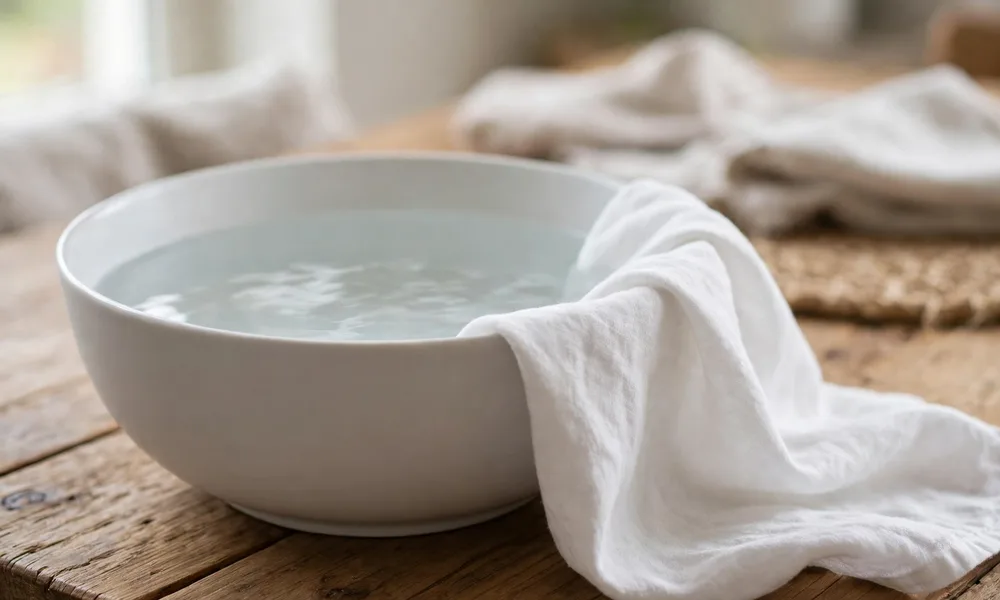
Evenings are the barrier's best time to rest. Wash gently with lukewarm water, pat the skin dry, and smooth on a little plain cream before bed. The house is quiet, the air is cooler, and the skin has the whole night to hold its moisture without wind, sun or soap in the way.
Keep the bedroom air comfortable, not too dry, and change the pillowcase often, because a clean, soft pillowcase is kinder to the face than a rough, dusty one.
When to See a Doctor
Gentle care has limits, and it is important to know them. If the skin is cracked, bleeding, blistered or weeping, or if redness, itching or pain lasts more than a couple of weeks despite gentle care, see a doctor or dermatologist. The same applies to spreading rashes, swelling, or any skin change that worries you.
This guide is general information only, not medical advice, and it cannot diagnose or treat any skin condition.
What Water Will Not Do
Be honest about what water can and cannot do. Water will not cure eczema, acne, psoriasis or any skin disease, and no amount of drinking or washing will repair a damaged barrier overnight. Water is comfort and care, not a treatment, and its value is the gentle routine around it.
The same honesty applies to creams and routines: a plain cream can seal in moisture, but it cannot heal a medical condition. If gentle care is not enough after a few weeks, the answer is a professional, not a stronger product or a special water.
| Gentle habit | Water use | Barrier care |
|---|---|---|
| Wash lukewarm water | Short rinse only | Pat dry softly |
| Cream on damp | Sip water slowly | Plain cream only |
| Skip harsh scrubs | Lukewarm water first | Soft towel only |
| Rest at night | Glass by bed | Clean pillowcase |
Your Skin Barrier Gentle Repair Checklist
- Wash with lukewarm water only, short and gentle, never hot.
- Pat the skin dry with a soft towel, never rub it hard.
- Smooth plain fragrance-free cream onto slightly damp skin each morning and night.
- Skip scrubs, strong acids and scented soaps while the barrier recovers.
- Sip plain water slowly through the day and keep a glass nearby.
- See a doctor or dermatologist if redness, itching or pain lasts more than two weeks.
Frequently Asked Questions
What is the skin barrier?
The skin barrier is the outermost layer of skin, a thin wall of skin cells held together by natural oils. It keeps moisture inside the skin and keeps dust, germs and harsh chemicals outside, like bricks held together with mortar.
Can plain water repair the skin barrier?
Plain lukewarm water supports the barrier by cleaning gently without stripping its natural oils, and drinking water slowly keeps the body hydrated. Water helps the barrier recover, but it is not a treatment and cannot cure a skin condition.
Is hot water bad for the skin barrier?
Hot water can weaken the barrier because it melts the natural oils between skin cells and leaves the skin tighter and drier. Lukewarm water and short washes are kinder, and the skin should be patted dry afterwards.
Should I use soap while my barrier recovers?
Use as little soap as possible, and only a mild, fragrance-free cleanser where the skin truly needs it. Most days plain lukewarm water is enough, and harsh or scented soaps should be skipped until the skin feels comfortable again.
How long does barrier repair take?
A tired barrier usually recovers slowly, over days and weeks of gentle care, not overnight. Keep the routine simple and steady, and if the skin is not improving after a few weeks, see a doctor or dermatologist.
When should I see a dermatologist?
See a dermatologist if the skin is cracked, bleeding, blistered or weeping, or if redness, itching or pain lasts more than a couple of weeks. Spreading rashes, swelling, or any skin change that worries you also deserve professional care.
The Bottom Line
The skin barrier is a thin, quiet wall, and plain lukewarm water, used gently, is its best friend.
Wash softly tonight, cream gently, and let the barrier rest.
A Note for Gentle Skin Days
Keep it lukewarm, keep it plain, keep it gentle. The calm hours can still belong to your skin.