
Rough hands announce themselves at the worst moments. You reach for a silk scarf and a fingertip catches on the weave, or you shake a friend's hand and feel the dry skin on your own palm. It is not painful, and it is not serious, yet it can make you feel a little less polished than you would like.
The cause is usually ordinary life. Hands are washed many times a day, they handle soap, dishes, soil, and cold air, and they carry all of that work without complaint. Over time the skin grows dry and a little thick, and the knuckles feel tight after every wash.
What follows is a simple softening ritual built around water: gentle washing, lukewarm water, a soft towel, and plain cream while the hands are still damp. It is gentle general information only, never medical advice, and it promises no cure.
Key Takeaways
- Rough hands come from frequent washing, work, soap, and weather.
- Lukewarm water cleans hands without stripping them the way hot water does.
- Cream works best on skin that is still slightly damp after washing.
- Rough hands differ from dry winter hands, older hands, and gardening hands.
- If a hand problem stays or worsens, speak to a doctor, not a ritual.
What Rough Hands Are
Rough hands are hands whose skin has grown dry, thickened, and a little uneven to the touch. The knuckles may look pale or greyish, the fingertips may catch on fabric, and the palms may feel papery after washing. The skin is not broken, and it is not infected; it is simply tired from too much washing and too little moisture.
Why Hands Turn Rough
Hands turn rough because every wash takes a little of the skin's natural oils away. Soap lifts dirt, but it also lifts the thin layer that keeps moisture in, and hot water does this faster than lukewarm water. Washing many times a day, as cooks, cleaners, gardeners, and parents all do, adds up quickly.
A Simple Softening Ritual
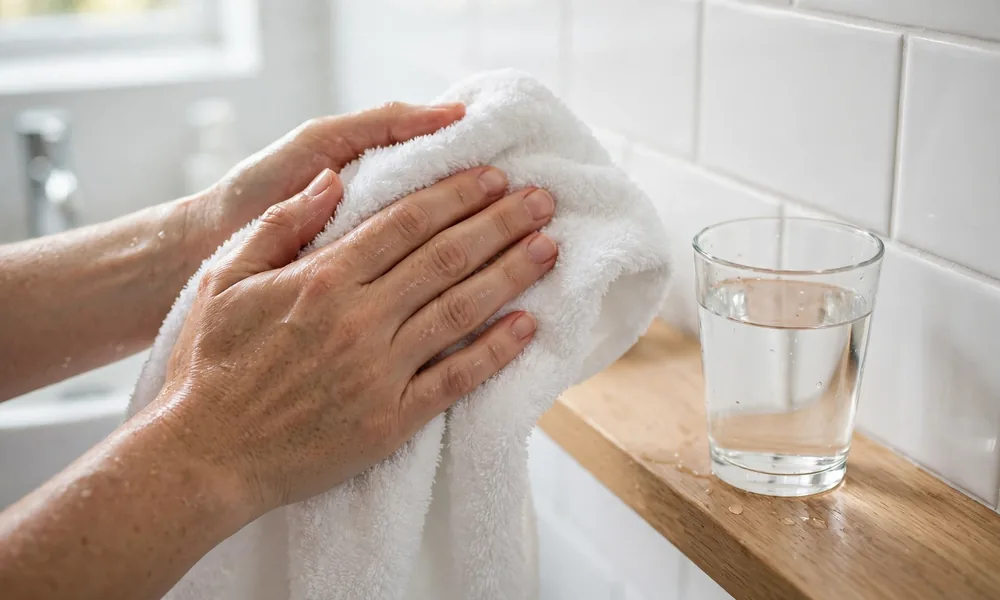
The ritual itself is short, and it fits into an ordinary day without any new equipment. In the morning, wash the hands in lukewarm water with a little plain soap, pat them dry with a soft towel, and smooth plain cream over the backs and knuckles while the skin is still slightly damp. That dampness is the secret: cream on damp skin holds softness in far better than cream on bone-dry skin.
Washing Rough Hands Gently
Washing is the step most people rush, and it is the step that matters most. Use lukewarm water, never hot, and let it run over the hands for a few seconds before adding soap. Choose a plain, mild soap, work it gently over the palms and backs, and rinse it away fully, since soap left on the skin keeps drying it long after the tap is off.
Keep the wash short. A long soak in hot water feels comforting, but it strips more oil than a quick gentle wash, and it leaves the hands drier than before. Wash when the hands are dirty, not out of habit, and skip the strong antibacterial soaps unless a doctor has asked you to use one.

Water Temperature for Rough Hands
Temperature is the quiet hero of this ritual. Lukewarm water, the kind that feels neither warm nor cool on the wrist, cleans well without shocking the skin. Hot water feels good on a cold morning, yet it is the fastest way to dry hands out, and cold water alone does not lift grease or dirt properly.
Rough Hands at a Glance
| Lukewarm water | Gentle wash | Cream on damp skin |
|---|---|---|
| Wrist test, not hot | Plain soap, short wash | Backs, knuckles, fingertips |
| Morning, evening, after washes | Rinse soap away fully | Small tube nearby |
| Soft towel, pat dry | Gloves for dishes, soil | Doctor for lasting trouble |

Rough Hands and Dry Hands in Winter
Winter dry hands and rough hands share a cause, but they are not the same problem. Water for dry hands in winter describes a seasonal guide, built for cold months, when frost and indoor heating leave the knuckles tight after every wash.
Rough hands, by contrast, can appear in any season. They come from washing, work, and soap all year round, not only from cold air, and the softening ritual here is meant for every month, not only for winter. One guide is seasonal; the other is a year-round habit.
Rough Hands and Older Hands
Older hands deserve their own gentle care, and they are not the same as rough hands. Water and older hands describes hands that have grown thinner and drier with the years, hands that have cooked a thousand meals and held a thousand letters, and asks for a slower, softer touch.
Rough hands can belong to anyone of any age, and the cause is usually work and washing rather than the passing of years. The ritual here is quicker and more practical: wash gently, pat dry, cream while damp, and repeat after every wash. One guide honours a long life; the other fixes a working pair of hands.
Rough Hands and Gardening Hands
Gardening hands and rough hands are close cousins, yet they ask for different care. Gardening leaves soil under the nails, small scratches from stems, and a particular kind of grime that needs a good wash, and gloves are the best protection before the work begins.
Rough hands from ordinary life need less drama: no soil, no thorns, just too much soap and water and too little cream. Gloves still help, for dishes and cleaning as well as for soil, but the heart of this ritual is the wash itself, lukewarm and short, with cream while the skin is still damp.
Rough Hands and Rough Elbows
Rough elbows and rough hands share a word, but they live in different places and need different care. Water and rough elbows describes dry, greyish patches on the elbows, skin that thickens where the arms rest on desks and tables, and a softening ritual built for that one spot.
Hands are washed many times a day, while elbows are barely washed at all, so the two problems have opposite causes. Elbows need warmth and moisture on skin that is rarely cleaned; hands need gentler washing on skin that is cleaned too often. One ritual softens a resting place; the other softens a working pair.

Keeping Hands Soft Through the Day
Softness lasts only if the day supports it, and a few small habits do most of that work. Wear gloves for washing dishes, for cleaning, and for gardening, and keep a pair by the sink so you reach for them without thinking. Choose a plain cream without strong scent, and keep a tube at the sink, one at work, and one by the bed. At night, smooth on a thicker layer of cream before bed, and slip on soft cotton gloves if the hands feel very dry. The gloves hold the cream close through the night, and by morning the skin often feels calmer and less tight.
Gentle Care Around Water
These gentle water ideas are soft, and most people can follow them, though a little attention helps. Rinse glasses and jugs before filling, wipe the cream tube's lid before it meets the skin, and pour fresh water instead of using a jug that has sat out since yesterday.
Keep in mind that water brings comfort, not healing. It will not fix a hand problem, and it cannot stand in for a doctor's advice, so never call it a remedy. When hands crack, bleed, swell, or ache for more than a few days, the wisest step is a calm seat, a glass of water, and a call to your doctor.
Your Softening Checklist
- Wash in lukewarm water, tested first on the inside of your wrist.
- Use plain mild soap, rinse it away fully, and keep the wash short.
- Pat hands dry with a soft towel instead of rubbing them hard.
- Smooth plain cream over backs and knuckles while skin is still damp.
- Wear gloves for dishes, cleaning, and gardening work.
- When a hand problem stays or worsens, call a doctor, not a ritual.
Frequently Asked Questions
What are rough hands?
Rough hands are hands whose skin has grown dry, thickened, and uneven to the touch, usually from frequent washing, soap, work, and weather. The knuckles may look pale, the fingertips may catch on fabric, and the palms may feel papery after washing.
How is this different from dry hands in winter?
Winter dry hands come mainly from cold air and indoor heating in the cold months, and the guide for them is seasonal. Rough hands can appear in any season, from washing and work all year round, and this softening ritual is meant for every month.
How often should I use cream on rough hands?
Use cream after every wash, while the skin is still slightly damp, and again in the morning and before bed. A small tube kept by the sink makes this easy, and a second thin layer helps when the hands still feel tight.
Should I soak rough hands in water?
No, long soaks do more harm than good, since hot or lengthy soaking strips the skin's natural oils and leaves the hands drier than before. A short, gentle wash in lukewarm water, followed by cream on damp skin, does far more.
Do I need gloves for rough hands?
Gloves help a great deal for dishes, cleaning, and gardening, since they keep soap, soil, and strong products off the skin. Soft cotton gloves at night, over a layer of cream, can also help, but they are optional rather than essential.
When should I see a doctor about rough hands?
See a doctor when the hands crack, bleed, swell, or stay sore for more than a few days, or when the roughness spreads or does not improve with gentle care. A doctor can look at the skin properly, and a ritual cannot replace that.
The Bottom Line
Water and rough hands make a simple pair: a short lukewarm wash, a soft towel, and plain cream on skin still damp, repeated after every wash, for hands that feel comfortable again.
A Note for Softer Hands
Let the water stay lukewarm and the cream stay close by. One gentle wash, one soft towel, and a little patience are all rough hands need.


