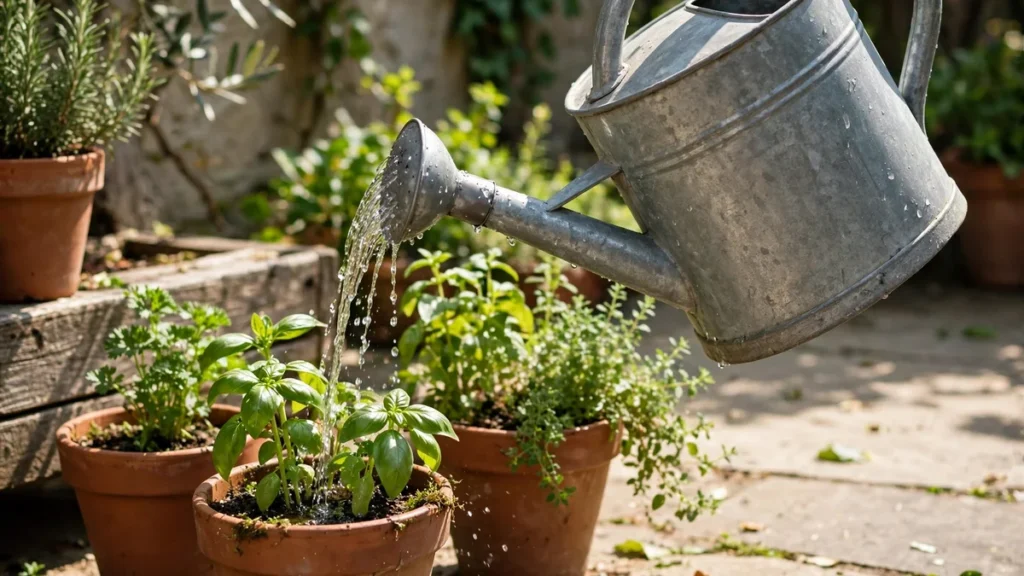
Every roof catches rain, and most roofs throw it away, the water running down the pipe and into the drain before anyone has thought about it. A rain barrel interrupts that waste with almost no effort. It stands under the downpipe, fills itself while it rains, and waits by the garden until the next dry spell. There is nothing clever about it, and that is the charm.
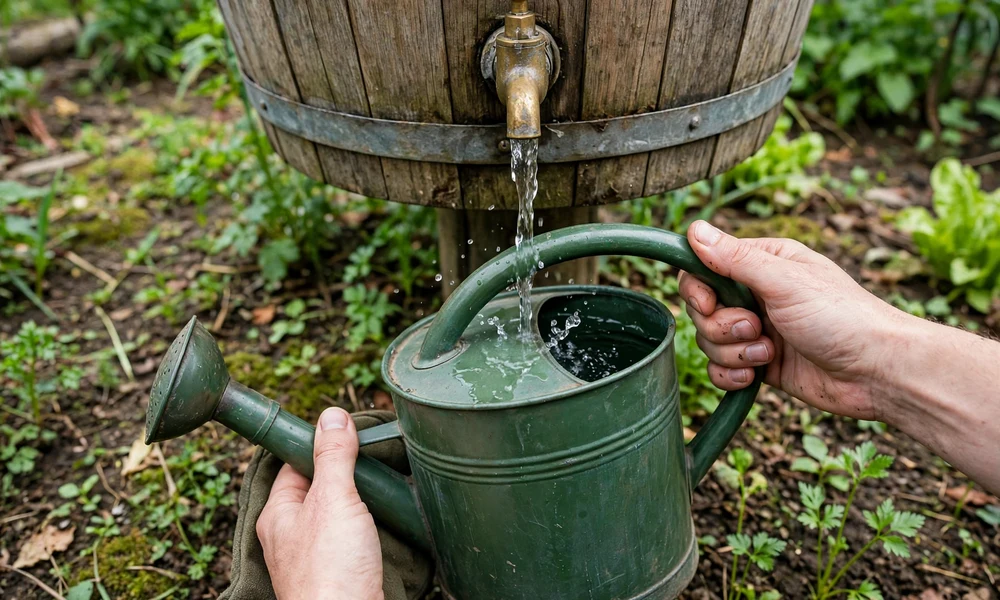
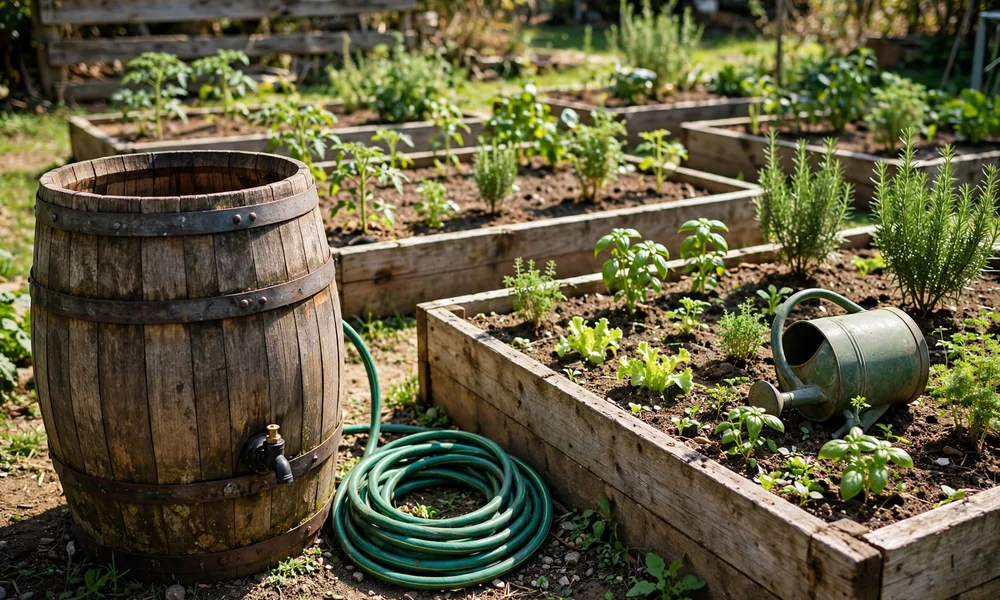
A barrel changes how a garden is watered. Instead of turning on the tap, you walk out with a can, open the tap at the bottom of the barrel, and carry the rain back to the beds. The water is soft and free, and it arrives without a hose trailing across the lawn. Plants take to it well: check the level, fill the can, water the beds, and let the next shower refill the barrel.
This guide covers the whole simple setup: what a rain barrel is, where to put one, how to keep it clean, and what the water inside is for. Read it as gentle general information only, never as medical advice. One rule runs through every page: rainwater from a barrel is never for drinking, and never for skin. If a health worry lingers, ask a doctor, and patch-test anything new first.
Key Takeaways
- A rain barrel catches roof water under a downpipe for garden use.
- It saves tap water, and rainwater suits plants and soil well.
- Barrel water is never for drinking, and never for skin.
- A mesh cover, a tap near the base, and a lid keep it clean.
- Check the level often, empty it before frost, and see a doctor for health worries.
What a Rain Barrel Is
A rain barrel is a container, usually wood or sturdy plastic, that sits beneath a downpipe and stores roof rain. A short pipe or diverter carries the water from the gutter into the top of the barrel, and a tap near the bottom lets it out again. Most barrels hold between one hundred and two hundred litres, enough for several watering cans.
Households have caught roof water in barrels for centuries, long before anyone sold a kit for it. Modern barrels add a lid, a mesh screen and a tap, but the shape has barely changed: a round tub on a flat base, waiting for rain.
Why a Rain Barrel Fits a Garden
Gardens are thirsty in exactly the weeks when rain is scarce, and a barrel bridges that gap. A single heavy shower can fill a two-hundred-litre barrel from an ordinary roof, and that water carries the beds through a dry week. The tap water stays off, the bill stays low, and the garden gets water that fell from the sky a few days earlier.
Rainwater suits plants because it is soft, without the lime and chlorine tap water carries. Seedlings, herbs and pots all take to it, and the soil stays looser under rainwater. A barrel also keeps the garden independent when a hosepipe ban arrives.
Water and a Rain Barrel, Step by Step
Start with the downpipe nearest the beds, and cut in a diverter that sends water into the barrel, overflowing back to the drain once it is full. Set the barrel on a level base of slabs or bricks, high enough for a watering can to fit under the tap.
Wait for rain and watch the level rise; when the barrel is full, the diverter sends the extra water on its way. To water, open the tap, fill the can, and carry it to the beds, then close the tap and let the next shower do the rest.
Rain Barrels and Rainwater Home Rituals
Rainwater-inspired rituals for a calmer home takes its cue from rain — the slow pace, the soft sound, the pale light — and builds tiny home habits around a bare shelf and a glass of water. No rain is collected for it at all. The rain is only an inspiration, a sound and a pace to copy indoors, and every drop in the guide comes from the tap.
A rain barrel does the opposite: it collects real rainwater, stores it outside, and spends it on the garden. The rainwater post keeps rain as a mood; this guide keeps rain as a resource.
Rain Barrels and Rainy Days
Water and rainy days: a simple fresh ritual walks through one wet day from first light to bedtime: fresh tap water to sip, a warm mug to hold, a window cracked open for a breath of air, and a neat room to rest in. The rain in that guide stays outside on the window and the leaves, while the water you drink stays clean and plain from the tap.
A rain barrel belongs to the same weather but a different job: it follows a season, filling in the wet weeks and emptying in the dry ones. The rainy-day guide is a ritual for one day indoors; this guide is a tool for the garden outdoors.
Rain Barrels and Rainy Evenings
Water and a rainy evening: a simple calm ritual follows a single wet evening at home: coming in out of the rain, drinking clean water slowly, holding a warm drink, washing gently, eating lightly, and resting in a quiet chair. It is a short, gentle order for one evening, and the rain is a sound on the glass.
A rain barrel has nothing to do with evenings: it fills in the dark while no one watches, and it is used in the morning when the beds need water. The rainy-evening guide is a ritual for rest; this guide is a routine for watering.

Rain Barrel at a Glance
| Wood or plastic | Under a downpipe | Garden water only |
|---|---|---|
| 100 to 200 litres | Near the beds | Never for drinking |
| Tap near base | Level slab base | Never for skin |
| Mesh cover, lid | Fill, water, repeat | Keep it covered |
Rain Barrels Among the Other Waters in This Batch
Five water guides share this batch, and each one keeps to its own water. A swimming pool is a large body of clean water for swimming in, outdoors and open, while a rain barrel is a closed store of untreated rain for the garden. An aquarium is a glass tank indoors where fish live, and its water is tended for them, while barrel water is tipped onto soil. A soup pot simmers on the stove for a meal, and a watering can carries water to plants — the can is the barrel's partner, not its rival, since the can is filled from the barrel's tap.
The stones in this batch keep their distance: afghanite is a soft blue for calm days, vivianite is a deep blue that fades in strong light, enhydro quartz is clear and holds tiny pockets of ancient water, faden quartz is clear with a white thread through it, and beryllonite is a clear white crystal for bright days.
Choosing and Placing a Barrel
Pick a barrel that suits its corner. Wood looks kindest against a house wall, while plastic is lighter and easier to move, and both hold the same rain. Check that the tap sits near the base, that the lid fits tightly, and that the barrel stands level without rocking.
Place it where the downpipe meets the garden, on slabs or bricks that keep it off the soil. Leave room to slide a watering can under the tap, and keep the barrel out of the path so no one knocks it in the dark.
Keeping a Barrel Clean and Safe
A barrel stays clean when it stays covered. Fit a fine mesh over the opening to keep leaves and insects out, and keep the lid on between showers. Scoop out leaves that slip through, and scrub the inside with a stiff brush and plain water once or twice a year.
Watch for mosquitoes in warm weeks, and empty the barrel if the water turns green or smells stale. Before the first frost, drain it completely and leave the tap open, so ice cannot crack the sides.
What Barrel Water Is For — and What It Is Not
Barrel water is for the garden, and for nothing else. Water the beds, pots, herbs and lawn with it, and rinse muddy boots or tools in it. It is soft and free, and plants grow well on it.
It is never for drinking, and never for skin. Roof and barrel rain can hold dirt, bird droppings and germs you cannot see, and no home filter makes it safe to swallow or to wash with. Drink and wash with clean tap water only, and let the barrel serve the garden. If a health worry lingers, ask a doctor rather than testing the water on yourself.
Your Rain Barrel Checklist
- Set the barrel level on slabs under the downpipe, with room for a can beneath the tap.
- Fit a fine mesh over the opening and keep the lid on between showers.
- Fill the can from the tap and water the beds, the pots and the herbs.
- Scoop out leaves, scrub the inside twice a year, and drain it before frost.
- Use barrel water for the garden only — never to drink, and never on skin.
- Patch-test anything new on a small area first, and ask a doctor about health worries.
Frequently Asked Questions
What does a rain barrel do?
A rain barrel sits under a downpipe, catches roof rain, and stores it so you can water the garden with a can instead of turning on the tap.
Can I drink water from a rain barrel?
No, never. Roof and barrel rain can carry dirt, bird droppings and germs you cannot see, so never swallow it and never wash your face with it. Clean tap water is the only water to drink.
How much water does a barrel hold?
Most barrels hold between one hundred and two hundred litres, filling several watering cans and carrying a small garden through a dry week.
Where should a rain barrel stand?
Under the downpipe nearest the beds, on level slabs or bricks, with room to slide a watering can under the tap and out of the path.
How do I keep a rain barrel clean?
Keep a fine mesh over the opening and the lid on, scoop out leaves, scrub the inside twice a year, and drain it fully before the first frost.
Is a rain barrel the same as a rainwater ritual?
No. A rainwater ritual borrows the mood of rain for calm habits indoors, using clean tap water, while a rain barrel collects real rainwater outdoors and spends it on the garden.
The Bottom Line
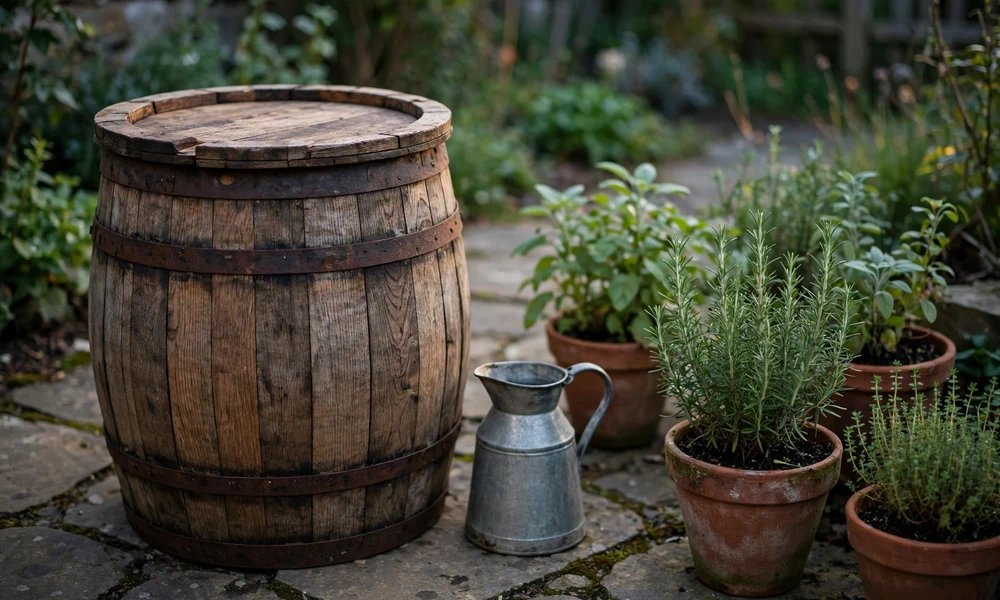
A barrel under the pipe, a can under the tap, and the garden watered with rain — that is the whole guide.
A Note for Rainy Days
Let the roof do the work, let the barrel do the waiting, and let the garden drink the rain.