Some days arrive too full to hold in your head. A plan changes at noon, a worry follows you into the evening, and by night the morning is a blur. A diary gives those days somewhere to go: a plain book that keeps your words until you want them again, asking for nothing more than a few minutes and a pen.
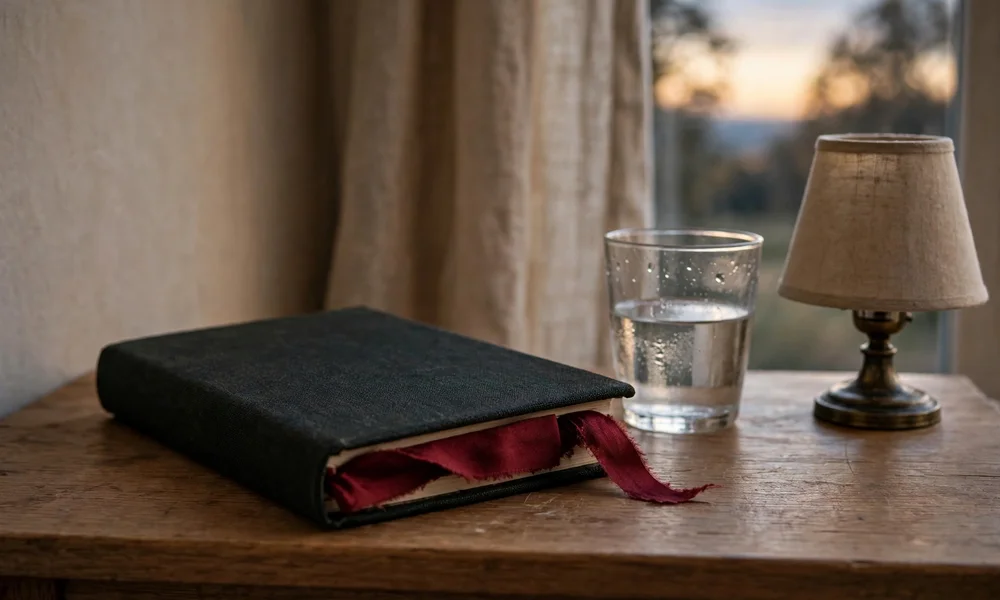
Water belongs beside the diary, not inside it. A glass of fresh water marks the start: you sit down, drink slowly, and then write. It is there to sip while the pen moves, never to mix with anything or pour on the pages.
This guide shows how to start a diary from nothing: how to pick a book you will actually open, how to write a first page without freezing, and how to keep the habit small enough to last. It is gentle general information only, and a diary will not heal anything on its own.
Key Takeaways
- A diary is a private book for your own words, kept at home and written for yourself alone.
- A glass of fresh water beside the diary marks the start of the habit.
- Five minutes and a few plain lines are enough to begin; long entries can wait.
- The diary stays dry, the glass stays beside it, and the two never mix.
- A diary will not heal anything; it is not a cure or a treatment.
What a Diary Is
A diary is a book you write in for yourself, one day at a time. It can hold plans, small worries, things you noticed on a walk, or a sentence you do not want to forget. Nobody else needs to read it, and the pages belong to the person holding the pen. That privacy is the whole point.
A diary is not a letter, not a list, and not a report. Letters go to other people, lists get finished and thrown away, and reports are written to be checked. A diary stays where you left it, and a month later its pages give the past back in your own handwriting.
Diaries come in every shape, and the shape does not matter: what matters is that the book is yours and opens flat.
Why Water Belongs Beside a Diary
A glass of water does two quiet jobs at the desk. First, it slows you down: one slow sip gives your thoughts a moment to settle before a blank page. Second, it marks the habit. When the glass appears each evening, your hands already know what comes next.
Keep the glass a hand-span from the book, away from your writing arm, so a knock cannot reach the pages. A wide, steady tumbler beats a tall thin one. Sip slowly while you write, and never set the glass on the diary: wet pages stick, ink runs, and a week of writing can be lost to one splash.
Choosing a Diary You Will Open
Choose a diary the way you would choose a pair of shoes: it has to fit your life, not someone else's idea of it. A book that is too grand will sit untouched on a shelf, because opening it feels like an occasion. A plain book with paper you like is easier to reach for.
Look at the paper first: it should take your pen without bleeding through, and any lines should be faint enough to ignore. Cream paper is kinder in lamplight than bright white, a ribbon marker finds yesterday's page, and an elastic band keeps the book shut in a bag.
Size matters more than looks. A pocket diary travels well but cramps long entries; a large desk diary invites them but never leaves the house. Buy the plain one you like holding, not the expensive one you fear to spoil.

Setting Up Your First Page
A first page freezes more diaries than any other problem, so make it easy: the date at the top, then one line about today. The first page is not a test, and nobody will mark it.
Give the diary a home before you write in it: a drawer, a bedside table, or one end of a desk, the same place every day. Keep the pen beside the book, not elsewhere in the house, because a habit that needs a search will not survive a tired evening.
Privacy is part of the setup. If you share your home, say plainly that the diary is private, or keep it in a drawer that is yours alone. A diary you trust to stay unread is one you will write in honestly, and honesty is what makes the pages worth keeping.
A Simple Five-Minute Start
Five minutes is enough. Write until the water glass is half empty, then stop: a short entry you finish beats a long one you abandon, and five minutes fits into almost any day.
Begin with three short lines if the page feels wide and empty: one about today, one about something you noticed, and one about how you feel right now. Short lines still catch the shape of a day, and when they are done you may stop, or keep going if the words are flowing. Some days give one line, and that still counts.
Water and a Diary at a Glance
| One quiet page | Glass beside book | Pen within reach |
|---|---|---|
| Five calm minutes | Diary stays home | Words stay private |
| Close the cover | Wash the glass | Begin again tomorrow |
Water and Journaling
For the timed morning version, see the morning journaling guide.
That guide is a morning habit with a clock on it: ten minutes, three lines, water drunk before the pen moves. This guide follows the book past the morning, through evenings and weeks, to the shelf where finished volumes stand. One pairs water with a notebook for the first minutes of the day; the other pairs it with a diary for the whole life of the book.
Water and a Thank-You Note
For a short note written to someone else, see the thank-you note guide.
A thank-you note is a few kind lines sent away, finished the moment it leaves your hand. A diary is the opposite: written for yourself, kept at home, never finished, only added to. The note guide chooses warm words for someone else; this guide keeps honest words for yourself.
Water and a Candle Holder
For a calm evening setting, see the candle holder guide.
A candle holder sets light on the table where you write, and a small flame makes an evening feel unhurried. Light it, set the glass beside the diary, and write by that soft light for five minutes. That guide is about the light; this one is about the words under it.
A Diary and a Postcard: Not the Same Thing
A diary and a postcard both hold words on paper, and that is where the likeness ends. Stated plainly: a diary is private writing kept at home, while a postcard is a short message sent away to someone else.
A diary never leaves the house unless you carry it, and its pages are for your eyes only. A postcard is written to travel: a few lines, a stamp, and strangers' hands between you and the person it is for. One is a conversation with yourself; the other is a wave from far away.
Keep the two habits apart and both stay pleasant: long, honest thoughts in the diary, short, bright greetings on the postcard. Neither borrows from the other, and neither replaces the other.
Nine Neighbours in This Batch
Kept at home, the diary holds words no one else reads; sent away, the postcard carries a few lines to someone far off. Bound in cloth, the photo album keeps pictures in order; pasted by hand, the scrapbook keeps tickets and cuttings; shut with a lid, the memory box keeps small objects for later.
Among the stones, steel-grey molybdenite rests quietly on its tray, soft blue wardite brings a calmer colour, deep grey Tahitian pearl suits tender days, dark green olivenite suits calm ones, and soft pink dolomite waits to be known before it is bought. Beside all nine, the diary alone turns an evening into words.
Stones That Must Never Touch Water
Stones belong on a dry shelf while you write, well away from the glass. Pyrite, left damp, loses its shine and stains the cloth beneath it, so it stays dry. Angelite, once wet, turns milky and never quite clears, so keep it far from every cup. Amber, old tree resin grown hard, clouds after a soak and loses its glow.
Apatite softens and falls apart after time in water, and lepidolite carries lithium in its pale flakes, another reason to keep drinks away. None of these should come near a glass, a jug, or a bowl, and no stone belongs in drinking water. Admire them beside the glass, never within it.
Your Diary Checklist
- Pick a plain diary that opens flat and feels pleasant to hold.
- Set a steady glass of fresh water a hand-span from the book.
- Write the date, then three short lines about today.
- Close the diary, wash the glass, and put the pen beside the book.
- Keep the diary in one private place, and keep it dry.
- If low mood or worry feels constant week after week, speak to a doctor, because a diary is a habit, not a treatment.

Frequently Asked Questions
How do I start a diary if I hate blank pages?
Write the date and one plain line about today, then stop. A page holding one sentence already feels smaller, and tomorrow it will not look empty.
How long should a diary entry be?
Five minutes and three short lines are enough. Some days give you a page and some days one line, and both count.
Should I write in my diary every day?
Every day is a fine aim, but a missed day is not a failure. Open the diary the next evening and carry on.
Can I write in my diary at night instead of the morning?
Yes, evenings suit many people better, because the day is done and the house is quiet. Write for five minutes, then close the book.
What should I do if someone reads my diary?
Tell them plainly that it is private, and move it to a drawer of your own. A diary you trust to stay unread is one you will write in honestly.
Can I keep a diary on my phone instead of paper?
You can, and a phone note beats no diary at all. Paper still suits most people better, because it has no notifications.

The Bottom Line
A diary stays pleasant when it stays small: one plain book, one glass of water beside it, five minutes, and three short lines.
A Note for Quiet Pages
A glass of water, a pen on the page, and a few honest lines — that is the whole habit.