Concealer has a reputation for being tricky, the little tube people either love or give up on, dabbing too much in one spot and then wondering why it looks worse than the mark it was meant to hide. It does not have to feel that way.
Taken slowly, with water woven through it, concealer turns into an ordinary calm habit. Clean skin first, then a whisper of moisturiser for the cover to rest on, then the concealer itself in the smallest possible amount, and the result reads as skin, not as makeup.
Here is that habit, step by step: water first, concealer next, and gentle care at the end of the day. Nothing here is medical advice, only general information. When skin keeps flaring up again and again, the person to see is a doctor, not the shelf with the strongest product on it.
Key Takeaways
- Start with water: clean, calm skin is what makes concealer look natural.
- Keep the water lukewarm, since water that is too hot leaves skin flushed.
- Cover one small mark at a time, with a dab no bigger than a rice grain.
- Try new concealer on a hidden patch first, and skip any skin that is broken.
- Wash it off at night, pat dry, and moisturise while skin is still damp.
What Water and Concealer Means
Water and concealer means letting water do its job at each stage, not only at the end. Your skin keeps a fine film of natural oil on it, and very hot water sweeps that film away in seconds, so skin feels tight before any cover goes on. A brief wash in lukewarm water cleans the surface and leaves that film mostly intact.
A dusty chalkboard takes chalk badly, and skin takes cover badly when it is dry and unwashed. Wash briefly in lukewarm water, dab the concealer on, and wash it off at night, and the three steps lean on each other; leave one out and the rest look worse.
Why Lukewarm Water Comes First
Test the water on your wrist: it should feel neither warm nor cool, just there. That in-between temperature suits skin that will wear cover. Water that is too hot brings a flush up and makes concealer settle in patches, while water that is too cold pulls the skin tight and fights the blending.
Cleanse with lukewarm water and a gentle cleanser, then press the skin dry with a towel. Afterwards it should feel clean and settled, neither pink nor wet, and leaving out this two-minute wash is the usual reason cover turns patchy before lunch.
Getting Ready Before Concealer
A good concealer starts before the tube is open. Let your skin settle after washing, skip heavy creams and oils on the day itself, because concealer cannot grip slippery skin, and lay out everything you need in one tidy row.
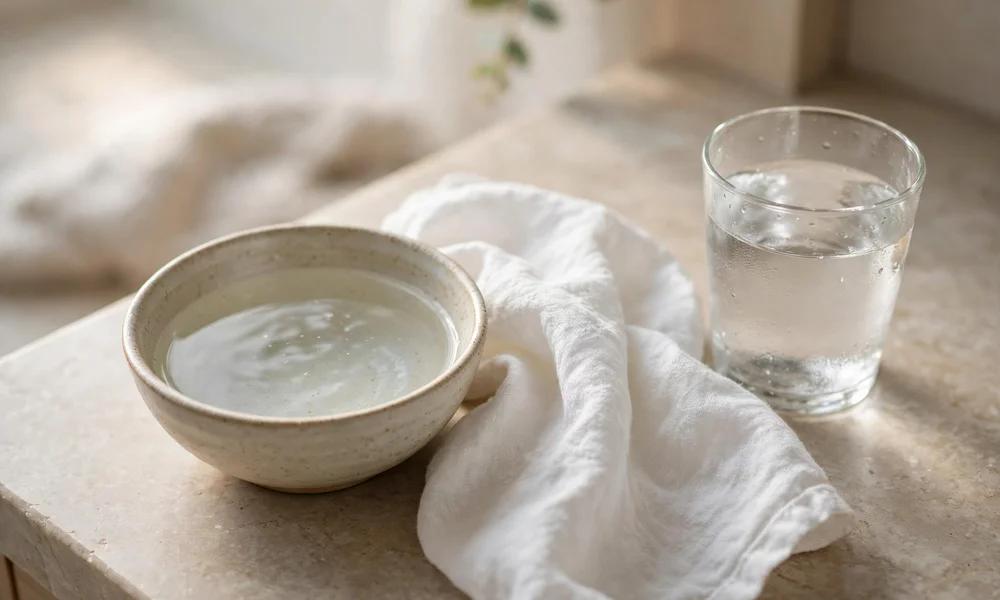
Lay the concealer, a clean sponge or brush, a bowl of lukewarm water, a soft towel and a drinking glass out in a row before you start. When nothing is missing mid-routine, you stop rushing, and unhurried concealer is the kind that looks like nothing at all.
Choosing Concealer and Tools
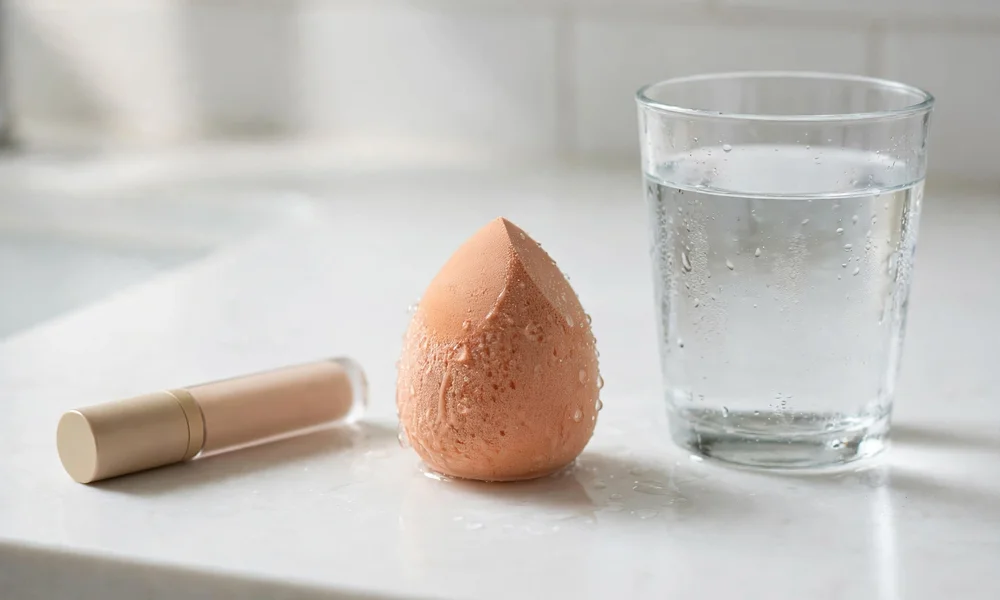
Concealer comes in a few broad kinds, and the choice is simpler than the shelves suggest. A liquid concealer spreads thin and suits most spots, while a stick concealer is firmer and suits a single dark mark. A cream concealer sits between the two, soft enough to blend and firm enough to stay put.
Pick a shade that matches your skin, not one far lighter, with a clean sponge or a soft brush. Test a tiny dab on your jawline in daylight: if it vanishes into the skin, it is right, and if it stands out as a pale patch, try a shade closer to your own.
Applying Concealer Slowly
Work in tiny dabs, one spot at a time, and never rush a spot to save time. Put a dot of concealer no bigger than a grain of rice on the mark, then tap it gently with a damp sponge, pressing rather than dragging. The edges should melt into the skin, with no hard line left around the covered spot.
Under the eyes, use even less, because the skin there is thin and a heavy layer creases fast. Thin layers carry a whole face through a long day, and the same gentle habits serve concealer well.
Rinsing and Cooling Down
When evening comes, take the concealer off with lukewarm water and a gentle cleanser, and give the water a full minute to run softly over your face. The cover lifts away on its own, and a soft cloth catches whatever is left. Dry the skin by pressing a towel to it, not by rubbing it back and forth.
A little pinkness after washing is ordinary and usually settles within an hour; a cool damp cloth resting on the cheek for a few minutes speeds that along. Leave hot showers and harsh soaps alone for the rest of the night and let the skin have its rest.
Aftercare and Moisture
Once the face is clean, spread a plain moisturiser with no scent over skin that is still a little damp, stroking lightly and pressing nothing. That comforts the skin and keeps its surface soft as it recovers from a day under cover. Scented lotions, acids and scrubs can wait until tomorrow, since covered skin is more open than usual by evening.
Sip water through the day in small amounts; skin that is looked after from the inside tends to show it.
Water and Concealer at a Glance
| Tiny dabs, blend | Lukewarm first | Cool rinse after |
|---|---|---|
| One spot, slow | Patch-test first | Plain moisturiser |
| Match your shade | Damp sponge, tap | No scrub, no sun |
| Looks like skin | Never on broken skin | Doctor if sore |
Concealer and Makeup That Lasts
Concealer and full makeup both use water, but they work at different scales, and the difference shapes the whole routine. Water and makeup for a lasting look covers the wider habit: clean skin, light moisture, thin layers of foundation, and a fine mist to finish, so the whole face lasts through a long day.
Concealer is the small, precise step inside that wider habit. Foundation evens the whole face, while concealer hides one mark at a time, and the two work best together. Use concealer first on the spots that need it, then a thin layer of foundation if you want it, and the result looks like skin, not layers. Blush comes later, a soft pink on the cheeks once the base is set.
Concealer and Refreshing Makeup
A fine mist of water can rescue concealer that has gone dry by afternoon, but it must be used lightly. How to refresh makeup with a fine water mist covers the mist habit: a light spray from a distance, never a splash, that helps powder and cover look like skin again.
Hold the mist well away from your face, close your eyes, and let a faint cloud settle. Then press gently with a clean sponge, never rubbing, and the concealer softens back into the skin. A heavy spray will move the cover and leave streaks, so less is always more with a mist.
Concealer and Freckles
Freckles are not a flaw to hide, and concealer should never be used to erase them entirely. Water and freckles as a simple care routine covers freckled skin with water: gentle washing, plain moisture, and sun care that keeps freckles calm and even.
If you do use concealer on freckled skin, use it only on a single spot that bothers you, such as a blemish, and leave the freckles themselves alone. A thin dab over the blemish, blended well, lets the freckles show through around it, and the face keeps its own pattern instead of looking painted over.

When to Ask a Doctor
A little redness after concealer is common and passes in a few hours, yet some signs call for a doctor instead of a home fix. Book one soon when redness, swelling or soreness hangs on past a day, when blisters or pus show up, or when the same product brings the same rash back every time.
Broken, sunburned or already sore skin should wear no concealer at all; a doctor can say how to look after it instead. Keep cover away from moles, warts and any patch a doctor has treated lately, and do not answer a bad reaction by reaching for a stronger product. One short appointment spares weeks of guessing.
Your Simple Concealer Checklist
- Cleanse with lukewarm water and a gentle cleanser first.
- Try the concealer on your jawline before anywhere else.
- Dab a tiny amount on, tapping softly with a damp sponge.
- Wash it off with lukewarm water and press dry.
- Moisturise with a plain cream while skin stays damp.
- Lasting redness or pain belongs with a doctor.
Frequently Asked Questions
Does concealer clog the skin?
It can if it is left on overnight or applied in a thick layer, because cover traps oil and dirt against the skin. Use tiny dabs, blend them thin, and wash the concealer away every evening with lukewarm water.
How do I choose the right concealer shade?
Match your skin, not a shade far lighter, and test a tiny dab on your jawline in daylight. If it vanishes into the skin, it is right, and if it stands out as a pale patch, try a shade closer to your own.
Can I use concealer on sensitive skin?
Yes, gently. Try it first on a small hidden patch and give it a full day, keep the water lukewarm and the products plain, and stop right away if that patch turns red, itchy or sore.
How often should I replace my concealer?
Most tubes last three to six months once opened, and a sponge should be washed after every use. Replace the tube sooner if it smells odd, feels dry, or starts to irritate skin that used to stay calm.
What should I put on my skin after concealer?
A plain moisturiser with no scent, spread over skin that is still a little damp, works best. Leave scented lotions, acids and scrubs aside for the day, and keep covered skin out of strong sun.
When should I see a doctor about concealer problems?
Book a doctor soon when redness, swelling or pain hangs on past a day, when blisters or pus show up, when the same concealer brings the same rash back, or when you put it on broken or sunburned skin.
The Bottom Line
Water first, then concealer in tiny dabs, then a gentle wash and plain moisture at night, and a doctor for anything that stays sore.
A Note for Fresh Mornings
Keep the water lukewarm, the dabs tiny, and the morning unhurried. A calm routine, a light cover, and clean skin at night are enough to care for your face well.