Makeup that looks fresh at nine in the morning can look tired by three in the afternoon. Foundation settles into fine lines, powder turns dry, and the morning glow fades into a flat, dull finish.
Water and makeup are partners in making it last. A little water at the right moment — clean skin, a light moisturiser, thin layers and a fine mist — helps makeup sit comfortably instead of sliding off.
This article is a gentle guide to water and makeup: how to make it last through a long day, from morning prep to the last touch-up, with simple steps and no harsh products.
Key Takeaways
- Water and makeup means using water well: clean skin, light moisture, thin layers and a fine mist.
- Makeup fades because skin makes oil, rooms dry the air, and thick layers crack and slide.
- Thin layers last longer than one heavy layer, so build colour slowly and blend well.
- A light mist of plain water or setting spray helps powder look like skin again.
- Touch-ups work best with blotting first, then a little powder, never a whole new face.
What Water and Makeup Means
In this article, water and makeup means the simple partnership between water and the products on your face. Water cleans the skin, softens it, and keeps makeup flexible, while makeup adds colour and cover on top. When the water part is done well, the makeup has far less work to do.
It does not mean wetting your face after makeup is on, or mixing water into every product. It means a clean, lightly moisturised base, thin layers in the right order, and a fine mist to finish. Each step is small, and together they carry the look through the day.
Why Makeup Fades Through the Day
Makeup fades for ordinary reasons, and none of them means you did anything wrong. Through the day, skin makes a little oil, and that oil slowly breaks down foundation and powder, especially around the nose and chin. Warm rooms and dry air pull moisture from the surface, so powder begins to look dry.
Touching your face speeds the process up, and so does a heavy first layer, which cracks as the skin moves. A look built in thin, flexible layers bends with the skin instead of breaking on it.
Start with Clean, Calm Skin
Makeup lasts longest on clean, calm skin. Wash your face with lukewarm water and a gentle cleanser, then pat the skin dry with a soft towel instead of rubbing. Lukewarm water is kind to the skin: very hot water strips its natural oils, and ice-cold water is a shock it does not need.
Wait a minute after washing before you apply anything else, so the skin can settle. A calm base holds makeup far better than a hurried one. The same gentle start runs through a five-minute glow routine for busy days, where a short routine leaves skin ready for the day.
Water First: Hydration Before Makeup
Before any colour goes on, the skin needs water. After cleansing, smooth on a light moisturiser while the skin is still slightly damp, and let it sink in for two or three minutes. Damp skin drinks moisture in, and a moisturised surface gives foundation something smooth to grip.
Choose a light moisturiser, not a heavy cream, and use a small amount: a pea-sized dab is enough for the whole face. Too much cream under makeup makes it slide, while too little leaves dry patches. Drink a glass of fresh water too, because hydrated skin starts from the inside as well.
Thin Layers Last Longer
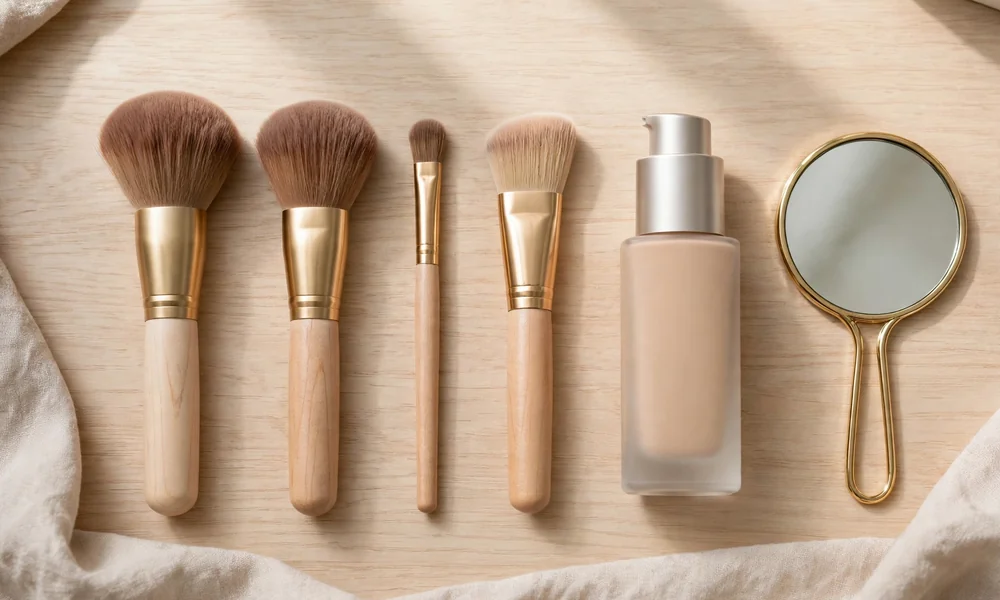
The single biggest secret of long-lasting makeup is thin layers. One heavy layer of foundation cracks, creases and slides, while two thin layers flex with the skin and stay put. Start with a small amount, and blend it well with a brush or a damp sponge.
Add a second thin layer only where you need more cover, such as around the nose or on a blemish, and blend the edges until they disappear. The same rule holds for blush and powder: a little at a time, blended well, always outlasts a single heavy sweep.
The Order That Holds
Makeup lasts when it goes on in the right order. Start with moisturiser, then a thin layer of foundation, then concealer only where it is needed, then a light dusting of powder on the places that shine first. Cream products go under powder products, never the other way round.
Let each layer settle for a minute before the next one goes on. Rushing the order mixes the layers into a muddy finish that fades fast. A slow routine takes five minutes longer in the morning and saves the look for hours.
Setting Makeup with a Light Mist
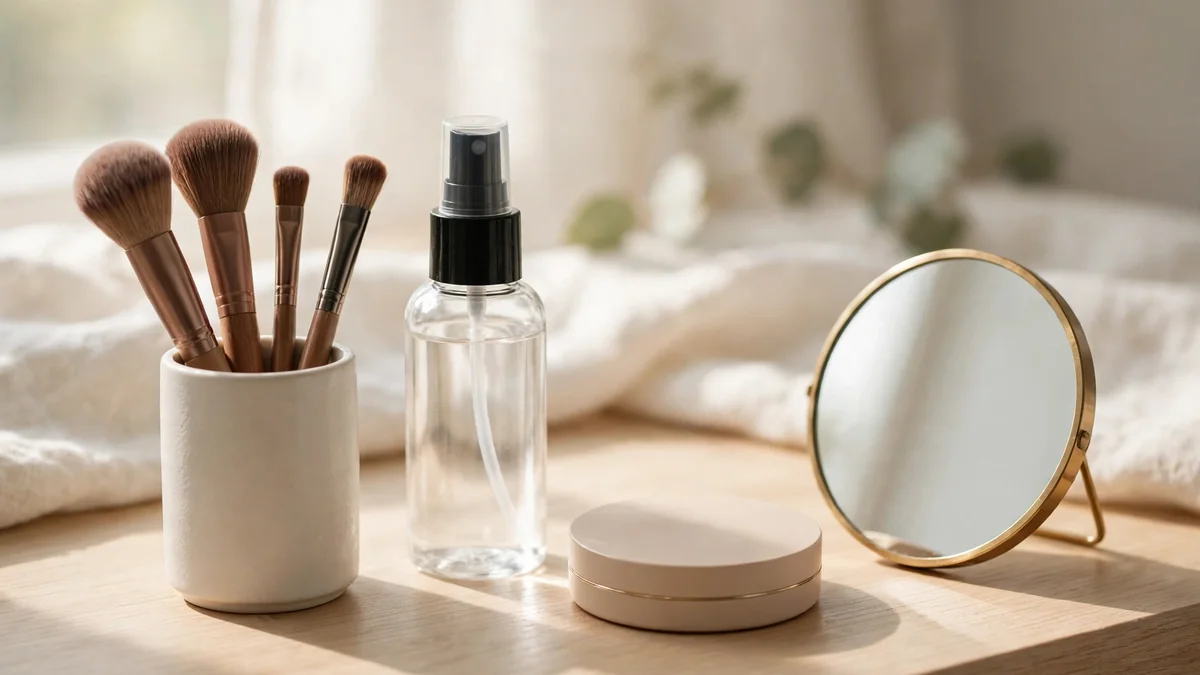
A fine mist is the gentlest way to set makeup and keep it looking like skin. Hold a bottle of plain water or a setting spray about twenty centimetres from your face, close your eyes, and use two or three light passes. Let the mist dry on its own: do not fan it, and do not touch your face while it dries.
The mist softens powder, melts the layers together, and takes away the dry, chalky look. It will not glue makeup in place forever, but it gives a fresh, skin-like finish that lasts longer than powder alone. Use plain water if your skin is sensitive, and keep the bottle clean.
Powder in the Right Places
Powder helps makeup last, but only where it is needed. Press a small amount of translucent powder onto the forehead, nose and chin — the places that shine first — with a soft brush or a clean puff. Press, do not sweep: pressing sets the powder into the foundation, while sweeping moves the foundation around.
Leave the cheeks and the outer face mostly free of powder, so the skin keeps a soft, natural glow. Too much powder all over the face looks dry by midday and cracks as the skin moves.
Eyes and Lips That Stay Put
Eyes and lips fade first, because they move the most. For eyes, start with a thin layer of a neutral base or a little powder on the lids, then apply colour in thin layers and blend well. Skip heavy cream shadows on warm days, and choose a soft pencil over a liquid line if your lids tend to crease.
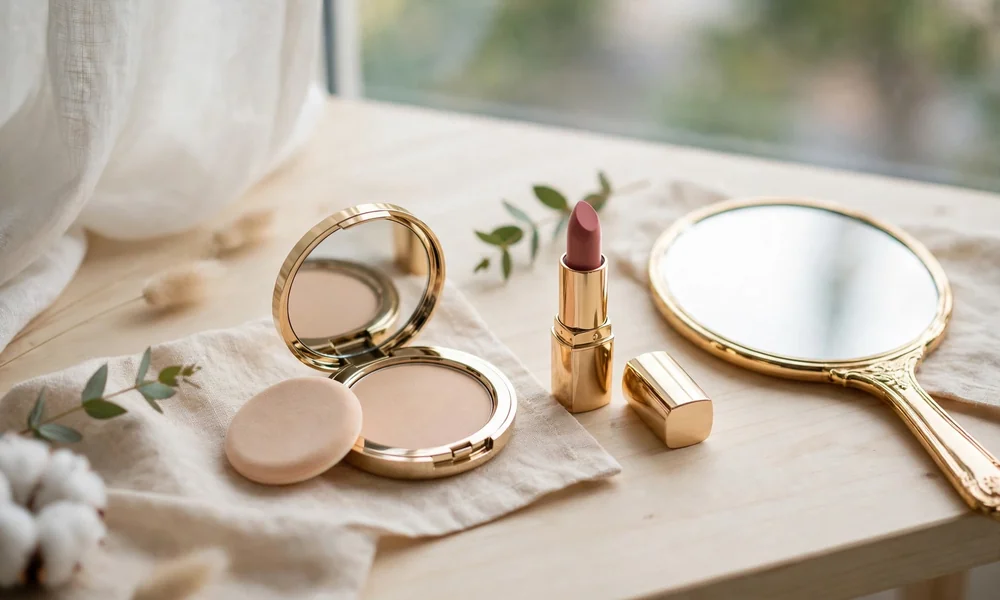
For lips, blot the first layer of colour with a tissue, then add a second thin layer. Blotting between layers removes the excess that would otherwise slide off. Soft, sheer colours last more gracefully than bold ones, as in opal shimmer soft light makeup for daytime, where the finish is sheer rather than heavy.
Touch-Ups Without Starting Over
By afternoon, most makeup needs a small touch-up, not a new face. Start by blotting away oil and shine with blotting paper or a clean tissue, pressing gently instead of rubbing. Blotting first is the key: adding powder over oil makes a heavy, patchy layer that fades fast.
Then press a little powder onto the shiny places, and add a touch of blush or lip colour if it has faded. A light mist over the top, as in how to refresh makeup with a fine water mist, softens the powder and brings back a fresh finish. Two minutes of touch-up beats ten minutes of repair.
What Water and Makeup Will Not Do
Be honest about what water and makeup can and cannot do. No routine will make makeup last forever, and no mist or powder will survive a very hot day, a long swim or hours of rubbing your face. Makeup is a thin layer on living skin, and it will change through the day.
Water will not fix makeup that is badly creased, smudged or worn away, and adding more product on top only makes it worse. If makeup keeps fading no matter what you try, the answer may be fewer products, lighter layers, or advice from a professional. Gentle habits work slowly and quietly, one thin layer at a time.
| Makeup step | Water helps | Lasts longer |
|---|---|---|
| Clean skin first | Lukewarm water wash | Calm smooth base |
| Moisturise lightly | Damp skin drinks | Smooth grip holds |
| Thin layers only | Mist sets powder | Flexible soft finish |
| Blot then touch | Blot oil first | Fresh light look |
Your Water and Makeup Checklist
- Wash with lukewarm water and pat dry, then wait a minute before anything else.
- Smooth on a light moisturiser while skin is still slightly damp, then let it sink in.
- Apply foundation in thin layers, blending well, and add cover only where needed.
- Press powder onto the forehead, nose and chin, and leave the cheeks mostly free.
- Finish with two or three light mist passes, held twenty centimetres away, and let it dry.
- Touch up by blotting first, then a little powder, never a whole new face.

Frequently Asked Questions
Should I wet my face after makeup is on?
No, not with a splash. A fine mist held twenty centimetres away is enough: two or three light passes, then let it dry on its own.
Does moisturiser really help makeup last?
Yes, when it is light and given time to sink in. A lightly moisturised surface gives foundation something smooth to grip, while dry skin drinks the moisture out of it and leaves it patchy.
Why does my foundation crack by afternoon?
Foundation usually cracks because the first layer was too thick, or because powder was swept over cream instead of pressed on top. Thin layers flex with the skin instead of breaking on it.
Can I use plain water as a setting mist?
Yes. Plain fresh water in a clean spray bottle works well as a light mist, and it suits sensitive skin. Keep the bottle clean and change the water often.
How do I stop my lipstick from fading?
Blot the first layer with a tissue, then add a second thin layer. Blotting removes the excess that would slide off, and the second layer sits on a drier base, so it stays put longer.
Is it bad to touch up makeup many times a day?
Touching up is fine if you blot first and add only a little powder. Adding layer after layer without blotting builds a heavy finish that fades faster than the makeup you started with.
The Bottom Line
Water and makeup last longest together: clean skin, light moisture, thin layers and a fine mist.
Start thin in the morning, and let the look carry itself through the day.
A Note for Long Days
Keep it light, keep it thin, keep the water close. A little care in the morning lasts all day.