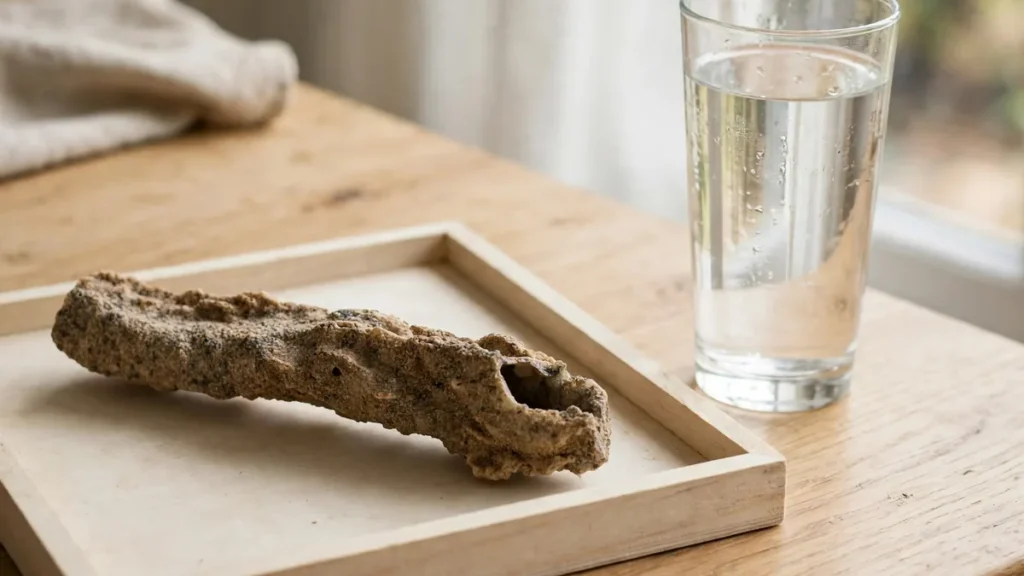
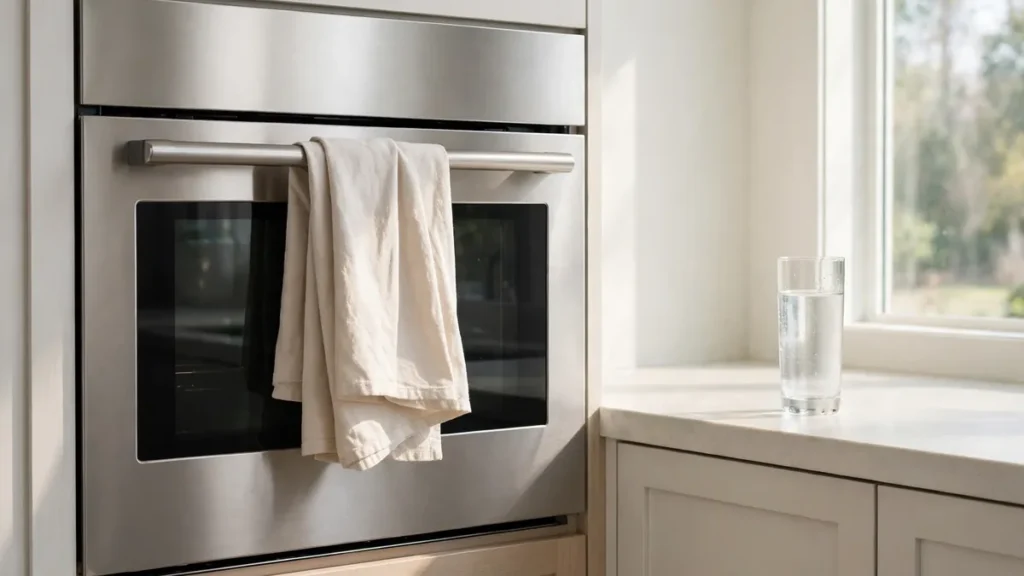
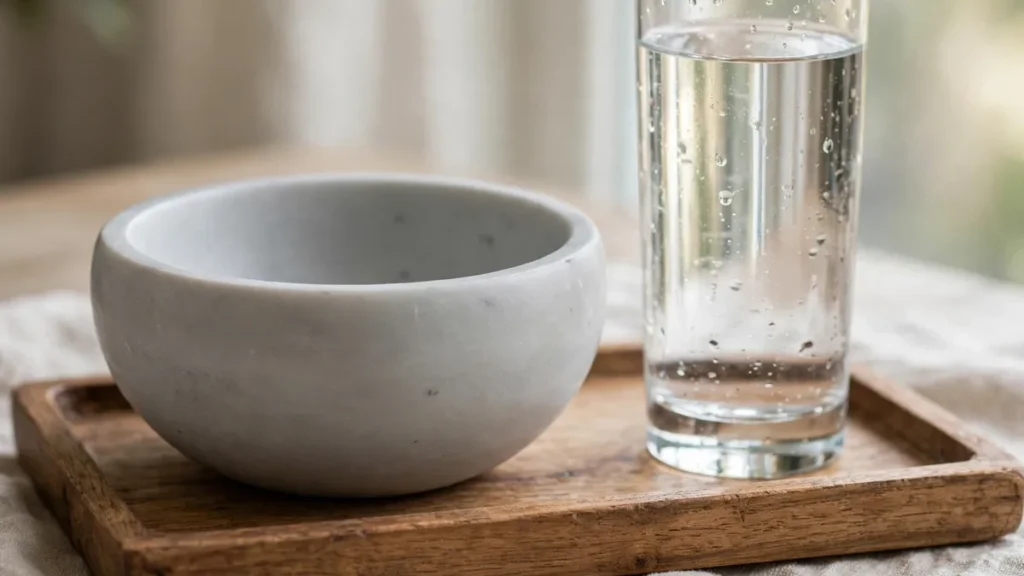
A clean home rarely needs a cupboard full of products. Most days, what a home needs is simpler: a jug of fresh water, a clean cloth, a few calm minutes, and a window opened to the air. Plain water, used gently and often, keeps a home fresh without fuss.
Water and a clean home go together because both are about freshness. A glass of water clears the morning, and a damp cloth clears the table. When the surfaces shine and the air moves through the rooms, the whole home feels lighter.
This guide explains simple water-based cleaning rituals for the whole home: plain water for surfaces, glass and floors, fresh air for every room, and a small weekly rhythm. It is gentle general information only, built on plain water, with no chemical-mixing advice and no medical or cure claims.
Key Takeaways
- Plain water, a clean cloth and a few calm minutes keep a home fresh.
- Water and a clean home go together: both are about simple freshness.
- Use plain water for surfaces, glass, mirrors and floors, room by room.
- Fresh air matters as much as wiping: open a window every day.
- This is a water-cleaning guide for the whole home, not a decluttering guide.
What a Simple Water Ritual Is
A simple water ritual is a short, calm cleaning habit built around plain water. It is not a deep clean, and it is not a race. You fill a small bowl or jug with fresh water, take a clean cloth, and wipe one surface slowly, from one side to the other. Then you rinse the cloth, wring it out, and move on to the next surface.
The ritual works because it is small. Ten calm minutes in the morning can keep a kitchen counter, a table and a windowsill clean all day. A home wiped slowly, with fresh water and a clean cloth, stays fresh for longer. The same gentle idea runs through water new home simple first week, where one glass of water a day helps a new home feel settled from the very first week.
Why Plain Water Cleans So Well
Plain water cleans well because most everyday dirt is water-soluble. Dust, crumbs, fingerprints and light marks are mostly water with a little colour or grease in them, so a damp cloth lifts them easily. Water softens what is dry and carries away what is loose.
Water is also gentle. It does not leave a smell or a film, and it is safe for most everyday surfaces when the cloth is well wrung out. Cool or lukewarm water is the right choice for most wiping, because hot water can leave marks on some surfaces. Start cool, work gently, and let the water do the work.
The Gentle Kit You Need
A gentle water-cleaning kit is small, and you probably own all of it already. You need a jug or a small bowl for fresh water, two or three clean cotton cloths, a spray bottle filled with plain water, and a mop with a cotton head for the floors. A bucket for floor water completes the kit.
Keep the kit together in one place, so the ritual never becomes a search. Wash the cloths often, and let them dry fully between uses. Change the water when it turns cloudy, and never carry dirty water from one room to the next.
A Simple Morning Water Round
A simple morning water round takes about ten minutes, and it follows the same path every day. Start in the kitchen: fill the jug, wipe the counter, then the table. Move to the living room and wipe the windowsill. Finish by opening a window for fresh air.
Work from the top down and from the cleanest room to the messiest, so you never carry dirt back over a clean surface. Rinse the cloth often, and change the water if it clouds. When the round is done, wash the cloth, hang it to dry, and put the jug away.

Plain Water for Surfaces
Plain water suits most everyday surfaces: wooden tables, kitchen counters, shelves and bedside tables. Dampen the cloth, wring it out well, and wipe in slow, even lines, following the grain of the wood where you can see it. A cloth that is too wet leaves puddles, so wring it until it is just damp.
For a sticky spot, lay the damp cloth over it for a minute and let the water soften it, then wipe gently. Never scrub hard while the surface is dry, which only pushes dirt deeper. Dry the surface with a second clean cloth if it stays wet.
Plain Water for Glass and Mirrors
Glass and mirrors love plain water, because water leaves no film behind. Fill the spray bottle with plain water, mist the glass lightly, and wipe with a clean, dry cloth in smooth, even strokes. Work from the top down, so drips fall onto glass you have not wiped yet.
For windows, wipe the inside first, then the outside if you can reach it safely. A cloudy day is the best time for windows, because bright sun dries the water too fast and leaves marks. If a mark will not move with water alone, wipe it again with a fresh cloth and a little patience.

Plain Water for Floors
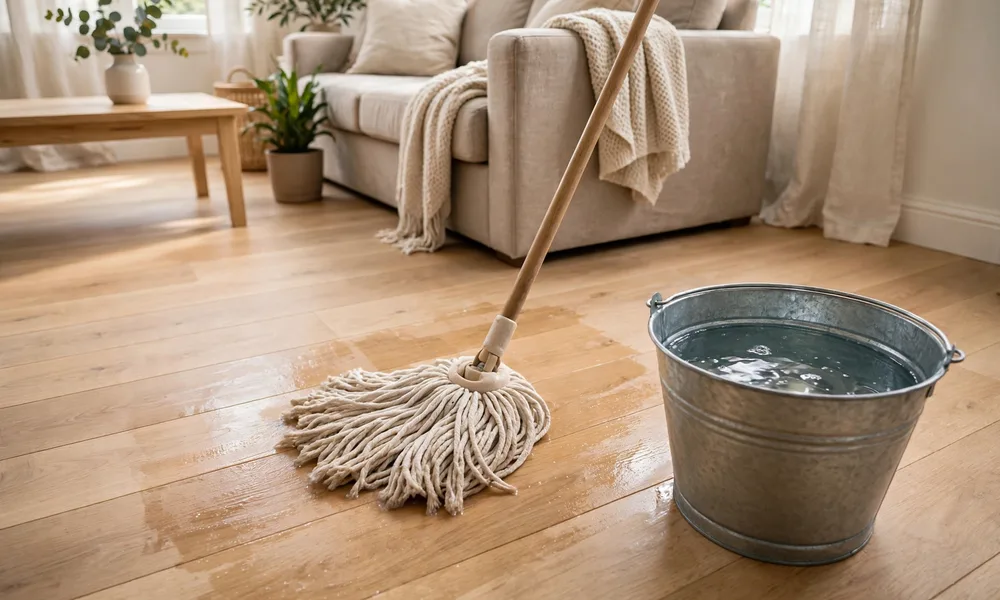
Floors need the most water in the home, and the simplest kind. Fill the bucket with clean, lukewarm water, dip the mop, and wring it out well. A mop that drips will leave puddles on wood, so wring it until it is just damp, then mop in slow lines, working your way towards the door so you never walk over wet floor.
Change the water when it turns cloudy, and rinse the mop often. Let the floor dry fully before you walk on it in shoes, and open a window while it dries. Wooden floors should never stand in water, and a damp mop is always enough.
Fresh Air and a Clean Home
Fresh air is the last step of every water ritual, and it matters as much as wiping. Open a window in each room for a few minutes every day, even in cold weather. Moving air carries away stale smells, dries damp surfaces, and makes a freshly wiped room smell clean without any product at all.
Open windows on opposite sides of the home when you can, so the air moves through. A vase of fresh green leaves on the table adds to the feeling. Close the windows when the air feels fresh again, and let the clean home hold its calm.
Water and a Clean Home at a Glance
| Plain water | Whole home | Fresh air daily |
|---|---|---|
| Damp cloth | Surfaces and glass | Open windows wide |
| Spray bottle | Mirrors and windows | Let rooms breathe |
| Damp mop | Floors, wrung out | Dry before shoes |
A Weekly Rhythm That Stays Simple
A weekly rhythm keeps the daily round small, because the bigger jobs have their own day. Choose one day for floors, one day for glass, and one day for a single shelf. The daily round then stays short: kitchen, table, windowsill, and fresh air.
When a shelf starts to crowd, the answer is not more cleaning but a calmer shelf. Where water decluttering clear shelf ritual clears one shelf at a time, deciding what earns its place, this guide keeps the whole home clean with water, room by room. Clean shelves are easier to wipe, so the two habits help each other.
What Plain Water Cannot Do
Plain water is gentle, and gentle has limits. It will not lift a dried grease mark, it will not remove a deep stain from cloth, and it will not fix a damaged surface. For those jobs, patience and a little mild soap are the next step, and for a valuable or delicate item, a professional cleaner is the right next step.
For everyday marks on cloth, the same gentle idea applies. Where water stains gentle removal lifts tea, juice and grass marks with cool water and a little mild soap, this guide keeps the home itself clean with plain water. Know when to stop, and ask a professional when a mark will not move.

Your Clean Home Checklist
- Fill a jug with fresh water and take two clean cotton cloths.
- Wipe the kitchen counter and the table with a well-wrung damp cloth.
- Mist glass and mirrors with plain water and wipe them dry.
- Mop floors with a damp mop, wrung out well, towards the door.
- Open a window in each room for fresh air every day.
- Change cloudy water, wash the cloths often, and let them dry fully.
Frequently Asked Questions
Is plain water enough to clean a home?
Yes, plain water is enough for most everyday cleaning: dust, crumbs, fingerprints and light marks lift easily with a damp cloth. It is gentle, leaves no smell and no film, and suits surfaces, glass and floors.
How often should I do a water round?
A short water round every morning keeps a home fresh, and a weekly rhythm covers floors, glass and one shelf. Ten calm minutes a day is enough for most homes, and the daily habit keeps the bigger jobs small.
Can I use plain water on wooden floors?
Yes, with a well-wrung damp mop. Wooden floors should never stand in water, so wring the mop until it is just damp, mop in slow lines, and let the floor dry fully before walking on it in shoes.
What is the best water for cleaning glass?
Plain cool water in a spray bottle is best for glass and mirrors, wiped with a clean, dry cloth. A cloudy day is ideal, because bright sun dries the water too fast and leaves marks on the glass.
Is this guide the same as decluttering?
No. Decluttering decides what stays on a shelf, while this guide cleans the whole home with plain water: surfaces, glass, floors and fresh air. The two habits help each other, but they are different jobs.
When should I ask a professional cleaner?
Ask a professional when a mark will not move with water and patience, or when the item is valuable or delicate. A professional is also the right choice for a damaged surface or a deep stain.
The Bottom Line
Water and a clean home need very little: a jug of fresh water, a clean cloth, a damp mop, and a window opened to fresh air. Wipe gently, rinse often, and let the home dry in moving air.
A Note for a Clean Home
Keep it simple, keep it fresh, keep it calm. A little plain water every day is all a clean home needs.