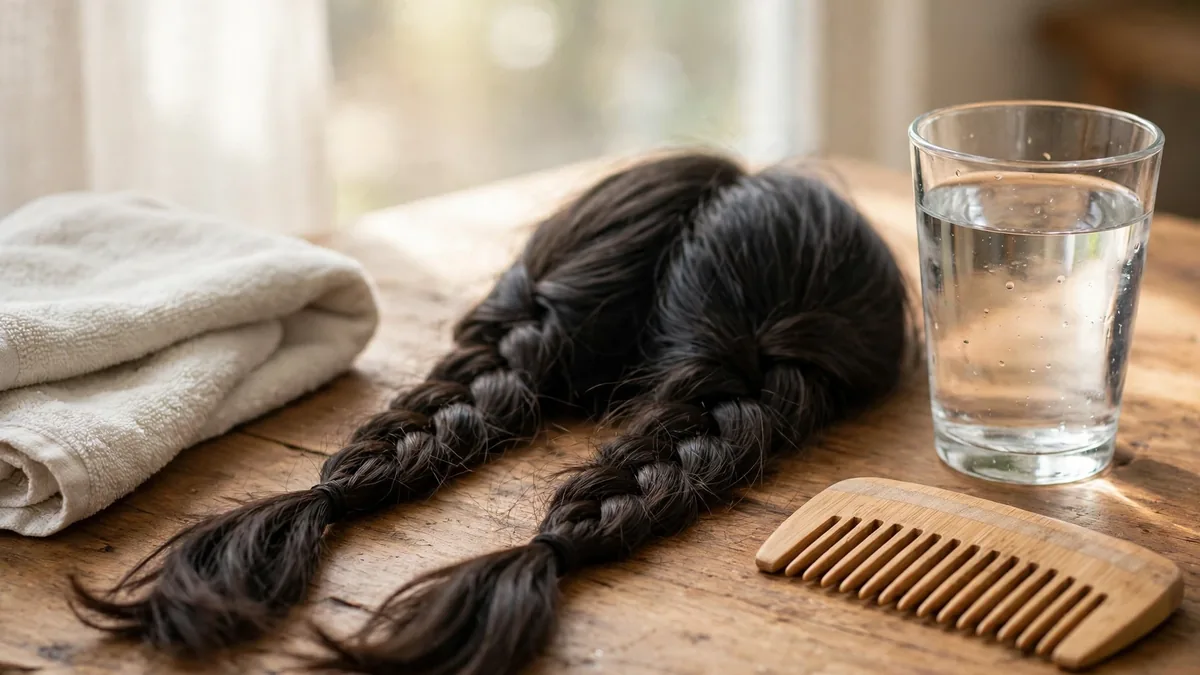
Braids are one of the oldest and simplest ways to keep hair calm. A neat braid holds the lengths together, keeps the ends out of the way, and lets the hair rest through a busy day. It needs no heat, no heavy products, and no clever tools, only clean hair, gentle hands, and a soft band.
Water is the quiet partner in all of it. The temperature you wash with, how long you rinse, and how gently you dry all decide how smooth the braid looks and how comfortable it feels. A braid made on hair that was washed gently holds its shape, and a braid taken down softly leaves the hair calm, not tangled.
This guide explains a simple care routine for water braids: how to wash before you braid, how to braid step by step, how to keep braids fresh overnight, and how to take them down gently. Everything here is gentle general information only, never a treatment. If your hair or scalp troubles you in a way that does not settle, see a doctor or dermatologist.
Key Takeaways
- Water braids means a simple routine: gentle washing, patient rinsing, soft braiding, and gentle taking down.
- Lukewarm water is kindest; hot water roughens the hair and makes braids harder to keep smooth.
- Braid hair that is clean and nearly dry, never soaking wet, and never pull the braid tight.
- A loose braid at night, a soft fabric band, and a silk pillowcase keep braids fresh.
- This is gentle general information only; real hair or scalp problems belong to a doctor or dermatologist.
What Water Braids Means
Water braids means a hair routine built from two simple things: plain water and a braid. The hair is washed gently with lukewarm water, rinsed well, dried softly, and then braided into one or two neat plaits that hold the lengths together. The braid is not a style that needs fixing all day; it is a way of letting the hair rest. Once the braid is in, the ends are tucked away, the strands stop catching on clothes and collars, and the hair stays calm through work, walking, and sleep.
Why Braids Love Gentle Water
Braids love gentle water because a braid shows every roughness in the hair. When the hair is washed with hot water, the surface lifts and the strands catch on each other, so the braid looks fuzzy and feels tight. When the hair is washed lukewarm and rinsed well, the strands lie smooth, and the braid slides together easily. The same gentle logic runs through water and volume: a light hair routine, where lukewarm washing and a cooler finish leave ordinary hair light and easy to handle. A braid made on calm hair stays calm, and a braid made on rough hair only shows the roughness more.
Wash Day Before You Braid
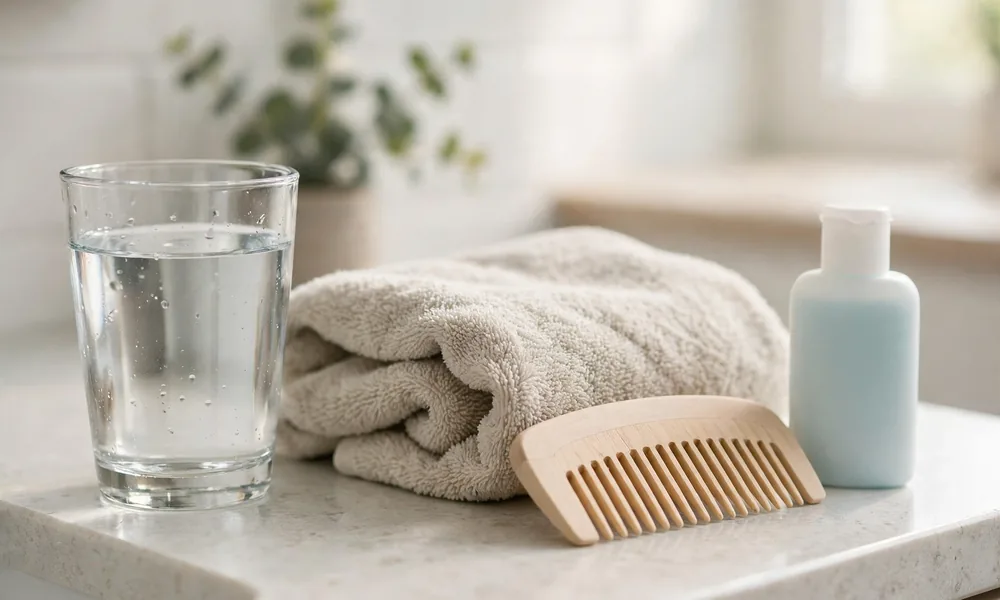
A good braid starts the day before, or at least an hour before the braiding begins. Set out the towel, the wide-tooth comb, and a soft fabric band, so the morning does not begin with searching. Wash with lukewarm water, comfortable on the inside of your wrist, and a small amount of mild shampoo, lathered in your palms first. Massage the scalp only with soft fingertips, never nails, and let the suds run down the lengths as you rinse. Rinse until the water runs clear, then a little longer, and finish with a cooler rinse over the lengths for thirty seconds. Pat the hair dry with a soft towel, never rub, and let it air-dry until it is nearly dry, because braiding soaking wet hair stretches the strands and leaves the braid damp for hours.

Braiding Step by Step
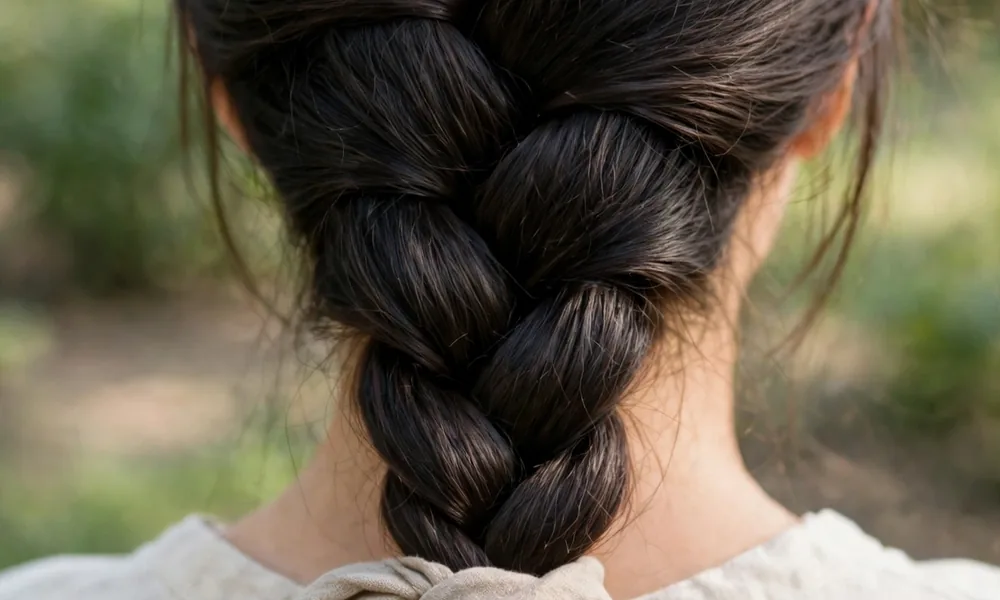
Braiding is slow work, and slow is the whole point. Comb the nearly dry hair gently with a wide-tooth comb, working from the ends upward, and part it where you like it. Divide the hair into three even sections, and cross them over each other one at a time, keeping the pressure even and soft. Do not pull the sections tight at the scalp; a braid should feel comfortable, never painful, and you should be able to move your head freely. Keep the sections even as you go down, so the braid stays neat, and finish with a soft fabric band, never a tight elastic, tied loosely around the ends. If a strand slips out, tuck it back in gently rather than starting again.
Water Braids at a Glance
| Lukewarm wash | Gentle braiding | Soft nights |
|---|---|---|
| Rinse water clear | Fingertips, never nails | Loose braid only |
| Pat, never rub | Ends upward first | Silk pillowcase helps |
| Conditioner ends only | Soft fabric band | Hands off while drying |
| Air-dry when possible | No tight pulling | Wide-tooth comb only |
Keeping Braids Fresh Overnight
Night is when a braid earns its keep. A loose braid at bedtime keeps the hair from tangling while you sleep, and it wakes up as soft waves the next morning. Braid the hair loosely, tie it with a soft fabric band, and sleep on a silk pillowcase if you have one, because smooth fabric lets the braid slide instead of catching. In the morning, do not brush the braid out at once. Undo the band, let the braid fall open slowly, and run your fingers through the waves once, gently. The same soft drying that protects a braid also calms frizz, as in water and frizz: a simple smooth routine, where pressing dry with a towel and letting the hair air-dry keeps the surface smooth.
Taking Braids Down Gently
Taking a braid down is as important as putting it in, because this is where tangles are made. Undo the band first, then open the braid from the bottom upward, one crossing at a time, letting the sections fall apart on their own. Do not pull the braid open from the top, and do not brush through it while it is still braided. Once it is open, comb it gently with a wide-tooth comb, from the ends upward, holding the hair above each tangle so the pull does not reach the scalp. If a knot will not come free, hold the hair above it, work the comb gently from below, and add a drop of light conditioner to help it slide.
What Water Braids Will Not Do
Be honest about what water braids will not do. Water braids will not repair split ends, regrow hair, thicken thin hair, or cure a scalp condition. They will not fix hair loss or dandruff, and they will not change your hair's natural texture. A braid can only keep the hair you already have calm and tidy, one wash at a time. If your hair is falling out in large amounts, or your scalp is sore, itchy, or flaking badly, or a problem does not improve with gentle care, see a doctor or dermatologist. Real problems belong to a doctor, and a braid is care, not a cure.
Braids for Different Hair
Braids suit most hair, but the routine bends a little for each kind. Fine hair braids best when it is fully dry and clean, because damp fine hair slips and the braid loosens. Thick hair braids best when it is nearly dry, because fully dry thick hair resists the sections. Curly hair braids best with fingers only, no comb, so the curls stay together. Short hair can still braid at the front, with two small braids framing the face. Whatever your hair, the rules stay the same: lukewarm water, gentle hands, a loose braid, and a soft band. A calm rinse habit helps every kind of hair, as in water and henna: a simple hair ritual, where plain water and a gentle hand carry a slow ritual.
Your Water Braids Care Checklist
- Wash lukewarm, rinse until the water runs clear, and finish with a cooler rinse.
- Pat dry with a soft towel, never rub, and let the hair air-dry until nearly dry.
- Comb gently from the ends upward with a wide-tooth comb before you braid.
- Braid loosely with even sections, and tie with a soft fabric band, never tight.
- Sleep with a loose braid on a silk pillowcase, and undo it slowly in the morning.
- See a doctor or dermatologist for real hair or scalp problems, never a new braid.

Frequently Asked Questions
Should I braid wet hair or dry hair?
Braid hair that is clean and nearly dry, never soaking wet. Wet hair stretches more easily and stays damp inside the braid for hours, which can leave it musty. Let the hair air-dry until it is nearly dry, then braid it loosely with gentle hands.
How tight should a braid be?
A braid should feel comfortable, never painful. You should be able to move your head freely, and the scalp should not pull. If the braid hurts, or leaves marks on the scalp, it is too tight: undo it and braid it again more loosely.
Can I sleep with a braid in?
Yes, a loose braid at night is one of the kindest things for hair. It keeps the lengths from tangling while you sleep, and it wakes up as soft waves. Use a soft fabric band, sleep on a silk pillowcase if you have one, and undo the braid slowly in the morning.
How do I stop my braid from frizzing?
Wash lukewarm, rinse until the water runs clear, and pat dry with a soft towel instead of rubbing. Braid nearly dry hair with gentle hands, keep your hands off the braid while it dries, and undo it slowly. Rough handling makes frizz, not the braid itself.
How often should I wash before braiding?
Wash when the hair needs it, usually two or three times a week, not by the calendar. A braid made on freshly washed, nearly dry hair holds best. If the hair feels oily or heavy, wash it first; if it still feels clean, you can braid it again without washing.
When should I see a doctor about my hair?
See a doctor or dermatologist if your hair is falling out in large amounts, if your scalp is sore, itchy, or flaking badly, or if a problem does not improve with gentle care. This routine is general information only, never a treatment.
The Bottom Line
Water braids is a simple routine: wash lukewarm, rinse well, dry softly, braid loosely, and undo gently. Keep it gentle, keep it loose, keep it calm.
A Note for Braided Days
Keep it lukewarm, keep it loose, keep it yours. The braid will do the rest.


