Some skin routines ask for too much. Ten bottles, five steps, a shelf full of promises, and a morning gone before the first layer has dried. The skin feels tired before the day has begun, and the routine is the first thing dropped when life gets busy.
Water and aloe ask for almost nothing. A splash of clean water, a thin layer of clear aloe gel, and a plain moisturiser are a complete routine for many people, morning and evening. It is short enough to repeat and gentle enough for ordinary skin.
This guide explains what water and aloe do together, how to choose fresh or bottled gel, how to patch-test, and how to build a simple morning and evening routine. It makes no medical claims, only a gentle habit done well, and real skin problems belong to a doctor or dermatologist.
Key Takeaways
- Water and aloe make a simple routine: clean water, a thin layer of aloe gel, then moisturiser.
- Aloe gel adds light moisture but cannot lock it in alone, so a moisturiser still follows.
- Fresh gel from the leaf and plain bottled gel both work; a short ingredient list matters most.
- Always patch-test a new gel on the wrist first and wait a day before using it on the face.
- A simple routine is a gentle habit, not a treatment; real problems deserve a doctor.
What Water and Aloe Mean Together
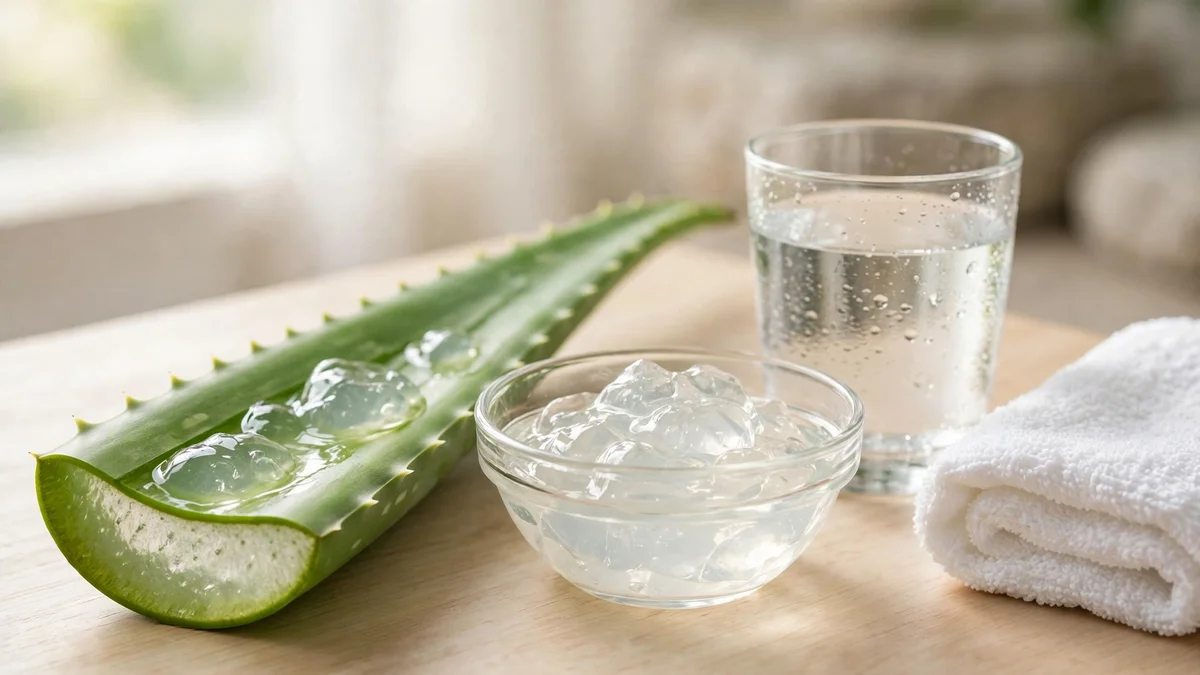
Water and aloe are two simple things working side by side. Water is the first step: it rinses the skin clean, leaves it slightly damp, and prepares it for what comes next. Aloe is the second step: a clear, cool gel from the thick leaves of the aloe vera plant, spread thinly over that damp skin.
Cut open a thick aloe leaf and you find clear gel, cool and slippery, long used in skincare. The gel feels light, dries down quickly, and leaves no heavy coating. That lightness is the point: water and aloe add moisture without weight, and the skin feels fresh rather than covered.
Why a Simple Routine Works
A simple routine works because it is one you will actually keep. A long routine fails quietly: one missed morning becomes a missed week, and the bottles gather dust. A short routine survives busy mornings and tired evenings, because it asks for two minutes and nothing more.
Simplicity also helps the skin. Fewer products mean fewer chances of irritation, and a short list makes it easy to find the cause of a problem. If the skin feels comfortable an hour after the routine, trust that feeling. The same quiet logic runs through rose water toner used well, where one light water step, done gently, is enough.
Fresh Gel or Bottled Gel
Fresh gel comes straight from the leaf. Cut a thick outer leaf from a healthy aloe plant, let the yellow sap drain away for a few minutes, then slice it open and scoop out the clear gel. Use it the same day, and keep any extra in a small clean jar in the fridge for two or three days.
Bottled gel is the easier choice for most people. Look for a plain bottle that lists aloe vera near the top, with a short list and no added fragrance or colour. A strongly scented gel may feel luxurious, but fragrance often irritates sensitive skin. Price is a poor guide: a plain bottle from a brand you trust is safer.
The Patch Test First
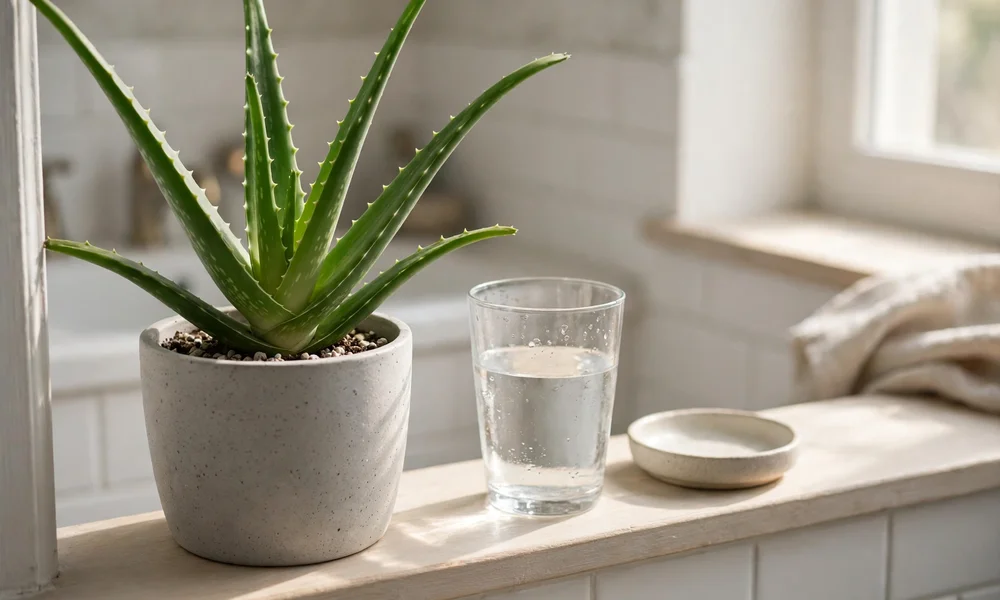
Every new gel deserves a patch test, even when you have used aloe before. Put a small dab on the inside of your wrist, where the skin is thin, and leave it there. Wait a full day before using it on your face, and watch for redness, itching, or any sting that does not fade quickly.
If the wrist stays calm, the gel is probably fine for your face. If the skin turns red or itchy, wash it off gently, let the skin settle, and do not use that gel again. A patch test takes a day and costs nothing.
The Morning Routine
Mornings suit water and aloe well. A light splash of moisture feels like a fresh start rather than a chore. Keep the morning version simple: water, aloe, moisturiser, sunscreen.
Begin with clean hands and a washed face. Rinse with lukewarm water, pat the skin dry, and leave it slightly damp. Smooth a thin layer of gel over the face with your fingertips, avoiding the eyes, and wait a minute while it settles. Then add a plain moisturiser, and sunscreen last, because water and aloe do not replace sunscreen. The same fresh-first thinking runs through a water-first morning routine, where water begins the day.
The Evening Routine
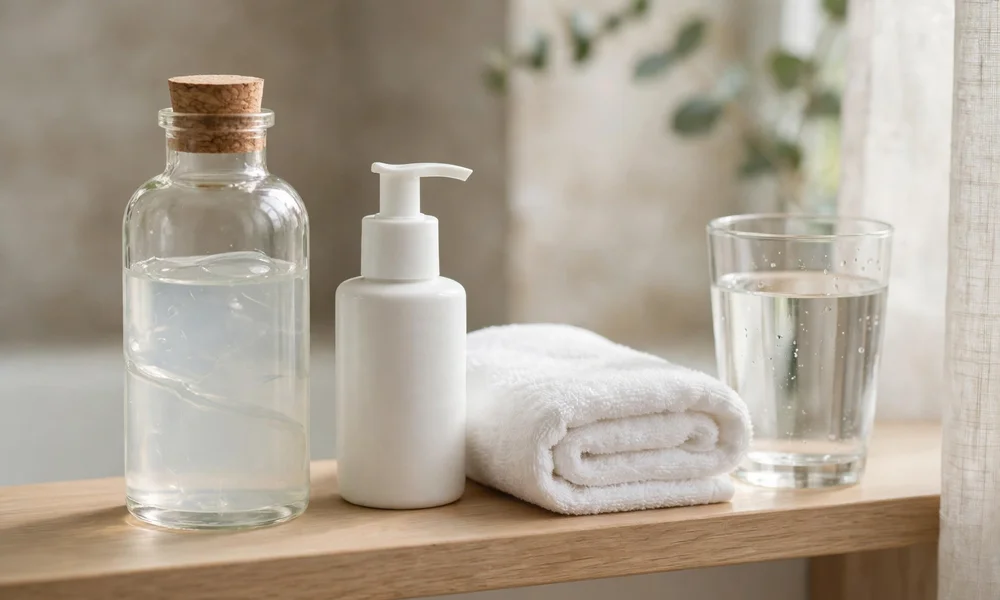
Evenings are a different mood. The day's makeup, sunscreen and dust have been washed away, and the skin is ready for a quieter step. Aloe in the evening feels like a small reset before moisturiser and rest.
Use the same gentle method as in the morning. Wash first, rinse with lukewarm water, pat the skin dry, and smooth a thin layer of gel over the face. If you wore makeup, make sure cleansing came first; aloe gel is not a makeup remover, and spreading it over makeup only moves it around. Clean skin first, gel second, moisturiser third. Some evenings you will skip the gel, and that is fine. A routine that forgives a missed step is one that lasts.
Aloe for Different Skin Days
Not every day is the same, and skin has its own weather. On a dry day, when the air feels heated and the skin feels tight, aloe helps most when followed quickly by moisturiser. On an oily or humid day, a thin layer of gel can feel like enough on its own, with a very light moisturiser or none at all.
On a sensitive day, when the skin feels reactive or irritated, keep everything minimal: water, a thin layer of gel, and nothing else until the skin settles. If irritation appears, stop the product and let the skin rest. If redness, swelling, or pain lasts more than a day or two, or keeps coming back, see a doctor or dermatologist. A simple routine knows its limits. For a lighter water step, an aloe water toner for light hydration does the same quiet job in a thinner liquid.
What Aloe Will Not Do
Be honest about what aloe will not do. Aloe will not cure anything: it will not heal a skin condition, erase a scar, clear acne, or repair damaged skin. It is a light, cooling gel, and no honest bottle should claim otherwise.
The gentleness is the part that helps: a short routine, done daily, keeps the skin clean and lightly moisturised, and that is a real pleasure, not a treatment. If a product promises a cure, walk away, and if a skin problem worries you, ask a doctor or dermatologist.
Storing, Hygiene and Shelf Life
Fresh gel spoils quickly, so treat it like food. Keep it in a small clean jar with a lid, in the fridge, and use it within two or three days. If it smells sour, turns cloudy, or feels sticky, throw it away and cut a fresh leaf.
Bottled gel lasts longer, but it still needs care. Keep the bottle closed, away from strong sunlight and heat, and use clean hands or a clean spatula, never a wet finger, to take gel out. Check the date on the bottle, and throw it away when it passes.
Water and Aloe at a Glance
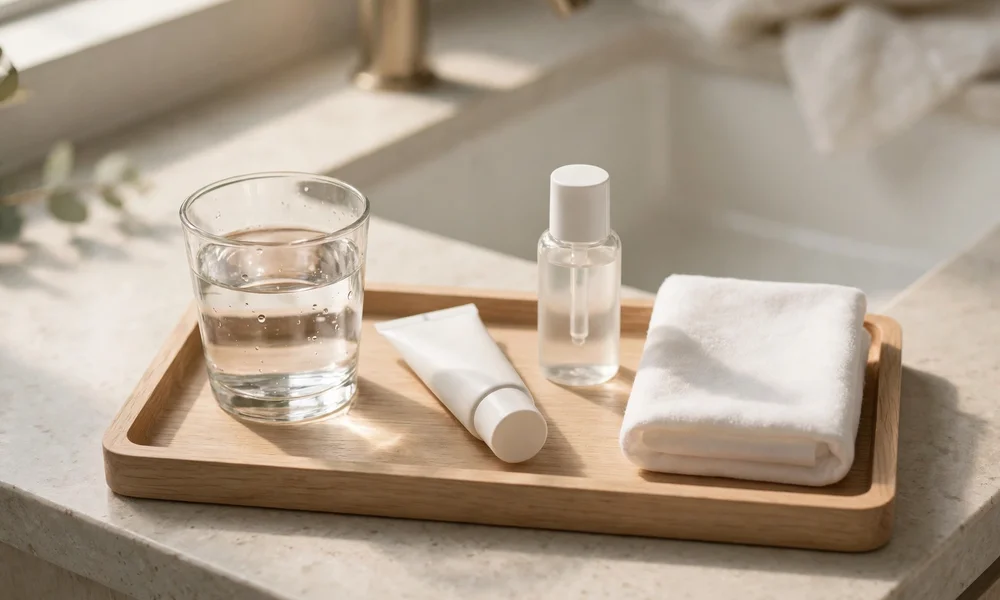
| Water first | Aloe next | Finish gently |
|---|---|---|
| Rinse with water | Thin gel layer | Moisturiser after gel |
| Pat skin dry | Wait one minute | Sunscreen each morning |
| Clean hands first | Fresh or bottled | Rest each night |
| Small amount only | Patch test first | Stop if irritated |
Your Water and Aloe Checklist
- Wash your hands, rinse with lukewarm water, and pat dry.
- Smooth a thin layer of gel over the face, avoiding the eyes.
- Wait one minute, then add a plain moisturiser, and sunscreen in the morning.
- Patch-test every new gel on the wrist and wait a day first.
- Keep fresh gel in the fridge and use it within three days.
- Remember aloe will not cure anything; a real problem deserves a doctor.
Frequently Asked Questions
What is the simplest water and aloe routine?
The simplest routine is water, aloe, moisturiser, sunscreen in the morning, and water, aloe, moisturiser in the evening. Rinse with lukewarm water, pat the skin dry, smooth a thin layer of gel over the face, wait a minute, and finish with moisturiser. The whole routine takes about two minutes.
Should I use fresh gel or bottled gel?
Both work. Fresh gel comes straight from the leaf and must be used within two or three days, kept in the fridge. Bottled gel is easier: choose a plain bottle that lists aloe vera near the top, with a short list and no added fragrance or colour.
How do I patch-test aloe gel?
Put a small dab on the inside of your wrist, where the skin is thin, and leave it there. Wait a full day before using it on your face, and watch for redness, itching, or any sting that does not fade quickly. If the wrist stays calm, the gel is fine for your face.
Can aloe replace my moisturiser?
No. Aloe gel adds light moisture but cannot lock it in alone, so a moisturiser still follows on most days. On an oily or humid day a thin layer of gel can feel like enough, but if the skin feels tight later, add the moisturiser back.
Will aloe cure my skin problem?
No. Aloe will not cure anything: it will not heal a skin condition, erase a scar, clear acne, or repair damaged skin. It is a light, cooling gel, and a gentle habit is all it is. If redness or pain lasts more than a day or two, see a doctor or dermatologist.
Does water and aloe replace sunscreen?
No. Plain water and aloe do not replace sunscreen, and the morning routine always ends with it. Smooth the gel on first, let it settle, add moisturiser, and finish with sunscreen. A simple routine protects the skin gently, and sunscreen does the heavy work.
The Bottom Line
Water and aloe make a simple skin routine: clean water, a thin layer of gel, and a plain moisturiser.
Keep it short, keep it gentle, and keep it every day.
A Note for Everyday Skin
Keep it simple, keep it light, keep it kind. Your skin will do the rest.


