Beach waves look effortless, and that is the whole charm. Soft bends, a little texture, hair that moves like it has spent the afternoon by the sea. It is a look many people love, and salt water seems like the simplest way to get it.
Salt water hair is a gentle idea, but it comes with a clear warning first. Salt water dries hair out. Used carelessly it can leave hair rough, tangled and dull, and left in overnight it can do real damage. Used gently, with a fresh rinse and conditioner after, it can give soft waves without harm.
This article is a careful guide to salt water hair and beach waves without damage: what salt water does to hair, how to use a salt spray gently, and how to rinse, condition and care for your hair afterwards. Everything here is gentle, with no medical claims.
Key Takeaways
- Salt water hair means soft beach waves made with salt water or a salt spray, used gently.
- Salt water dries hair out, so always rinse with fresh water after and condition well.
- Never leave salt in your hair overnight; wash it out the same day, every time.
- Gentle use only: a light spray, soft scrunching, no heat, and no daily salt.
- Beach waves are a styling choice, not a treatment, and they will not repair hair.
What Salt Water Hair Means
Salt water hair means hair styled with salt water to make soft, loose beach waves. The salt draws a little moisture from each strand as it dries, and the hair holds a bend instead of falling straight. The result is texture, volume and movement, like hair after a swim in the sea.
The look suits hair that already has a little natural wave, but straight hair can hold a soft bend too with a light spray and a gentle scrunch. The waves should look loose and lived-in, never stiff or crunchy.
Why Salt Water Dries Hair
Salt water dries hair for a simple reason: salt pulls moisture out. Each strand of hair holds water inside it, and salt sitting on the surface draws that water away as it dries. The hair loses its softness, the cuticle lifts, and the strands catch on each other and tangle.
Sun and wind make it worse, because they dry the salt faster and leave it sitting on the hair for longer. The damage is not instant, but it builds up with every salty day that ends without a rinse.
Choosing Your Beach Wave Method
Choose the gentlest method that works for your hair. A light salt spray on damp hair is the kindest way to make beach waves, because you control how much salt lands on each strand. A swim in the sea gives the strongest waves, but it also gives the most salt, so it needs the most care afterwards.
Avoid shop-bought sprays with a long list of drying alcohols, and avoid spraying salt on dry hair, which soaks it up unevenly. Start with a little, and add more only if the waves fall flat.
Salt Water Spray, Made Gently
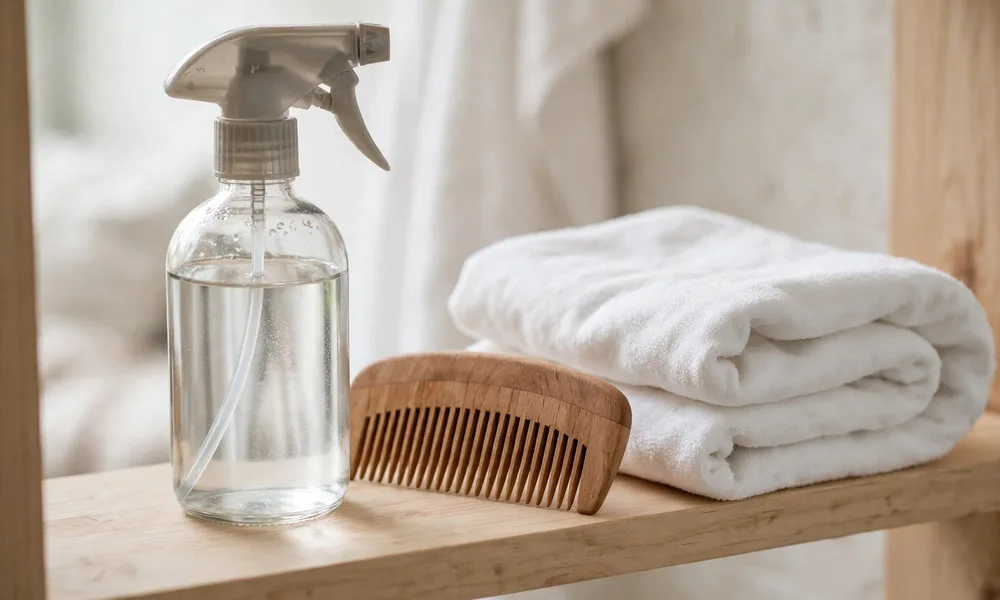
A gentle salt spray is easy to make at home. Mix one small spoon of sea salt into a cup of warm fresh water, stir until it dissolves, and pour it into a clean spray bottle. Add a drop of light hair oil if your hair is dry, and shake it well before each use.
Spray it lightly onto damp, freshly washed hair, never onto dry hair and never close to the scalp. Four or five sprays across the lengths is plenty for most heads of hair.
A Beach Wave Routine in Small Steps
A beach wave routine takes no planning at all, and it starts with clean, damp hair. Wash your hair gently with a mild shampoo, rinse with lukewarm water, and squeeze out the extra water with a soft towel. Do not rub the hair, because wet hair tangles easily and breaks more readily.
Mist the salt spray lightly over the lengths, from the ears down, and leave the roots alone. Then scrunch gently, let the hair air-dry, and shake it out once it is dry.

Scrunching Waves Without Heat
Scrunching is the quietest part of the routine. Cup a section of damp hair in your palm, lift it gently toward your head, and squeeze once, softly. Let it fall, move to the next section, and repeat. No twisting, no pulling, and no heat at all.
This takes a few minutes: it gives the hair its shape while it dries, and the salt holds the bend. The same gentle idea runs through hard water hair, where a longer lukewarm rinse and a soft towel make hair feel kinder.
The Fresh Water Rinse Rule
The fresh water rinse rule is simple and absolute: always rinse with fresh water after salt water, every single time. As soon as you are done with the beach or the spray, rinse your hair under fresh lukewarm water until it feels clean and soft again. This is the only safe way to use salt on hair.
Never leave salt in your hair overnight. Salt left in overnight keeps drawing moisture out for hours, and by morning the hair can feel rough, tangled and hard to comb. If you swam late in the day, rinse before bed, even if you are tired. Fresh water is the kindness your hair needs.
Conditioning After Salt
Conditioning after salt is not optional, it is the second half of the routine. After the fresh rinse, smooth a little conditioner through the lengths, from the ears down, and leave it for two or three minutes. Rinse it out with lukewarm water, and let the hair dry naturally.
Once a week, after a salty beach day, use a deeper conditioner or a little hair oil on the ends. This replaces the moisture the salt took away, and it keeps the waves soft instead of crunchy. Keep the conditioner away from the roots, where it can make hair look flat.
Carrying Waves Through the Day
Some beach days still ask you to move around, and the waves can travel with you. A loose braid keeps the waves tidy in the wind without flattening them, and a soft scrunchie holds the hair without leaving a dent.
Choose a soft fabric band with no metal parts, and keep the hair out of strong wind when you can. Take the braid out when you get home, shake the waves out gently, and rinse. A quiet wave travels well, as in green tea rinse for hair, where a gentle rinse sits happily in a calm hair routine.
Caring for Salt-Touched Hair
Salt-touched hair needs gentle care, even when it looks fine. Wash it with a mild shampoo, and never scrub the scalp hard or pile the hair on top of your head. Comb it gently with a wide-tooth comb while it is damp, starting at the ends and working upward.
Handle it gently: wet hair stretches and breaks more easily, so pat it dry with a soft towel and let it finish drying in the air. Do not use hot tools on salty hair, and do not brush it hard when it is dry. Keep it simple, as explained in glossy healthy hair, where water used well makes hair look its best.
What Salt Water Will Not Do
Be honest about what salt water can and cannot do. Salt water will not repair damaged hair, make hair grow faster, cure dandruff or make thin hair thick. It will not heal the scalp or replace conditioner, and it will not keep waves in for days. It is a styling choice, and its value is the look it gives for one afternoon.
The same honesty applies to the rinse beside it: fresh water and conditioner help hair feel soft, but they are not a treatment either. No spray or ritual will repair hair that is already badly damaged. If your scalp stays sore, itchy or unhappy week after week, the answer is advice from a doctor or dermatologist.
| Gentle wave | Fresh rinse | Hair care |
|---|---|---|
| Spray lightly only | Rinse fresh water | Condition lengths well |
| Scrunch soft curls | Wash salt out | Comb wide tooth |
| Air dry slowly | Never sleep salty | Oil ends weekly |
| Skip heat tools | Lukewarm water first | Pat dry gently |
Your Salt Water Hair Checklist
- Mix a light salt spray and mist it only on damp hair, from the ears down.
- Scrunch gently, let hair air-dry, and stop touching the waves once dry.
- Rinse with fresh lukewarm water after every salty swim or spray, the same day.
- Condition the lengths well and never leave salt in your hair overnight.
- Comb gently with a wide-tooth comb, starting at the ends and working upward.
- Use salt waves only now and then, never daily, and skip heat on salty hair.

Frequently Asked Questions
Does salt water damage hair?
Yes, it can. Salt water draws moisture out of hair, leaving it dry, rough and tangled if it is left in. Rinse with fresh water after every salty swim or spray, and condition well, to keep the damage away.
Can I leave salt water in my hair overnight?
No, never leave salt in your hair overnight. Salt keeps drawing moisture out for hours, and by morning the hair can feel rough and hard to comb. Always rinse with fresh water before bed.
How often can I use a salt spray?
Use it only now and then, not daily. Once or twice a week is plenty for most hair, and always with a fresh rinse and conditioner afterwards. Daily salt will dry hair out over time.
Is sea water better than a salt spray?
Sea water gives stronger waves, but it also gives more salt, so it needs more care afterwards. A light homemade spray is gentler, because you control how much salt lands on each strand.
Can I use salt spray on coloured hair?
Be careful. Salt can dry coloured hair faster and fade the colour sooner, so use a lighter spray, rinse sooner, and condition well. If the colour fades quickly, stop using salt altogether.
Will salt water make my hair wavy forever?
No. Salt water makes temporary waves that wash out with the next shampoo. It will not change your natural hair type, and it will not repair hair that is already damaged.
The Bottom Line
Salt water hair is a light spray, a gentle scrunch, and a fresh rinse with conditioner after.
Use the salt gently, rinse it out the same day, and let the waves be soft.
A Note for Beach Waves
Keep it light, keep it rinsed, keep it conditioned. The soft waves can still belong to you.