Somewhere along the way, drinking water became a beauty promise. Drink eight glasses, the advice goes, and your skin will glow. It is a hopeful idea, and easy to see why it caught on: water is cheap, water is simple, and the thought that a glass of it could change your face is a pleasant one.
But the honest answer is more interesting than the promise. Water matters for skin, yet it does not work like a light switch. A glass of water does not travel straight to your cheek and switch the glow on.
This article takes a fresh look at the drinking-water-and-glow question itself: what water actually does for skin, what it cannot do, how much is enough in real life, and which small daily habits genuinely help. It is plain water, looked at honestly.
Key Takeaways
- Drinking water supports skin from the inside, but it does not work like a switch: glow builds slowly, and water is only one part of the picture.
- Skin that has enough fluid tends to feel softer and look less tired, while skin short of fluid can feel tight and look dull.
- No amount of water will clear acne, fade dark spots, erase fine lines, or cure a skin condition on its own.
- A steady pattern through the day helps more than a sudden rush of glasses in the evening.
- Gentle washing, good sleep, simple food and sun protection matter just as much as what you drink.
What "Glow" Really Means
Before asking whether water gives skin a glow, it helps to ask what the question really means. Most of us are not asking for a medical result. We are asking something simpler: can a small, ordinary habit make my face look a little fresher, a little less tired, a little more alive? That is a fair question, and it deserves a fair answer rather than a slogan.
In advertisements, glow means bright, dewy, almost lit-from-within skin, usually photographed in perfect light after makeup. In real life, glow is quieter. It is skin that looks rested rather than grey, skin that catches the light because it is smooth and calm rather than dry and rough, skin that feels comfortable when you touch it.
Glow also has parts, and each part has its own cause. Colour comes largely from blood flow and rest: a good night of sleep and a walk in fresh air will do more for the colour in your cheeks than a glass of water ever could. Texture comes largely from moisture on the surface: gentle washing, a light moisturiser, and protection from dry air and strong sun. Light comes from an even, calm surface.
What Water Actually Does for Skin
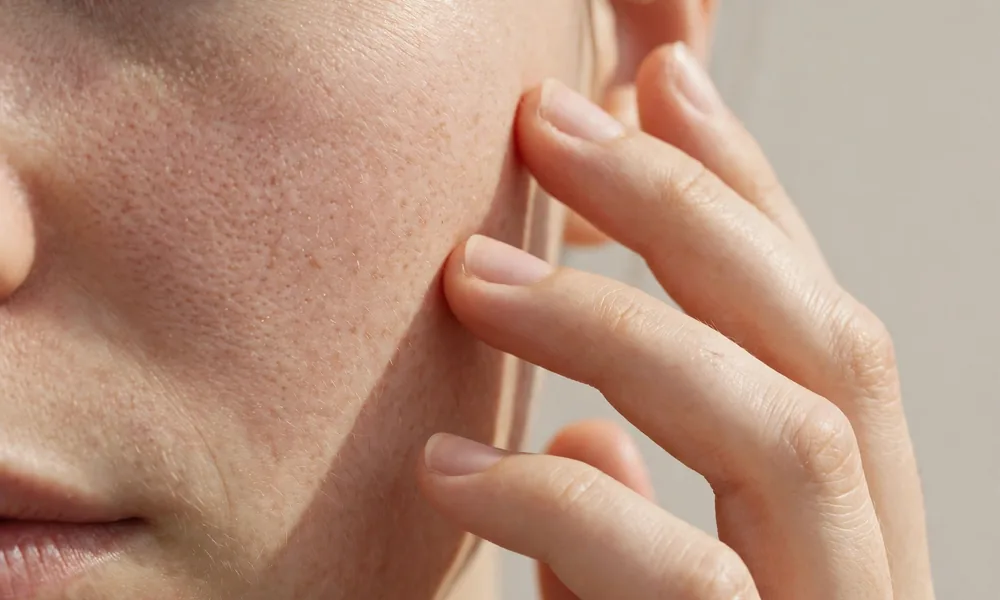
First, water keeps the body supplied. Skin holds water in its outer layers, and when those layers have enough moisture, skin feels supple and looks smoother. When they do not, skin can feel tight, look dull, and show fine dry lines more clearly.
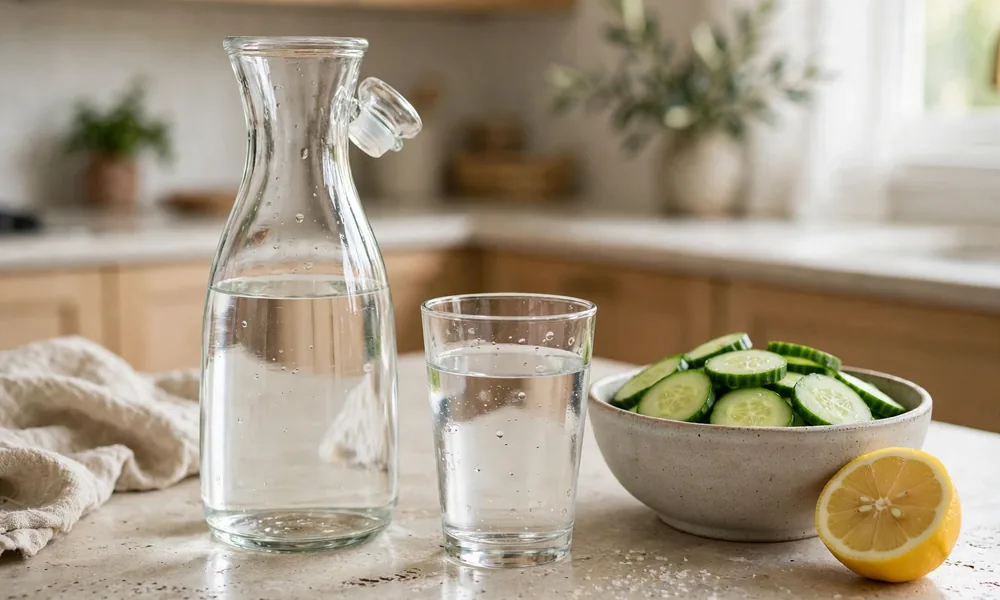
Water also replaces what the day takes away. We lose fluid all day, through breathing, through sweat, and through the ordinary work of the body. Warm weather, exercise, and a dry room all take more. Drinking steadily through the day tops that up. Plain water is enough: it needs no lemon, cucumber, or anything added
What Water Does Not Do
Honesty cuts both ways, and this is the part that matters most. Drinking water will not clear acne. It will not fade dark spots, erase fine lines, shrink pores, or cure dryness, redness, or any skin condition. It will not replace a cleanser, a moisturiser, or sun protection, and it will not give glowing skin in a week, no matter how many glasses you drink.
This is not a reason to stop drinking water. It is a reason to drink it for the right reasons. Water keeps the body supplied, and that is a genuine, useful job. But skin concerns have their own causes, and they need their own care. Acne, eczema, rosacea, persistent dryness, and changes in a mole or a patch of skin are matters for a qualified health professional or dermatologist, not for a water bottle.
How Much, and When to Drink It
The most famous number in this whole conversation is eight glasses a day. It is neat, it is easy to remember, and it is not a rule. Water needs vary from person to person, and from day to day, with age, size, activity, weather, and health. A hot day and a long walk ask for more. A cool day at a desk asks for less.
That is why this article avoids giving a single number as a target. Drink steadily through the day, in small glasses rather than large rushes, and notice how you feel: a dry mouth, a headache, and a feeling of tiredness can all be signs that you have had too little, though they can have other causes too. If a clinician has given you a personal fluid limit or a hydration plan, follow that guidance, not a general article.
A good water habit does not need a timetable. It needs a few ordinary moments, repeated without fuss. Begin the morning with a glass of plain water beside breakfast. Keep a bottle or a glass on your desk or kitchen counter, where you can reach it without thinking. Have a glass with lunch and one in the afternoon, when the day starts to drag. Finish with a glass beside dinner. If you forget, nothing has gone wrong: simply begin again at the next meal, without guilt. A gentle guide to drinking more water without forcing it shows how to build that habit without turning it into a chore, and the quiet art of staying hydrated makes the same point in a gentler way: water works best when it has a small, ordinary place in the day, not when it becomes a project.

Water, Food, Sleep and the Rest of the Picture
Water does not work alone, and the rest of the picture deserves a fair share of attention. Sleep is the first of these. A tired face is a dull face, whatever you drank the day before, and a good night of sleep will do more for the colour and calm of your skin than any number of glasses. Protect it with a regular bedtime and a screen put away before bed.
Food is the second. Skin is built from what you eat, and a simple, varied diet supports it far better than any single food or drink. Fruit and vegetables bring fluid as well as colour and texture to the plate, and a meal with something fresh in it is a good place to put a glass of water beside.
And then there is washing, which is where water meets skin directly. Washing gently, with lukewarm water and clean hands, protects the skin's surface far more than drinking ever could. A calm guide to washing your face well walks through that small ritual in detail, and it is the natural companion to this article: plain water inside, gentle water outside, and nothing forced in between.
Choosing Your Daily Rhythm
Different days ask for different rhythms, and the best one is the one you can keep. A busy day at a desk wants a bottle within reach. A hot day wants a glass more often. A quiet day at home wants a glass with each meal and little else.
| Moment | What to do | Why it helps |
|---|---|---|
| Morning | Glass with breakfast | Starts the day supplied |
| Midday | Bottle within reach | Steady sipping, no rush |
| Afternoon | Glass with a pause | Lifts the tired hours |
| Evening | Glass with dinner | Ends the day gently |
Keep the pattern short and the glasses small. A routine that fits on four lines is a routine you can keep for a year, and a year of steady water is worth far more than a week of forcing it.
Your Drinking Water Checklist
- Keep a glass or bottle where you can see it, not hidden in a cupboard.
- Drink a glass with breakfast, one with lunch, and one with dinner.
- Sip steadily through the day instead of rushing glasses in the evening.
- Choose plain water; added flavours are optional, never required.
- Wash gently with lukewarm water; moisturise on damp skin.
- Protect sleep, walk in daylight, let glow build slowly.
Frequently Asked Questions
Does drinking water give you glowing skin? Not on its own, and not quickly. Water supports the body, and skin that has enough fluid tends to feel softer and look less tired. Water is one part of the picture, not the whole picture.
How many glasses of water should I drink for my skin? There is no single number that suits everyone. Needs vary with age, size, activity, weather, and health, and food contributes fluid too. Drink steadily through the day, in small glasses, and let thirst guide you. If a clinician has given you a personal fluid plan, follow that instead.
Can drinking more water clear acne? No. Water does not clear acne or cure any skin condition. Acne has its own causes and its own care, and persistent or worrying skin concerns deserve a qualified health professional or dermatologist, not a water bottle.
Is it better to drink water all at once or through the day? Through the day is better. Steady sipping keeps the body supplied without discomfort, while a sudden rush of water in the evening is hard to keep up and can leave you uncomfortable.
Does adding lemon or cucumber to water help skin more? Not in any meaningful way. Plain water does the job on its own. A slice of lemon or cucumber can make a glass more inviting, and that is reason enough to add it.
Can I drink too much water? Yes. Drinking far more than the body needs does not make skin glow more, Steady and comfortable is the aim. If you have a health condition or take medicine that affects fluid, follow your clinician's guidance.
The Bottom Line
Drinking water and skin glow are connected, but the connection is quieter than the promise. Water keeps the body supplied, and skin that has enough fluid tends to feel softer and look less tired. It will not clear acne, fade spots, erase lines, or give glowing skin in a week, and no amount of water replaces gentle washing, sleep, food, movement, and sun protection.
The fresh look is this: drink plain water steadily, wash gently, sleep well, and let glow build slowly.
A Note for Brighter Mornings
Keep a glass where you can see it, take the walk, wash gently, and go to bed on time. Glow is not a prize for drinking the most water. It is the quiet result of a day lived kindly, one glass at a time.