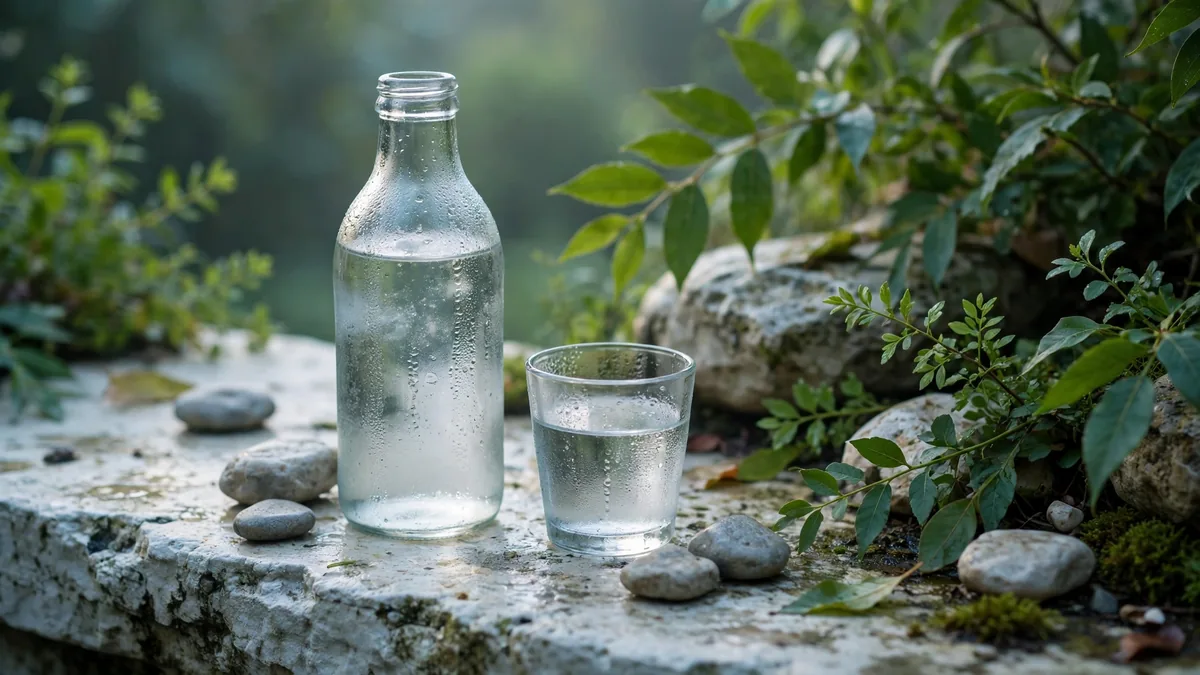
There is a particular kind of freshness that belongs to cold, clear water. Think of a mountain stream on a bright morning, or the first cold splash on your face after a warm night. The water is cool, it is clean, and it asks nothing of you except a moment of attention. That feeling is the heart of glacier water beauty.
Glacier water beauty is not about buying water from a faraway glacier, and it is not about drinking rainwater or glacier water, which is not safe to drink untreated. It is a way of thinking about water for skin: cold, clean, plain water, used simply. A cool rinse in the morning, a chilled glass kept ready through the day, a gentle wash with lukewarm water when your skin needs softness rather than shock.
This article explains what glacier-inspired water care looks like at home, why cold water feels so refreshing on skin, and how to build a small, calm routine around it. Nothing here is a treatment, and nothing promises a new face. It is simply cool water, used well.
Key Takeaways
- Glacier water beauty means cool, clean, plain water for skin — cold rinses, chilled water kept ready, and gentle washing.
- Cold water feels refreshing because it wakes the skin's surface; it does not cleanse, moisturise, or treat any skin condition.
- Keep the water cold, not icy, and keep cold splashes brief: a few gentle splashes are enough.
- Wash with lukewarm water when you use a cleanser, and finish with a cool rinse if you like the feeling.
- Never drink untreated glacier water or rainwater; use ordinary safe tap or bottled water for drinking.
What Glacier Water Means
A glacier is a slow river of ice, and the water that melts from it is cold, clear, and low in minerals. It has travelled through rock and ice for a long time, and it arrives fresh and bright. Beauty writers borrow that image because it captures exactly what good water care feels like: cool, clean, and simple, with nothing added and nothing to prove.
At home, glacier water beauty does not mean ordering expensive bottled water from a mountain. It means treating your own cold tap water as something worth noticing: run it until it is properly cold, keep a jug chilled in the fridge, and use it with a light touch.
It also means knowing the limits. Water from a real glacier, a stream, or a rain barrel is not drinking water. It can carry dirt, bacteria, and other things you cannot see, and it should never be drunk untreated. For drinking, use ordinary safe tap water or bottled water, the same as always. The glacier is an inspiration for how water feels on skin, not a source to drink from.
Why Cold Water Feels So Good on Skin
Cold water wakes the skin up. When cool water touches your face, the surface feels tighter and more alert for a little while, and the dull, puffy feeling of a slow morning lifts. That is the whole pleasure of it: a small, honest refreshment that costs nothing and takes less than a minute.
Part of the feeling is simple temperature. Warmth relaxes and loosens, while cold firms and wakes. After sleep, or after a long day indoors, skin can look flat and grey, and a cold splash brings colour back to the surface for a while.
Cold water also feels clean in a way that warm water does not. A warm wash can leave skin feeling soft but a little sleepy. A cool rinse leaves it feeling fresh and finished, as if the day has properly begun.
A Simple Cold-Water Morning
The easiest glacier-inspired habit is a cold-water morning. It takes about two minutes, and it needs nothing you do not already own: a clean basin or sink, cold tap water, and a soft towel.
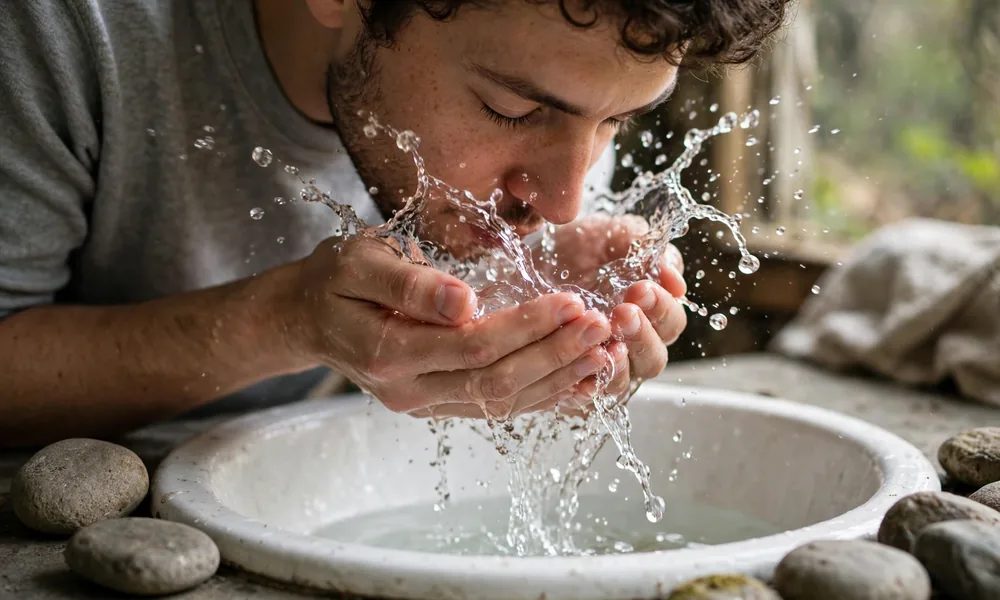
Start by letting the cold tap run for a few seconds until the water is properly cold. Cup your hands, and splash your face three or four times, gently. Keep the water cold, not icy: water straight from a very cold tap is enough, and you do not need ice. If the cold feels too sharp, mix in a little lukewarm water until it feels brisk rather than shocking. A quick wake-up for tired skin is the aim, and cold water splashes for tired skin explains that short habit in detail.
After the splash, pat your face dry with a clean, soft towel, pressing lightly instead of rubbing. If you use a cleanser in the morning, do it after the splash, with lukewarm water. Then moisturise while your skin is still slightly damp, so it holds water in.
Chilled Water Through the Day
Glacier water beauty is not only a morning habit. Keeping cold water ready through the day is a quiet way to stay refreshed, and it is as simple as a jug in the fridge.
Fill a clear glass jug with cold tap water in the morning and keep it chilled. Pour a glass whenever you want one, and refill the jug as it empties. Drinking steadily through the day supports the body as a whole, and skin that is supported from the inside tends to feel less tight. A glass with each meal and one in the afternoon covers most of the day. If plain water bores you, a gentle guide to drinking more water without forcing it has simple ideas that make the habit easier to keep.
The jug has a second use. On a warm afternoon, a cool cloth wrung out in chilled water and pressed gently to the face or the back of the neck feels wonderful, and it takes less than a minute. Keep the cloth clean, wring it well, and press it lightly rather than rubbing.
Washing Gently, Hot and Cold
Cold water feels wonderful, but it is not the right water for every step. Cleansers work best in lukewarm water, which is warm enough to lift the day's sunscreen and dust, and cool enough not to strip the skin's natural oils. Hot water feels comforting, but it dries skin out quickly, and it is worth avoiding on the face.
A good pattern is simple: lukewarm water for washing, cold water for waking and finishing. Splash cold first if you like the wake-up feeling, then cleanse with lukewarm water, then finish with a cool rinse. Or cleanse with lukewarm water alone, and save the cold splash for mornings when you feel tired. Either way works, because the water is serving your skin, not the other way round.
Why lukewarm water works better for morning skin makes the case for gentle warmth in detail, and it pairs well with this article: warmth to wash, cold to wake. Together they cover most faces, most days, without any product more complicated than water and a mild cleanser.

What Cold Water Will Not Do
Say plainly what cold water will not do: it will not shrink pores, erase fine lines, clear acne, fade dark spots, or give glowing skin in a week. It will not cure dryness, redness, or any skin condition, and it will not replace a cleanser, a moisturiser, or sun protection. A cold splash refreshes the surface of the skin for a little while, and that is all it promises. It will not close pores, because pores do not open and close like doors, and it will not detox anything: the body handles that on its own.
If a skin concern is persistent, changing, painful, or worrying, please speak to a qualified health professional or dermatologist. Cold water is a habit, not a diagnosis, and a good habit knows its limits.

Choosing Your Cool-Water Routine
Different days ask for different water. A tired morning wants a cold splash. A dusty evening wants a lukewarm wash. A warm afternoon wants a chilled glass and a cool cloth.
| Water choice | Best for | Keep in mind |
|---|---|---|
| Cold tap water | Morning splashes, a quick wake-up | Keep it cold, not icy; a few splashes are enough |
| Chilled jug water | Drinking steadily, cool cloths | Change the water daily; wash the jug often |
| Lukewarm water | Washing with a cleanser | Warm enough to clean, cool enough not to strip |
| Cool final rinse | Finishing a wash, closing the day | One gentle rinse; then moisturise on damp skin |
Try one change at a time, and give it a week before judging it. Skin adjusts slowly.

Your Glacier Water Checklist
- Run the cold tap until the water is properly cold before splashing.
- Splash three or four times, gently; keep the water cold, not icy.
- Wash with lukewarm water when you use a cleanser, never hot.
- Keep a jug of chilled water in the fridge, and change it daily.
- Drink steadily: a glass with each meal and one in the afternoon.
- Moisturise lightly on slightly damp skin, and keep the routine short.
Frequently Asked Questions
Is glacier water beauty about drinking glacier water? No. It is about cold, clean, plain water for skin: cool rinses and chilled water kept ready at home. Never drink untreated glacier water, stream water, or rainwater; use ordinary safe tap or bottled water for drinking.
How cold should the water be? Cold from the tap is enough: brisk and refreshing, not painful. If it feels too sharp, mix in a little lukewarm water. You do not need ice.
Can I splash cold water on my face every day? For most people, yes. A few gentle splashes each morning is a mild habit. If your skin is very sensitive, or cold water leaves it red and uncomfortable, use cool rather than cold water.
Does cold water shrink pores? No. Pores do not open and close. Cold water can make the skin's surface feel firmer for a little while, which is pleasant, but it does not change pore size.
Should I wash my face with cold water instead of lukewarm water? Not for cleansing. Lukewarm water works better with a cleanser, because it lifts sunscreen and dust without stripping the skin. Use cold water to wake up and to finish, and lukewarm water to wash.
Can cold water help puffy morning skin? It can help it feel fresher for a while. A cold splash or a cool cloth pressed gently to the face often makes morning puffiness feel less noticeable, though the effect is temporary and it treats no condition.
The Bottom Line
Glacier water beauty is cool, clean, and simple: cold water for waking, lukewarm water for washing, and chilled water kept ready through the day. It costs almost nothing, it takes minutes, and it asks only for a light touch and a little attention.
Start tomorrow with a cold splash, a gentle wash, and a glass of chilled water. Let your skin tell you the rest.
A Note for Cooler Days
Keep it cool, keep it clean, keep it simple. Cold water, a soft towel, and a routine short enough to keep will carry your skin further than any crowded shelf.



