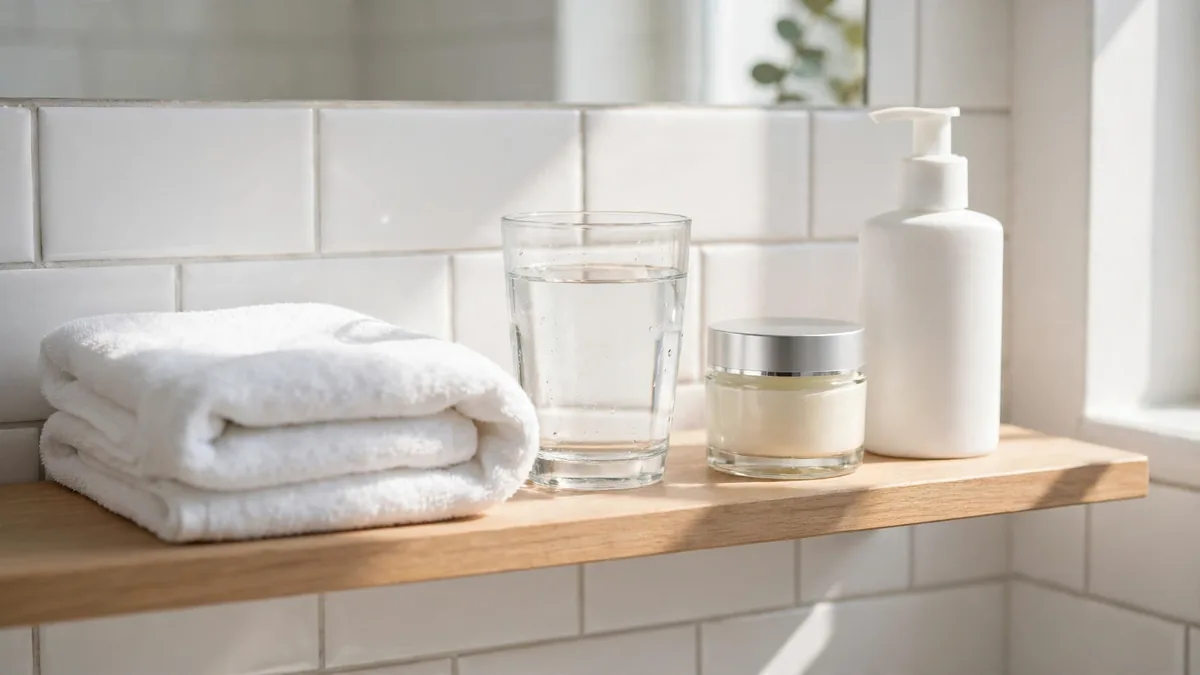
A fresh morning starts with water. You wake, you splash your face with cool clean water, and the sleepiness lifts a little with every drop. The skin feels awake and slightly damp, and that small damp moment is the best time in the whole day to add a little moisture.
A moisturiser is the second half of that small habit. It is a cream or a lotion smoothed onto the skin after washing, and its only job is to help the skin hold on to the water it has just met. Nothing more, nothing grand: water first, cream second, and the skin feels comfortable for hours afterwards.
This guide sets out a simple fresh routine built on those two steps, morning and night, for ordinary skin on ordinary days. It is gentle general information only, and it will not heal anything. If your skin stays sore, cracked or unhappy after a few weeks of gentle care, please see a doctor.
Key Takeaways
- Water comes first: a gentle wash with lukewarm water, never hot and never harsh.
- A moisturiser is a cream or lotion smoothed onto slightly damp skin and left there.
- Moisturisers hold moisture in; they are not soaks, rinses or treatments.
- The whole routine takes minutes: a soft wash, a gentle pat, a little cream, twice a day.
- Try any new cream on your wrist first, and ask a doctor about skin that stays sore or cracked.
What a Moisturiser Does
A moisturiser has one plain job: it helps your skin keep the water it already has. Through the day, water leaves the skin bit by bit, faster in dry air, heated rooms and cold wind, and the skin starts to feel tight and rough when too much has gone.
A thin layer of cream or lotion slows that loss. It sits lightly on the surface and helps the water underneath stay where it belongs, so the skin feels softer and less tight for hours. That is the whole job, even though the jars on the shelf promise far more than that.
Why Water Comes First
Water comes first because it does two jobs at once: it cleans, and it softens. Lukewarm water loosens the dirt, sweat and oil of the night without stripping the skin, and it leaves the surface slightly damp, which is exactly the state a moisturiser likes best.
Hot water strips the skin instead: it lifts away the oils that lock moisture in, leaving the surface drier than it was.
The Fresh Morning Routine
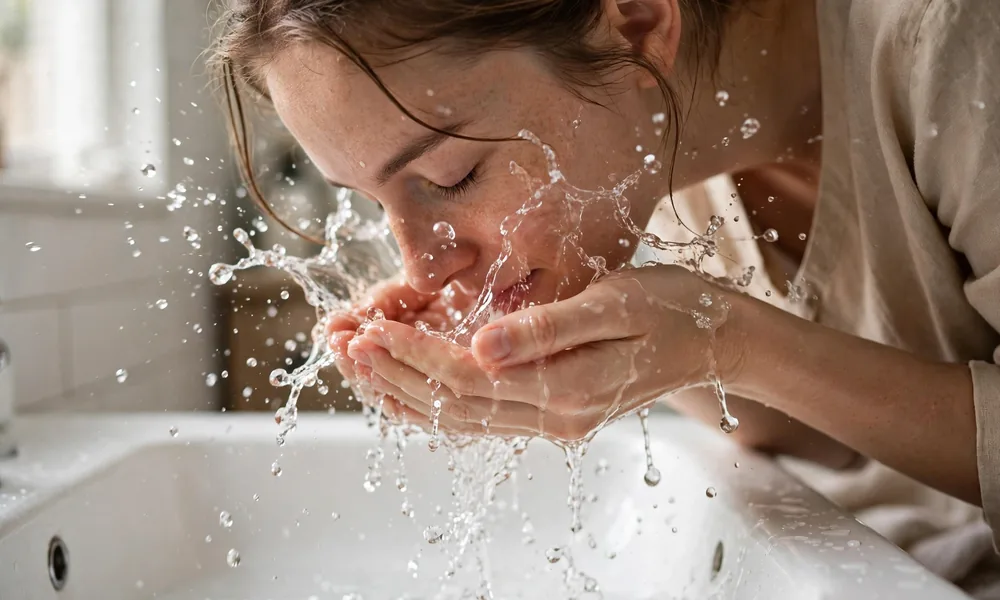
A fresh morning routine takes about three minutes, and it starts at the sink. Wash your hands first, then splash your face with lukewarm water, using soft fingertips and slow circles, never a rough cloth and never a hard scrub.
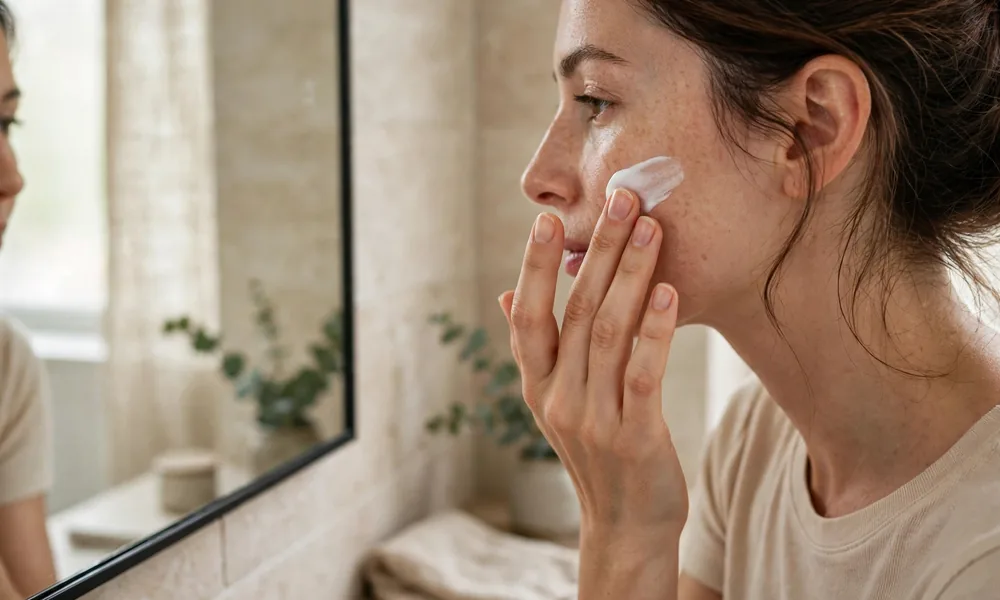
Pat the skin dry with a clean towel, but leave it slightly damp — not dripping, just touched with moisture. Take a small amount of moisturiser, about the size of a pea for the face, warm it between your palms, and smooth it over the damp skin in slow upward strokes.
The Gentle Evening Routine
The evening routine is the same pair of steps, done more slowly. Wash the day away with lukewarm water and a gentle cleanser if you use one, rinse fully, and pat the skin until it is just damp.
Smooth on the moisturiser with the same slow strokes. A slightly richer cream suits the evening, because it has all night to sit on the skin while you sleep.
Choosing a Texture: Gel, Lotion or Cream
Moisturisers come in three textures, and the difference between them is how heavy they feel. A gel is mostly water, light and quick to sink in, and it suits skin that shines easily or feels sticky in warm weather.
A lotion is the middle ground: lighter than a cream, richer than a gel, and the right choice for most skin on most days. It spreads easily, sinks in within a minute or two, and feels comfortable under clothes and makeup alike.
A cream is the richest of the three, thick and slow to sink in, and it suits skin that feels tight, rough or dry, especially in cold months.
Moisturisers at a Glance
| Gel, light | Lotion, middle | Cream, rich |
|---|---|---|
| Sinks in fast | Spreads easily | Lasts all night |
| Shiny skin days | Most skin days | Tight dry days |
| Warm months | All year round | Cold months |
Moisturisers and Dry Skin
Dry skin is skin that has lost a little more water than it kept, and it often feels tight or rough after washing. Water and dry skin covers that condition in full: what dry skin means, how gentle water helps, and how to build a soft routine around it.
This fresh routine overlaps with that guide on one point only: the order of the steps. In both, lukewarm water comes first and a plain fragrance-free moisturiser goes onto slightly damp skin afterwards, because that order is what holds moisture in.
Moisturisers and Flaky Skin
Flaky skin is skin shedding its top layer in small visible pieces, often after cold air, dry rooms or washes that were too hot. Water and flaky skin covers that condition in full, including how to loosen flakes softly with water and a damp cloth, never by picking.
Here, the moisturiser plays the same supporting role: smoothed onto slightly damp skin after a gentle wash, it helps hold moisture in while the surface settles. The flakes themselves are not the subject of this guide, and a moisturiser will not stop skin from shedding.
Moisturisers, Soaks and Rinses
Moisturisers are easy to confuse with soaks and rinses, because water is part of all three, but the three are not the same thing at all. A soak means sitting in water with something stirred into it, like oats or milk, for twenty quiet minutes, and then rinsing it away.
A rinse means water with a little of something mixed in, splashed over the skin and washed straight off again, leaving nothing behind. Both are habits of water, and both are gone from the skin within minutes of finishing.
How to Pick One Jar
Picking a moisturiser is a smaller decision than the shelf makes it look, and a separate guide on this site walks through it step by step. How to choose a moisturiser that suits your skin covers working out your skin type, matching textures to it, reading a label, patch testing and changing with the seasons.
This guide does not repeat that advice. Its job is the daily routine itself: water first, cream second, morning and night, done the same way every day until it feels as natural as brushing your teeth.
Patch Testing a New Moisturiser
Every new moisturiser deserves a patch test, however plain its label looks. Dab a small amount on the inside of your wrist or behind your ear, where the skin is thin and honest, and leave it there for a full day.
Watch for redness, itching, bumps or a burning feeling. If nothing appears after twenty-four hours, the product is probably safe for your face, and you can start using it in the routine. If anything stings or flares, wash it off, stop using it, and try a different plain product.
Common Mistakes to Avoid
The most common mistake is using water that is too hot. Hot water feels good on a cold morning, but it strips the skin and leaves it drier than before, so the moisturiser afterwards has to undo the damage the wash just did.
The second mistake is waiting too long. If you dry the skin completely and then wander off for ten minutes, the damp moment is gone, and the cream sits on dry skin instead of sealing in water. Moisturise within a minute or two of patting dry.
Your Fresh Routine Checklist
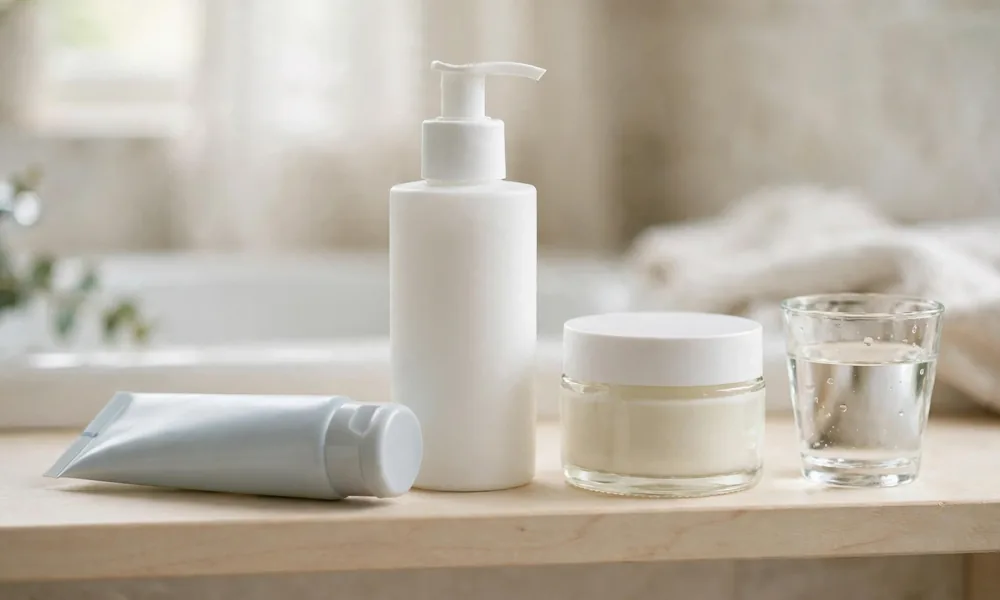
- Wash with lukewarm water, never hot, and rinse fully.
- Pat the skin dry, leaving it slightly damp.
- Smooth a small amount of moisturiser over the damp skin.
- Use a light texture in warm months and a richer one in cold months.
- Patch-test every new product on your wrist first.
- See a doctor if skin stays sore, cracked or unhappy.
Frequently Asked Questions
When should I apply a moisturiser?
Apply it within a minute or two of washing, while the skin is still slightly damp. Pat the skin dry with a clean towel, leave a little moisture on the surface, and smooth the cream over it right away, so the dampness is sealed in rather than left to dry off.
Is a moisturiser the same as a soak or a rinse?
No. A soak means sitting in water with oats or milk stirred in, and a rinse means water splashed on and washed straight off again. A moisturiser is a cream or lotion smoothed onto the skin after water and left there for hours, to slow the loss of moisture.
Which texture should I choose: gel, lotion or cream?
A gel suits skin that shines easily or feels sticky in warm weather, a lotion suits most skin on most days, and a rich cream suits skin that feels tight, rough or dry, especially in cold months. Judge by how your skin feels an hour after washing, and keep it simple.
Can a moisturiser cure dry skin or a skin condition?
No. A moisturiser helps ordinary skin feel comfortable by slowing water loss, but it will not cure dryness from an underlying condition, and it will not heal eczema, psoriasis or any other skin problem. Skin that stays sore, cracked or bleeding needs a doctor, not a jar.
How do I patch-test a new moisturiser?
Dab a small amount on the inside of your wrist or behind your ear and leave it for a full day. If there is no redness, itching or burning after twenty-four hours, it is probably safe for your face. If anything stings or flares, wash it off and try a different plain product.
Should I use the same moisturiser morning and night?
You can, and most people do. A light lotion suits the morning, when the day is ahead, and a slightly richer cream suits the night, when it has hours to sit on the skin. One good jar used twice a day is better than two jars used now and then.
The Bottom Line
Water and moisturisers make a simple fresh routine: a gentle wash with lukewarm water, then a little cream smoothed onto slightly damp skin, morning and night.
A Note for Fresh Skin
Let the water stay lukewarm, the cream stay plain, and the routine stay short. A splash, a pat, a smooth of cream, and the skin is ready for the day.


