
A waterfall is the loudest kind of fresh water, and the quietest kind of day out. You hear it before you see it, a low rush through the trees, and then the path turns, white water falling from a green cliff into a clear pool, with mist rising where it lands.
A visit asks for very little: good shoes, a bottle of fresh water, a cloth, and a morning to spare. There is no ticket to buy, only a path to follow and a slow walk home again.
This guide sets out a simple waterfall-visit ritual, from packing in the morning to washing up in the evening. It is gentle general information only, never medical advice, and plain water does not replace rest, shade, or a doctor when you need one.
Key Takeaways
- A waterfall visit is one short trip out to see falling water, and home the same day.
- A waterfall drops from a height, unlike a stream that flows along, or a pond that sits still.
- Pack light: a bottle, a cloth, a little soap, good shoes, and a snack.
- Drink water slowly through the day, and wash up when you get home.
- Stand on dry rock, keep clear of the edge, and never swim alone.
What a Waterfall Visit Is
A waterfall visit is a short trip to a place where a river drops from a height over rock, falling as a white curtain into a pool below. You walk a path through trees, stand back from the falling water, and come home the same day, with damp shoes and a clear head.
That shape is what makes it different from its neighbours. A mountain stream flows along a path, steady and low, and you walk beside it. A pond sits still, flat and quiet, with no fall and no rush. A waterfall is the third shape: water dropping from above, loud and cool, with mist in the air and a pool at its foot.
Why a Waterfall Visit Feels Fresh
A waterfall feels fresh for three plain reasons. The first is the mist: fine spray drifts off the falling water and cools the air around it, so even a warm morning feels gentle near the falls. The second is the sound: steady white noise that leaves the mind quieter than it was.
The third is the walk itself. A waterfall path climbs a little, crosses stones, and passes through shade, so by the time you arrive you have earned the view. A slow sip of water at the falls tastes better for it.
Planning a Waterfall Visit
Plan a waterfall visit the evening before, so the morning stays easy. Pick a fall you can reach in an hour or two, and check the path is open and the weather is fair. A short fall near a marked trail is the best first visit.
Fill a reusable bottle with fresh water and chill it overnight, and fill a second small one if the day will be long or hot. Pack a small cloth, a little soap, a hat, and sunscreen. Wear shoes with a good grip, because the rocks near a fall are always wet.
The Walk to the Falls
The walk to the falls is half the pleasure, so take it slowly. Drink a glass of water at breakfast before you leave, then follow the marked path through the trees, sipping from your bottle as you go. The ground rises gently, and the sound grows louder.
Stop where the path opens and rest on a dry rock. Save the snack for the falls, and let the cool air reach you. When the white water comes into view, slow down and take it in before you walk any closer.

Standing Beside the Falls
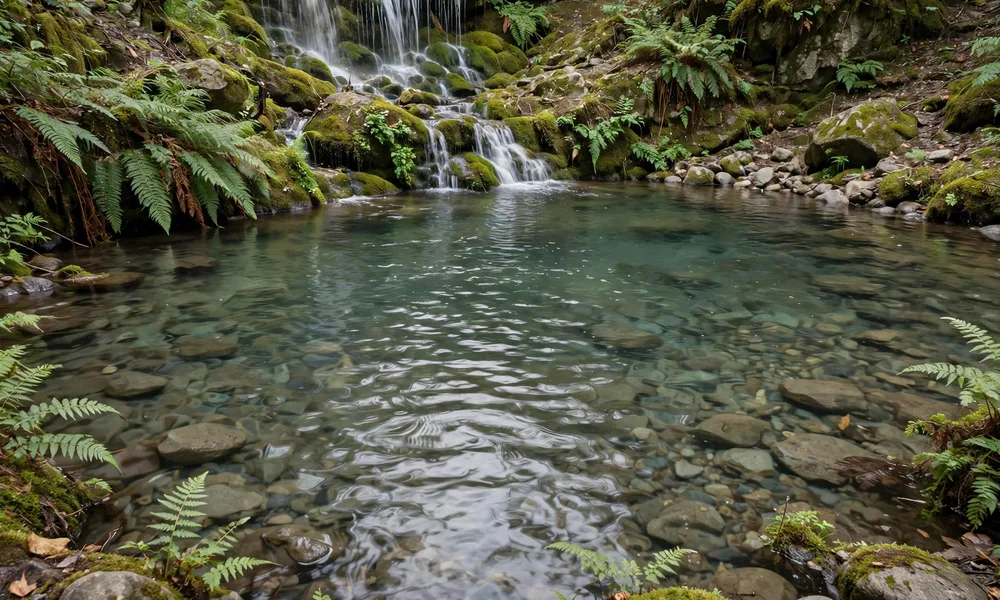
Stand beside the falls on dry rock, a little way back from the spray, and let the mist reach your face. The water drops in a white curtain, breaks into foam at the foot, and settles into a clear pool that runs away as a stream. Watch the pool for a while: smooth stones show through the shallow water.
Drink from your bottle slowly, wipe your hands and face with the cloth, and sit on a dry stone. Do not climb the wet rocks at the edge, and do not step into the pool unless the water is calm, shallow, and watched by someone with you.

Water and a Waterfall Visit at a Glance
| One short trip | Home same day | Pack light |
|---|---|---|
| Bottle filled | Sip every hour | Shade, hat, sunscreen |
| Cloth and soap | Wash before eating | Dry rock only |
| Good grip shoes | Rest at the falls | Never swim alone |
Waterfall Visit and a Mountain Stream
A mountain stream is the closest cousin to a waterfall visit, and the two are easy to mix up. A mountain stream is water flowing along a path, steady and low, winding between stones through a valley, and you walk beside it for an hour.
A waterfall is different: the water does not flow along, it drops. It falls from a height over a rock edge, lands hard in a pool, and throws up mist that cools the air. The stream is a companion for the whole walk, while the fall is a destination at the end of one, loud and tall.
Waterfall Visit and a Pond Visit
A pond visit is the quiet opposite of a waterfall visit. A pond sits still, flat and silent, with no fall and no rush, and you sit on its bank. The water barely moves, and the air around it stays warm.
A waterfall never sits still. It drops, it roars, it throws spray into the air, and the air around it is cool and damp. The pond is for sitting and watching still water, while the fall is for standing and feeling moving water, and a fresh week has room for both.
Waterfall Visit and Day Trips
Water and day trips is the wider guide that a waterfall visit fits inside. A day trip means leaving in the morning and returning the same evening, with no night away and no suitcase to unpack, and a waterfall visit is one kind of day trip, with a fall at the end of the walk.
A day trip can go anywhere, while a waterfall visit goes to one place only, the falls. The packing is the same: a bottle, a cloth, a little soap, and a snack, and the rule is the same too: drink slowly, and wash up at home.
Waterfall Visit and Boat Days
Water and boat days is the other kind of water day. A boat day is spent out on open water, where the sun feels stronger, since its light reflects off the surface all around, there is nowhere shady to step into, and a life jacket belongs in the packing.
A waterfall visit stays on land. The boat day asks for a life jacket and a canopy, while the waterfall visit asks for good shoes and dry rock, and both ask for a bottle of fresh water sipped slowly through the day.
Waterfall Visit and Picnics
Water and picnics is the meal outdoors that often shares a waterfall morning. A picnic means eating outside, beneath a tree or out in an open field, with a basket, a blanket, and food served on the grass.
A waterfall visit is the whole trip, not just the meal, and the food is only a small part of it. You may eat your snack on a dry rock near the falls, but the fall is the reason you came, not the food. Keep the food covered, wash your hands before you eat, and carry the rubbish home.
Staying Safe and Comfortable
Staying safe beside a waterfall takes small habits. Wear shoes with a good grip, stay on the marked path, and stand on dry rock back from the edge. Wet rock near a fall is slippery, and a wet ledge is the danger to respect most.
Say this plainly: plain water does not replace sunscreen. Drinking water, splashing with cool water, and sitting in the shade all help, but none of them blocks the sun, and only shade, clothes, and sunscreen do that. If a skin question comes up, take it to a doctor, and patch-test any new soap or cream on a small spot first. Never swim alone, and if the water is high after rain, admire the fall from further back.
Your Waterfall Visit Checklist
- Fill a reusable bottle the evening before and chill it overnight.
- Pack a cloth, a little soap, a hat, sunscreen, and a snack.
- Wear shoes with a firm grip for wet rock.
- Sip water slowly, and rest in the shade at midday.
- Stand on dry rock, keep back from the edge, and never swim alone.
- Wash up once home, and fill the bottle again for tomorrow.
Frequently Asked Questions
How much water should I pack for a waterfall visit?
Carry one full reusable bottle, plus a small spare when the day looks long or hot. Take a glass with breakfast, sip a little every hour, and top up at a cafe or a park tap.
Can I swim in the pool below a waterfall?
Only if the water is calm and shallow, the pool is known safe, and someone is watching with you. Never swim alone, never dive into a pool you do not know, and stay out when the water is high after rain.
What shoes should I wear to a waterfall?
Wear closed shoes with a good grip, because the rocks near a fall are always wet and slippery. Avoid smooth soles and open sandals.
Is a waterfall visit the same as a day trip?
No. A day trip is any single day out and home the same evening. A waterfall visit is one kind of day trip, with a fall at the end of the walk.
Is a waterfall visit the same as a pond visit?
No. A pond sits still, flat and quiet, with no fall and no rush. A waterfall drops from a height, with mist in the air and a pool at its foot.
What should I do when I get home?
Rinse your hands and face, take a long drink of fresh water, and empty the bag by the door. Rinse the bottle and the cloth, hang them to dry, and fill the bottle again so tomorrow starts ready.
The Bottom Line
A waterfall visit is one short trip out and home the same day: a bottle filled, good shoes on, water sipped slowly, and a fall that drops white into a clear pool.
A Note for Fresh Days Out
Travel light, stay fresh, make it one day. A bottle of water, a good path, and falling water can bring you home feeling clean.


