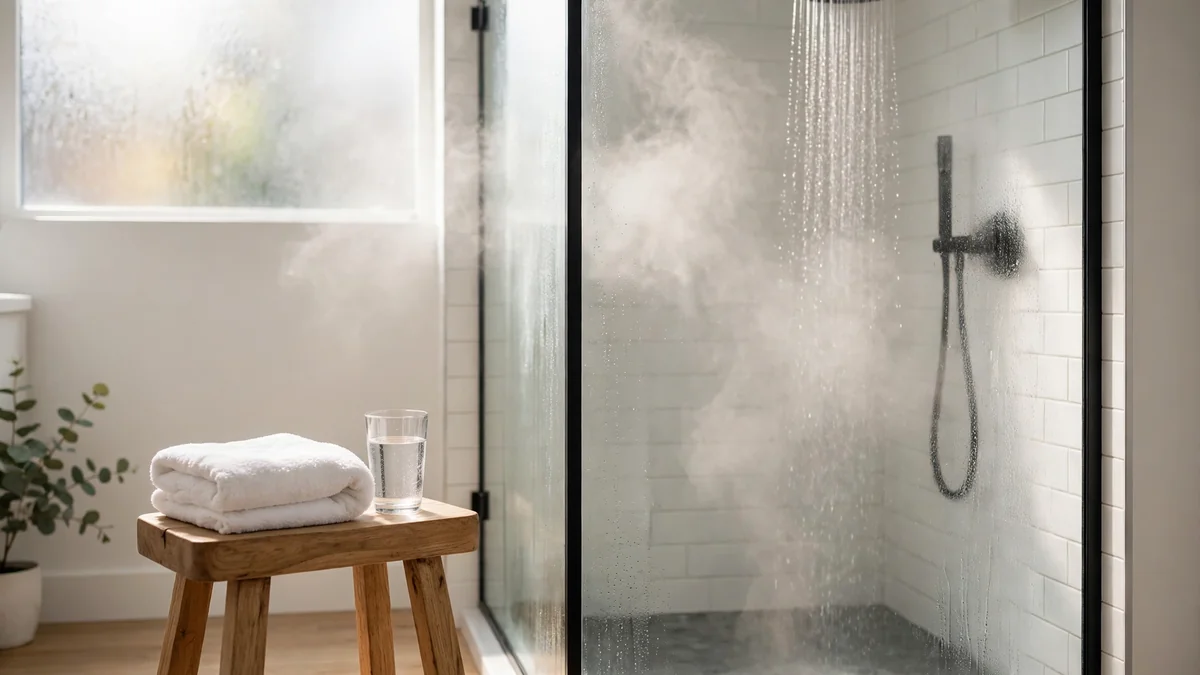
A warm shower is one of the smallest pleasures of an ordinary day. The bathroom door closes, the water runs warm over tired shoulders, and for a few minutes the rest of the house can wait. It costs little, it takes little time, and it leaves you feeling clean and steady.
Water and warm showers means keeping that small pleasure simple: lukewarm water, a slow wash, and a gentle dry-off afterwards. Nothing here is a test, and nothing here is meant to shock the body. It is a calm habit for mornings and evenings alike.
What follows traces a single warm shower from start to finish: readying the bathroom, finding water at a kind temperature, washing at an easy pace, and drying off well. Treat this as everyday guidance for ordinary days, not advice from a doctor, and ask a doctor about anything that worries you. Showers do not cure illness.
Key Takeaways
- A warm shower means lukewarm water, never hot and never cold.
- Warm showers are gentle from the first minute, unlike cold showers.
- Get the towel, robe and glass of water ready before you step in.
- Wash slowly with mild soap, rinse well, and step out unhurried.
- A shower is a fresh daily habit, not a treatment for any illness.
What Water and Warm Showers Means
Water and warm showers means one simple thing: standing under lukewarm water in an ordinary shower, washing slowly, and stepping out feeling fresh. It is not about the water itself, and it is not about how long you can stay in; it is about the easy rhythm of a daily wash, warm water on the skin, steam in the air, and a few quiet minutes to yourself.
A warm shower asks little of your body. The water feels easy from the first minute, the breath stays slow, and there is no shock to brace against. That ease is the whole point of the ritual, and it is what makes it worth keeping.
Why Warm Water Feels Gentle
Warm water feels gentle for three plain reasons, and they all work together. First, lukewarm water is close to the temperature of your own skin, so it arrives without a jolt. Second, the steam softens the air around you, so the bathroom feels warm before the water even touches you. Third, the slow wash gives your hands something steady to do, and steady hands calm a busy morning.
The result is a small pocket of calm inside an ordinary day, and it asks for nothing more than a tap, a towel, and a few unhurried minutes.
Before You Step In: Getting Ready
Ready the bathroom while you are still dry, before the tap is even touched. Set a warm towel, a robe and a glass of water on the stool by the shower, so everything you need is waiting when you step out.
Get to know the taps first: find which way turns the water warmer and which way cooler, and let a little run over your wrist to judge it. Keep the door shut and a dry mat underfoot, so the room stays warm and steady. Take off rings and chains beforehand, so nothing catches or drops.
Your Warm Shower, Step by Step
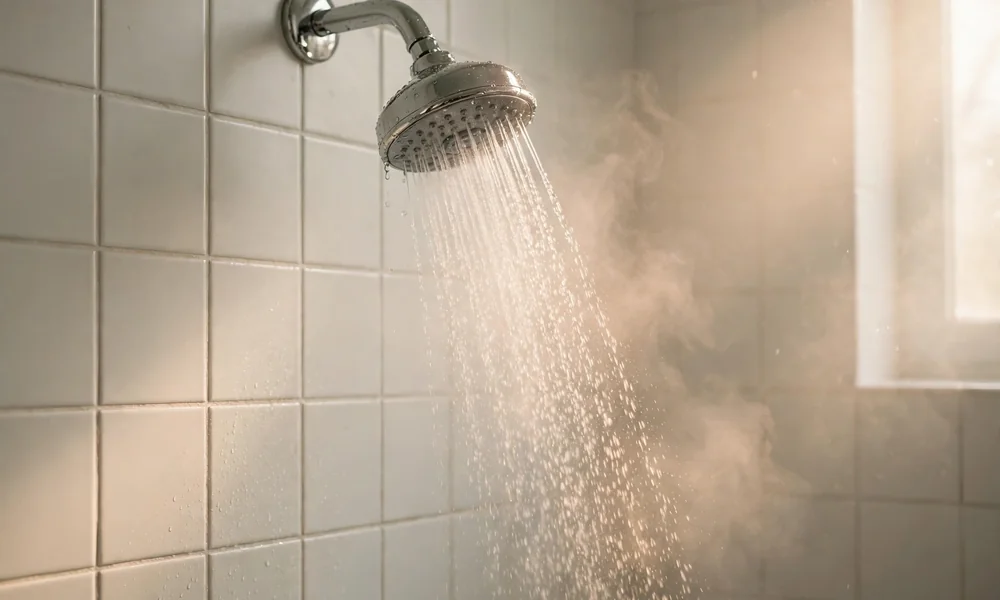
Step in once the water runs lukewarm, and let it fall over your shoulders first. Stand under it a moment, breathe slowly, and let the warmth settle before you reach for the soap. Wash with a mild soap, gently, in slow circles, and rinse well, letting the water carry the soap away.
Keep the shower short, five to ten minutes, and keep the water lukewarm from start to finish. When you are clean, turn the tap off, step out onto the dry mat, and wrap up in the towel straight away. That slow, calm wash is a complete success.
Water and Warm Showers at a Glance
| Lukewarm water | Slow mornings | Dry off well |
|---|---|---|
| Warm, never hot | Before work, evening | Towel, robe, water |
| Short, gentle rinse | Step in, breathe | No rush, no chill |
| Glass beside shower | Wash, rinse, rest | Sip water slowly |

Warm Showers and Cold Showers
Cold showers and warm showers share the same room and the same tap, yet they feel like opposite habits. Cold showers for beginners looks at washing with cool water, or ending a warm wash with a brief cool burst, and the chill bites the skin, so first tries stay very short and the tap stays firmly in hand.
A warm shower asks for none of that care. Its water runs lukewarm from the moment you step in, your breathing stays easy, and there is no gasp, no shiver, and no counting down the seconds. Cool water startles the body awake; warm water settles it. One is a trial to grow into bit by bit, the other is a soft habit to enjoy straight away.
Warm Showers and Bath Music
A bath with music and a warm shower both soften an evening, yet they belong to different rooms and different kinds of water. Music with a relaxing bath is about lying back in a warm tub at home, tunes playing low, a fresh towel within reach, and twenty unhurried minutes of stillness.
A warm shower is briefer and lighter. You stand, wash, rinse, and step out within ten minutes, with no tub to fill and nothing to drain away. The bath is a long soak to sink into; the shower is a quick rinse to pass through. Both finish with a warm towel, yet only the shower slips neatly into a hurried morning.
Warm Showers and Hot Springs
Hot springs and warm showers both use warm water, yet one is a journey and the other is a habit at home. Hot springs for a simple soak is a soak in natural warm water, outdoors, in a place you travel to, with mineral water and open air around you.
A warm shower needs no journey at all. It is your own bathroom, your own tap, and your own towel, ready any morning or evening without packing a bag. The spring is a rare outing to plan and remember; the shower is a small daily comfort to repeat. Both are warm water, but only the shower is waiting for you at home.
Warm Showers in the Evening
A warm shower suits the evening as well as the morning, and the evening version is slower still. After a long day, the bathroom feels like a small room of its own, warm and quiet, and the water washes the day away without asking anything of you.
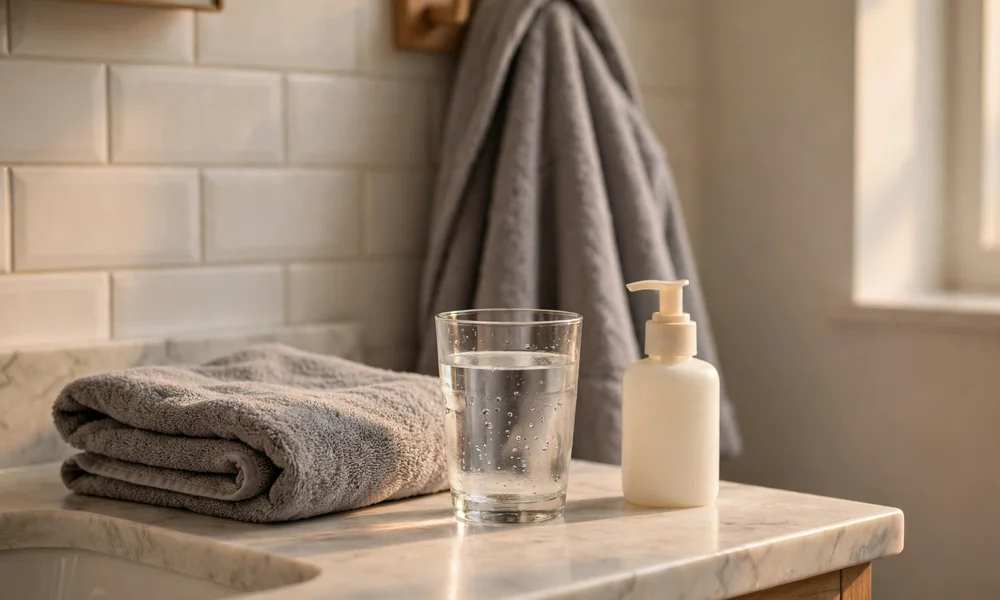
Keep the evening shower just as short and lukewarm as the morning one, and dry off in the warm bathroom before you step into the cooler hall. Put on loose clothes, sip your glass of water, and let the rest of the evening run gently. A book, a made bed, and a quiet house are all that is left to do.
After the Shower: Drying Off
Drying off well matters as much as the wash itself. Pat your skin dry with the warm towel, gently, instead of rubbing hard, and put on your bathrobe while the bathroom is still warm. Sip your glass of water slowly, and let the steam fade before you open the door to a cooler room.
Move around the house, get dressed in dry clothes, and let your body settle at its own pace. Do not step into a cold room in wet clothes, and do not rush back into the day. Warm, dry, and slow is the way to finish.
What to Wear and Keep Nearby
Wear loose, dry clothes after a warm shower, and shoes that are easy to slip on while your feet are still warm. A light layer for the walk to the kitchen is worth keeping nearby, since the house feels cooler once you leave the warm bathroom, and a robe folded over a chair weighs almost nothing.
Keep as little as you need within reach: a towel, a robe, a glass of water, a mild soap, and a dry mat. A small shelf by the shower holds the whole kit, and the ritual stays simple when nothing is missing.
Your Warm Shower Checklist
- Lay out a warm towel, a robe and a glass of water first.
- Test the water on your hand and keep it lukewarm.
- Wash slowly with mild soap, then rinse well.
- Keep the shower short, five to ten minutes.
- Dry off at once, wrap up warm, and sip water slowly.
- A shower heals nothing; see a doctor for health problems.

Frequently Asked Questions
What is a warm shower?
A warm shower is a shower taken with lukewarm water, never hot and never cold. You step in, wash slowly with mild soap, rinse well, and step out feeling fresh and clean.
How hot should the water be?
Keep the water lukewarm, close to the warmth of your own skin, so it feels easy from the first minute. Test it on your hand before you step in, and turn it cooler if it stings or feels too hot.
How long should a warm shower last?
Five to ten minutes is enough for a slow wash and a good rinse. Longer showers can dry the skin, so keep it short, step out onto the dry mat, and wrap up in the towel.
Is a warm shower different from a cold shower?
Yes, very different. A cold shower uses cool water that feels sharp on the skin and makes you gasp, so beginners keep it very short. A warm shower uses lukewarm water that feels gentle from the first minute, with no shock at all.
Will a warm shower heal anything?
No. Warm water will not mend an illness, clear a skin problem, or stand in for medical care. It is simply a fresh daily habit. A genuine health problem belongs with a doctor.
When should I see a doctor about my health?
Ask a doctor when a worry hangs on, or the same trouble comes back again and again. These pages offer everyday guidance, not a stand-in for a clinician's care.
The Bottom Line
Water and warm showers go together simply: lukewarm water, a slow wash, and a gentle dry-off. Keep it warm, keep it short, and let the fresh feeling carry the morning.
A Note for Fresh Mornings
Keep it warm, keep it slow, keep it simple. A lukewarm shower, a warm towel, and a glass of water can carry a whole morning.


