Cold water has a way of waking you up. A cold splash on the face, a cool rinse on a warm day, or a short burst of cold water at the end of a shower can leave you feeling fresh, alert, and ready for the morning. It is a small habit, and it costs nothing, which is part of its charm.
A cold shower is not the same as a cold plunge. A shower is standing water falling over you, and you can step out of it at any moment, turn the tap warmer, or stop altogether. That control is what makes it a good place for a beginner to start, as long as you start slowly and listen to your body.
This guide is gentle general information only, never medical advice. It explains what a cold shower is, how to prepare, how to keep your first tries short, and how to build a calm daily habit around it. It makes no promises about health or beauty, and it will not cure anything.
Key Takeaways
- A cold shower means cool water falling over you in an ordinary shower, never a long or extreme soak.
- Cold water can make you gasp and raise your heart rate, so start slowly and stay in control.
- People with heart or blood-pressure problems should talk to a doctor first.
- Keep first tries very short, step out if you feel dizzy or unwell, and warm up gently afterwards.
- Cold water is a comfort habit, not a treatment, and it will not cure any condition.
What a Cold Shower Is
A cold shower is simply a shower taken with cool water, or a warm shower finished with a short burst of cool water. The water is cool enough to feel sharp on the skin, and the body reacts at once: the breath quickens, the skin tightens, and the heart beats faster. That reaction is the reason it needs care, even though it is brief.
A cold shower is not a cold plunge. A plunge means a short, careful immersion in cold water, usually in a tub, and it is described in cold plunge skin for beginners, where the whole body goes under water. A shower is lighter than that: you stand, you control the tap, and you can stop at any second.
Why Beginners Should Start Slowly
Beginners should start slowly because the body needs time to learn what cold water feels like. The first cold burst is always the hardest, and the cold can be a shock even to people who are fit and healthy. Start with short exposures and mild cold, with no pressure to stay under longer than feels comfortable.
Slow also means honest. If the cold feels too much, step out or turn the tap warmer. There is no prize for enduring it, and no benefit in forcing yourself to stay. Build up gently, over weeks, adding a little time at each step. Treat the first month as practice, not performance.
Safety First: Who Should Talk to a Doctor
Safety comes before everything else in cold showers, and some people should not try them at all without a doctor's advice. If you have a heart condition, high or low blood pressure, fainting, epilepsy, asthma, or any condition affecting your heart, breathing, or circulation, talk to a doctor first. Cold water can raise blood pressure and heart rate sharply.
Never shower alone with cold water if you feel unwell, and tell someone at home what you are doing before you start. Do not try a cold shower after drinking alcohol, after a heavy meal, or when you are already very cold, tired, or unwell. Get out at once if you feel dizzy, numb, confused, short of breath, or unwell in any way.
Preparing Your First Cold Shower
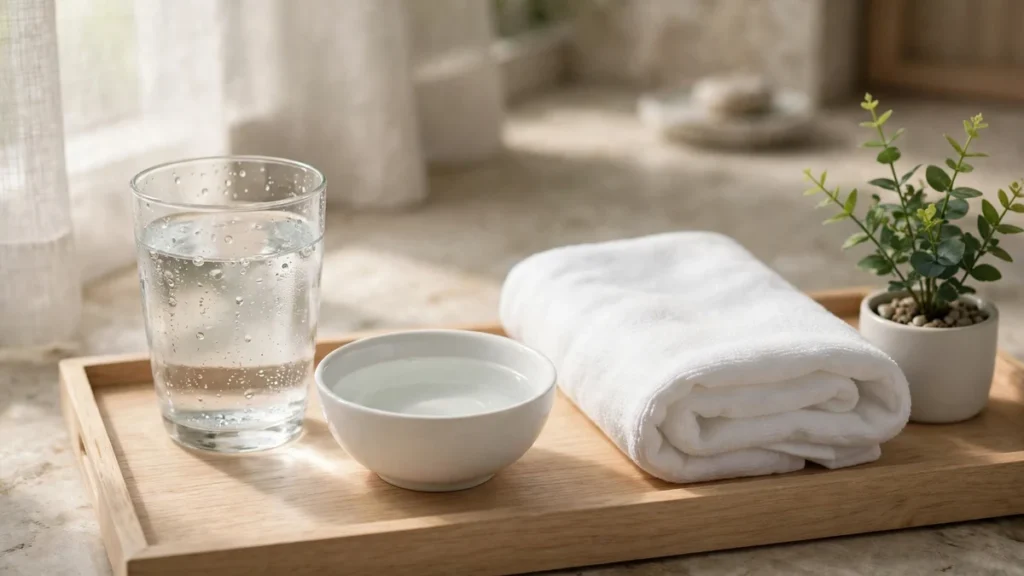
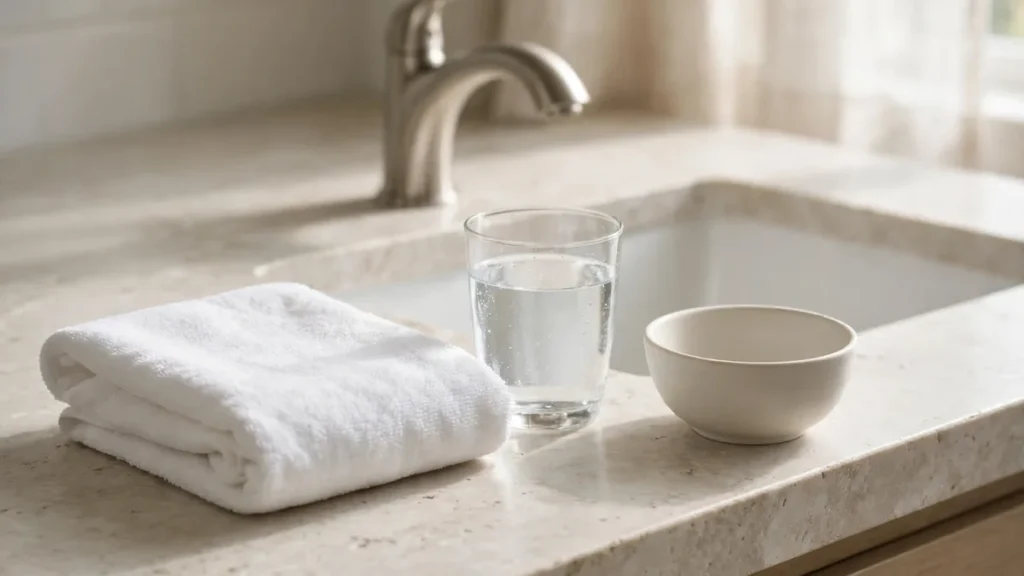
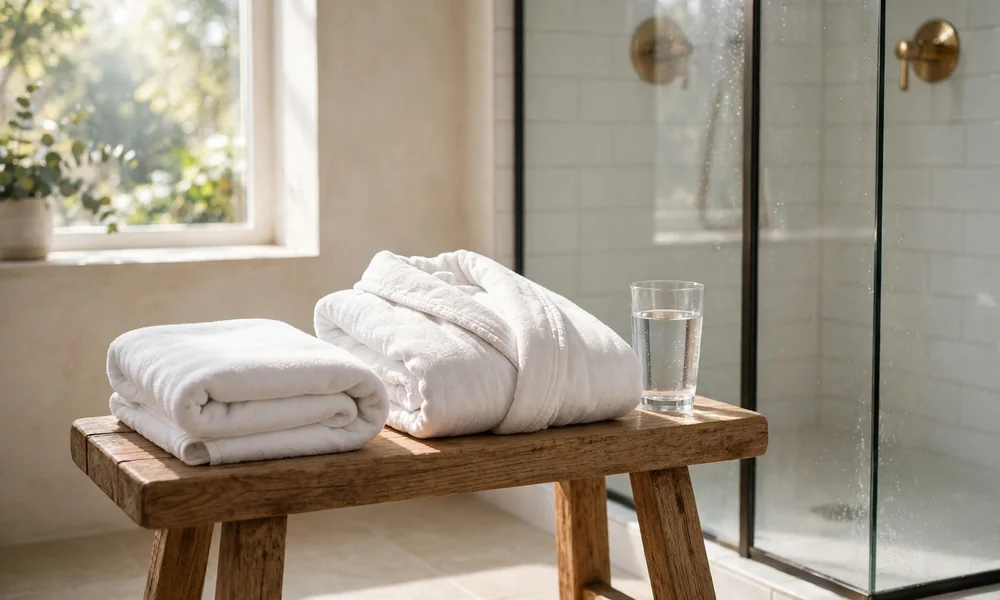
Preparation starts the day before, not at the shower door. Choose a calm day when you feel well and rested, and pick a morning when you are not in a rush. Lay out a warm towel, a bathrobe, and a glass of water before you step in, so warming up afterwards is easy and quick.
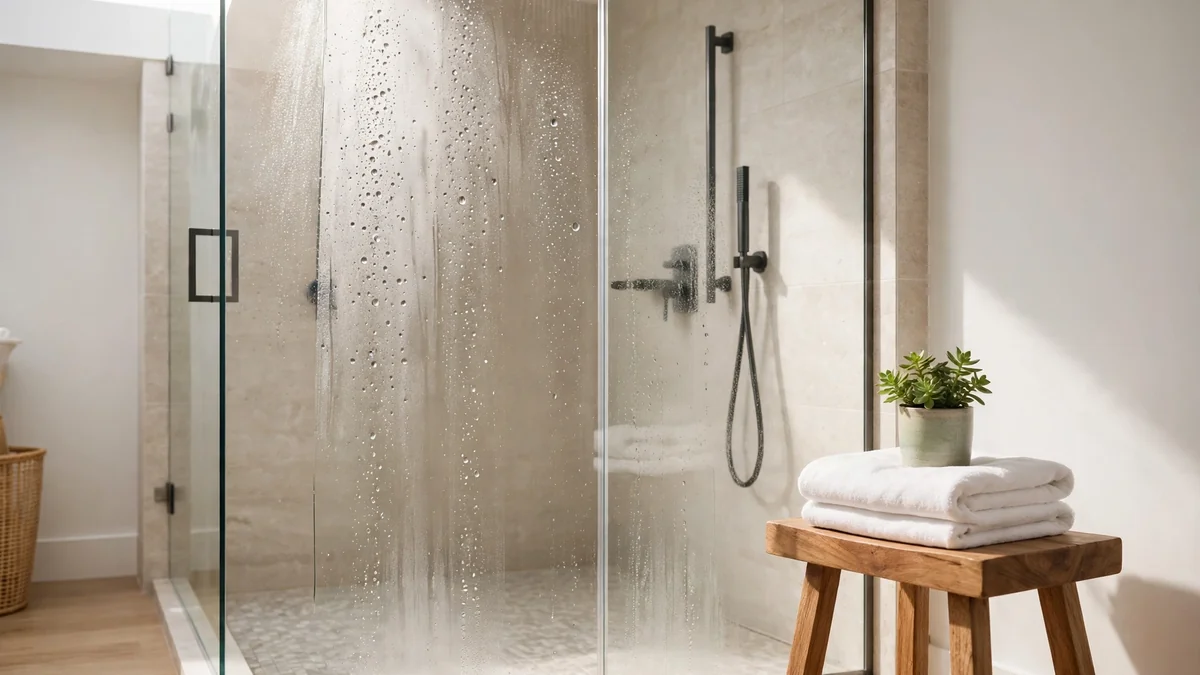
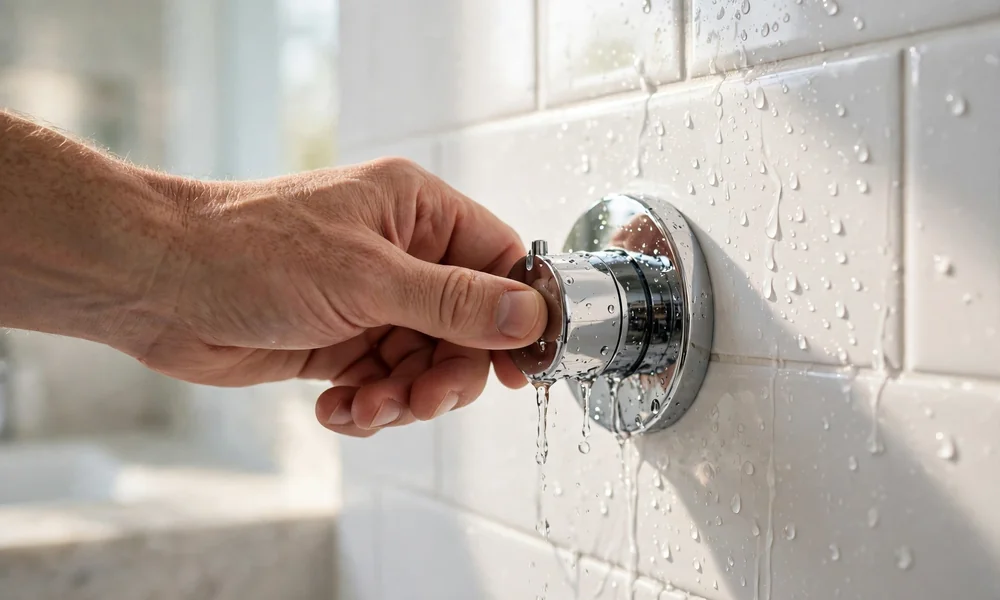
Check the shower first. Learn where the mixer tap turns warm and cool, and test the water on your hand before it touches your body. A bathroom that is warm, with the door closed and a dry mat on the floor, keeps the whole try safer and more comfortable.
Your First Cold Shower, Step by Step
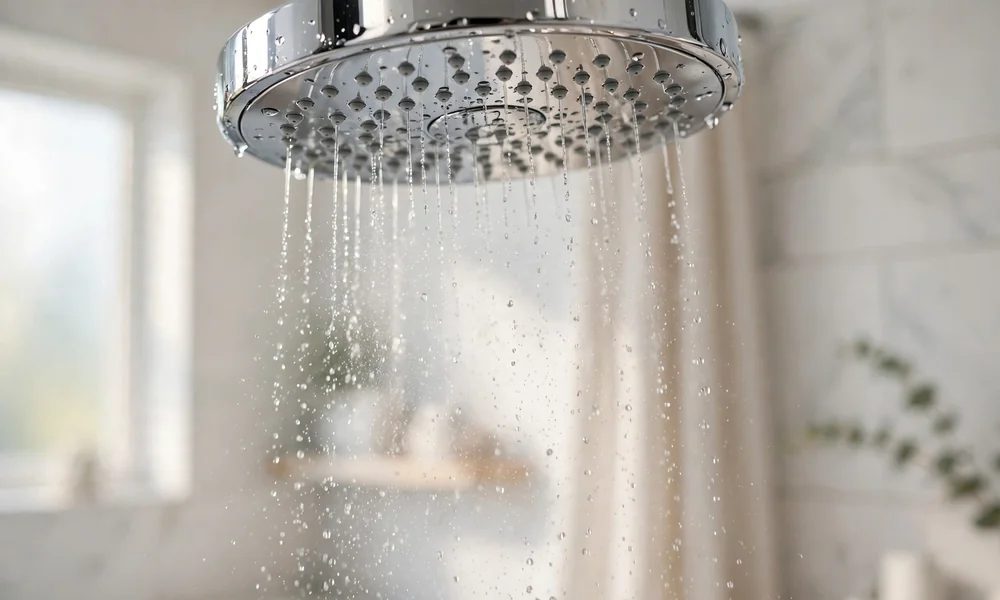
Start with a normal warm shower, and wash as usual. When you are warm and clean, turn the tap slowly towards cool, a little at a time, and let the water fall on your feet and legs first. Breathe slowly, and let your body get used to the cool before it reaches your chest.
For your first try, keep the cool water to about thirty seconds, or even less if that is enough. Stand under it, breathe, and then turn the tap warm again or step out. Dry off at once, wrap up warm, and notice how you feel. That short, calm try is a complete success.
After the Shower: Warming Up
Warming up gently matters as much as the cold water itself. Dry off well with a warm towel, put on your bathrobe, and sip your glass of water slowly. Move around the house, make a warm drink, and let your body warm up on its own, at its own pace.
Do not jump into a very hot shower straight after the cold one, and do not stand in a cold room in wet clothes. Warm, dry, and slow is the way to finish. If you feel shivery for a long time, or unwell in any way, warm up fully and rest, and try a shorter burst next time.
Building a Gentle Daily Habit
A gentle daily habit grows from small, regular tries, not from one big effort. Keep the same short routine each morning: warm shower first, a brief cool finish, then warm up and go about your day. The same time each day helps the body learn what to expect.
Add only a little at a time, over weeks. Ten seconds more one week, a touch cooler the next, and only when the last step felt easy. Some mornings will feel harder than others, and that is normal. Skip the cold finish on a day when you feel tired or unwell, and come back to it tomorrow.
Cold Showers and Your Skin
Cold water makes the surface of the skin feel tight and cool, and afterwards the skin often looks flushed as warmth returns. Some people enjoy that fresh, awake feeling, and some find the cold too sharp to enjoy at all. Both reactions are normal, and neither one means the water is doing anything special.
Keep the cool burst short, and do not scrub hard while the water is cold. Wash with lukewarm water and a mild soap, and save the cold finish for the end. How warm, cool, or cold water suits the skin is described in water temperature skin guide, where hot, warm, and cold water are compared side by side.
Common Beginner Mistakes
The most common beginner mistake is starting too cold, for too long, on the very first day. A full cold shower from the first second is a shock, and a shock is not a habit. Begin with a warm shower and a short cool finish, and let the body learn the feeling slowly.
Other mistakes are easy to avoid. Do not hold your breath, do not rush, and do not try a cold shower when you are already cold or unwell. Do not expect the cold water to cure anything or fix a health problem. It is a fresh morning habit, and that is all it needs to be.
Cold Showers at a Glance
| Short burst | Start slow | Stay safe |
|---|---|---|
| Warm shower first | Thirty seconds first | Doctor if unsure |
| Cool finish only | Add seconds weekly | Step out dizzy |
| Feet then chest | Breathe slow always | Warm up gently |
| Towel ready nearby | Skip tired days | No cold alone |
Your Cold Shower Beginner Checklist
- Lay out a warm towel, a bathrobe, and a glass of water first.
- Start with a normal warm shower and wash as usual.
- Turn the tap cool slowly, feet and legs first, then chest.
- Keep the first cool burst to thirty seconds or less.
- Dry off at once, wrap up warm, and sip water slowly.
- Skip the cold finish if you feel tired or unwell, and ask a doctor if unsure.
Frequently Asked Questions
What is a cold shower?
A cold shower is a shower taken with cool water, or a warm shower finished with a short burst of cool water. The water feels sharp on the skin, so beginners keep the cool part very short and stay in control of the tap at all times.
How long should my first cold shower be?
Keep the cool part to about thirty seconds, or even less if that is enough. Start with a warm shower, turn the tap cool slowly, and step out or turn it warm again whenever you like. A short, calm try is a complete success.
Will cold showers cure a health problem?
No. Cold showers will not cure any health problem, fix a skin condition, or replace medical care. They are a fresh morning habit, and nothing more. If you have a real health problem, talk to a doctor instead.
Who should talk to a doctor first?
Anyone with a heart condition, high or low blood pressure, fainting, epilepsy, asthma, or any condition affecting the heart, breathing, or circulation should talk to a doctor first. Cold water can raise blood pressure and heart rate sharply, so ask before you try.
Should I take a cold shower every day?
You can try a short cool finish most days if it feels good, but there is no rule that says every day. Skip it when you feel tired or unwell, and build the habit slowly over weeks, adding only a little time at each step.
How does a cold shower fit a morning routine?
A cold shower fits best as a short finish to a warm shower, followed by drying off, a warm drink, and a calm start to the day. One good example is described in water first morning routine, where water opens the morning gently, before the day begins.
The Bottom Line
Water and cold showers are a small morning habit: warm first, cool briefly, warm up gently.
Start slow, listen to your body, and let the habit grow.
A Note for Slow Mornings
Keep it short, keep it warm first, keep it gentle. The morning will do the rest.