A toddler is a small person on the move. The morning starts with small feet on the floor, a cup knocked over at breakfast, and hands that have already touched the floor, the dog, and the garden gate before the day is an hour old. Toddlers are not babies any more: they walk, they reach, they pour, and they want to do things themselves, even when the doing takes twice as long.
Water is the kindest helper for those busy little days. A small cup of their own, a short wash at the sink, a warm bath before bed: none of it needs to be fancy, and all of it fits into the hours a toddler already lives. This guide gathers those small habits into one simple fresh routine, from the first morning cup to the last bath of the day.
All of this is gentle general information, not medical advice. It is about fresh, calm, unhurried days around a toddler at home, and any health question about the child belongs with a doctor.
Key Takeaways
- Toddlers are walking little children, not babies, and their water routine fits their busy days.
- A small cup of their own and a step stool at the sink make washing a game, not a chore.
- Baths stay short, warm, and calm, with an adult within arm's reach the whole time.
- Little sips of plain water through the day beat one big glass forced at once.
- This is gentle general information only; health questions go to a doctor.
What a Toddler's Fresh Routine Is
A toddler's fresh routine is no timetable. It is a small set of habits that come round again each day: a cup poured, hands washed, a towel folded, a bath run. Each one takes a minute or two, and together they give the day a steady shape that a small child can learn by heart.
Toddlers love doing the same thing the same way. The cup lives on the same shelf, the towel hangs on the same hook, and the bath runs at the same hour each evening. That sameness is safe to a toddler, and a child who knows what comes next cooperates without a fuss. Keep the routine small enough to hold on a tired day, and it will hold for months.
Morning Water with a Toddler
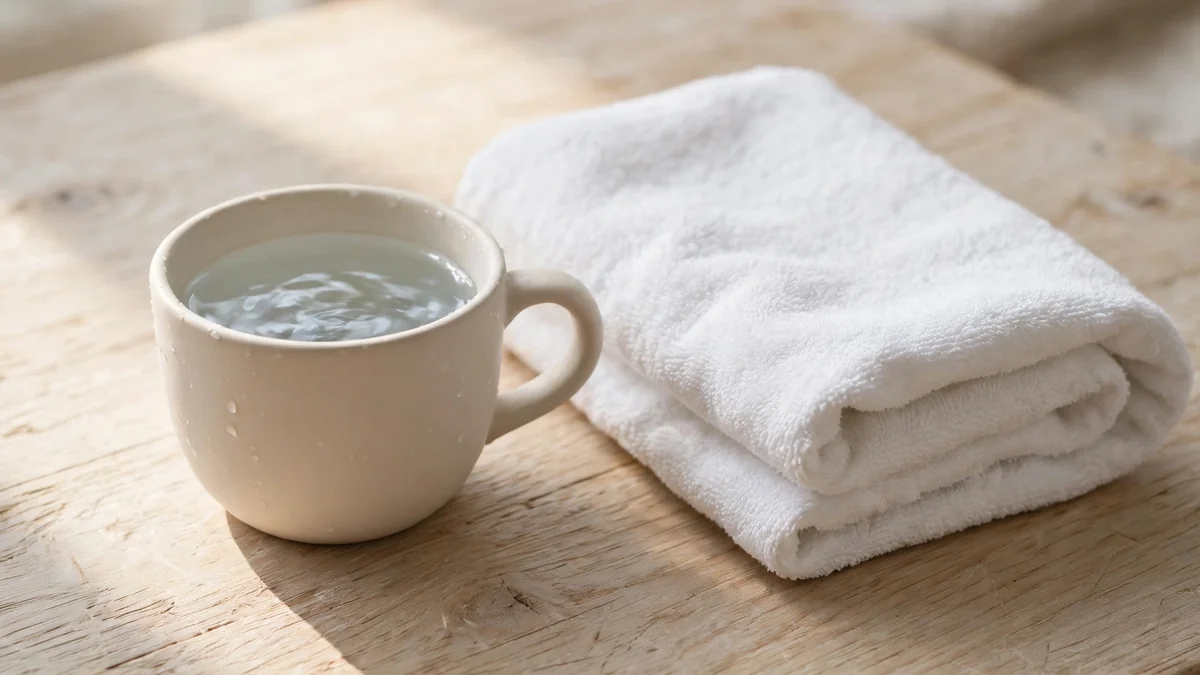
The morning starts at the kitchen table, with a small cup of fresh water for the toddler and one for you. Let the child carry their own cup if they want to, even if a little spills: carrying it is half the fun. Sit together for a few minutes before the day rushes in, and drink slowly.
Keep a small jug of water where the toddler can see it, low enough to reach but steady enough not to tip. A jug the child can point at and ask for is a jug that gets used. Open a window for fresh air while you sit, and let the day start gently.
Washing Little Hands and Faces
Small hands touch everything, so they need washing more than any other part of the body. A step stool by the sink lets the toddler reach the tap, and a small cup of their own lets them rinse without a fuss. Turn the tap to lukewarm, wet the hands, and add one small drop of mild soap. Rub the palms, then the backs, then the fingers, then the thumbs, working the soap in gently.
Rinse under the running water, then pat the hands dry with a soft towel instead of rubbing. Wash after the toilet, after playing outside, after touching animals, and before eating. A face needs only plain water most days: dampen a soft cloth, wipe across the cheeks and chin, and pat dry.

Bath Time, Short and Warm
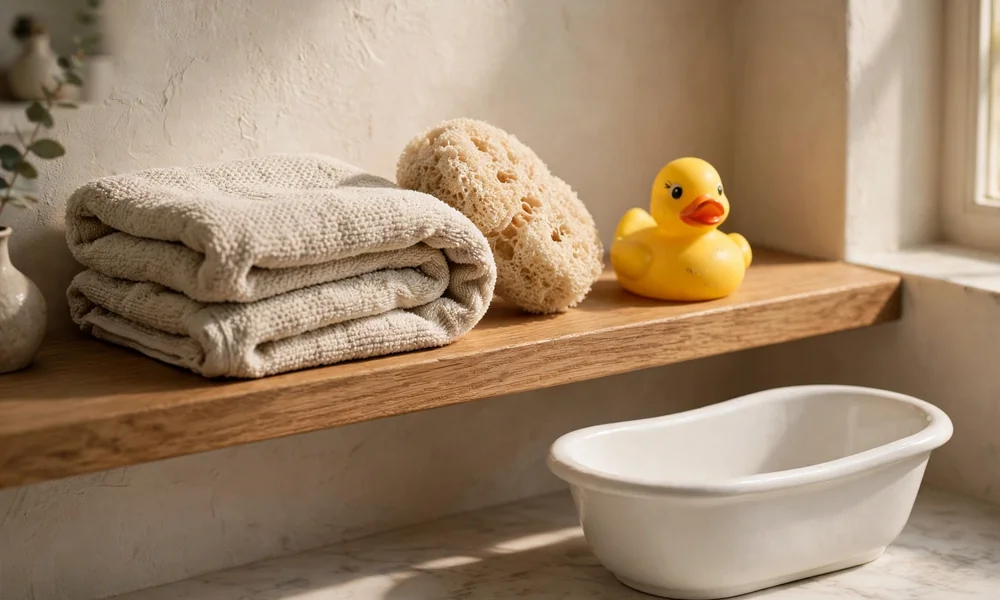
Bath time should be warm, short, and calm. Fill the bath shallow, dip your wrist in first to check the water feels warm and kind, and keep the room warm. A few minutes is enough for most baths. A soft sponge, a mild wash, and a toy duck are all the bath needs.
Wash from the face down, plain water first, mild soap only where the skin is truly dirty. Rinse well, lift the toddler out with care, and wrap them in a soft towel. Pat dry, never rub. An adult stays close through the whole bath: a toddler is never left alone near water, not in a bath, not at a sink, and not beside a bucket.
Drinking Water Through the Day
A quiet habit worth building early is sipping water through the day. Set a small glass of fresh water beside the toddler at meals and between playtimes, and leave a small jug where they can spot it. A few small sips often through the day work better than one large glass pushed at once, and plain water is always the best choice.
A busy toddler forgets to drink, so a soft reminder helps: a cup at lunch, a cup after play, a cup before bed. Add nothing to the water, and keep every stone out of a toddler's drink. If the child asks for water, pour it at once.
Water and Toddlers at a Glance
| Lukewarm water | Short routine | Soft towel |
|---|---|---|
| Wrist check first | Small cup daily | Pat skin dry |
| Mild soap only | Few minute bath | Never rub hard |
| Sips through day | Adult stays near | Doctor for worries |
Toddlers and Baby Skin
Water and baby skin is about a baby's skin, thinner and softer than a toddler's. A baby is washed lying down, with a cloth and a basin, in a shallow baby bath. A toddler is different: they stand at the sink on a step stool, splash in a big bath, and wash their own hands with an adult watching.
The two guides share the same gentle ideas, lukewarm water, a mild wash, and patting dry, yet they belong to different ages. Baby skin asks for the softest care of all, while toddler skin is sturdier and ready for more independence: a stool, a cup, and a wash the child helps with.
Toddlers and a New Baby
Water and a new baby is about the very first weeks at home, when the routine is at its simplest: a glass beside the bed, a jug kept full, a short warm wash in a small basin, and folded blankets on a shelf. A toddler's routine is the next chapter, when the baby has grown into a walking child.
The new-baby guide keeps the parent's own water close at hand, because a new parent forgets to drink. The toddler guide turns the attention around: now the child has their own cup, their own stool, and their own part in the routine. The habits grow with the child, from a basin wash held by a parent to a bath the toddler steps into alone.
When the toddler grows older, the water and children guide takes these same gentle habits further, for bigger little hands and longer days.
Keeping the Routine Simple
Keeping a toddler routine small is the hardest part. Tips pour in from every side, and the list of things to buy keeps growing longer by the day. This routine asks for almost nothing: a small cup, a step stool, a soft towel, a mild soap, and a jug.
Any habit that eats more than a few minutes is too large for these years. Pour the water, wash the hands, run the bath, fold the towel, and let the rest wait. The only routine worth keeping is one that still works on a tired day. If a bath is skipped one night, a quick wash with a warm cloth will do.

Gentle Care Around Water
Water routines are gentle general ideas that suit almost everyone, yet a little care still belongs in each day. Rinse cups well, clean the jug before each refill, and pour fresh water instead of using a jug that has stood since yesterday. Water is comfort, not a cure: it cannot settle a health worry, and it should never be dressed up as medicine.
If a toddler's skin stays dry or itchy for days, that is a question for a doctor, not for a new product. Keep baths short and lukewarm, pat the skin dry, and smooth a plain cream onto damp skin if you like. When redness or itching lingers, ask a doctor promptly rather than trying something stronger.
Your Toddler Water Checklist
- Pour a small cup of fresh water for the toddler each morning.
- Check bath water with your wrist first: lukewarm, never hot.
- Stay within arm's reach whenever a toddler is near water.
- Wash little hands with mild soap, then pat them dry softly.
- Put a small glass of plain water on the table at meals and between playtimes.
- A health worry belongs with a doctor, never with a routine.
Frequently Asked Questions
How often should a toddler wash their hands?
After using the toilet, after playing outdoors, after touching animals, and before meals. A quick wash with lukewarm water and mild soap is enough, and a step stool lets the toddler reach the tap.
How warm should bath water be for a toddler?
Lukewarm, tested with your wrist before the toddler steps in. The water should feel pleasantly warm on your skin, not hot, and not so cool that the toddler shivers.
Can a toddler drink from their own cup?
Yes, and a small cup of their own is one of the best parts of the routine. A child-sized cup is easy to hold, easy to carry, and easy to refill.
Can a toddler hold a crystal stone?
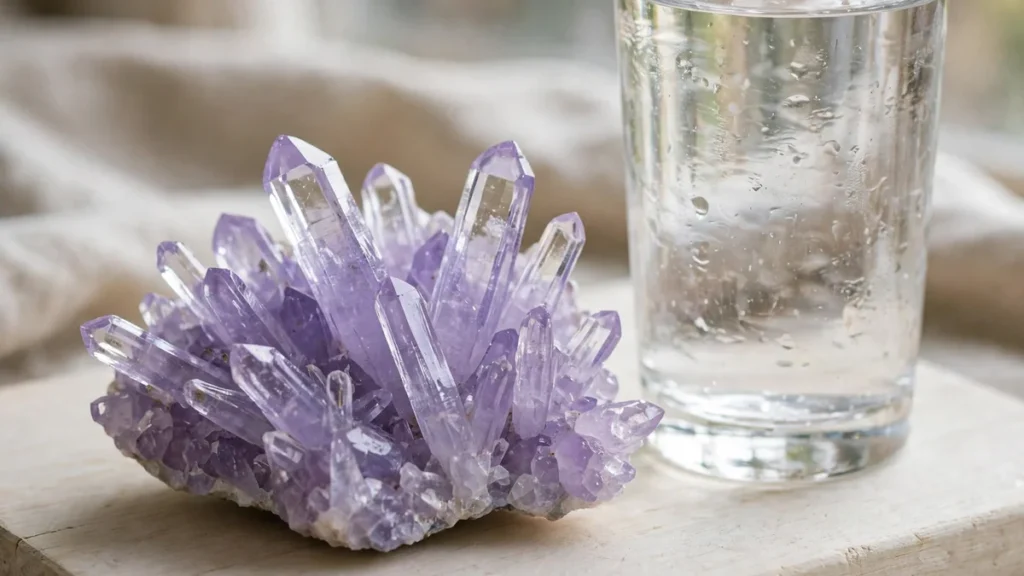
Only with an adult holding it too, and only one big smooth stone far too large to fit in a mouth. The adult and child look at it together, then the adult puts it back on a high shelf, and no stone ever goes in a drink.
What if my toddler's skin stays dry or itchy?
Keep baths short and lukewarm, pat dry, and smooth a plain cream onto damp skin. When the skin stays sore, red, or itchy for days, ask a doctor promptly.
How can I make hand-washing fun for a toddler?
Let them stand on their own step stool, splash a little foam, and keep a soft towel of their own by the sink. A small tray by the sink keeps the cup, the soap, and the towel tidy in one place.
The Bottom Line
Water and toddlers go together gently: warm water, mild soap, brief baths, and small sips through the day. Keep an adult close, keep the cup small, and let the routine stay kind.
A Note for Little Ones
Warm water, short baths, a watchful adult: that is the whole routine.