
Skin changes quietly through life. The soft skin of a child, the changing skin of a teenager, the busy skin of a working adult, and the thinner skin of an older person are all the same skin, at different ages, asking for slightly different care. The good news is that the care itself barely changes.
Water is the thread that runs through every age. Plain lukewarm water, used gently, cleans without stripping, and a glass of water drunk slowly through the day supports general hydration. Around that simple habit, a plain cream and a little sun sense are nearly all most skin needs.
This guide walks through the ages one by one: what changes, what stays the same, and how to build one simple routine that grows with you. It is gentle general information only, never medical advice, and real skin problems belong with a doctor or dermatologist.
Key Takeaways
- Skin changes with age, but the basics stay the same: gentle water, plain cream, sun sense.
- Lukewarm water and patting dry protect skin better than hot water and rubbing.
- Moisturiser works best on skin that is still slightly damp, morning and evening.
- Each age needs small changes, not a new routine: less soap for children, sun care for teens, richer cream later.
- This guide is general information only; real skin problems need a doctor or dermatologist.
What Changes as Skin Ages
Skin is the body's outer layer, and it changes slowly through life. In childhood it is soft and quick to heal. In the teen years, hormones change how much oil the skin makes. In adult life, the skin makes less oil each decade, and in older years it grows thinner and drier, and heals more slowly.
The barrier is the part that matters most. It is the thin outer layer that keeps moisture in and irritation out, like a brick wall where skin cells are the bricks and natural oils are the mortar. When the wall is sound, skin feels comfortable; when it is worn, moisture escapes and skin feels tight, dry, or itchy.
Water and Skin: The Gentle Basics
Water helps skin in two quiet ways. First, plain water cleans without stripping: a gentle rinse lifts dust and sweat from the surface while leaving the natural oils mostly in place. Second, water drunk slowly through the day keeps the body hydrated, and hydrated skin is softer and more comfortable than dry, thirsty skin.
The key is gentleness. Lukewarm water is kind to skin, while very hot water strips oils away and leaves skin tighter than before. Short, lukewarm rinses are enough, and skin should be patted dry with a soft towel, never rubbed hard. The same gentle idea runs through water and skin barrier: a gentle repair guide, where plain water is the first and kindest step.
Skin in Childhood and the Teen Years
Children's skin needs very little. Plain lukewarm water and a soft cloth are enough for most washes, with a mild soap only where skin is truly dirty. Baths should be short and warm, never hot, and the skin patted dry and left to breathe. A plain cream on damp skin after a bath helps in cold weather.
Teen skin changes fast, as hormones raise oil production and spots appear. The temptation is to scrub hard and wash often, but harsh scrubbing only irritates the skin further. Gentle lukewarm washing twice a day, a light plain cream, and hands kept away from the face are the kinder path. Persistent or painful spots deserve a doctor, not a stronger scrub.
Skin in Your Twenties and Thirties
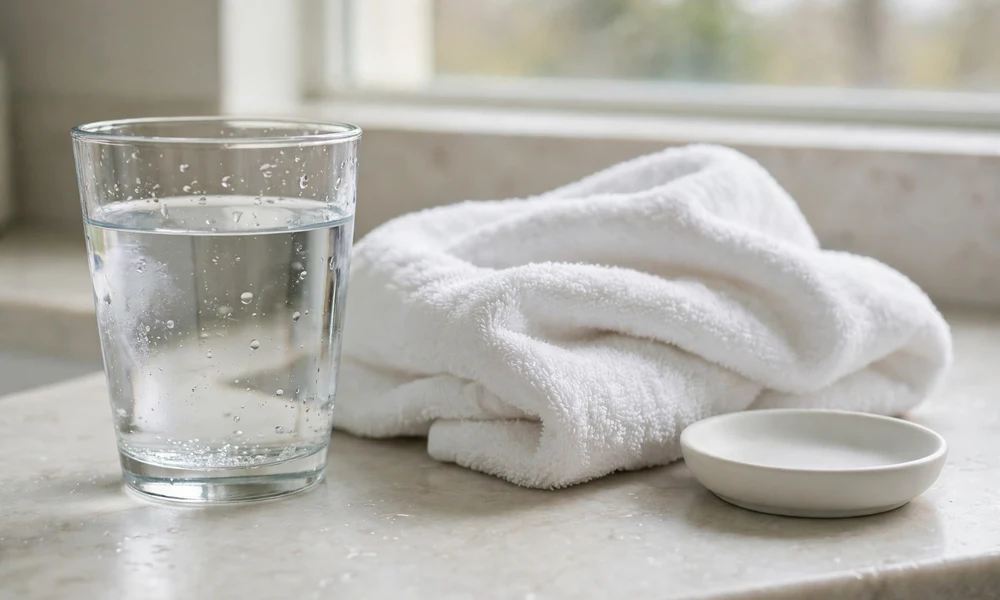
In your twenties and thirties, skin is usually at its most forgiving. It heals quickly, holds moisture well, and bounces back from a late night. That is exactly why it is easy to neglect: long hot showers, harsh soaps, and skipped cream feel harmless, because the skin recovers fast.
This is the age to build the habits that carry you later. Wash with lukewarm water, use a plain soap only where needed, and put a plain cream on damp skin morning and evening. Sun sense matters most now: a hat, shade at midday, and sunscreen on bright days protect skin that will thank you in twenty years. Late nights, long hot showers, and skipped cream feel harmless at this age, because the skin recovers fast, but the habits you build now are the ones that will still be there when the skin grows slower and drier.
Skin in Your Forties and Fifties
In your forties and fifties, skin begins to make less oil, and dryness shows up first on the cheeks, hands, and shins. The skin may feel tight after washing, even with plain water, and creams that once felt rich now seem to vanish by afternoon. These changes are ordinary, and they ask for small adjustments, not alarm.
Switch to a slightly richer plain cream, and use it on damp skin while the skin is still warm from washing. Keep showers short and lukewarm, and choose a mild soap, used sparingly. A glass of water at the desk helps too, sipped slowly through the day, though no drink can replace cream on the skin itself.
Skin in Later Years
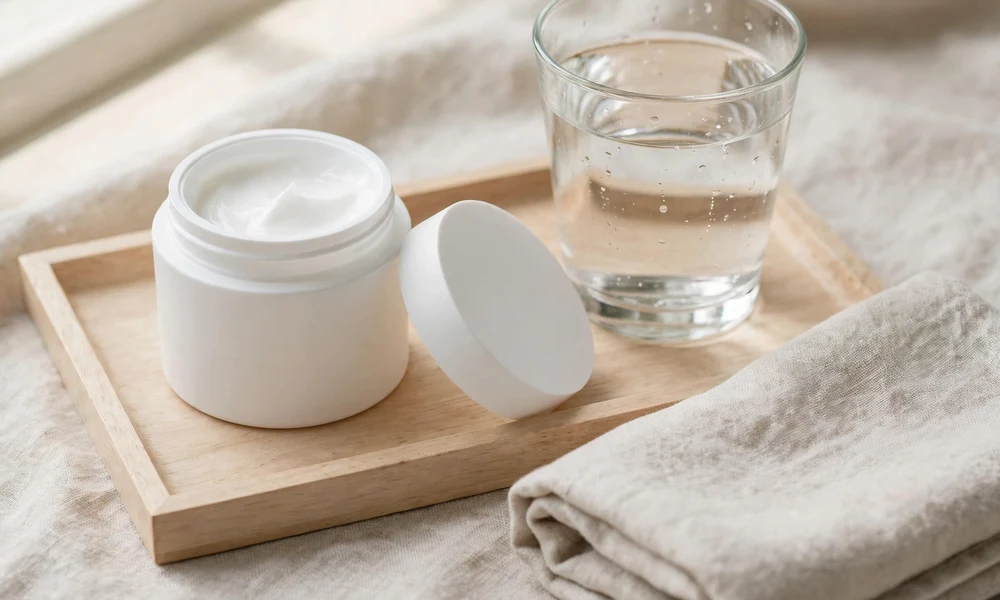
In later years, skin grows thinner, drier, and more delicate. It bruises and tears more easily, heals more slowly, and feels the cold and the sun more keenly. The same gentle habits matter even more now: lukewarm water, a soft cloth, patting dry, and a rich plain cream on damp skin.
Baths should be short, with plain water and very little soap, and the bathroom kept warm so the skin is not chilled afterwards. Hands and feet deserve extra cream, especially in winter, and loose, soft clothing protects skin that marks easily. A soft towel, patted gently, is kinder than any rough cloth, and nails kept short help avoid scratches on thin skin. Any sore that does not heal, or any new spot that changes, should be shown to a doctor promptly.
Sun, Wind and Weather at Every Age
Sun, wind, and weather touch skin at every age, and the answer is the same at each one: a little protection, every day. The sun is strongest near midday, so shade and a hat do more than any cream. Wind dries the skin, especially in winter, so a scarf and gloves protect the parts the weather reaches first.
Winter deserves its own note, because cold air holds little moisture and indoor heating dries the air further. The winter habits are simple: lukewarm water, cream on damp skin, and a glass of water sipped through the day. They are described in full in a simple guide to glowing skin in winter, where cold months get the gentle routine they need.

Building One Simple Routine
One simple routine fits every age, with small changes as the years pass. In the morning, rinse with lukewarm water, pat dry, and put plain cream on damp skin. Through the day, sip water slowly, and step into shade at midday. In the evening, wash gently, cream again, and let the skin rest overnight.
Keep the shelf small: water, a soft towel, one plain cream, a hat, and sunscreen for bright days. That is the whole routine, and it is enough. A tired evening face can also enjoy a simple cold water splash for tired skin, a short, cool rinse that asks nothing of the skin at all. The routine does not need to grow with age, only to soften: less soap, richer cream, shorter baths, and the same gentle water at the centre of it all.
| Age group | Wash | Cream |
|---|---|---|
| Children | Lukewarm water only | Plain cream after bath |
| Teens | Gentle wash twice | Light plain cream |
| Adults | Short lukewarm showers | Cream on damp skin |
| Later years | Very little soap | Rich plain cream |
Your Water and Skin Checklist
- Wash with lukewarm water and pat dry with a soft towel, never rub hard.
- Put plain cream on skin that is still slightly damp, morning and evening.
- Sip water slowly through the day; it supports hydration but cannot replace cream.
- Use shade, a hat, and sunscreen on bright days at every age.
- Keep showers short and soaps mild, with less soap as skin grows drier.
- Show real skin problems to a doctor or dermatologist, promptly and without delay.

Frequently Asked Questions
Does drinking water keep skin moist at every age?
Drinking water slowly through the day supports general hydration, and hydrated skin feels softer and more comfortable. But water alone cannot replace cream on the skin: the barrier needs moisture sealed in from the outside too.
Should children use soap every day?
No. Children's skin needs very little, and plain lukewarm water with a soft cloth is enough for most washes. Use a mild soap only where skin is truly dirty, keep baths short and warm, and pat the skin dry afterwards.
Why does skin get drier with age?
Skin makes less oil with each decade, and in later years it grows thinner and holds less moisture. The barrier weakens slowly, so moisture escapes more easily. A richer plain cream on damp skin helps, but it cannot turn back the years.
Is hot water bad for skin?
Very hot water strips natural oils away and leaves skin tighter and drier than before. Lukewarm water is kinder at every age: it cleans well, leaves the oils mostly in place, and keeps the barrier sound.
When should I see a doctor about my skin?
See a doctor or dermatologist promptly for a sore that does not heal, a new spot that changes, persistent or painful spots, or any rash, itching, or dryness that does not improve with gentle care. This guide is general information only, never a diagnosis.
What is the simplest routine for every age?
Rinse with lukewarm water, pat dry, and put plain cream on damp skin, morning and evening. Sip water slowly through the day, and use shade, a hat, and sunscreen on bright days. That small routine fits childhood, adult life, and later years alike.
The Bottom Line
Water and skin change together through life, and the care stays simple at every age.
Lukewarm water, plain cream, and a little sun sense are enough.
A Note for Skin at Every Age
Keep it gentle, keep it simple, keep it kind. Your skin will carry you through every age.


