Some mornings the river is at its kindest before the day has begun. The water moves slow and green under the trees, the path beside it still cool from the night, and the only sound is the river itself, talking quietly to the bank. Nothing out there is in a hurry.
Meeting that hour is easiest on foot: a bottle of fresh water in hand, a quiet pace with nowhere to be, and a slow stretch of riverside path beside the water, stopping wherever a bench or a bend draws the eye. This is no workout, no errand, and no journey to a place; it is a small fresh morning habit, kept for its very own sake, and done when the bottle runs out or the loop feels complete.
Here is how to fold a short river walk into your day: the planning, the packing, and the sips of water along the river bank, and the ways it stands apart from the walks you already know well. Read it only as gentle general information, never as a cure for anything; when a health trouble will not leave you alone, a doctor is the one to ask first.
Key Takeaways
- A river walk is a slow stroll beside flowing water with a bottle of plain water.
- It is not a hike, not a commute, not a garden loop, not a day trip, not an evening walk.
- Walk slowly, sip plain drinking water, and pause wherever the river invites you.
- A short stretch of twenty or thirty minutes is enough for the whole ritual.
- Never drink river water; carry your own clean water, and ask a doctor about a health problem.
What a River Walk Is
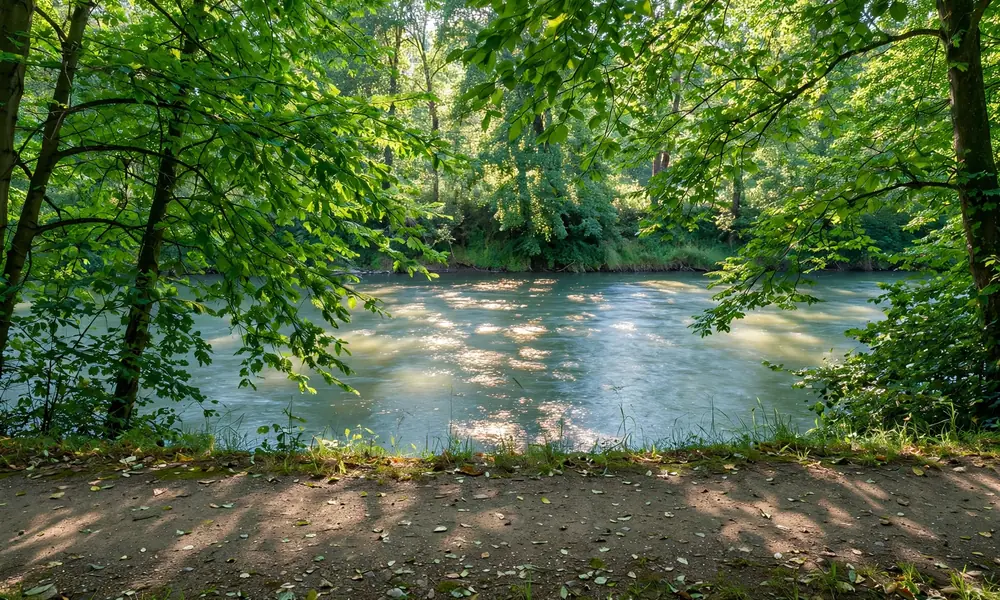
A river walk means strolling slowly on the path beside a river, a bottle of plain drinking water in hand, with nowhere you must reach. You go at looking speed, never at hurrying speed, stopping often to watch the cool water slip past a stone, or sunlight dropping through the green branches above.
The river owns this walk, not the streets past the bank. It stays short, soft, and near home, finishing when the bottle runs dry or the path bends back to its start. The river keeps the walk fresh: the water never holds still, so no two minutes of it ever look quite alike. Each bend shows new water, and each bench a new seat.
Why a River Suits a Slow Walk
A riverbank runs cooler and softer than any room indoors. Trees shade the path, the water chills the air beside it, and the sound of the flow fills the quiet stillness. A few minutes out there can clear a crowded head the way an open window clears a stuffy room.
Water adds to the freshness in a second way. A slow sip between the trees reminds you to drink, taken when the body is waking up and the air is at its mildest. The river is for looking at and listening to; the water you drink is the clean water you carried from home.
Planning a Simple River Walk
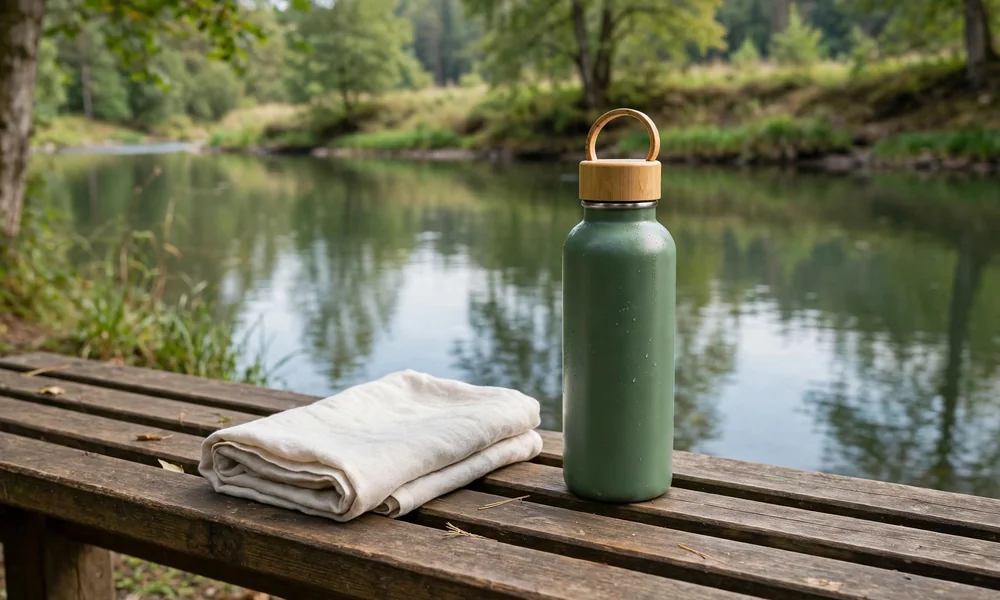
Pick the gentlest hours, most often in the early morning or late afternoon, while the sun sits low and the air stays cool. Fill a clean reusable bottle with plain drinking water, lace up comfortable shoes with a firm, steady tread, and head for the river path. A light cloth tucked in a pocket comes in handy for wiping your hands.
Keep the route short and familiar: one flat stretch along the bank, past the trees, to the bench, and back the same way. There is no distance to beat and no time to keep, only the path, the river, and the bottle. Tell someone at home which way you are walking, and keep your phone charged.

A River Walk with Water
Begin at the start of the path, bottle full and morning still quiet. Take a slow sip, then set off along the bank at a strolling pace, eyes wandering from the water to the trees. Pause at the bench, breathe in, and take another sip.
Halfway along, pause where the river bends and drain the bottle if you wish, or keep the last sips. Once the stretch is over, sit a minute, watch the water pass, and head home the way you came. Top the bottle up inside, and let the morning start.
Water Along the Way
Take plain drinking water, and nothing besides. A clean reusable bottle works best, since a glass slips easily on a gravel path. Drink in slow sips, a little at a time, never gulping the whole bottle down at the first bench.
Never drink from the river itself. River water looks clean and clear, but it carries soil, leaves, and things you cannot see. The bottle from home is the only water you drink, and the river stays a view, not a tap.
Water and a River Walk at a Glance
| Flat bank, trees | Bottle, cloth, shoes | Sip slowly, pause |
|---|---|---|
| Morning, mild light | Short familiar stretch | Never drink river |
| Bench stops, bends | One bottle from home | Wash hands after |
| Twenty minutes enough | Phone charged | Refill back home |
Water and a River Walk and Garden Walks
Water and garden walks means wandering slowly between garden beds, a glass of water in hand, stopping where a flower or a leaf draws your gaze, and finishing once the glass is drained or the loop is done.
A river walk is the same pace with a different companion. Where a garden walk wanders between beds and under a tree, a river walk follows flowing water along a bank, with a bottle instead of a glass and a bench instead of a garden seat. One is green and enclosed; the other is open, the river moving beside you the whole way.
Water and a River Walk and Evening Walks
Water and evening walks is a glass of fresh water before you step out, a short stroll around the block at dusk, and another glass waiting when you come home, marking the end of the day.
A river walk belongs to the morning or the mild afternoon, not to dusk. Where an evening walk circles familiar streets as the light turns gold, a river walk follows the bank in daylight, river in view and bottle in hand. One closes the day; the other opens it.
Water and a River Walk and Day Trips
Water and day trips is a whole day out and back home the same evening, with a bag packed, a bottle filled, shade at midday, and a cloth and a little soap for washing up.
A river walk is a day trip cut down to half an hour. Where a day trip needs packing, planning, and a full day away, a river walk needs only a bottle, good shoes, and a familiar stretch of bank close to home. One is a whole day out; the other is a short ritual that fits between breakfast and the morning.
Water and a River Walk and the Other Water Rituals in This Batch
Four other water rituals walk beside the river walk, each with a shape of its own. Golden milk is a warm drink ritual at home, a spiced glass made in the kitchen, with no walk at all. A lake day is a still-water outing, a day beside a lake rather than a short stroll beside a moving river. A salad bowl is a fresh meal ritual at the table, water beside the plate rather than a bottle on a path. A smoothie glass is a cool blended drink at home, sipped indoors, with no bench and no bank.
After the Walk: Back Home
Coming home from a river walk is part of the ritual, not an afterthought. Wash your hands with soap and plain water as soon as you are inside; riverbanks are dusty and benches are shared. Wash the bottle too, refill it so it is ready for tomorrow, and hang the cloth up to dry.
Change out of damp shoes if the path was wet, and put them by the door to dry. Sit for a minute with a fresh glass of water before the day picks up again; the walk has done its work, and the morning can start from a calm place.
Staying Safe Beside the River
A river walk is gentle, and a few small habits keep it that way. Stay on the marked path and away from steep or slippery banks, and never wade into the water, however calm it looks. Currents hide under a smooth surface, and wet stones are slicker than they seem.
If river water splashes your hands, wash them with soap and clean water when you get home, and patch-test any new soap or cloth on a small patch of skin first, as you would with any new skin product. Wear shoes with a good grip, take a charged phone, and stop if anything hurts. For a health problem that keeps coming back, a doctor is the right person to ask, not a walk.
Your River Walk Checklist
- Fill a clean bottle with plain drinking water before you leave.
- Wear comfortable shoes with a good grip for the path.
- Walk slowly, sip slowly, and pause at the bench.
- Never drink from the river; the bottle is the only water you drink.
- Wash your hands with soap and clean water when you get home.
- If something about your health worries you, ask your doctor — a walk cannot answer that.
Frequently Asked Questions
What is a river walk?
A river walk is a slow stroll along the path beside a river, with a bottle of plain drinking water and no destination.
When is the best time for a river walk?
The early morning or the late afternoon is best, when the sun is low, the air is cool, and the path is quietest.
How long should a river walk be?
Twenty or thirty minutes is enough for the whole ritual, and a shorter stretch still counts on a busy morning.
Can I drink water from the river?
No, never drink river water. It looks clean but carries soil and things you cannot see, so drink only the water you carried from home.
What should I carry on a river walk?
Carry a reusable bottle of plain drinking water, a light cloth, comfortable shoes, and a charged phone.
Where should I walk beside a river?
Pick a flat, familiar, marked path close to home, with benches along the way and no steep banks.
The Bottom Line
A river walk is a short, slow stroll beside moving water: a bottle filled at home, sips taken slowly, the river a view, never a tap.
A Note for River Days
One river, one bottle, one slow path, one bench — a river walk asks for nothing more.