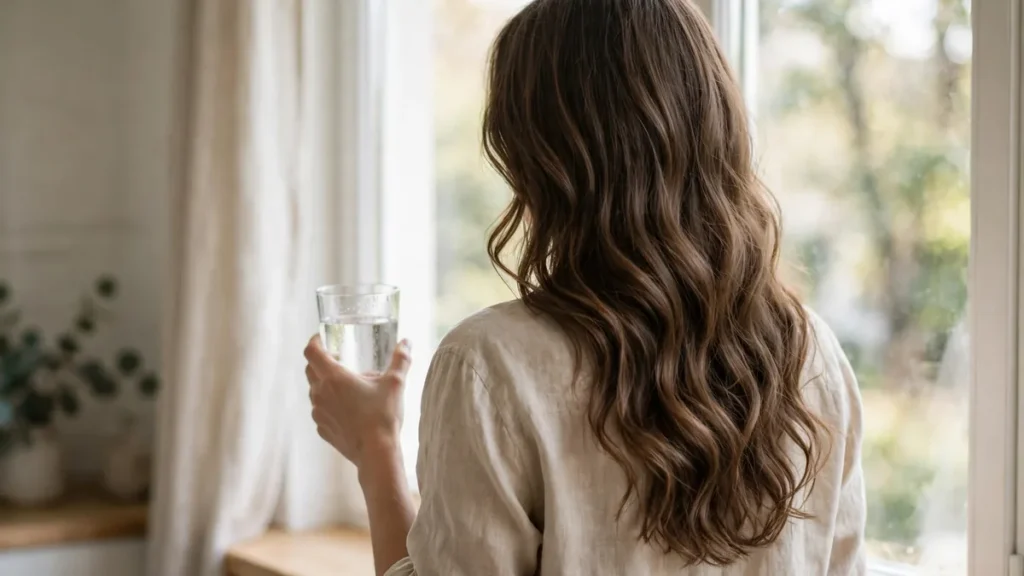
Some workdays begin well and then go stale by midday. The morning is bright, the list is clear, and by lunch the air feels dry, the screen feels close, and the hours ahead look long and flat. The simplest fix is also the oldest one: stop, drink some water, and eat lunch properly, away from the rush.
Water and lunch breaks belong together. A glass of water before lunch, a simple packed lunch eaten slowly, and a short walk after can make the whole afternoon feel fresh again. Nothing here is complicated, and nothing here is expensive.
This guide explains how to use water well around your lunch break: what to pack, when to drink, how to eat slowly, and how to come back to your desk feeling fresh. It is gentle general information only, never medical advice, and it will not treat or cure anything. If you feel unwell, please see a doctor.
Key Takeaways
- A fresh lunch break needs very little: plain water, a packed lunch, and a short pause.
- Drink a glass of water before lunch, and keep a bottle within reach.
- Eat lunch slowly, away from the screen, one bite at a time.
- A short walk after lunch helps the afternoon feel fresh again.
- Water is a habit, never a treatment, and it will not cure anything.
What a Lunch Break Is
A lunch break is the middle of the workday, set aside for food, water and rest. It is usually thirty minutes to an hour, long enough to eat a simple lunch, drink a glass of water, and step away from the desk. It is not extra work time, and it is not a race to finish eating.
A good lunch break has three parts: water before lunch, food eaten slowly, and a short pause after. The pause can be a walk, a few minutes outside, or simply sitting quietly with a glass of water. The freshness comes from the rhythm itself, from stopping briefly and letting the day fall into clear parts.
Why Lunch Breaks Go Stale
Lunch breaks rarely fail in one dramatic moment. They go stale in small steps: a message checked while eating, a sandwich finished at the keyboard, a bottle left empty on the desk. The room warms up, the air dries out, and the same screen glows hour after hour without a break.
Without a pause, even a short day can feel endless and flat. The mind drifts, the shoulders tighten, and the work that mattered in the morning is still waiting at three in the afternoon. A clear break helps because it replaces drifting with a decision, and a glass of water helps because it gives the break a simple start.
Water Before Lunch
Water before lunch starts in the morning, with a filled bottle on the desk. Keep the bottle within reach all morning, and take small sips between tasks, not one big drink at noon. By lunch, the bottle should be half empty and your mouth should not feel dry.
Ten minutes before lunch, drink a full glass of fresh water, slowly, in small sips. Then refill the bottle and the glass, and set them beside your lunch. Starting lunch with water already drunk is the simplest way to feel fresh at the table.
Packing a Simple Lunch
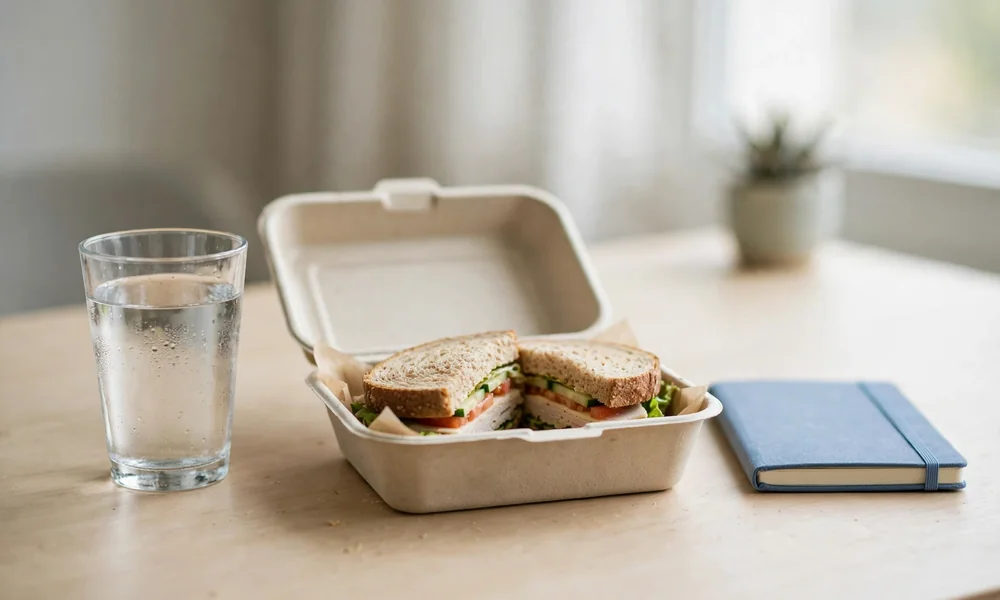
A fresh lunch break starts the night before. Before bed, pack a simple lunch: a sandwich, some fruit, and a small snack, in a clean lunch box. Fill the water bottle, wash it, and set it beside the bag, so the morning asks for nothing.
Keep the lunch simple and the same most days, so packing takes five minutes and never becomes a chore. A plain lunch eaten slowly beats a fancy lunch eaten in a rush, and a full bottle beats a forgotten one. Pack once, and the break takes care of itself.
Eating Slowly at Your Desk
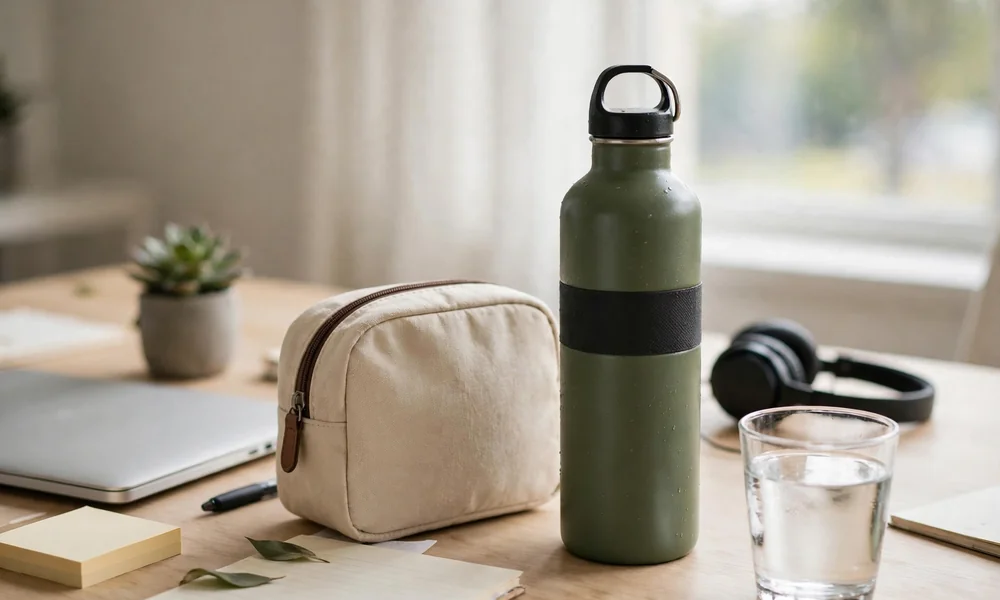
Eating slowly starts with stepping away from the screen. Close the laptop, put the phone face down, and set the lunch box on a clear space. Open the box, pour a glass of water, and eat one bite at a time, putting the sandwich down between bites.
Drink small sips of water through the meal, and finish the glass before you go back to work. A slow lunch takes twenty minutes, and those twenty minutes are the break: food, water, and quiet, with nothing else asking for attention.
A Short Walk After Lunch
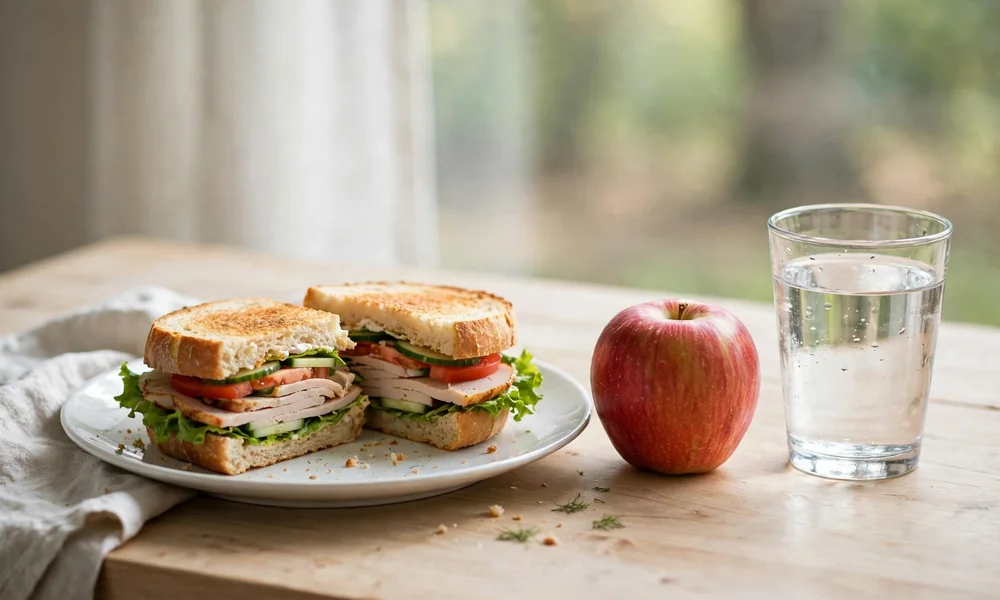
A short walk after lunch is the best close to the break. Stand up, take the water bottle, and walk for ten minutes: around the block, through a park, or simply down the corridor and back. The air, the light and the movement wake the afternoon up.
Drink a few sips on the walk, and come back to a tidy desk with a full glass waiting. The afternoon is shorter than the morning now, and it starts fresh, with water drunk, lunch eaten, and legs stretched.

Lunch Breaks at a Glance
| Before lunch | During lunch | After lunch |
|---|---|---|
| Fill the bottle | Eat slowly, no screen | Walk ten minutes |
| Drink a glass | Sip water, one bite | Tidy desk, refill |
| Pack lunch nightly | Finish the glass | Fresh afternoon starts |
Lunch Breaks and Night Shifts
Lunch breaks and night shifts both need water, but they need it at different hours. Night shifts run through the dark, when the body expects rest, and the water habit there is a bottle at the station and small sips through the small hours. Lunch breaks run at midday, when the body expects food, and the water habit there is a glass before lunch and a walk after.
Where water for night shifts staying fresh at work keeps water close through the night, this guide keeps it close at midday — same simple habit, different hours, different break.
Lunch Breaks and Workdays
A lunch break is one part of a fresh workday, not the whole day. A full workday routine covers the morning start, the desk hours, the midday reset and the evening close, with water at every step. The lunch break is the middle of that rhythm, the part that splits the day into two shorter, kinder halves.
Where water and workdays simple fresh routine builds a simple fresh routine for the whole workday, this guide looks closely at the lunch break alone — the midday pause, the packed lunch, and the walk after.
Lunch Breaks and Long Meetings
Long meetings can swallow a lunch break whole, so the break needs a little planning. If a meeting runs over lunch, drink a glass of water before it starts, keep the bottle on the table, and take small sips through the meeting. Eat the packed lunch as soon as the meeting ends, even if it is late, and take the short walk anyway.
Where water long meetings staying fresh keeps water close through long meetings, this guide keeps the lunch break itself fresh — the meeting is the delay, and the water and the walk are the recovery.
Keeping Your Bottle and Lunch Box Clean
A fresh lunch break needs clean kit. Wash the water bottle every evening with warm water and a little soap, rinse it well, and leave it open to dry overnight. Wash the lunch box the same way, and dry it before packing the next lunch.
Keep the bottle and the box in the same place each night, so packing takes five minutes and nothing is forgotten. Clean kit keeps the water tasting fresh, and fresh water is the whole point of the break.
When Water Is Not the Answer
Water is a habit, not a treatment, and a lunch break is not the answer to a health problem. Plain water will not cure anything, and a good lunch will not replace rest, sleep or a doctor. If you feel dizzy, faint, confused or unwell at work, stop and see a doctor, and tell someone nearby.
Enjoy the break for what it is: water, food, a short walk, and a fresh afternoon. Real problems belong with a doctor, and the lunch break belongs to rest.
Your Lunch Break Checklist
- Fill the water bottle in the morning and keep it within reach.
- Pack a simple lunch the night before, with fruit and a snack.
- Drink a full glass of fresh water ten minutes before lunch.
- Eat lunch slowly, away from the screen, one bite at a time.
- Take a ten-minute walk after lunch, with the bottle in hand.
- Remember water is a habit, never a treatment; see a doctor for health problems.
Frequently Asked Questions
How much water should I drink at lunch?
Drink a full glass of fresh water before lunch, and small sips through the meal. Keep a bottle within reach all morning, and refill it after lunch.
Should I eat lunch at my desk?
You can eat at your desk, but step away from the screen first. Close the laptop, put the phone face down, and eat slowly, one bite at a time.
What is a good packed lunch for work?
A simple packed lunch works best: a sandwich, some fruit, and a small snack. Keep it the same most days, so packing takes five minutes.
Is a short walk after lunch really helpful?
Yes. A ten-minute walk after lunch, with a few sips of water, wakes the afternoon up. The air, the light and the movement help the day feel fresh again.
Can water replace a meal?
No. Water is a habit, never a meal and never a treatment. Eat a proper lunch, drink water with it, and enjoy the break for what it is.
What if a meeting runs over my lunch break?
Drink a glass of water before the meeting, keep the bottle close, and eat your packed lunch as soon as it ends. Take the short walk anyway, even if it is late.
The Bottom Line
Water and lunch breaks keep workdays fresh: a glass before lunch, a simple lunch eaten slowly, and a short walk after. Pack the night before, sip through the day, and come back fresh.
A Note for Fresh Workdays
Keep it simple, keep it slow, keep it fresh. A glass of water, a packed lunch, and a short walk can carry a whole afternoon.