A hiking trail begins with cool air and a good mood, and by the third hour it can feel very different. The sun is warm through the trees, the path climbs a little steeper, and the bottle you meant to fill is already half empty. Those are the hours when a little planning matters most.
Water is the simplest trail companion of all. It costs almost nothing, it needs no charging, and it keeps you feeling fresh through long stretches of walking. A bottle filled before you leave, a few small comforts in the bag, and a short stop every hour or so are all it takes to finish a hike feeling human.
This guide explains how to carry water on a hike, how to sip it well on the trail, how to freshen up at rest stops, and how to rinse off when you get home. It is gentle general information only, never medical advice, and it will not treat or cure anything.
Key Takeaways
- Water and hiking go together: water replaces sweat, cools the body, and keeps you fresh.
- Carry your own clean water, and never drink untreated stream water.
- Sip plain water slowly through the hike, in small sips, not all at once.
- Freshen up a little, often, at rest stops with water and a cloth.
- Stop and see a doctor if you feel dizzy, faint, confused, or unwell on the trail.
What Staying Fresh on the Trail Means
Staying fresh on the trail means finishing a hike feeling clean, calm and comfortable, not sticky, tired and thirsty. It is about small comforts: a cool drink, a clean face, dry clothes, and a bag packed well.
Freshness on a hike is built from water, in the simplest ways. Water to sip, water to wash with, and water to cool a warm face at a rest stop. Nothing here is complicated, and nothing needs special equipment. A bottle, a cloth and a little soap will carry you through a whole day.
Why Trails Dry You Out
Trails dry you out because walking uphill in warm air makes the body work hard, and sweat is how the body cools itself. Sweat is mostly water, so a long hike can leave the body short of water. The sun adds to it, and a dry breeze carries moisture away before you notice it.
Thirst is the body's way of asking for water, and it is worth listening to early. A dry mouth, a warm face and a feeling of tiredness are all ordinary signs that water is needed. Drink in small sips, rather than waiting until the thirst feels strong.
Carrying Water on the Trail
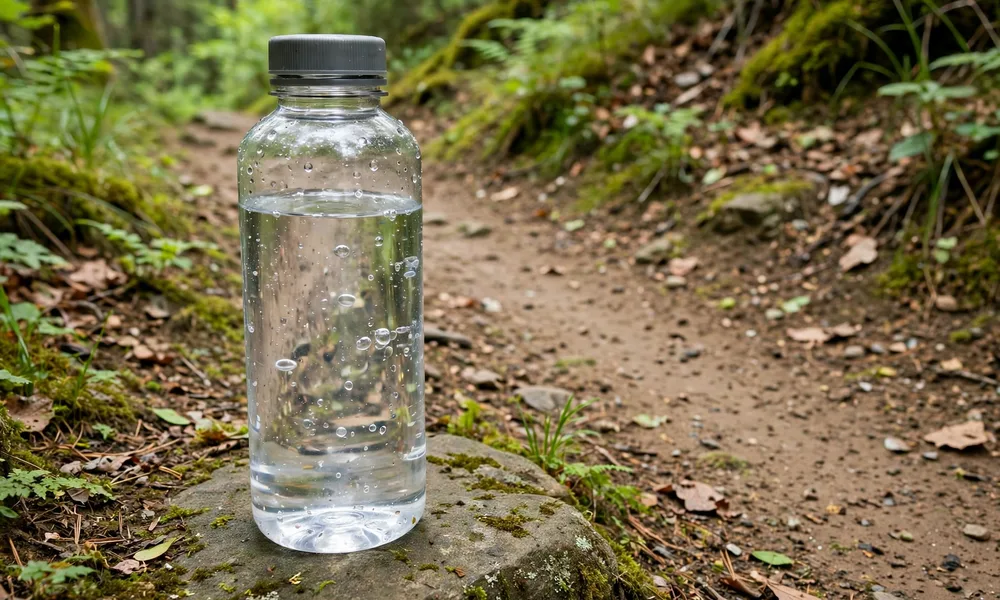
Carry your own clean water, in a refillable bottle that fits your bag. Fill it with fresh water before you leave home, and carry more than you think you need, because a trail has no taps.
A good rule is to carry at least one litre for a short morning hike, and two litres for a full day on the trail. If the hike is long or the day is hot, carry a spare bottle too. Where water walking daily reset pairs water with a slow daily walk, this guide pairs water with a proper hike, where the bottle matters most.
Sipping Well While You Walk
Sip plain water slowly through the hike, in small sips, rather than all at once. A few small sips every fifteen or twenty minutes keep you fresh far better than a long drink once an hour. Stop for a moment, take the bottle out, sip slowly, and put it back.
Do not wait until you feel very thirsty. By the time thirst feels strong, the body has already been short of water for a while. Small, steady sips keep a hike comfortable, and they cost nothing but a little attention.
Freshening Up at Rest Stops
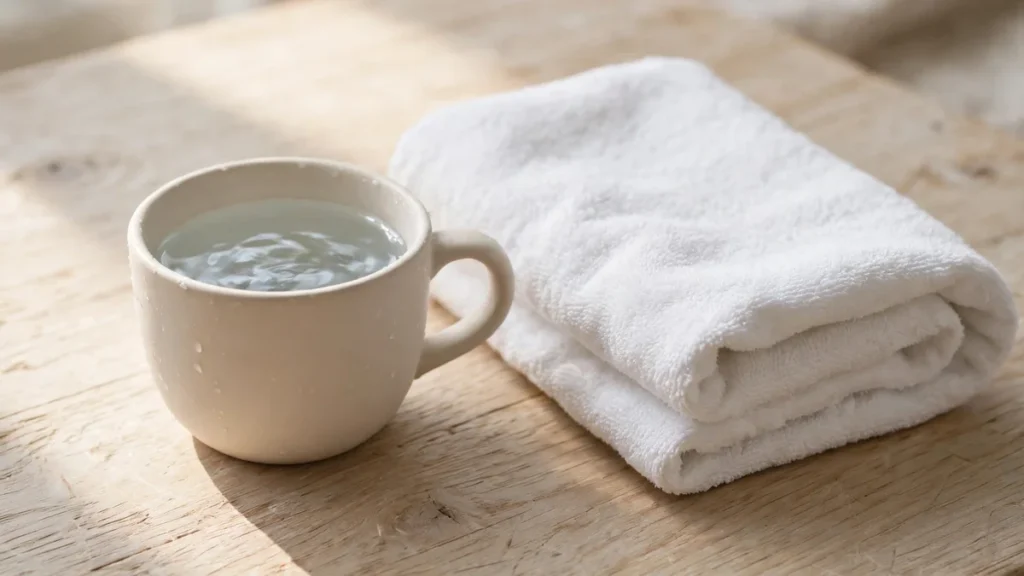
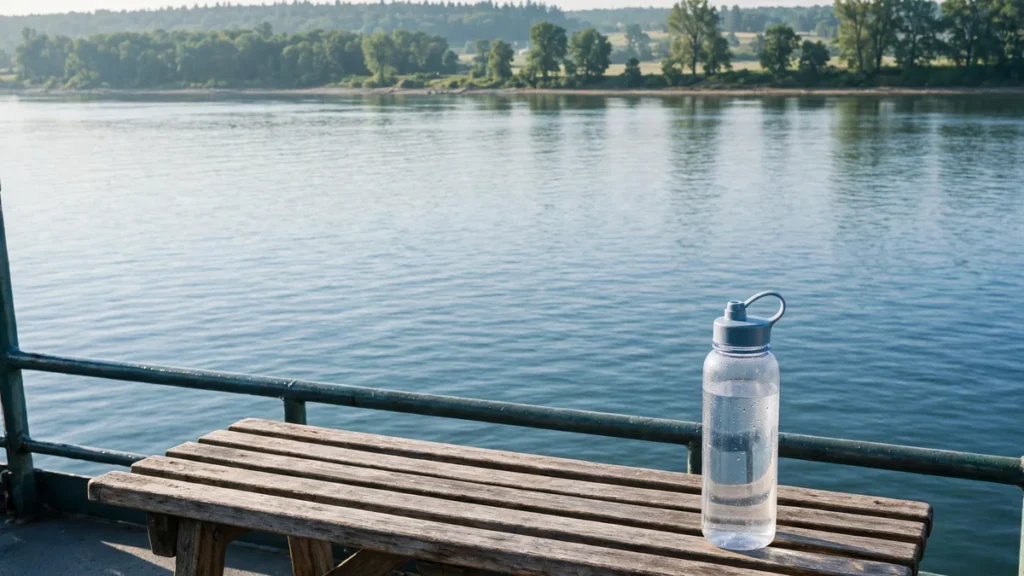
Rest stops are the best place to freshen up. Sit on a bench or a flat rock, take the bottle out, and drink slowly. Then wet a small cloth with a little water and wipe your face, neck and hands.
Change into a dry shirt if yours is damp with sweat, and hang the damp one on the outside of your bag to dry in the breeze. Wash your hands with a little water and soap before you eat, and dry them well. A short rest, a drink and a wipe can make the second half feel like a fresh start.
Water Safety on the Trail
Water safety on the trail starts with one rule: carry your own clean water, and do not drink untreated stream water. A clear mountain stream can look clean and still carry germs that make you ill, so never drink from a stream, a lake or a spring unless the water has been properly treated.
If you run out of water, stop and rest in the shade, and head back to where you can refill from a safe tap. Never drink from a puddle or a roadside ditch. If you feel unwell after drinking from a stream, see a doctor and tell them what happened. Clean water from home is always the safe choice.
Staying Fresh at a Glance
| Carry own water | Sip small sips | Rest stop wipe |
|---|---|---|
| Fill before leaving | Every fifteen minutes | Face, neck, hands |
| One litre minimum | Never gulp it all | Dry shirt change |
| Spare bottle, hot days | Listen to thirst | Wash before eating |
Packing a Trail Water Kit
A trail water kit needs very little: a refillable bottle, a small cloth, a little soap, and a spare dry shirt. Pack the bottle full the night before, and put the cloth and soap in a small bag where you can reach them without unpacking everything.
Pack the kit the same way every time, so nothing is forgotten. A bottle, a cloth, soap and a spare shirt, in the same pockets, on every hike. Where water camping wash routine packs a basin and a bottle for a camping wash, this guide packs a lighter kit for the trail, where every gram is carried uphill.
Cooling Down on the Trail
Cooling down on the trail means slowing down before you stop, not stopping all at once. When the path levels out, ease your pace, take a few slow breaths, and sip some water. A wet cloth on the back of the neck cools the body quickly.
Sit in the shade at a rest stop, keep sipping water, and let your body settle before you walk on. If you feel dizzy, faint or confused, stop at once, sit down in the shade, drink water slowly, and ask for help. A hike can always wait, and an unwell body needs rest, not miles.

The Post-Hike Rinse
Wash your hands and face with fresh water and a little soap, and let the dust of the trail run away. A cool rinse on the face and neck feels wonderful after hours in the sun, and a full wash or shower closes the day properly.
Change into clean, dry clothes, and drink a glass of fresh water slowly. Hang damp hiking clothes to dry, empty the bottle, and rinse it out so it is ready for the next hike. A clean bottle, clean clothes and a clean body are how a hike ends well. Where water road trips fresh on go keeps a traveller fresh on long drives, this guide ends a hike the same way, with water and clean clothes.
Common Trail Water Mistakes
The most common trail water mistake is carrying too little water. A half-full bottle feels light at the start and empty by midday, so fill it to the top before you leave, and carry a spare on hot days. The second mistake is drinking it all at once, early in the hike, and having nothing left for the climb back.
The third mistake is drinking from streams, which can look clean and still make you ill. The fourth is forgetting to wash your hands before eating, so trail dust ends up in your food. The fifth is leaving the bottle at home, because the hike looked short. Short hikes still make you thirsty, and water is always worth carrying.

Your Trail Freshness Checklist
- Fill your bottle with clean water before you leave home.
- Sip plain water slowly, in small sips, through the whole hike.
- Rest at stops: drink, wipe your face, and change a damp shirt.
- Never drink untreated stream water; carry your own clean water.
- Wash your hands with water and soap before eating on the trail.
- Rinse off and change into dry clothes when you get home.

Frequently Asked Questions
How much water should I carry on a hike?
Carry at least one litre for a short morning hike, and two litres for a full day on the trail. On hot days, or on a long uphill trail, carry a spare bottle too. Fill every bottle before you leave home.
Can I drink water from a stream on the trail?
No. Do not drink untreated stream water, even if it looks clear. A clear stream can still carry germs. Carry your own clean water, and only drink stream water if it has been properly treated.
How often should I drink water while hiking?
Take a few small sips every fifteen or twenty minutes, rather than a long drink once an hour. Do not wait until you feel very thirsty. Small, steady sips keep you fresh.
What should I pack to stay fresh on the trail?
Pack a refillable bottle of clean water, a small cloth, a little soap, and a spare dry shirt. A wet cloth and a dry shirt at a rest stop make the second half feel fresh.
How do I freshen up at a rest stop?
Sit down, drink water slowly, then wet a small cloth and wipe your face, neck and hands. Change into a dry shirt if yours is damp, and wash your hands with water and soap before you eat.
What should I do after a hike?
Wash your hands and face with fresh water and soap, change into clean dry clothes, and drink a glass of fresh water slowly. Hang damp clothes to dry, and rinse the bottle out for next time.
The Bottom Line
Water and hiking go together: carry your own clean water, sip it slowly in small sips, freshen up at rest stops, and rinse off when you get home. Never drink untreated stream water.
A Note for the Trail
Keep it simple, keep it clean, keep it fresh. A full bottle, a small cloth, and a few quiet stops can make any trail a good day.