Most days, digestion is something we only notice when it feels uncomfortable. A heavy lunch, a rushed breakfast, or a long afternoon without water can leave the stomach feeling unsettled, and the rest of the day feels harder than it should.
Water and digestion is a gentle idea: plain water, drunk slowly through the day, as part of ordinary meals and ordinary habits. It is not a cure, a cleanse, or a treatment. It is simply water, used well, at the right times.
This article is a gentle guide to water and digestion as a daily habit: a morning glass, slow sips with meals, water between meals, a short walk after eating, and a calm evening close. Nothing here treats any condition, and real or persistent problems belong with a doctor.
Key Takeaways
- Water and digestion means plain water, drunk slowly, as part of gentle daily habits around meals.
- A glass of water in the morning and slow sips with meals are simple habits anyone can keep.
- Water between meals and a short walk after eating help the day feel lighter.
- This article makes no medical claims: water is a normal daily habit, not a treatment.
- Real or persistent stomach problems should always be checked by a doctor.
What Water and Digestion Means
Digestion is the quiet work the body does after every meal, breaking food down slowly so the body can use it. It takes time, it takes rest, and it works best when the day around it is calm. Rushing a meal, eating on the move, or going all day without water can make that work feel harder.
Water is part of that calm. Plain water drunk through the day keeps the mouth and throat comfortable, and slow sips with food are easier than large gulps. The habit is small, and it repeats at every meal, which is why it matters more than any single glass.
Why Mornings Set the Tone
The morning sets the tone for the whole day, and the first glass of water is the easiest habit to keep. After a night of sleep, the body has gone hours without a drink, and a slow glass of plain water is a gentle way to begin. It wakes the mouth, it steadies the hands, and it marks the start of the day.
Keep the morning simple: one glass, drunk slowly, before the rush begins. There is no need for lemon, ice, or anything added. Plain water, at room temperature, is enough, and the habit is worth more than the temperature.
A Glass of Water in the Morning
Start the morning with water before anything else. Pour a glass, sit down for a minute, and drink it in slow sips rather than all at once. Look out of the window while you drink, and let the day begin quietly instead of all at once.
Some people like their morning water lukewarm, and some like it cool, and both are fine. The point is the slow start, not the temperature. The same gentle idea runs through a water-first morning routine, where a single glass of water begins the day before anything else.

Sipping Water with Meals
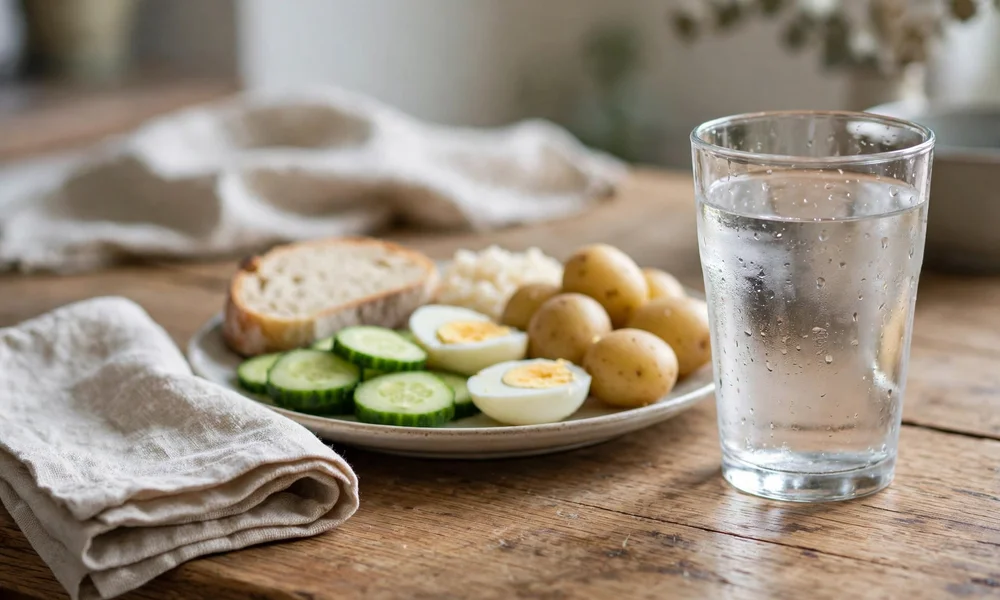
Water with meals is best taken slowly, in small sips between bites. A glass on the table is a reminder to pause, to chew properly, and to notice when you have had enough. Large gulps during a meal can feel uncomfortable, so keep the sips small and steady.
Set the glass down between sips, put the fork down between bites, and let the meal take its time. A meal eaten slowly is a meal enjoyed properly, and the water on the table is part of that slow pace. There is no rush, and the food will still be there.
If a meal is dry or salty, a few extra sips can help it go down more comfortably, but still keep them small. The glass is a companion to the plate, not a race to finish, and the meal ends when you feel satisfied, not when the glass is empty.
Water Between Meals
Water between meals is just as important as water with them. A glass in the mid-morning, another in the afternoon, and one more before the evening meal keeps the day steady. Small, regular drinks are easier than trying to catch up all at once in the evening.
Keep a glass or a bottle where you can see it, on the desk or the kitchen table, and refill it when it is empty. If you forget, a gentle reminder on the phone can help. The habit works because it repeats, not because any one glass is special. A little flavour can help the habit stick, as in cucumber mint water for summer skin, where a cool infusion makes plain water more inviting.
A Short Walk After Eating
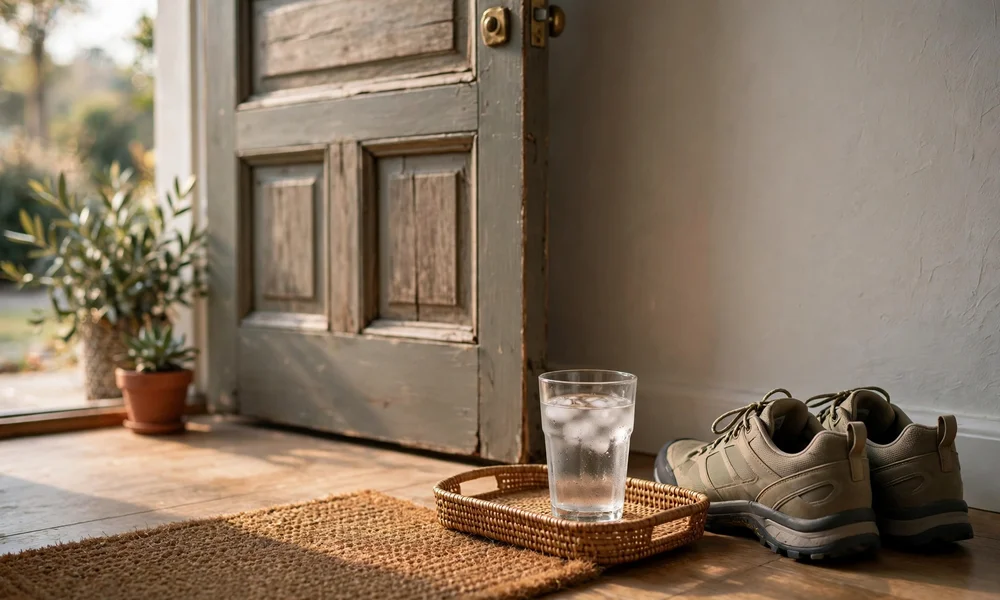
A short, slow walk after a meal is one of the gentlest habits of all. Ten minutes around the garden, down the street, or simply around the house is enough. The walk is slow, the breathing is easy, and the body has time to settle after eating.
Do not rush the walk, and do not turn it into exercise. It is a stroll, not a workout, and it should feel pleasant. If the weather is bad, a slow wander indoors works just as well. The point is gentle movement, not speed or distance.
A walk also gives the meal a proper ending. Instead of moving straight from the table to the sofa or the desk, the short stroll marks a clear pause, and by the time you return, the afternoon feels calmer and the meal feels settled.
Warm Water in the Evening
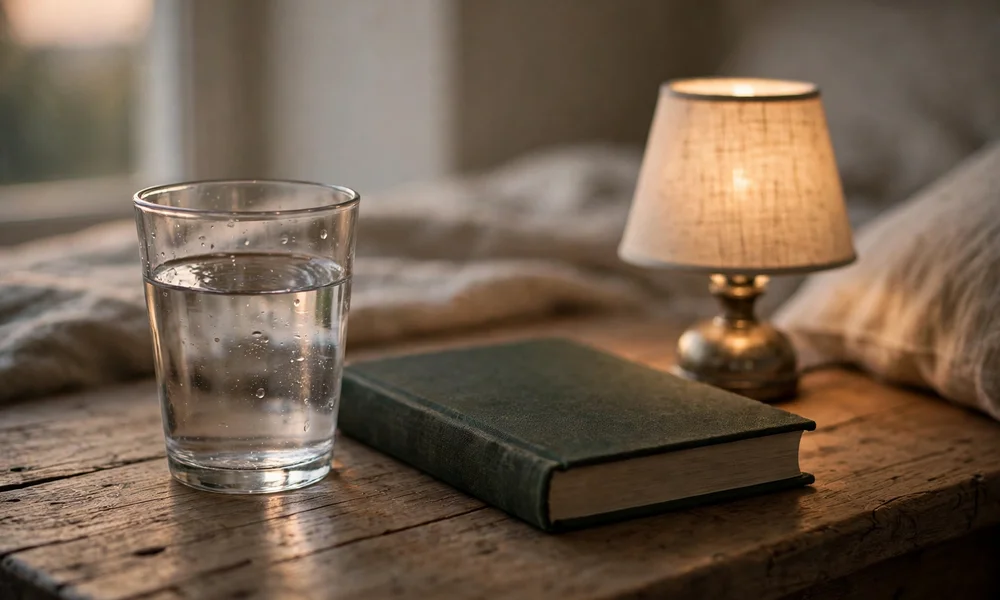
The evening is a good time for warm water, drunk slowly as the day winds down. A small cup of warm water after the evening meal, or beside a book before bed, is a calm way to close the day. It is plain, it is simple, and it asks for nothing.
Keep the evening drink small, so the night is not broken by waking. One small cup is enough, taken slowly, an hour or so before bed. The same slow, gentle approach runs through lukewarm water for morning skin, where plain water, used gently, begins the day well.
What to Keep Simple
Digestion habits work best when they stay simple. Plain food, eaten slowly, with plain water, is easier than any complicated routine. There is no need for special drinks, powders, or strict rules, and adding them usually makes the habit harder to keep.
Eat at roughly the same times each day, chew each bite properly, and stop when you feel full. Keep the table calm, the phone away, and the meal unhurried. Simple habits, kept daily, do more than any single change ever will.
When to See a Doctor
Some stomach problems need a doctor, and it is important to know when to ask for help. See a doctor if pain, bloating, or discomfort keeps coming back, if eating has become difficult, or if you notice blood, unexplained weight loss, or trouble swallowing. These are signs that need proper medical care.
Do not try to treat a real problem with water, food, or home habits alone. Water is a normal daily habit, not a treatment, and it cannot replace medical advice. If a problem is new, worrying, or will not go away, book an appointment and describe it plainly.
What Water Will Not Do
Be honest about what water can and cannot do. Water will not cure stomach problems, fix digestion, cleanse the body, or make a heavy meal disappear. It will not replace medicine, and it will not help a condition that needs a doctor. It is a normal daily habit, and its value is the comfort of drinking slowly and regularly.
The same honesty applies to every habit in this article: they are gentle, ordinary routines, not treatments. If digestion feels difficult week after week, the answer is a doctor, not a new drink. A careful, plain approach is always the safest one.
| Daily habit | Water beside | Gentle rule |
|---|---|---|
| Morning glass first | Glass on table | Sip water slowly |
| Sip with meals | Small sips only | Chew food well |
| Walk after eating | Water before walk | Stroll, never rush |
| Evening warm cup | Small cup only | Stop when full |
Your Water and Digestion Checklist
- Drink a glass of plain water slowly each morning before the rush begins.
- Keep a glass on the table at meals and take small sips between bites.
- Drink water between meals, a glass at a time, through the day.
- Take a short, slow walk after meals, for about ten minutes.
- Keep meals simple, eat slowly, and stop when you feel full.
- See a doctor for real or persistent stomach problems, and never treat them alone.
Frequently Asked Questions
How much water should I drink each day?
There is no single amount that suits everyone. A good guide is to drink regularly through the day, in small glasses, and to let thirst and the colour of your urine guide you. If you are unsure, ask your doctor.
Should I drink water with meals?
Yes, in small sips between bites. A glass of water on the table helps you pause and chew properly. Avoid large gulps during a meal, which can feel uncomfortable, and keep the sips slow and steady.
Is warm water better than cold water for digestion?
There is no strong evidence that one is better than the other. Some people find warm water more comfortable, especially in the evening, while others prefer cool water. Choose whichever feels gentle, and drink it slowly.
Can water cure stomach problems?
No. Water is a normal daily habit, not a treatment, and it cannot cure stomach problems or any other condition. If a problem keeps coming back, or it worries you, see a doctor for proper advice.
What should I do after a heavy meal?
Sit quietly for a few minutes, sip a little water slowly, and then take a short, slow walk if you feel able. Do not lie down straight away, and do not try to fix the meal with a special drink.
When should I see a doctor about digestion?
See a doctor if pain, bloating, or discomfort keeps coming back, if eating has become difficult, or if you notice blood, unexplained weight loss, or trouble swallowing. These signs need proper medical care, not home habits.
The Bottom Line
Water and digestion is plain water, drunk slowly, as part of gentle daily habits around meals.
Start with one glass tomorrow morning, and let the habit grow from there.
A Note for Gentle Days
Keep it plain, keep it slow, keep it daily. The quiet habits can still belong to you.