Cold water has a way of waking you up. A cold splash on the face, a cool rinse on a warm day, or a short dip in cold water can leave the skin feeling fresh and the mind feeling clear.
But a cold plunge is not the same as a cold splash. It is a full-body immersion in cold water, and it asks more of the body than a quick rinse ever does. Beginners who rush in, stay too long, or plunge alone can run into real trouble.
This article is a gentle beginner guide to cold plunge skin: what a cold plunge is, how to prepare safely, how to keep your first plunges short, and how to care for your skin afterwards. It is general information only, never medical advice, and it makes no promises about health or beauty.
Key Takeaways
- A cold plunge means a short, careful immersion in cold water, never a long or extreme soak.
- Cold shock is real: cold water can make you gasp and raise your heart rate, so enter slowly.
- Never plunge alone, and never plunge with a heart or blood-pressure condition without a doctor's advice.
- Keep first plunges very short, get out if you feel dizzy or numb, and warm up gently afterwards.
- Cold water is a comfort habit, not a treatment, and it will not cure any skin condition.
What Cold Plunge Skin Means
A cold plunge is a short immersion of the body in cold water, usually in a tub kept cold with ice or a chiller. The water is cold enough to feel sharp on the skin, and the body reacts at once: the breath quickens, the skin tightens, and the heart beats faster. That reaction is the reason it needs care.
Cold plunge skin means the skin's side of that experience. Cold water makes the surface of the skin feel tight and cool, and afterwards the skin often looks flushed as warmth returns. Some people enjoy that fresh, awake feeling, and some find the cold too sharp to enjoy at all. A cold water splash, as in cold water splashes for tired skin, takes less than a minute and touches only the face, while a plunge touches the whole body and needs far more preparation.
Why Beginners Should Start Slowly
Beginners should start slowly because the body needs time to learn what cold water feels like. The first plunge is always the hardest, and the cold can be a shock even to people who are fit and healthy. Start with short exposures and mild cold, with no pressure to stay in longer than feels comfortable.
Slow also means honest. If the cold feels too much, get out. There is no prize for enduring it, and no benefit in forcing yourself to stay. Build up gently, over weeks, adding a little time at each step. Treat the first month as practice, not performance.
Safety First: Who Should Not Plunge
Safety comes before everything else in cold plunging, and some people should not plunge at all without a doctor's advice. If you have a heart condition, high or low blood pressure, fainting, epilepsy, asthma, or any condition affecting your heart, breathing, or circulation, talk to a doctor first. Cold water can raise blood pressure and heart rate sharply.
Never plunge alone. Always have another person nearby who can help you get out if you feel unwell, and tell them what you are doing before you get in. Do not plunge after drinking alcohol, after a heavy meal, or when you are already very cold, tired, or unwell. Never put your head under the water. Get out at once if you feel dizzy, numb, confused, short of breath, or unwell in any way.
Preparing Your First Plunge
Preparation starts the day before, not at the edge of the tub. Choose a calm day when you feel well and rested, with another person beside you. Have a towel, a warm robe, and dry clothes ready before you get in.
Check the water before you step in. Test it with your hand first, and make sure it is cold but not painfully icy for a first try. The tub should be clean, the water clear, and the steps or handrail dry and safe to hold. Agree with your companion on a short time, such as one minute or less, and get out when the timer sounds.

Your First Short Plunge, Step by Step
Enter the water slowly, holding the rail or the edge of the tub. Lower yourself in step by step, letting the cold reach your legs first, then your waist, then your chest. Breathe out slowly as you go in, and try not to gasp.
Once you are in, keep still and breathe slowly. Let the body settle, and notice how the skin feels: tight, cool, and a little tingly. Stay in only for the short time you planned, then get out slowly, holding the rail.
What Your Skin May Feel Like
Cold water changes how the skin feels at once. At first it feels sharp and tight, and the skin may look pale. After a few seconds, the sharpness often softens into a cool, tingling feeling. These are ordinary reactions to cold, and they fade as you warm up.
Afterwards, as warmth returns, the skin often looks flushed. Cold water does not cleanse, moisturise, or treat the skin, and it will not clear spots, fade marks, or make skin look younger.
Aftercare: Towel, Robe and Warmth
Aftercare matters as much as the plunge itself. Dry off at once with a soft towel, patting the skin gently rather than rubbing hard, because cold skin can be sensitive. Put on a warm robe and dry clothes, and move somewhere warm.
Warm up slowly. Do not jump into a hot shower or a hot bath straight after a cold plunge, because a sudden change in temperature can make you feel dizzy. Let the body warm up gradually, with dry clothes and a warm room. Then drink a glass of fresh water, slowly, as in drinking more water gently, and rest.

Testing the Water First
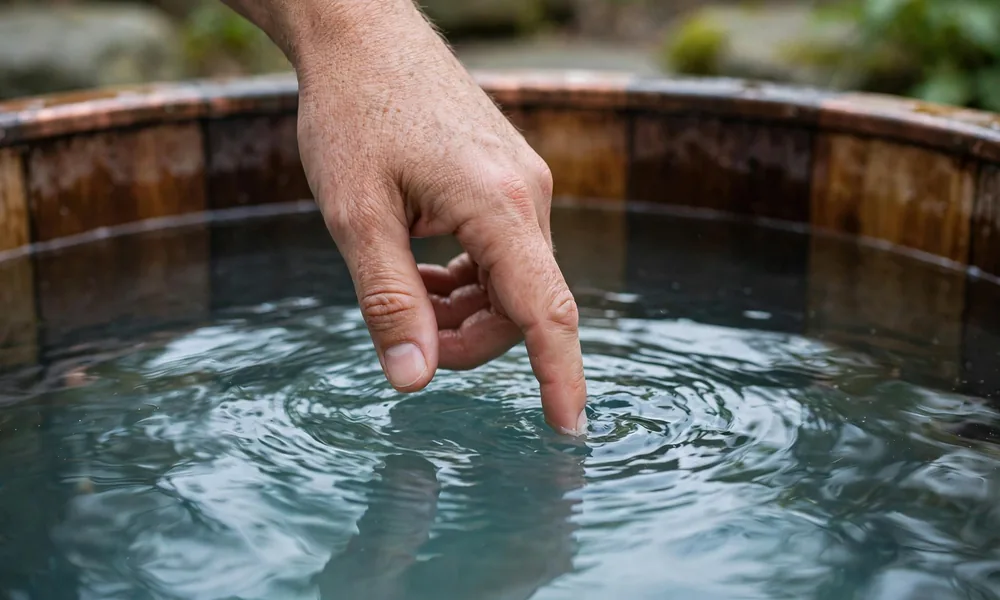
Testing the water first is a small habit that prevents big surprises. Before every plunge, dip your hand in the water and hold it there for a few seconds. Notice how cold it feels, and whether it feels colder than last time.
Check the tub itself too. Is the water clear and clean? Is the temperature what you expected? Is the step dry, and is the handrail firm? A quick check takes less than a minute, and it is worth doing every time. If the water feels wrong in any way, skip the plunge.
Timing Your Plunge
Timing is what keeps a cold plunge safe. Short is safe, and long is not better. For a beginner, one minute or less is a good first goal, and even thirty seconds counts as a plunge.
Use a timer every time, and keep it where you can see it from the tub. A timer on a bench beside the tub is simple and reliable, and it stops the guesswork that cold water invites. When the timer sounds, get out, however good you feel. Prefer the morning, when the body is rested, and avoid plunging late at night or straight after exercise.

What Cold Plunging Will Not Do
Be honest about what cold plunging can and cannot do. It will not cure any skin condition, heal anything, or make you healthier on its own. It will not clear spots, reduce wrinkles, or change your body. It is a short, cold habit that some people enjoy, and its value is the fresh, awake feeling it gives, nothing more.
Cool, clean water is a simple pleasure for skin, as in glacier water beauty, cool, clean and simple, with no promises attached. A cold plunge carries the same limit: it is a habit, not a treatment.
| Plunge step | Time guide | Safety note |
|---|---|---|
| Test the water | Hand first | Never plunge alone |
| Enter slowly | Step by step | Breathe out slowly |
| Stay in tub | One minute max | Get out if dizzy |
| Warm up gently | Dry clothes on | No hot shower |
Your Cold Plunge Beginner Checklist
- Talk to a doctor first if you have any heart, blood-pressure, or breathing condition.
- Never plunge alone; always have another person nearby who can help.
- Test the water with your hand and check the tub before every plunge.
- Set a timer for one minute or less and get out when it sounds.
- Get out at once if you feel dizzy, numb, confused, or short of breath.
- Dry off, put on a warm robe, and warm up slowly with dry clothes.
Frequently Asked Questions
How long should a beginner stay in a cold plunge?
A beginner should stay in for one minute or less, and even thirty seconds counts as a plunge. Use a timer, get out when it sounds, and build up slowly over weeks if the habit suits you.
Is cold plunging safe for everyone?
No. Cold plunging is not safe for everyone. People with heart or blood-pressure conditions, fainting, epilepsy, asthma, or breathing problems should talk to a doctor first.
Why should I never plunge alone?
Cold water can cause cold shock, dizziness, or fainting, and you may need help getting out of the tub. Another person nearby can help you out, keep you calm, and call for help if something goes wrong.
What should I do if I feel dizzy in the water?
Get out at once, slowly and holding the rail, and tell your companion how you feel. Sit down somewhere warm, dry off, and rest. If you feel unwell for more than a few minutes, seek medical help.
Does cold plunging help skin?
Cold water can make skin feel fresh and tight for a little while, and it often looks flushed afterwards as warmth returns. It does not cleanse, moisturise, or treat any skin condition, and it will not change your skin in the long term.
How often should a beginner cold plunge?
Start with once or twice a week, with rest days in between, and only on days when you feel well. A skipped day is always better than a plunge when you feel unwell.
The Bottom Line
Cold plunge skin is a short, sharp, refreshing habit, and it is best enjoyed slowly, safely, and with someone nearby. Keep it short, keep it careful, and listen to your body.
If you try it, start with one minute, and let the warmth afterwards be the reward.
A Note for Beginners
Keep it short, keep it safe, keep it shared. The cold water will still be there tomorrow, and the best plunge is always the one you walk away from feeling well.