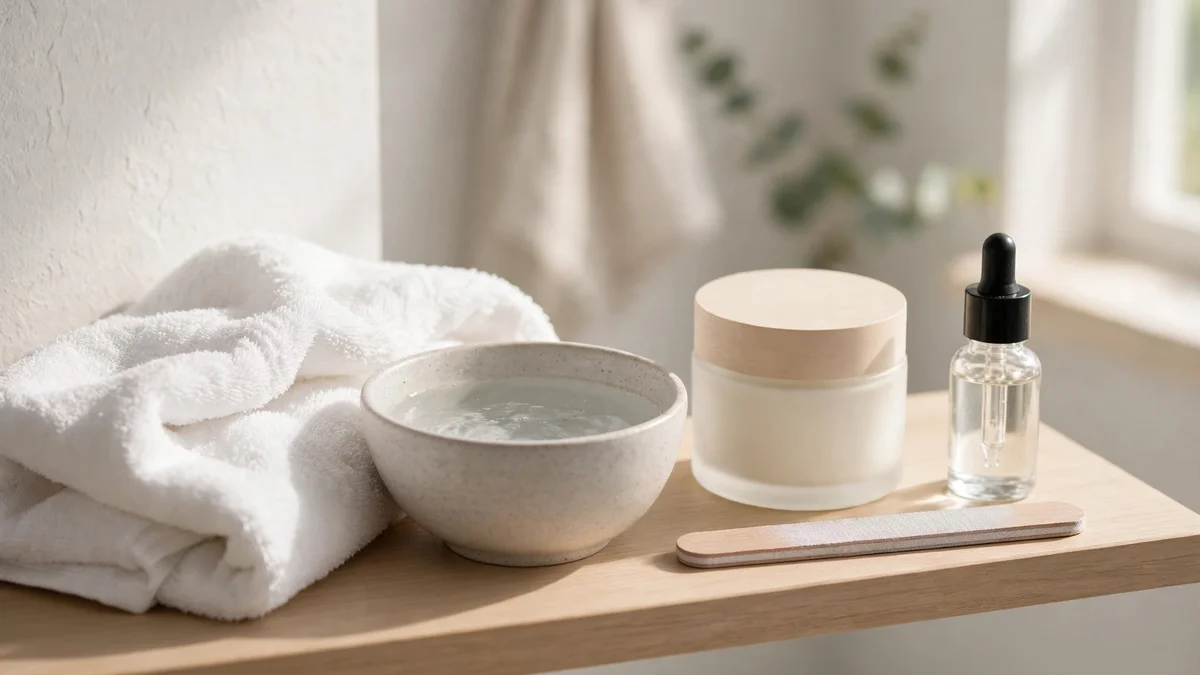
Hands are always on show — holding a cup, turning a page, tapping a keyboard — and the nails at their ends are noticed far more than most people realise. When the nails are tidy and the skin around them is soft, the whole hand looks cared for, even without colour.
A manicure is the small ritual that makes that happen. It is not a salon secret and it does not need a drawer full of tools: a short soak in lukewarm water, a gentle shape, a drop of oil, and a little cream, done slowly at home in about twenty minutes.
This guide sets out the ritual in plain steps: what a manicure is, how water helps and harms it, and how to finish with neat nails and soft hands. It is gentle general information only, and it will not cure a nail or skin problem, so anything sore, swollen or lasting deserves a doctor.
Key Takeaways
- A manicure is the full hand ritual: soak, shape, oil, polish, cream.
- Short lukewarm soaks soften nails and skin; long hot soaks weaken them.
- File gently in one direction, and never cut cuticles.
- Patch-test new products, and keep tools clean and dry.
- Sore, swollen or lasting nail problems deserve a doctor, not a home fix.
What a Manicure Is
A manicure is the care of the whole hand, from wrist to fingertip, and it covers more than the nails alone. The nails are trimmed and shaped, the skin at their base is softened and eased back, the hands are washed and dried, and a little oil and cream finish the work. Polish is optional.
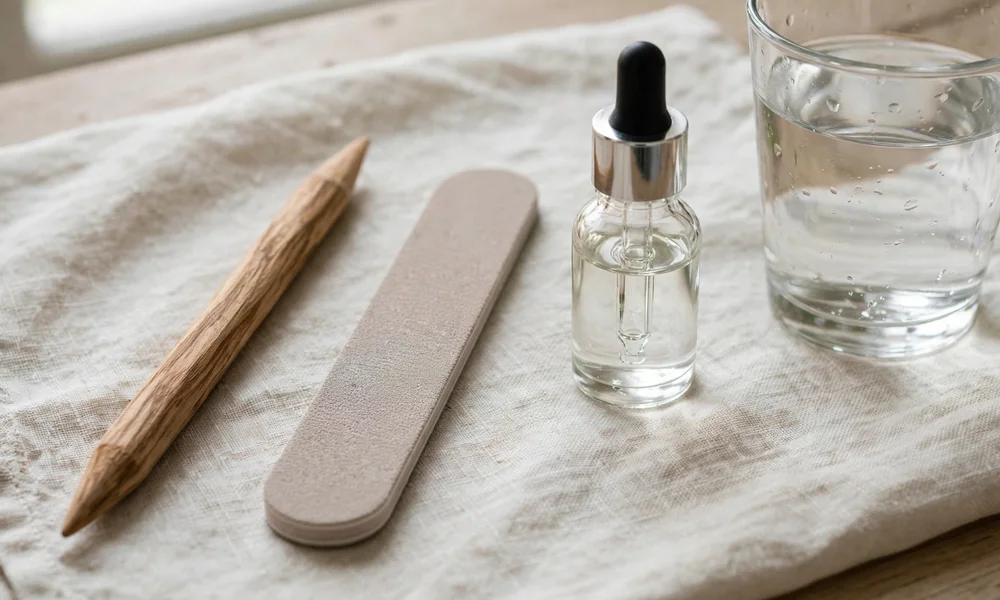
A bowl of lukewarm water, a soft file, a wooden stick, a small bottle of oil and a plain cream are all it takes. Done once a week, it keeps nails from catching, skin from tearing, and hands looking neat.
Why Water Suits a Manicure
Water suits a manicure because it softens everything the ritual touches. A short soak makes the nails bend instead of snap when they are trimmed, and it makes the skin at the nail base soft enough to ease back without tearing. Dry nails resist and crack; softened nails give way cleanly.
Water also cleans: hands gather dust, soap and soil through the day, and a gentle wash leaves nails and skin clean before any oil or cream goes on. Plain water is enough, with no salt, oils or special mixtures needed.
A Simple Fresh Manicure
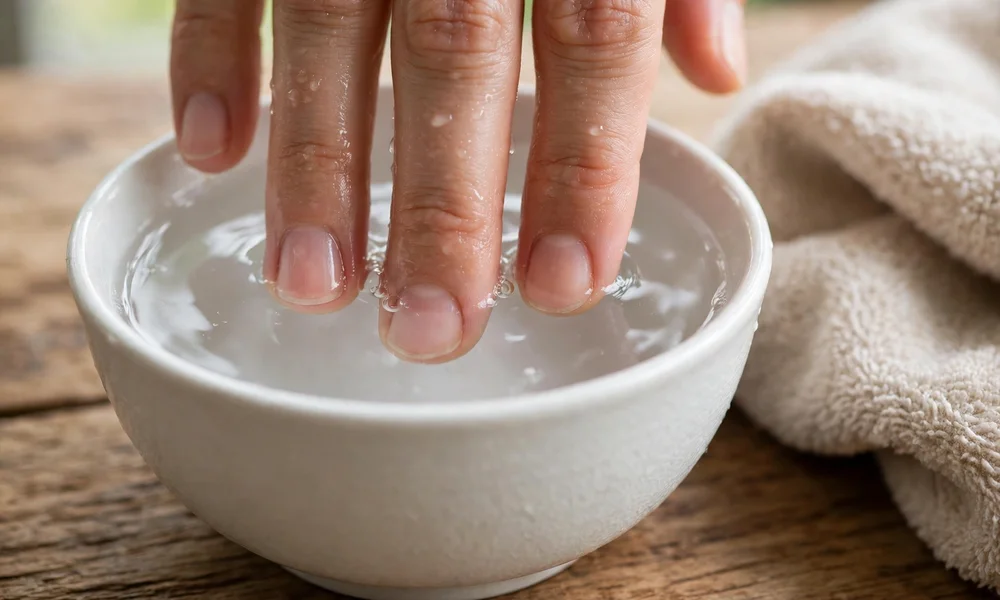
Start by washing your hands with lukewarm water and a mild soap, then pour lukewarm water into a small bowl and rest your fingertips in it for three to five minutes. Pat the hands dry, trim the nails if they need it, and file the edges smooth in one direction.
Then ease the cuticles back with a wooden stick, smooth a drop of oil over each nail base, and finish with plain cream over the hands. If you like polish, paint it on clean, dry nails now, and let it dry fully before you touch anything.
The Short Lukewarm Soak
Keep the soak brief, warm and plain. Pour lukewarm water into a small bowl — test it first on the soft skin of your wrist, where it should feel warm without stinging — and dip just your fingertips in for three to five minutes. That window softens nails and the skin around them, yet ends before the nails have time to swell and weaken.
Staying in longer works against you. A nail that soaks too long puffs up with water, then shrinks as it dries, and each swell-and-shrink round leaves it a little more fragile. Very hot water does worse damage, washing the skin's own oils away. Brief and lukewarm is the way to keep water on your side.
Manicures at a Glance
| Short soak | Gentle shape | Soft finish |
|---|---|---|
| Lukewarm, plain | One direction | Oil, then cream |
| Three, five minutes | Short, rounded | Polish optional |
| Pat dry softly | Never cut cuticles | Weekly, twenty minutes |
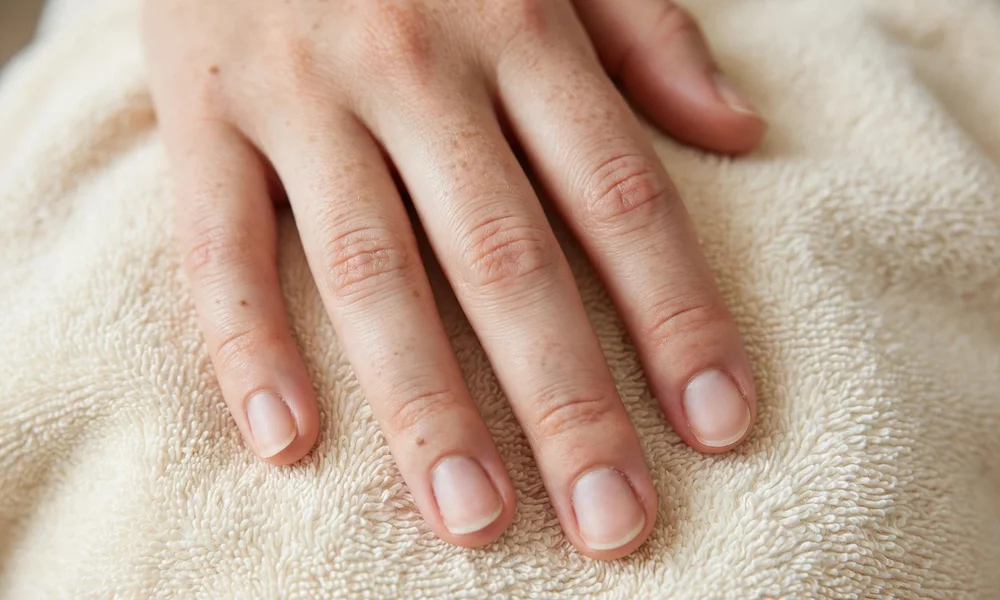
Manicures and Nail Care
Manicures and nail care are often mixed up, but they are not the same thing. Nail care with water covers the everyday strength routine: short lukewarm soaks, gentle filing in one direction, and plain hand cream, aimed at stopping nails from splitting and peeling as they grow.
A manicure is the wider ritual that holds that routine inside it. It adds the soak as a beginning, the shaping as a middle, and the oil, polish and cream as a finish, turning a daily habit into a weekly occasion.
Manicures and Cuticles
Cuticles are the thin rims of skin at the base of each nail, and they get their own small part in a manicure. Water and cuticles covers them in full: what they are, how a short soak softens them, and how to ease them back with a wooden stick.
In a manicure, the cuticle step comes after the soak, while the skin is still soft. Push each cuticle back gently with the flat end of a wooden stick, and stop if anything feels sore. Cuticles seal the gap where the new nail grows, so cutting them opens a door to dirt and germs.
Manicures and Older Hands
Older hands ask for the same ritual, only slower and softer. Water and older hands covers hands whose skin has grown thinner and drier with the years, asking for lukewarm water, a brief wash, a soft pat dry, and plain cream while the skin is still slightly damp.
A manicure for older hands follows that same gentle line. Keep the soak short, file with a light touch, ease cuticles back without pressing hard, and smooth cream over the hands slowly. If the skin tears easily or bruises at a touch, skip the shaping and keep only the wash, oil and cream.
Shaping and Filing Gently
Most nail trouble starts at shaping time, and most of it is easy to stop. Use clean, sharp clippers and take the length down in little snips, straight across, instead of one hard squeeze, keeping the nails short to medium so they neither snag on cloth nor snap on a hard edge.
Smooth the edges next with a soft, fine file, stroking one way only, from the outer edge in toward the middle. A sawing motion back and forth frays the tip and splits the nail into layers. Finish with a rounded shape, which snags far less on fabric than a pointed corner does.
Oil, Cream and Polish
Oil comes first after shaping, while the nails are clean and dry. Smooth one small drop of plain nail oil over each nail base and rub it in with a fingertip, so the skin around the nail stays soft. Use only a little.
Cream follows the oil, rubbed over the backs of the hands, the palms and between the fingers. If you want polish, paint it on now, over clean, dry nails: one thin coat, then a second once the first is dry. Skip polish on any nail that is sore, split or lifting, and let it rest bare.
Choosing Simple Tools and Products
A good manicure shelf is a short shelf. Pick a small bowl, a soft towel, a wooden stick, a fine file, a plain nail oil and a fragrance-free hand cream, and keep them together in one place, clean and dry between uses. Wash the bowl after each use and wipe the file clean.
Patch-test anything new on a small area, such as the back of one hand, and wait a day before using it on all ten fingers. Skip products that promise to harden nails overnight or to cure a nail problem, because those promises are not honest, and their strong ingredients can irritate the skin.
When to Ask a Doctor
Most hands need nothing more than this gentle ritual, but some signs belong to a doctor: a nail that is swollen, hot, bleeding or very painful, skin around it red and spreading, or a nail that lifts away or changes colour and shape for no clear reason.
The same advice holds for any spot that will not heal, a cuticle that keeps tearing and bleeding, or a rash that spreads after a new product. Do not try to treat it at home. A short visit, with the hand looked at properly, is worth far more than weeks of worry.
Your Fresh Manicure Checklist
- Wash hands, then soak fingertips three to five minutes.
- Pat dry softly, trim in small steps, file one way only.
- Ease cuticles back gently with a wooden stick.
- Smooth oil over each nail base, then cream over hands.
- Patch-test every new product on one hand first.
- Show any sore, swollen or lasting problem to a doctor.
Frequently Asked Questions
What is a manicure?
A manicure is the care of the whole hand, from wrist to fingertip: nails trimmed and shaped, cuticles softened and eased back, hands washed and dried, and a little oil and cream to finish. Polish is optional, and many manicures end with bare, shiny nails.
How long should I soak my nails?
Three to five minutes in lukewarm water is enough. That softens the nails and the skin around them without the long swelling that weakens nails, and hot water should never be used, because it strips the skin of its natural oils.
Should I cut my cuticles?
No. Cuticles seal the gap where the new nail grows, keeping out dirt and germs, so cutting them opens that gap and invites infection. Ease them back gently with a wooden stick after a short soak, and stop if anything feels sore.
Can I do a manicure every week?
Yes, once a week suits most hands. A weekly ritual keeps nails from catching, skin from tearing, and hands looking neat, and it is far kinder than a harsh session after weeks of neglect.
Is polish bad for my nails?
Polish is fine on healthy nails, painted in thin coats over clean, dry nails and removed gently. Skip polish on any nail that is sore, split or lifting, and let it rest bare, because polish over a damaged nail only hides the problem.
When should I see a doctor about a nail?
See a doctor promptly if a nail is swollen, hot, bleeding or very painful, if the skin around it is red and spreading, or if a nail lifts away from its bed or changes colour and shape for no clear reason.
The Bottom Line
A manicure is a small weekly ritual: a short lukewarm soak, gentle shaping, a drop of oil, and plain cream, leaving hands tidy and nails neat.
A Note for Fresh Hands
Keep the water lukewarm, the touch light, and the ritual short. A few gentle minutes each week are enough to keep hands fresh.


