
Shoulders carry more of the day than most of us notice. They hold up a bag, reach for a shelf, sit hunched over a desk, and tighten a little every time the day gets busy. By the evening, they can feel heavy, stiff and tired, even when the rest of the body feels fine.
Water and shoulders is a simple care routine that gives this hard-working area its own few minutes, morning and evening. Warm water, clean hands, a short gentle wash, a small amount of plain moisturiser, and a few slow stretches are enough.
This guide explains why shoulders need their own care, how to wash them gently, how to stretch them without forcing anything, and when to ask a doctor. It is gentle general information only, never medical advice, and it promises no cure.
Key Takeaways
- Shoulders carry tension, bag straps and long hours at a desk, so they need their own care.
- Lukewarm water is the gentlest daily wash, close to body temperature.
- Wash shoulders briefly, pat dry softly, and moisturise while the skin is slightly damp.
- Gentle shoulder rolls and slow stretches help, but never force a movement or push through pain.
- Patch-test every new product, and see a doctor for persistent problems or pain.
Why Shoulders Need Their Own Care
Shoulders need their own care because they do two jobs at once: they join the arms to the body, and they carry the weight of the day. They lift, reach, pull and hold, and they tighten when you are cold, busy or worried. That is why tension gathers here first, in a tight band across the top of the shoulders, long before you notice it anywhere else.
Warm Water for Shoulders
Warm water is the kindest start for shoulders, because it is close to body temperature and it does not shock the skin or the muscles. Lukewarm water, not hot and not cold, lets the shoulders relax a little, and it washes away sweat and dust without stripping the skin.
Let the warm water run over the shoulders for a short time, or press a warm, damp cloth against them for a minute. Keep the water gentle and the time short. The shoulders should feel warm and clean when you finish, never red, sore or rushed. A warm cloth is a good choice on days when a full shower feels like too much.
A Simple Shoulder Wash
A simple shoulder wash needs only clean hands, lukewarm water and a plain, gentle cleanser if you use one at all. Wet the shoulders with warm water, then wash with your hands in slow, light circles, from the neck out towards the arms.
Rinse briefly, then pat the skin dry with a soft, clean towel. Do not rub hard, because rubbing can irritate the skin and leave it sore. The whole wash takes a minute or two, and it fits easily into a morning shower or an evening wash.

Gentle Stretches for Shoulders
Gentle stretches help the shoulders let go of the day, but they must stay gentle. Roll the shoulders slowly, up towards the ears, back, and down again, five times, then roll them the other way. Lift one arm across the body and hold it lightly with the other hand for a few breaths, then change sides.
Move slowly and breathe out as you stretch, letting the shoulders drop away from the ears as you breathe. Repeat each gentle movement only a few times, and rest between sides. Never bounce, never yank an arm, and never push through pain or a sharp feeling.
Moisturising Shoulders
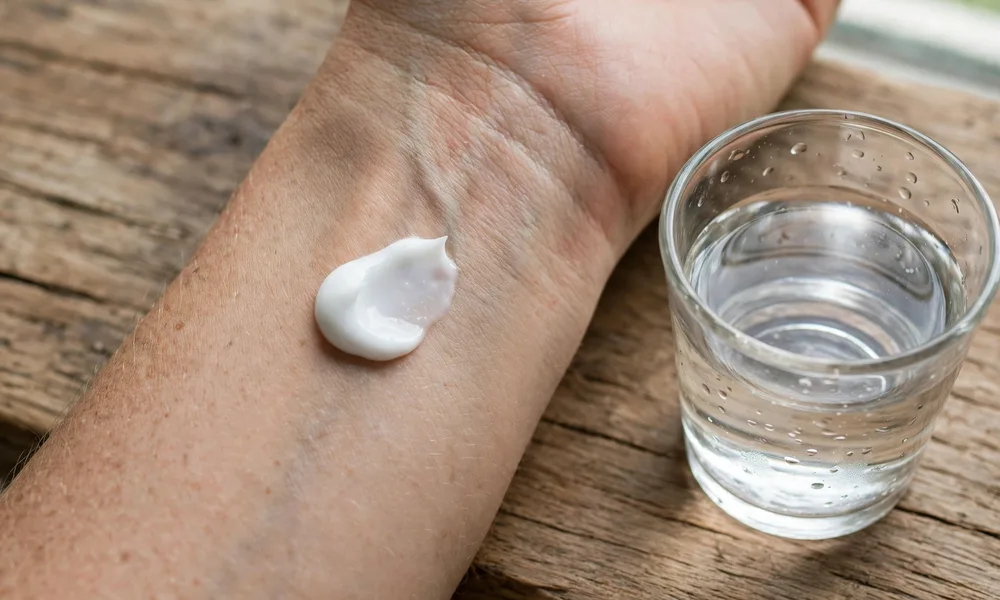
Shoulders dry out easily, especially in cold weather, after hot showers, and where bag straps rub the skin. A plain moisturiser, applied while the skin is still slightly damp, helps the skin stay soft and comfortable. Choose a plain, fragrance-free cream if your skin is sensitive, and use only a small amount at first, adding a little more only if the skin still feels dry.
Warm a little cream between your hands, then smooth it over the shoulders in slow, light strokes, from the neck out towards the arms.
A Morning and Evening Shoulder Routine
A morning shoulder routine is short: a warm wash in the shower, a pat dry, a thin layer of moisturiser, and five slow shoulder rolls before you dress. That is enough to start the day with shoulders that feel loose and cared for, rather than tight from sleep.
An evening routine is slower: warm water, a gentle wash, moisturiser, and a few slow stretches before bed.
Shoulders at a Glance
| Warm water wash | Gentle stretches | Plain moisturiser |
|---|---|---|
| Lukewarm, not hot | Slow rolls, no forcing | Damp skin, thin layer |
| Pat dry softly | Breathe out slowly | Fragrance-free if sensitive |
| Morning and evening | Stop if it hurts | See doctor for pain |
Shoulders and Neck Care
Shoulders and neck care belong together, but they are not the same routine. The live neck care guide gives the neck its own minute, morning and evening: lukewarm water, clean hands, a short gentle wash, a small amount of moisturiser, and sun care when you go out. The neck is thin, soft skin that bends and folds all day, and it needs gentle washing and sun care.
Shoulders are broader, carry tension and bag straps, and join the arms to the body. Where water and neck care a simple daily ritual keeps a gentle wash for the thin neck skin, this guide adds warm water, shoulder rolls and posture care.
Shoulders and Rough Elbows
Shoulders and rough elbows are both body-care routines, but they solve different problems. The live rough elbows guide is a softening ritual for dry, thickened patches of elbow skin that feel rough to the touch: warm water, gentle washing, a soft towel, and a plain moisturiser applied while the skin is still damp, with no scrubbing at all.
Shoulders are not usually rough in that way. Their problem is tension, stiffness and strap rub, not thickened dry patches. Where water and rough elbows a simple softening ritual keeps a softening routine for dry elbow skin, this guide keeps stretches and posture care for shoulders.
Shoulders and Knees
Shoulders and knees are both joints that carry the body through the day, but they need different care. The live knees guide is a softening ritual for knees that bend with every step, carry weight, and press into floors: warm water, gentle washing, and plain moisturiser while the skin is damp, with care for skin that is pressed and bent.
Shoulders do not press into floors, and they do not bend with every step. They lift, reach and hold, and they tighten with worry and long hours at a desk. Where water and knees a simple softening ritual keeps a softening routine for knees, this guide keeps slow shoulder rolls and strap care.

Straps, Posture and Everyday Habits
Straps and posture shape how shoulders feel by the end of the day. A heavy bag on one shoulder pulls the body sideways, so carry a lighter bag, use both straps when you can, and change sides often. A desk that is too high or too low makes the shoulders creep up towards the ears, so sit with your feet flat and your arms relaxed.
Take a short break every hour: stand up, drink a glass of water, roll the shoulders slowly, and let the arms hang loose for a few breaths.
When to Be Extra Gentle
Be extra gentle with shoulders when the skin is sore, broken or sunburnt, and when a muscle feels strained. Skip the stretches on those days, wash with lukewarm water only, and use a plain moisturiser if the skin is dry.
See a doctor if shoulder pain lasts more than a few days, if it is sharp or severe, if the shoulder is swollen, or if you cannot lift your arm. This guide is general information only, and it cannot replace a doctor's advice. Patch-test every new product on the inner wrist first, and stop using it if the skin turns red or itchy.
Your Shoulder Care Checklist
- Wash shoulders with lukewarm water, morning and evening.
- Pat dry softly with a clean towel, never rub hard.
- Moisturise while the skin is slightly damp, with plain cream.
- Roll shoulders slowly five times, and stretch gently without forcing.
- Lighten your bag, use both straps, and change sides often.
- Patch-test new products, and see a doctor for persistent pain.
Frequently Asked Questions
How often should I wash my shoulders?
Wash your shoulders once in the morning and once in the evening, with lukewarm water and clean hands. A short, gentle wash is enough, and there is no need to scrub or use a strong product.
Is hot water good for shoulders?
No, hot water is not the best choice for daily shoulder care. Lukewarm water is gentler, because it washes away sweat and dust without leaving the skin dry and tight afterwards.
What is the best moisturiser for shoulders?
A plain, fragrance-free cream is a good choice, especially if your skin is sensitive. Apply a thin layer while the skin is still slightly damp, and patch-test it on the inner wrist first.
Can I stretch my shoulders every day?
Yes, you can stretch gently every day, with slow shoulder rolls and light stretches. Move slowly, breathe out as you stretch, and stop at once if a movement hurts.
How are shoulders different from neck care?
Neck care is a gentle wash and sun care for thin, soft neck skin, while shoulder care adds warm water, gentle stretches and posture care. Shoulders carry tension and bag straps, so they need movement as well as washing.
When should I see a doctor about my shoulders?
See a doctor if shoulder pain lasts more than a few days, if it is sharp or severe, if the shoulder is swollen, or if you cannot lift your arm. This guide is general information only.
The Bottom Line
Water and shoulders is a simple care routine: warm water, a gentle wash, plain moisturiser, and a few slow stretches, morning and evening. Keep it gentle, keep it regular, and see a doctor for pain that lasts.
A Note for Calm Shoulders
Keep it warm, keep it gentle, keep it slow. A glass of water, a few slow rolls, and a minute of care can carry your shoulders through the day.