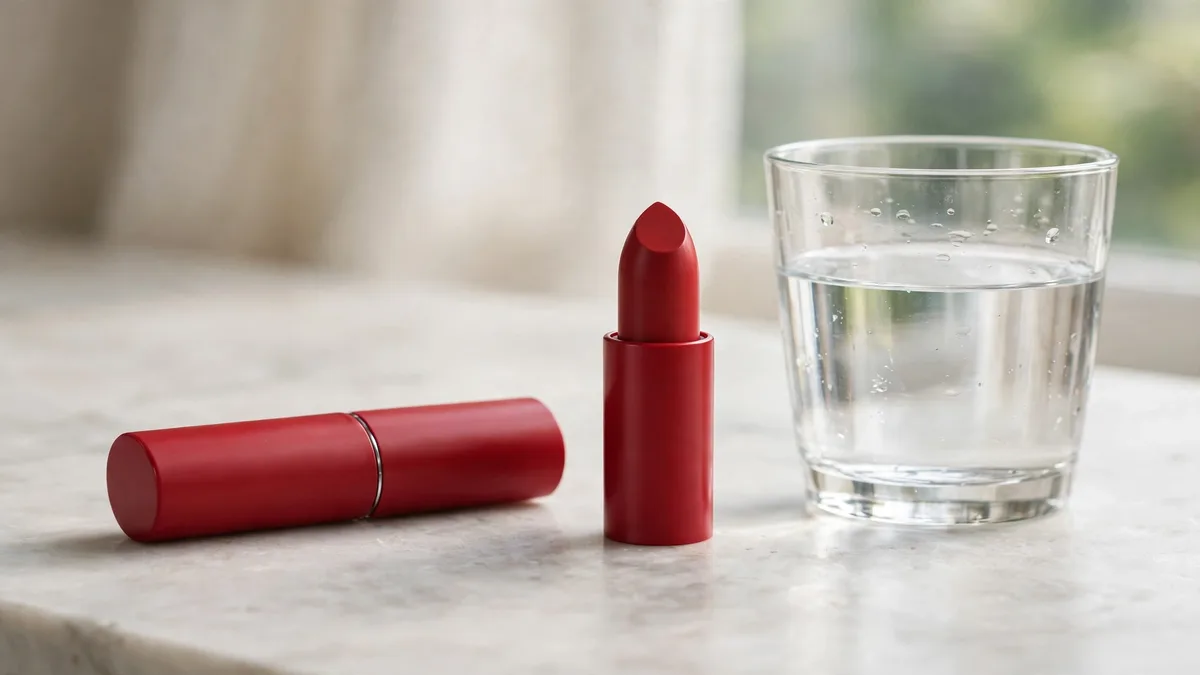
A smooth lipstick finish looks simple, but anyone who has worn lipstick knows it is not. Some mornings the colour glides on evenly and stays soft all day. Other mornings it catches on dry patches, settles into fine lines, and looks tired by lunch. The difference is rarely the lipstick itself. The lips are the thinnest skin on the face, so they show dryness first, long before the rest of the skin does.
Water and lipstick are partners in a smooth finish. A little water at the right moment, a plain balm, and a few gentle steps can turn a rough, patchy application into soft, even colour. None of it needs harsh products or clever tricks.
This guide explains what a smooth finish means, why lipstick catches and cracks, how water helps before and after, and how to apply, blot, touch up and remove lipstick gently. It is gentle general beauty information only, and it makes no medical claims.
Key Takeaways
- A smooth finish means even colour on soft lips, with no catching, cracking or patchy lines.
- Lipstick catches because lips dry out, and dry skin holds colour unevenly.
- Water comes first: drink fresh water, wash gently, then seal softness in with plain balm.
- Thin layers last longer and look smoother than one heavy layer of lipstick.
- Blot once, add a second thin layer, and touch up gently through the day.
What a Smooth Finish Means
A smooth finish means lipstick colour that looks even from edge to edge, with no dry patches showing through and no colour gathering in fine lines. The lips look soft, the colour looks like it belongs there, and the edges stay clean without feathering into the skin around them.
It does not mean a thick, heavy coat or a perfect outline drawn with a hard line. A smooth finish is light and natural: the colour sits on soft lips, light catches it evenly, and the lips still move and feel comfortable. When the finish is smooth, you forget you are wearing lipstick at all.
Why Lipstick Catches and Cracks
Lipstick catches and cracks for ordinary reasons, and none of them means you did anything wrong. Lips have thin skin with no oil glands of their own, so they dry out faster than the rest of the face. Cold air, dry rooms, hot drinks and long hours of talking all pull moisture away, and dry skin holds colour unevenly.
When lips are dry, the surface turns rough, and lipstick clings to the rough spots while sliding off the smooth ones. Thick layers make it worse, because a heavy coat cracks as the lips move. The fix is not more lipstick: it is softer lips first, then thin colour on top. Drinking water helps from the inside too, though it works slowly, over days rather than minutes, so a single glass before makeup will not fix dry lips on its own.
Water Comes First
Water comes first in every smooth lipstick routine, because soft lips start with water, not with colour. Drink fresh water slowly through the day, and wash the lips gently with lukewarm water in the morning. The water softens the thin skin, and everything after it works better.
Then seal that softness in with a plain balm while the lips are still slightly damp. The balm holds the water in, so the lips stay soft instead of drying out again in minutes. The same water-first habit is described in lip care water for a simple daily habit, where fresh water and plain balm keep lips comfortable every day.
Choosing a Plain Balm
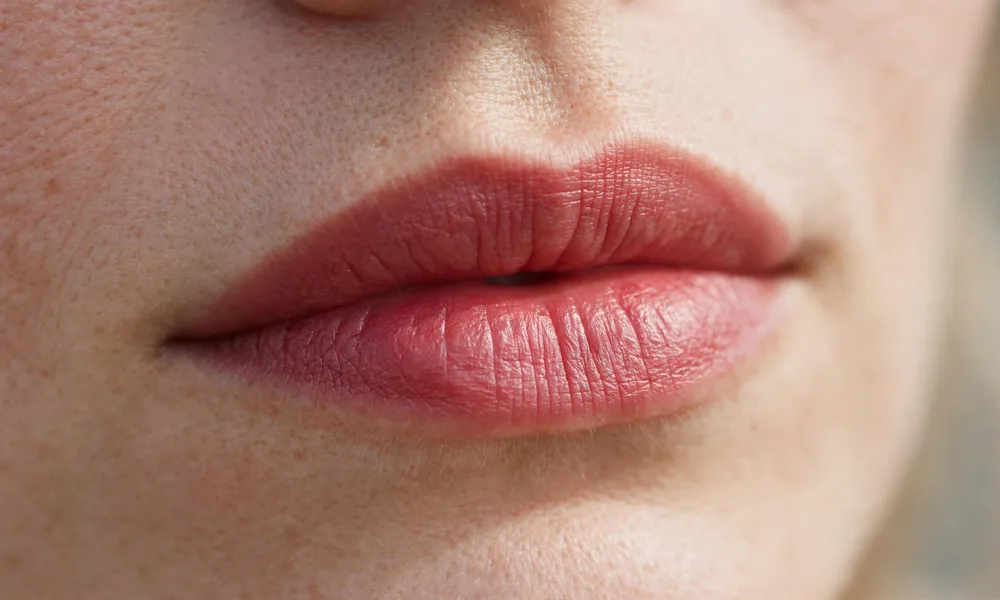
Choose a plain balm, and keep it simple. A good balm has very few ingredients, no strong scent, and no tingle or burn when you put it on. It should feel soft and smooth, not sticky or waxy, and it should sink in after a few minutes rather than sitting on the lips in a thick coat.
Be wary of balms that promise to plump, tingle, or fix the lips overnight. Those often contain strong ingredients that dry the lips out more over time, and they make lipstick sit worse, not better. A plain balm, used often and gently, is all the lips need before colour. If a balm stings or tingles, stop using it, because comfort is the test: a balm that hurts the lips is doing more harm than good, however pretty the tube looks.
Applying Lipstick Smoothly
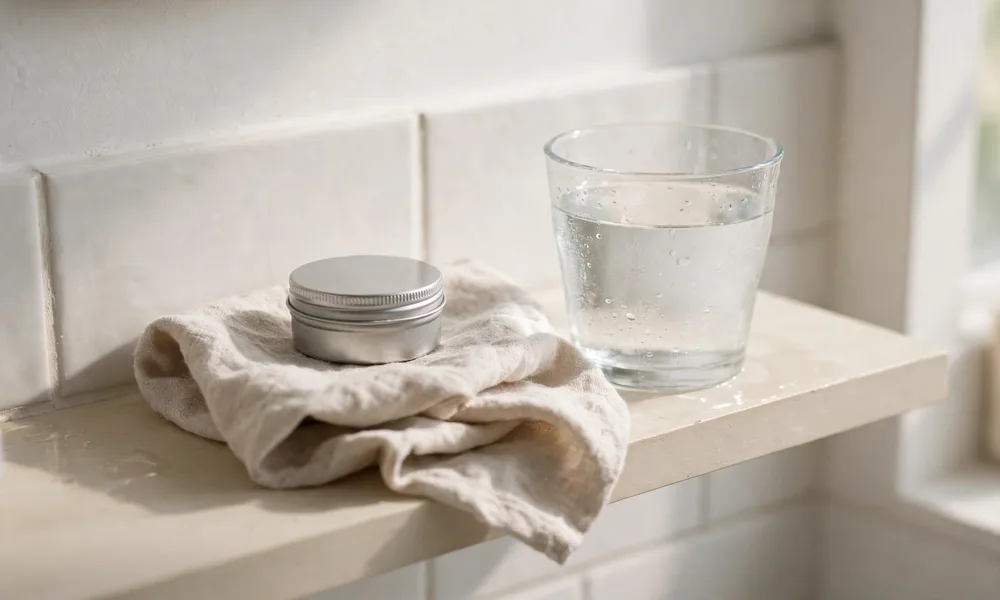
Apply lipstick smoothly by starting with soft lips and a thin hand. After the balm has sunk in, blot away any extra balm with a soft tissue, so the lipstick has a clean surface to hold on to. Then apply the first layer lightly, starting at the centre of the lips and working outward with short, gentle strokes.
Do not press hard, and do not go over the same spot again and again, because that builds up thick patches. One light, even layer is enough to start. The colour will look soft rather than heavy, and the lips will still feel comfortable underneath it. Hold the lipstick loosely, as you would hold a pencil for sketching, because a tight grip presses too hard and lays the colour on thick.
Blotting and a Second Layer
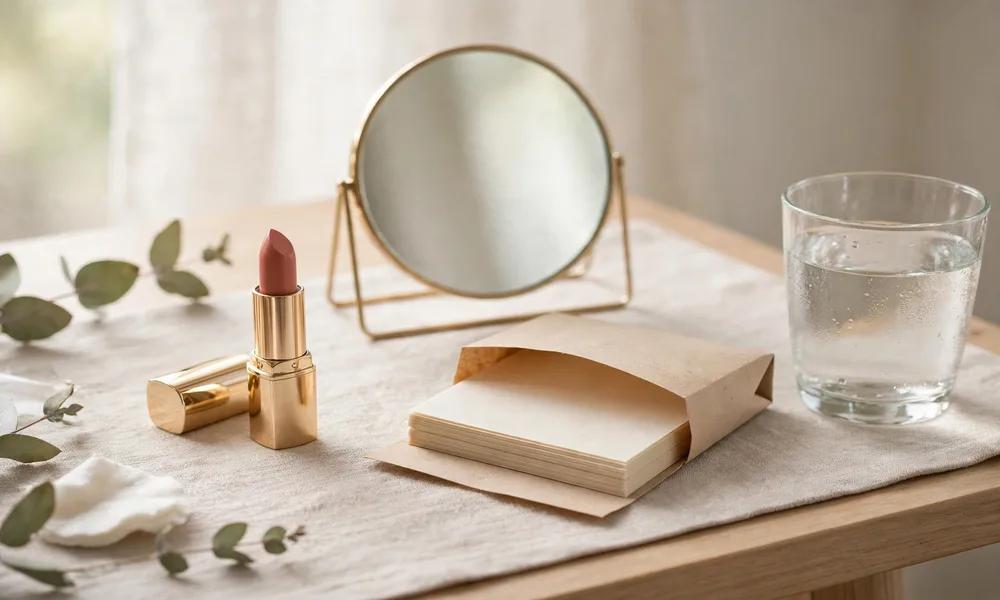
Blotting and a second layer are what turn a good first coat into a smooth finish that lasts. After the first light layer, press the lips gently onto a clean tissue once, and lift away. This takes off the extra colour that would have smudged or cracked, and leaves a thin, even stain behind.
Then add a second thin layer in the same gentle way, centre first and outward. Two thin layers hold together far better than one heavy one, because each layer is light enough to move with the lips. The colour looks deeper now, but the finish stays soft and even. If the tissue shows a lot of colour, that is good news, because it means the extra colour is on the tissue now instead of cracking on your lips later.
Touch-Ups Through the Day
Touch-ups through the day work best when they are small and gentle. Lips lose colour unevenly: the centre fades first from eating and drinking, while the edges often keep their colour. A good touch-up fixes only what has faded, instead of starting the whole face again.
Blot the lips gently first, then press a little colour onto the faded centre with a fingertip or the lipstick tip, and blend it outward. The same gentle touch-up habit runs through water and makeup for making it last, where thin layers and a light mist carry makeup through a long day. Keep a small mirror and the lipstick in your bag, so a quick touch-up takes less than a minute and never needs a full mirror or a fresh face.
Taking Lipstick Off Gently
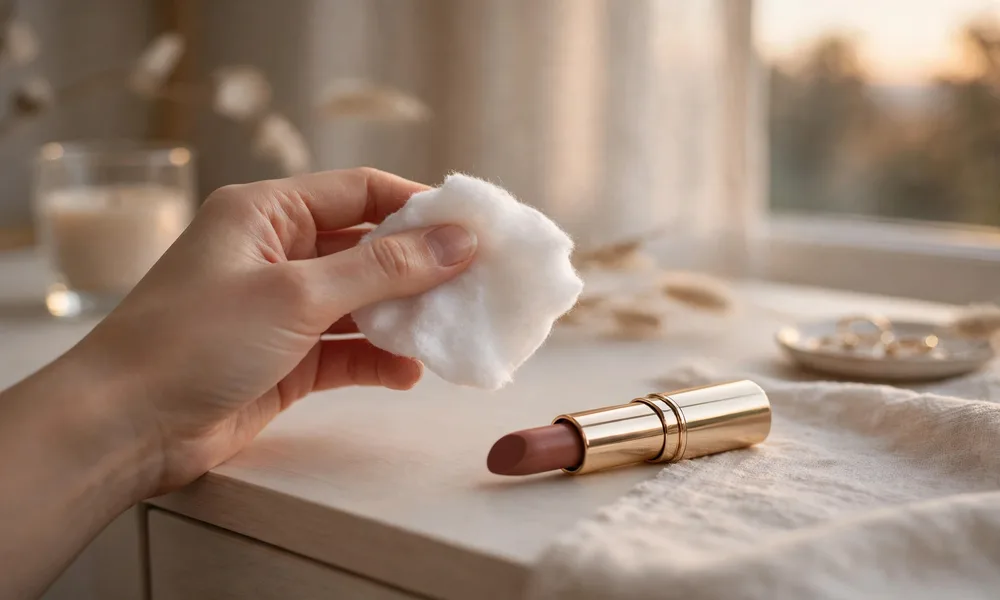
Taking lipstick off gently matters as much as putting it on, because rough removal dries the lips out for tomorrow. At night, press a soft cloth or cotton pad dampened with lukewarm water onto the lips for a few seconds, then wipe softly in one direction. Long-wear colour may need a second gentle pass, and that is fine.
Never scrub, rub hard, or pick at the lips, because the thin skin tears easily and heals slowly. Once the colour is gone, smooth on a little plain balm and leave the lips alone. Warm water works better than cold, because it softens the colour gently, and a soft cloth is kinder than a rough tissue or a makeup wipe full of scent. A gentle cleanse with water suits this step well, and one good example is described in micellar water done right, where plain water-based cleansing stays soft on the skin.
Water and Lipstick at a Glance
| Soft lips | Smooth colour | Gentle care |
|---|---|---|
| Water through day | Thin first layer | Blot, never scrub |
| Lukewarm morning wash | Blot once gently | Soft cloth only |
| Plain balm often | Second thin layer | Plain balm nightly |
| No picking lips | Blend from centre | Mild soap only |
Your Water and Lipstick Smooth Finish Checklist
- Drink fresh water through the day and wash lips gently with lukewarm water.
- Smooth on plain balm while lips are damp, then let it sink in.
- Blot away extra balm before the first thin layer of lipstick.
- Apply one light layer, blot once, then add a second thin layer.
- Touch up only the faded centre, blending outward with a light hand.
- Take lipstick off gently at night, then finish with plain balm.
Frequently Asked Questions
Why does my lipstick look patchy?
Lipstick looks patchy when the lips are dry, because dry skin holds colour unevenly and rough spots catch more colour than smooth ones. Soften the lips first with water and plain balm, blot away the extra balm, and apply thin layers instead of one heavy coat.
Should I put lipstick on dry lips?
No, lipstick goes on best over soft, lightly moisturised lips, never over dry, rough ones. Wash gently with lukewarm water, smooth on plain balm, wait a few minutes, blot away the extra, and then apply the first thin layer of colour.
How many layers of lipstick should I wear?
Two thin layers are enough for most days: a light first layer, a gentle blot, and a second thin layer on top. Two thin layers look smoother and last longer than one heavy layer, because each layer stays light enough to move with the lips.
How do I stop lipstick from feathering?
Feathering happens when colour slips past the lip edge into fine lines, often because the lips are dry or the layer is too thick. Keep the layers thin, blot between them, and keep the colour just inside the natural lip line rather than drawing past it.
How do I touch up lipstick without starting over?
Blot the lips gently first, then press a little colour onto the faded centre with a fingertip or the lipstick tip, and blend it outward. Fix only what has faded, and leave the edges alone if they still hold their colour.
What should I do if my lips stay sore or cracked?
Be gentle and patient: stop wearing lipstick for a few days, keep the lips soft with plain balm and water, and do not pick or scrub them. If lips stay sore, cracked or painful, ask a doctor or dermatologist for advice rather than trying stronger products.
The Bottom Line
Water and lipstick are partners: soft lips first, thin colour second, gentle care always.
Drink the water, smooth the balm, and let the colour follow.
A Note for Smooth Finishes
Keep it soft, keep it thin, keep it gentle. The finish will follow.