Some days ask for slowness more than anything else. The week has been long, the shoulders feel tight, and all you want is warm water, a soft towel, and a few quiet hours. On a day like that, a busy schedule feels too much, and a quick shower feels too little.
Water and spa days offer a gentler way to spend those hours: a simple fresh ritual of soak, rinse, rest, and water sips, done slowly and kept short. It is a calm day built around warm water, not a test of endurance.
This guide explains what a spa day is, how to plan one, and how to enjoy it safely, at home or at a spa. It is general information only, never medical advice, and it makes no promise to cure or treat anything.
Key Takeaways
- A spa day is a gentle ritual of soak, rinse, rest and water sips.
- Warm water, a soft towel and slow hours are all it needs.
- Spa days differ from sauna days, steam rooms and hot tubs.
- Drink water before, during and after, and keep soaks short.
- This is general information only; real health problems need a doctor.
What a Spa Day Is
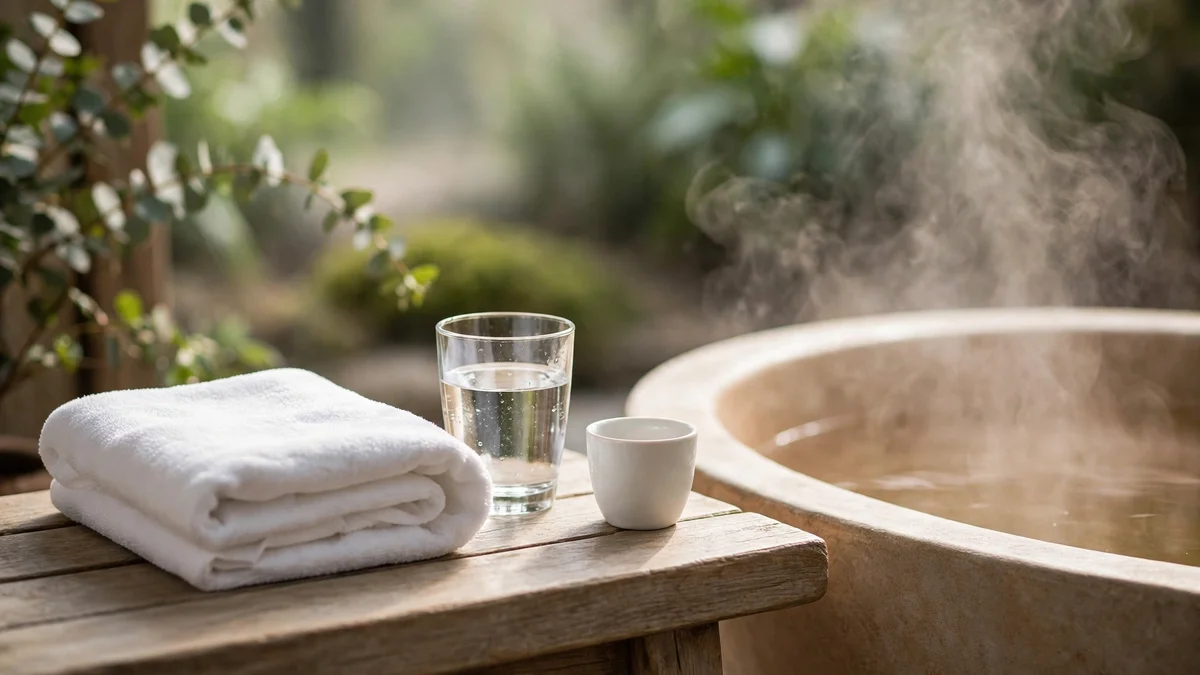
A spa day is a slow day built around warm water. It starts with a glass of fresh water, a warm soak in a bath or a pool, a rinse, then a rest in a quiet chair with another glass of water. The heart of the day is always the same: warm water, slow sips, and rest.
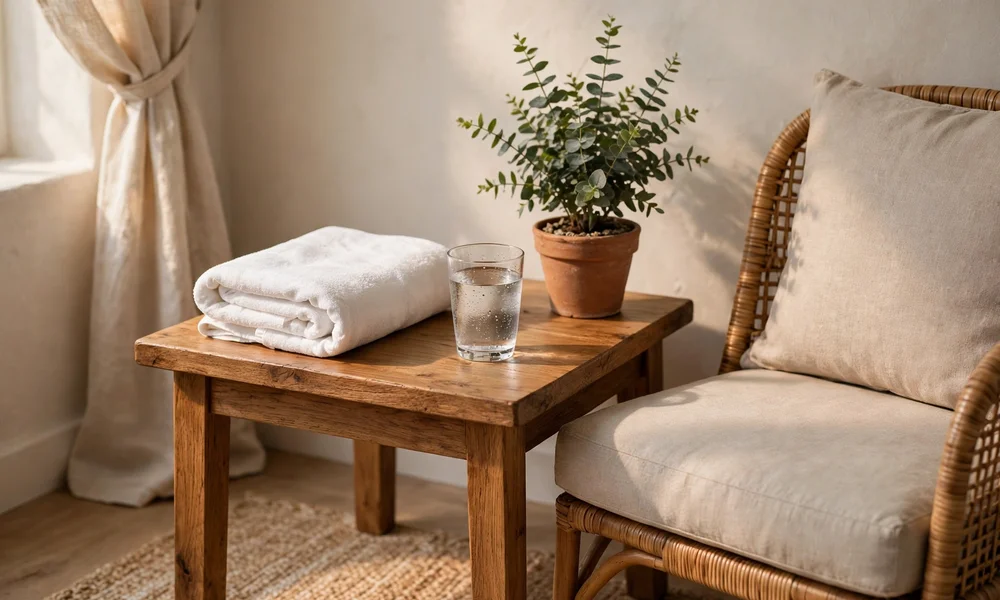
A spa day can happen at a spa or at home, with a warm bath, a clean towel, and a chair by the window. A home spa day is a real spa day, as long as it is slow. Water first, warmth second, rest last.
Why a Spa Day Suits Slow Days
A spa day suits slow days because it asks so little of you: no route to follow, no distance to cover, no skill to learn. You sit in warm water, sip fresh water, rest, and repeat it as slowly as you like. On a slow day, when the body feels tired and the mind feels full, that simplicity is the point.
Warm water suits slow days because it warms you gently. A warm soak loosens tight shoulders, a rinse cools the skin, and a rest lets the warmth settle. A spa day is not a cure for tiredness, and it will not fix a real health problem.
Planning a Simple Spa Day
Planning a simple spa day takes only a few minutes, and simple is best. Pick a day with nothing urgent, and set aside two or three hours. Fill a jug of fresh water, lay out two clean towels, and choose a comfortable chair for resting. If you are going to a spa, pack a water bottle and a towel.
Keep the plan short: one warm soak, one rinse, one rest, and then, if you like, a second short soak. Do not plan a long list of treatments. Tell someone where you are going if you go alone, and keep your phone nearby.
Water First: Sips Before the Soak
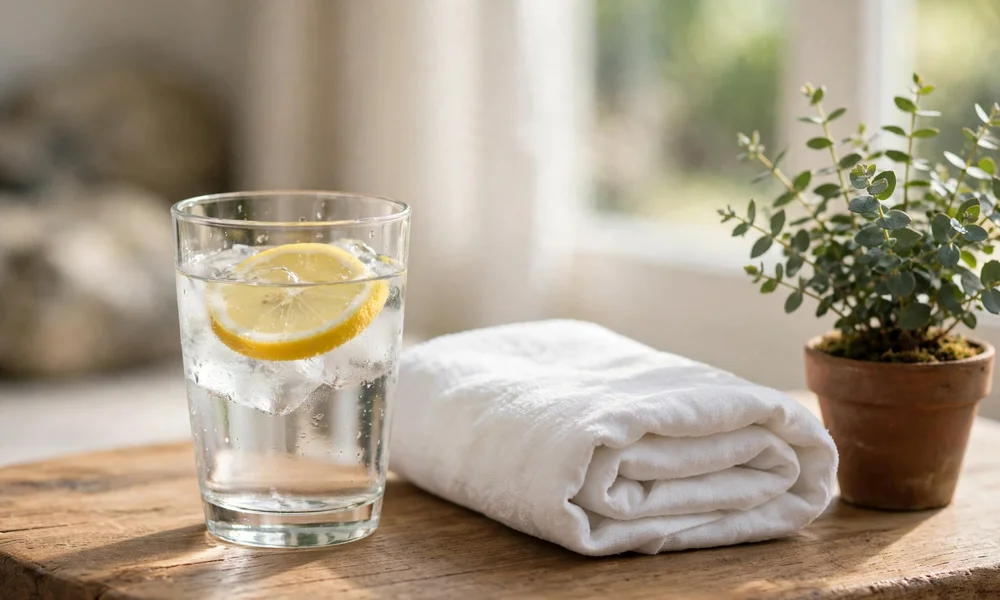
Water comes first on a spa day, before the soak begins. Drink a glass of fresh water slowly while you get ready, and set another glass beside the bath or the pool so it is waiting for you when you step out. Warm water makes you sweat a little, so sipping first helps you feel steady.
A glass before the soak, a glass after the rinse, and a glass with your rest works well. A slice of lemon in the glass keeps plain water fresh. Do not drink too much at once.
A Gentle Warm Soak
A gentle warm soak is the heart of a spa day. Run a bath that feels warm, not hot, and step in slowly. Sit back and breathe slowly, and let the warm water cover your shoulders. Keep the soak short, ten or fifteen minutes at most, and get out sooner if you feel too warm.
The water should feel warm and kind, never scalding, and the room should feel calm, with a towel within reach. Never fall asleep in the bath, and never soak alone if you feel unwell. A short soak is enough, and you can always soak again after a rest.
Rinse, Dry and Rest
After the soak, rinse with cool or lukewarm water. Pat yourself dry with a soft towel, and put on dry, loose clothes.
Then rest. Sit in a comfortable chair, put your feet up, and drink a glass of fresh water slowly. Rest for at least twenty minutes, and longer if you like. If you feel dizzy, sit down at once, drink water, and rest longer, and ask for help if it does not pass.

A Spa Day at a Glance
| Warm soak | Rinse, rest | Water sips |
|---|---|---|
| Warm, not hot | Cool rinse | Before the soak |
| Ten short minutes | Dry, loose clothes | Small slow sips |
| Never sleep in | Rest twenty minutes | After the rest |
Spa Days and Sauna Days
Spa days and sauna days both use warm water and heat, but they feel different. A sauna is a warm wooden room, heated by a heater with stones on top, and water on the stones makes a soft cloud of steam.
A spa day is slower and softer: the warmth comes from a bath or a pool, and the day is built around soaking, rinsing and resting, not short bursts of heat. Where water and sauna as a gentle heat ritual keeps a warm wooden room for short heat, this guide keeps a slow day of warm soaks and rest. If you like strong heat, a sauna may suit you; if you like slow warmth, a spa day will suit you better.
Spa Days and Steam Rooms
Spa days and steam rooms both use warm, damp air, but they are not the same. A steam room is a warm tiled room, filled with soft clouds of steam, and the air is thick and damp.
A spa day is broader and slower: it may include a little steam, but its heart is a warm soak, a rinse, and a long rest in a chair. Where water and steam rooms as a simple guide keeps a tiled room full of steam, this guide keeps a whole slow day of water and rest. Steam is one small part of a spa day, never the whole day.
Spa Days and Hot Tubs
Spa days and hot tubs both use warm water, but they move at different speeds. A hot tub is a small pool of warm, bubbling water, most often outdoors on a wooden deck, where you sit up to your shoulders and do nothing at all. The water is warmer than a bath, and the jets make a soft bubbling sound.
A spa day is usually indoors and slower, built around more than one soak. It adds a rinse, a rest in a chair, a glass of water, and a cup of tea. Where water and hot tubs as a gentle soak guide keeps a warm bubbling pool outdoors, this guide keeps a slow indoor day of soak and rest.
Spa Days and Hammams
Spa days and hammams share warm water and slow hours, but they differ. A hammam, as its queued title describes it, is a steam ritual: a warm, steamy room where the air itself does the work. It is a shared, traditional ritual, and the steam is the heart of it.
A spa day is a gentler, simpler ritual that does not need steam at all. Its heart is a warm soak, a rinse, a rest, and water sips through the day. A spa day can be a quiet day alone at home, with a bath and a chair.
Staying Safe on Spa Days
Staying safe on a spa day is simple, and it matters more than anything else on the day. Keep soaks short, keep the water warm and never hot, and drink water before, during and after. Leave the water at once if you feel dizzy or unwell, and sit down, drink water, and rest. Do not go back in if you still feel unwell.
If you have a heart condition, or you are pregnant, ask your doctor before a spa day, and follow your doctor's direction. Do not use a spa day to treat a health problem, and do not stay in warm water long. Never drink alcohol on a spa day. This guide is general information only, never medical advice.
Your Spa Day Checklist
- Fill a jug of fresh water and lay out two clean towels.
- Drink a glass of water slowly before the soak begins.
- Keep the soak warm, not hot, and short, ten or fifteen minutes.
- Rinse cool, pat dry, and rest for at least twenty minutes.
- Sip water through the day, in small slow sips.
- Leave the water if dizzy, and ask a doctor about heart conditions or pregnancy.

Frequently Asked Questions
What is a spa day?
A spa day is a slow day built around warm water: a warm soak, a rinse, a rest, and water sips, at home or at a spa.
How long should a spa day last?
Two or three quiet hours is enough. Keep each soak to ten or fifteen minutes, rest for at least twenty minutes between soaks, and do not rush the day.
How much water should I drink on a spa day?
Sip water through the day, in small slow sips: a glass before the soak, a glass after the rinse, and a glass with your rest.
Is a spa day the same as a sauna day?
No. A sauna day means short sessions in a warm wooden room with dry heat and steam from stones, while a spa day is a slower day of warm soaks, rinses and rest.
Can I have a spa day at home?
Yes. A warm bath, a clean towel, a chair by the window and a glass of fresh water make a real spa day at home.
Who should ask a doctor before a spa day?
If you have a heart condition, or you are pregnant, ask your doctor before a spa day and follow your doctor's direction.
The Bottom Line
A spa day is a simple fresh ritual: warm water, a short soak, a cool rinse, a long rest, and slow sips of water. Keep it gentle, short, and rest well.
A Note for Slow Days
Keep it warm, keep it slow, keep it fresh. A bath, a towel, a glass of water, and a few quiet hours can carry a day well.