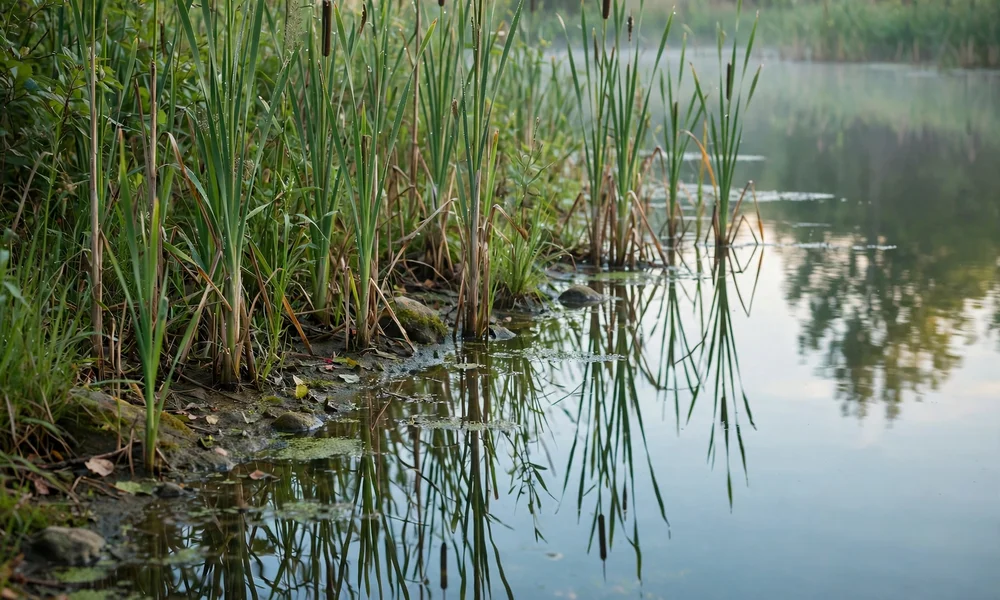
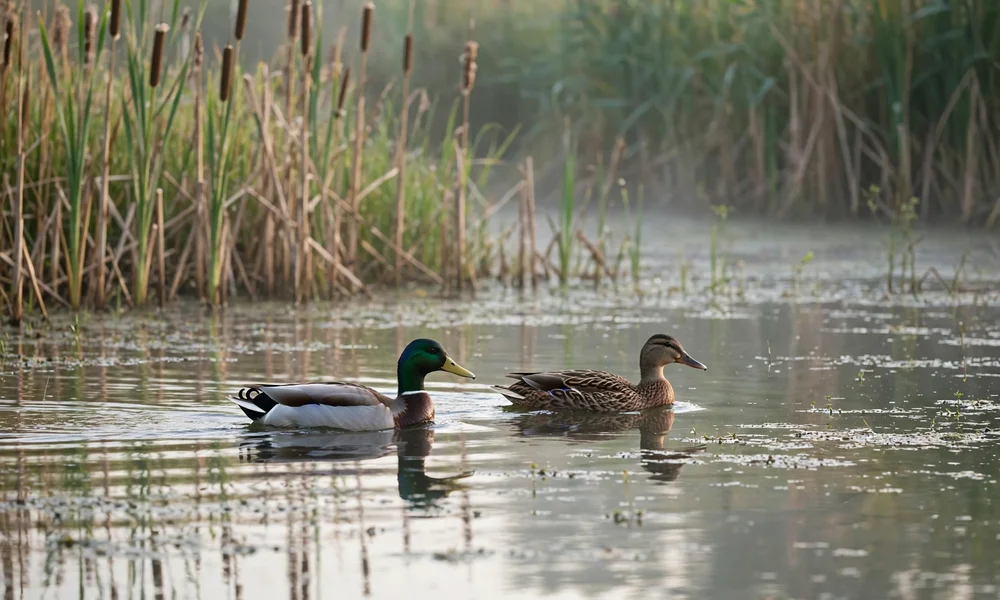
The middle of the afternoon is the pond's best hour. The morning's rush has gone, the sun has softened, and the water lies flat, holding the sky in its surface. Reeds stand along the bank, a duck drifts across the middle, and nothing on the water hurries.
A pond visit is the simplest way to meet that hour: a short walk to the nearest pond, a bottle of plain drinking water in your hand, and a seat on the bench while the still water does its quiet work. You need not go far, and you need not stay long.
This guide sets out that ritual in plain words: what a pond visit is, how to plan one, what to carry, and how to enjoy still water without ever drinking from it. Take it as gentle general information only: it cures nothing, and a health worry that will not go away belongs with a doctor.
Key Takeaways
- A pond visit is a short stroll to a still pond, with a bottle of plain drinking water.
- Sit on the bank, watch the water, sip your own water slowly.
- A pond visit differs from day trips, garden walks, bird baths, streams and waterfalls.
- Never drink from a pond, and never wade in or let children paddle.
- Half an hour by the water is enough for the whole ritual.
What a Pond Visit Is
A pond visit is a short outing to a pond, the kind of still water you find in a park, at the edge of a village, or at the bottom of a meadow. You walk there slowly, sit on the bank or on a bench, and watch the water for a while. Ducks cross it, reeds bend in the breeze, and the surface carries the clouds without a ripple.
The visit belongs to the pond, not to the road that leads there. It is brief and gentle, close to home, and it finishes when the bottle runs dry or the light starts to shift. No distance needs beating and no sight needs ticking off, only still water and time.
Planning a Simple Pond Visit
Choose the mildest part of the day, usually late afternoon, when the sun hangs low and the air has cooled. Fill a clean reusable bottle with plain drinking water, lace up shoes with a good grip, and set off along the path to the pond. Keep the route short and familiar: through the park gate, past the trees, down to the bank.
Tell someone at home where you are going, and take a phone if the pond is a little way off. There is no timetable to keep, only the path and the bottle in your hand, and the bench waiting at the end.
What to Carry for a Pond Visit
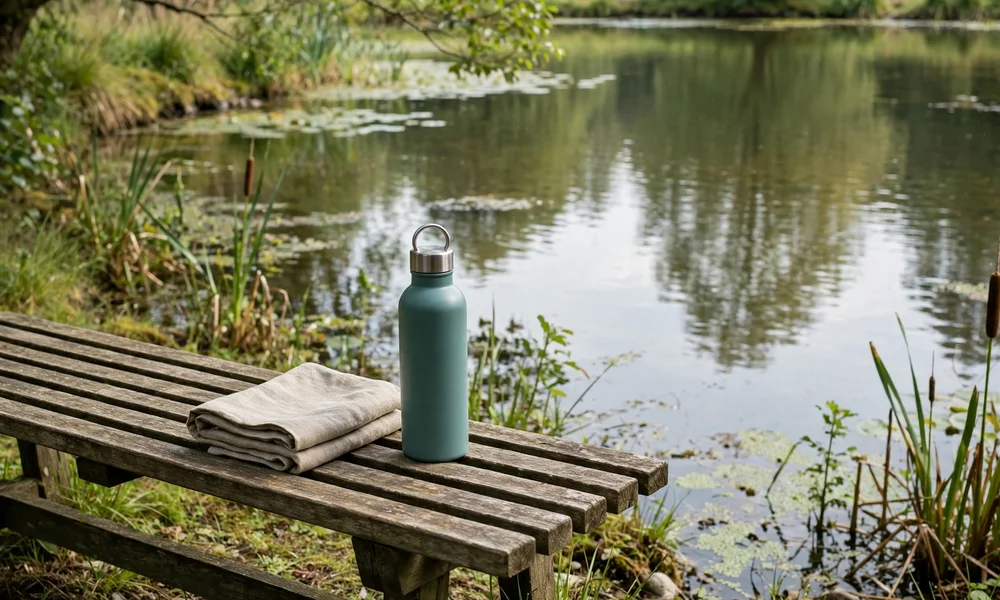
Pack light, the way you would for any short walk. A reusable bottle of plain drinking water is the one thing that matters, full and clean, with a lid that closes properly. A small cloth wipes your hands, and a hat helps if the sun is strong.
A book or binoculars can come along if you like watching birds, but neither is needed. Leave the picnic basket at home: this is a visit, not a meal, and the pond is best enjoyed with empty hands and a clear view.
A Pond Visit with Water
Begin at the bench by the bank, bottle full, afternoon still warm. Take a slow sip, then look out across the water and let your eyes settle on the far reeds. Drink in small sips rather than long gulps, and keep the bottle in your hand or on the bench beside you, never on the muddy bank where it can pick up dirt.
When the bottle is half empty, sit for a few more minutes and watch a duck cross the pond. The pond water is for looking at, never for drinking, and your own water is the only water that touches your lips.
Pond Visits at a Glance
| Still pond water | Late afternoon | Bottle, plain water |
|---|---|---|
| Bench, quiet bank | Half an hour | Never drink pond |
| Reeds, ducks, sky | Slow sips, rest | Wash hands after |
| Short walk, close | No wading, no swim | Doctor for worries |
| Calm, gentle, still | Hat, good shoes | Carry rubbish home |
Pond Visits and Day Trips
Water and day trips is a day spent entirely away from home, with a bag packed, a bottle filled, and hours outdoors before coming back in the evening. A day trip takes the whole day: a morning walk, a meal, an afternoon path, and the journey home.
A pond visit is a much smaller thing. It starts at the front door, lasts half an hour, and asks for one bottle of water and comfortable shoes. It is a trip of a few steps to one still place, not a trip of a few miles with a bag to carry.
Pond Visits and Garden Walks
Water and garden walks is the closest kin to this one, but the two part ways on moving and staying. A garden walk loops slowly past the beds, a glass of fresh water in one hand, stopping wherever a flower or leaf catches the eye. It is a ritual done on foot, among the plants.
A pond visit is done sitting still. The water stays in one place, the ducks come to it, and the person watches from a bench. Walk the garden first if you like, then sit by the pond with a fresh bottle and watch the still water.
Pond Visits and Bird Baths
Water and a bird bath is a ritual of the garden, not of the pond. A bird bath is a wide, shallow bowl of water set out for wild birds to drink from and splash in, and its water must be tipped out and changed each morning.
A pond is far bigger than any bowl, and it belongs to itself, not to a garden. The birds that visit a pond are ducks and moorhens, not sparrows on a rim, and no one changes a pond's water. The bird bath is care done with a jug; the pond visit is watching with a bottle.
Pond Visits, Mountain Streams and Waterfalls
Two more outdoor-water rituals join this journal in the same batch, neither live yet. A mountain stream visit, topic 859, follows water that flows along a path, cold and quick over stones, and the pleasure is in watching it move. A waterfall visit, topic 863, stands below water that drops from a height, loud and white, and the pleasure is in the sound and spray.
A pond sits still where a stream flows and a waterfall drops. The pond has no current to follow and no fall to stand under, only a flat surface that holds the sky. All three are water, but only the pond asks you to sit and do nothing at all.
Where a Pond Visit Fits in the Day
A pond visit fits best in the late afternoon, when the pond is at its calmest and the house is quiet. The light is low, the ducks are out, and the reeds throw long shadows. Early evening suits it too, before the light fades, when the water takes the colour of the sky.
It suits neither the middle of a hot day, when the sun is strong and the bank is dusty, nor a busy hour, when the visit would only be one more thing to rush. Keep it for the quiet edges, and it stays a pleasure.
Staying Safe Beside Still Water
A pond is lovely to look at, but its water is not for drinking, washing, or splashing on skin. Pond water can carry germs that make you ill, so never drink from a pond, a stream, or a lake, however clear it looks. The water in your bottle is the only drinking water.
Stay on the bank or the bench, and never wade in or let children paddle in the pond. Wear shoes with a good grip, since a damp bank can be slippery, and wash your hands with soap when you get home. Sensitive skin needs care: try any new soap or cream on a small patch first, and take a lasting health worry to a doctor. This guide is gentle general information only, and it promises no cure.

Your Pond Visit Checklist
- Fill a clean bottle with plain water before you leave.
- Wear comfortable shoes with a good grip for a damp bank.
- Sit on the bench, sip slowly, watch the still water.
- Never drink from the pond, and never wade in it.
- Wash your hands with soap when you get home.
- For a health worry that lingers, see a doctor; a pond visit treats nothing.
Frequently Asked Questions
What is a pond visit?
A pond visit is a short stroll to a still pond, with a bottle of plain drinking water in your hand. You sit on the bank or a bench, watch the water for a while, and walk home.
How is a pond visit different from a day trip?
A day trip takes you away for a full day, bag packed and bottle filled, back at your own door by evening. A pond visit is half an hour at one still place, close to home, with only a bottle.
How is a pond visit different from a garden walk?
A garden walk is a slow loop past the beds, done on foot among the plants, with a glass of water in one hand. A pond visit is sitting still on a bench, watching one stretch of still water.
How is a pond visit different from a bird bath?
A bird bath is a shallow bowl in a garden for wild birds, its water changed every morning. A pond is a real stretch of still water, far bigger than any bowl, and no one changes its water.
Can I drink the water from a pond?
No, never drink water from a pond, a stream, or a lake, however clear it looks. Pond water can carry germs that make you ill. Drink only the plain water in your bottle.
How long should a pond visit last?
Half an hour is enough for the whole ritual. One short walk, a few slow sips, and a quiet sit by the water make a complete visit.
The Bottom Line
Water and a pond visit make a small fresh ritual: one bottle of plain water, one short walk to still water, and a few unhurried minutes on the bench.
A Note for Fresh Afternoons
Still water, a full bottle, a quiet bench: that is all the ritual needs.