A printed photo feels different from a picture on a phone. You can hold it, pass it across a table, and find it again years later where you left it. A photo album gives those prints a home, and a little care keeps that home fresh.
Fresh here means pages that lie flat, sleeves that stay clear, prints that keep their colour, and an album you enjoy opening. None of it needs special tools, only a dry shelf and clean hands.
This guide gathers five gentle ways to keep a photo album fresh, from choosing the album to sorting prints and storing it well. Water appears here only as a glass beside the table, never on the prints, and everything here is general information.
Key Takeaways
- A photo album holds finished prints in clear sleeves, in order, ready to open and look through.
- Keep water in a glass beside the table, and never let it touch a print or a page.
- Sort and date prints before they go in, so the album stays easy to browse.
- Store the album upright on a dry shelf, away from sun and damp.
- An album is a way to look back, not a remedy for anything; it will not heal anything.
What a Photo Album Is
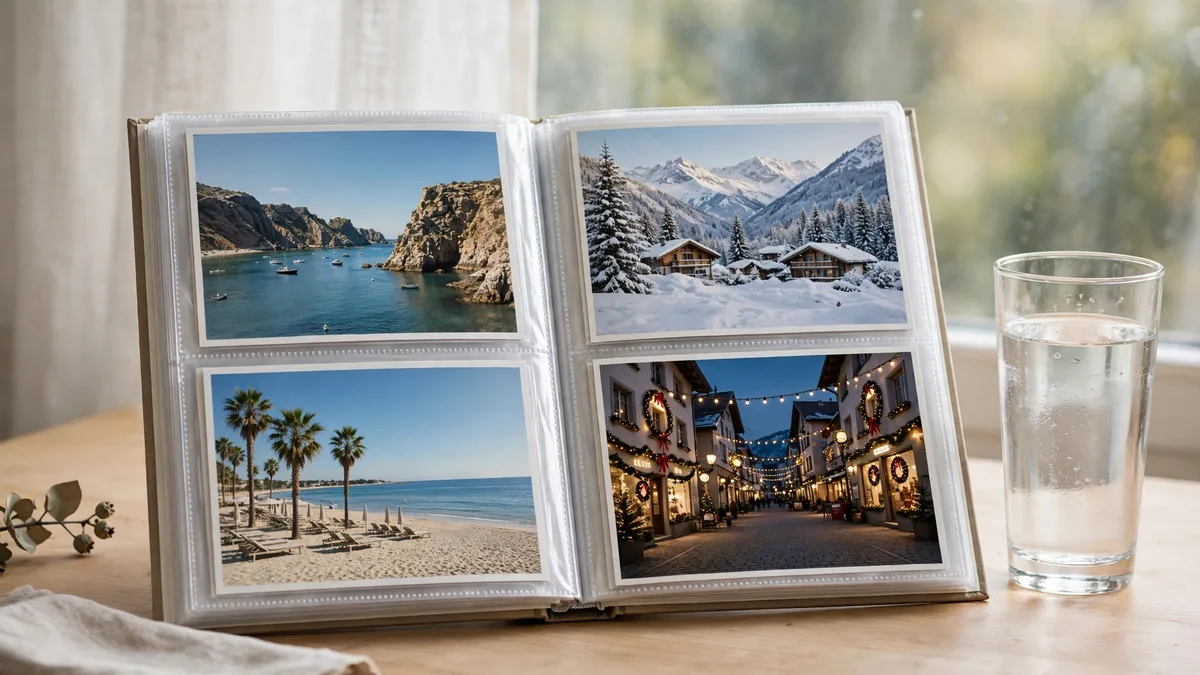
A photo album is a bound book made to hold printed photos. Each page carries clear sleeves, and each print slides into one, face up, so it can be seen without being touched. The pages turn like a book, and the prints stay in the order you chose.
Most albums hold one size of print, often four by six inches, with two or four prints to a page. A short note, a date or a place, can go on the back in pencil, never across the photo itself.
An album is not a box of loose prints, and it is not a scrapbook either. A box keeps prints safe but hidden; an album keeps them safe and visible.
Why Water Belongs in a Glass, Not on the Prints
Water and printed photos do not mix. A single splash can stain a print, curl its edges, or stick two pages together so firmly that pulling them apart tears the surface. Damp air does the same work more slowly.
So the rule is plain: water stays in its glass, on a coaster, at the far edge of the table. Pour your glass before you open the album.
Wash and dry your hands before you touch a print, since damp fingers leave marks. If a spill happens, blot it at once with a dry cloth, never rub, and stand the wet pages apart to dry. If old print dust or a cleaning wipe irritates your skin, stop and ask a doctor.
Choosing an Album That Lasts
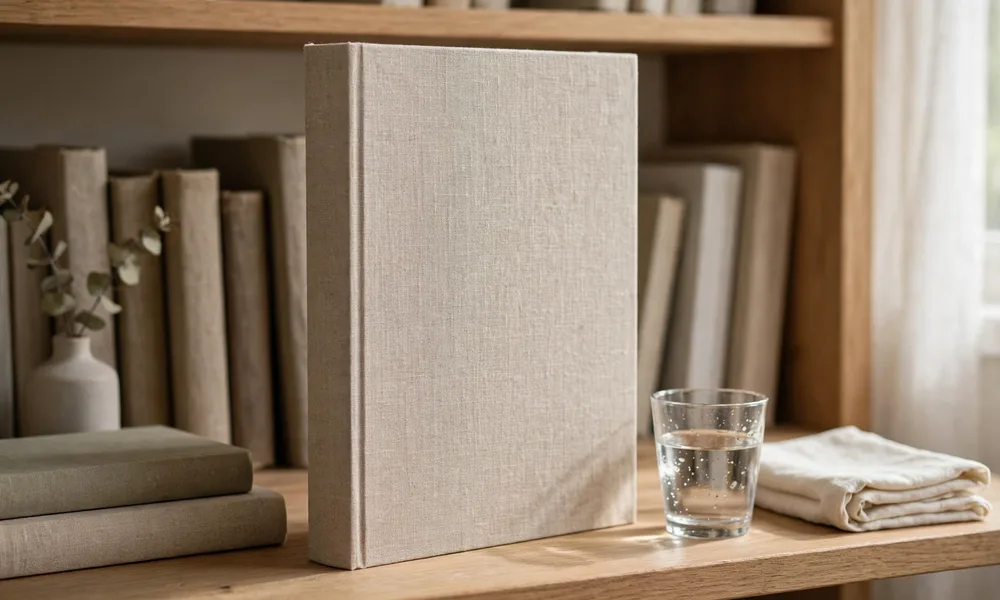
Choose an album with acid-free pages and clear sleeves. Acid-free paper does not yellow the way cheap paper does, and clear sleeves keep dust and fingers off the prints. A sturdy cover matters too, since the album will be lifted off a shelf many times.
Look at the binding before you buy. A sewn or ring-bound album lies flat when open, which makes turning pages easier and puts less strain on the spine.
Avoid sticky magnetic pages, the kind with a clear plastic sheet that peels back. Prints stuck to them yellow over time, and lifting one off can pull its surface away. Buy an album that fits the prints you already have.

Sorting Your Prints Before They Go In
Sorting comes before filing. Spread the prints on a clean, dry table and make small piles, one for each trip, event or year. Set aside the blurry shots and near-duplicates.
Date each print lightly in pencil on the back, with the place if you remember it. Pencil will not bleed through the way ink can.
Leave a few empty pages at the end. An album full to the last page has no room for the next holiday.
Five Ways to Keep It Fresh
First, keep the album dry. A dry room on a middle shelf suits it best, far from kitchen steam and bathroom damp.
Second, keep it out of the sun. Sunlight fades prints faster than almost anything else, so a shelf away from the window is best.
Third, handle prints by their edges, with clean, dry hands. Fingers carry oil and moisture, and both leave marks on a print surface over time.
Fourth, dust the album itself. Wipe the cover and the outside of the sleeves with a dry cloth now and then. No spray, no polish, no damp cloth on the pages: dust comes off dry, and water has no job here.
Fifth, open the album often, but briefly. A book never opened can grow musty, while one opened for ten minutes on a quiet afternoon airs its pages. Look, enjoy, close it, and put it back upright.
A Photo Album at a Glance
| Prints in sleeves | Dry shelf, upright | Glass stays separate |
|---|---|---|
| Sort before filing | Date each page | Handle by edges |
| Dust with dry cloth | No water, no spray | Look back often |
Water and Grandmothers
Water and grandmothers: a simple fresh ritual gathers a gentle habit for a visit to a grandmother: water poured on arrival, a jug within reach, and tea later in the afternoon.
That guide mentions a photo album only once, as a few words in a table of things to tidy away, and it never opens one. This guide does the opposite work: it opens the album, fills its sleeves, and keeps the prints inside fresh.
Photographing Crystals
How to photograph crystals in natural light teaches a different skill: how to photograph a crystal so the picture shows what your eyes see, with soft daylight and a plain background.
A good photo from that guide could be printed and slipped into an album. The difference is the moment each cares about: the photograph guide cares about the taking, this guide about the keeping, the months and years after the print is made.
Water and Herbal Rinses
Water and herbal rinses: a simple fresh ritual steeps gentle herbs in hot water, strains the liquid, and pours it over hair or skin.
Water in that guide touches the body, which is exactly what it must never do here. Here the glass stays on the table and the prints stay dry.
A Photo Album Is Not a Scrapbook
A photo album and a scrapbook look like cousins on a shelf, and the difference is worth stating plainly. A photo album holds finished prints in clear sleeves, in order, with nothing glued down and nothing added.
A scrapbook is built by hand instead: photos glued down, tickets and notes taped in place. Its pages carry cut edges, stickers, handwritten stories and small keepsakes pressed beside the photos, and every page is a little work of its own.
The care differs too. An album wants dry hands, clear sleeves and a dry shelf. A scrapbook wants glue that will not yellow and papers that will not bleed. Neither is better; they are different books.
Nine Neighbours in This Batch
Looked at as a shelf, this batch holds ten guides, and the album is one of five that start with water. Beside it, a diary waits for its first page, a postcard carries a short note from a slow day, and a memory box holds the things too big for a page, while a scrapbook glues its pieces down by hand.
On the stone side of the same shelf, molybdenite keeps its steel-grey calm, wardite shows a soft blue, olivenite a deep green, and dolomite a soft pink. Between the two groups sits Tahitian pearl, dark grey saltwater shine for tender days.
Stones That Must Never Touch Water
A stone can sit beside the album and the glass, and that is as close as water should ever come. Stones belong on a dry shelf, never inside drinking water.
Apatite is a soft stone, and even damp air can dull its surface, so it stays on a dry shelf. Lepidolite holds lithium in its flakes, a quiet reason to keep it away from every glass and bowl. Once pyrite has been wet, its shine rarely comes back the same way. Angelite is fragile in a different way: water finds its fine lines and opens them wider. Amber, being old tree resin rather than a hard stone, turns cloudy after a soak.
Your Photo Album Checklist
- Choose an acid-free album with clear sleeves and a sturdy binding.
- Sort prints into piles by date or event, and set duplicates aside.
- Date each print in pencil on the back before it goes in.
- Keep the glass of water on a coaster, far from the open pages.
- Store the album upright on a dry shelf, away from sun and damp.
- If a spill or a skin irritation worries you, stop and ask a doctor — a print can be reprinted.

Frequently Asked Questions
How often should I open my photo album?
Open it whenever you like, for a few minutes at a time, with clean dry hands. A brief look every few weeks airs the pages.
Can I store my album in the kitchen or bathroom?
No, keep it out of both rooms. Steam and damp air soften pages and dull prints over time.
What should I do if water spills on a page?
Blot the spill at once with a dry cloth, never rub, and stand the wet pages apart to dry in the air. If two pages stick, do not pull them apart.
Should I write on the backs of my prints?
Yes, write lightly in pencil on the back, with the date and place. Pencil will not bleed through the way ink can.
Are sticky magnetic pages a good idea?
No, avoid them. Prints stuck to sticky pages yellow over time, and lifting one off can pull its surface away, so clear sleeves are the safer choice.
Can I keep loose prints in the same album?
Yes, if the album has a pocket page or a spare sleeve. Keep loose prints in one place at the back, dated in pencil, so they do not slip between filed pages.
The Bottom Line
A photo album stays fresh when it stays dry, shaded, and in order: sleeves, dates, clean hands, and a glass of water that never leaves its coaster.
A Note for Quiet Afternoons
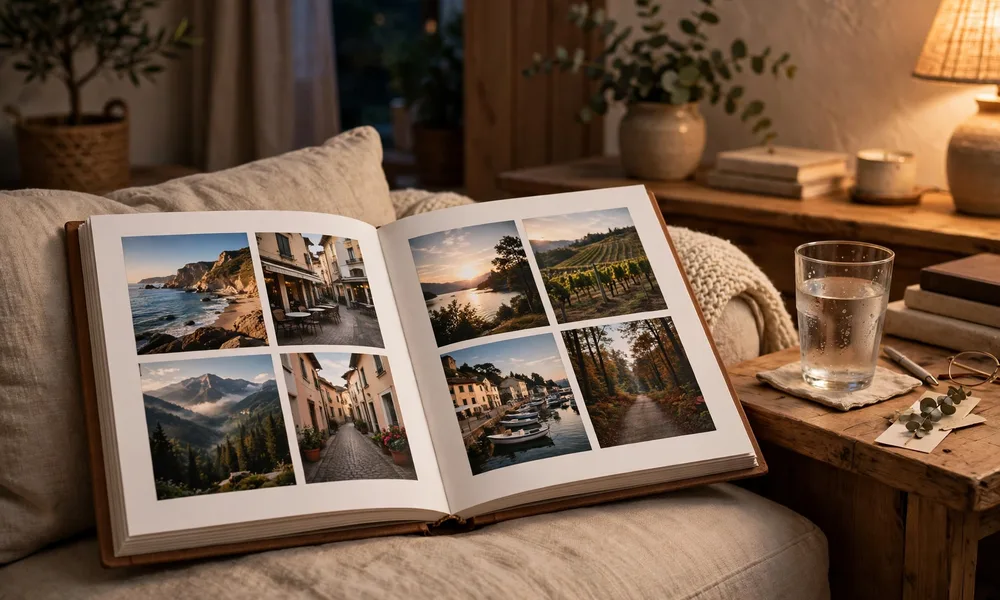
An open album, a glass of water at the far edge of the table, and ten quiet minutes with the years you have already lived — that is the whole fresh habit.