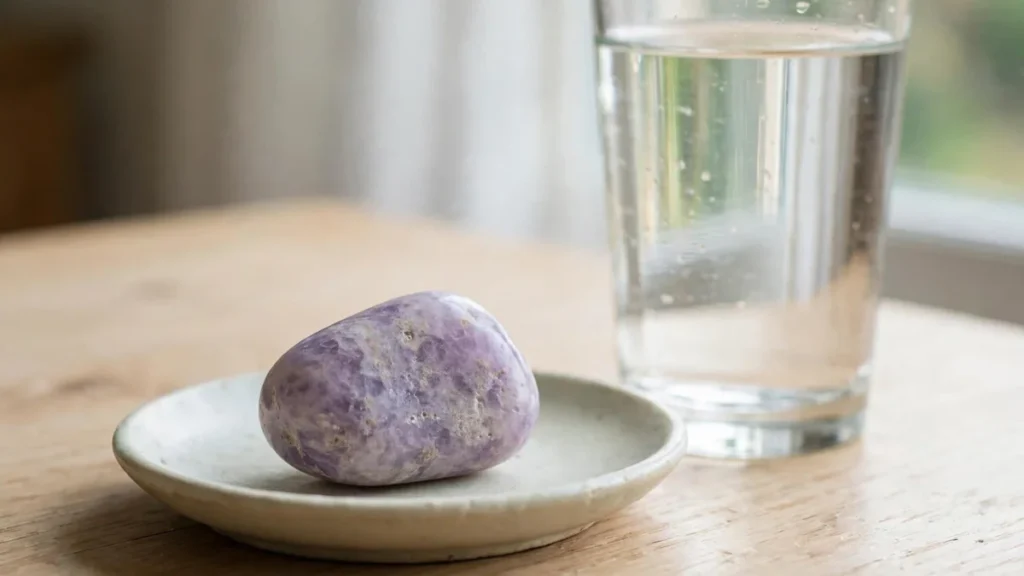
Some habits fit into five minutes, yet change the feel of a whole morning. A bowl of cool water, one thin slice of lemon, and a quiet minute at the sink: that is all a lemon rinse asks of you.
A lemon rinse is a simple fresh habit for hair and skin, nothing more and nothing less. It is a rinse only, never a drink, and it works because it is gentle, brief and well diluted.
This guide explains what a lemon rinse is, how to make one safely, and how to build it into a simple daily habit. It is general information only, never medical advice, and it will not cure anything.
Key Takeaways
- A lemon rinse is plain water with a very small amount of lemon, used as a brief rinse only.
- A lemon rinse is never a drink: drink plain water instead.
- Dilute heavily, patch-test first, rinse off well, and never use undiluted lemon juice.
- Never go into the sun with lemon on your skin, and stop at once if skin stings.
- A lemon rinse is a fresh habit, not a treatment.
What a Lemon Rinse Is
A lemon rinse is plain water with a very small amount of lemon in it, used as a brief rinse for hair or skin and then washed off with plain water. Think of a whole bowl of water with a single thin slice of lemon floating in it, or a few drops of juice in a full jug of water.
It is not neat juice on the face, a lemon half held to the cheek, or undiluted drops dabbed on spots. Those are strong acid on skin, and they are never safe. A rinse is mostly water, with only a whisper of lemon in it.
The habit is simple on purpose: make it fresh, use it once, rinse it off, and throw away what is left.
Why Lemon Needs Dilution
Lemon juice is strongly acidic — its pH sits near 2 — while healthy skin rests near pH 5. That gap matters: strong acid can wear down the skin's surface and leave it raw, and the sting is worst where skin is already dry, sensitive or broken.
Harm does not always show at once: the skin can look calm for an hour, then turn red, itchy or sore later in the day. That delay is exactly why dilution matters: a few drops in a full bowl of water behaves very differently from neat juice on bare skin.
A rinse should feel like fresh water with a faint lemon scent, never sharp or sour. If it stings, it is too strong.
Making Your Lemon Rinse
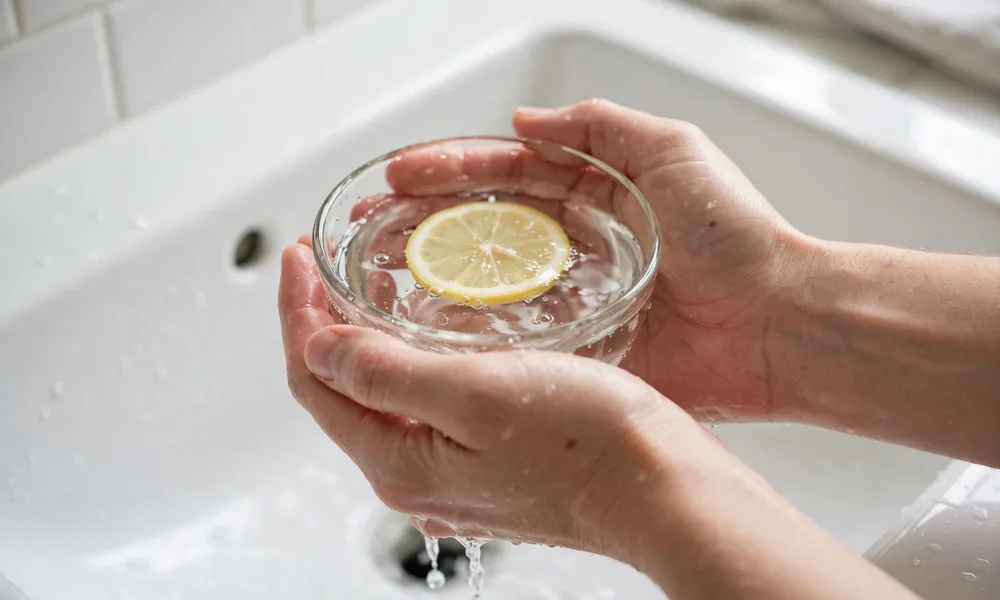
Start with a clean glass bowl and fresh, cool water. Cut one thin slice from a fresh lemon, drop it in, and stir once. Let it sit for two or three minutes, no longer, then lift the slice out.
That is the whole recipe: one thin slice, one bowl of water, a few minutes of waiting. Never squeeze a whole lemon into the bowl or use bottled lemon juice. A rinse is made fresh each time, used once, and thrown away.
Keep a glass of plain water beside the bowl, so you can wash the lemon water off at once. Wash your hands after handling the lemon.
A Fresh Habit Through the Day
A lemon rinse fits best into a quiet part of the day, when you have five unhurried minutes: in the morning, after washing, when the day is still fresh, or in the evening, as a small closing ritual before bed.
Begin with plain water, then use the rinse, then finish with plain water again. Drink a glass of plain water while you wait, because the rinse is not a drink.
Keep the habit short and regular rather than long and rare: a two-minute rinse three times a week, done gently, is worth far more than a long soak done once.
Lemon Rinses for Hair
For hair, a lemon rinse is a final splash after washing, not a shampoo and not a treatment. Wash your hair as usual, rinse it well with plain water, then pour the lemon rinse slowly over the lengths of your hair, keeping it away from your eyes.
Leave it for a minute, no longer, then rinse it out fully with plain water. If your scalp feels tight or itchy afterwards, the rinse was too strong or too often, and plain water alone is better.
Never use a lemon rinse on a sore, broken or sunburned scalp, or on freshly coloured hair without asking your hairdresser first. If a scalp problem does not improve, see a doctor, because a rinse cannot fix it.
Lemon Rinses for Skin
For skin, a lemon rinse is a brief splash, never a mask and never a scrub. Wash gently with plain water first, then splash the rinse over the skin with cupped hands, and wash it off at once with plenty of plain water. Pat dry with a clean towel.
The rinse should feel cool and fresh, never sharp or stinging. If it stings, wash it off straight away with plain water. A rinse is for healthy, unbroken skin only, never on spots, cuts, sunburn or rashes.
The sun rule matters most of all: never go into the sun with lemon on your skin. Lemon plus sunlight can cause painful burns and dark marks that last for weeks, so rinse off fully and stay out of strong sun afterwards.
Lemon Rinses at a Glance
| Rinse only | Dilute well | Patch-test first |
|---|---|---|
| Hair and skin | One thin slice | Inner arm, one day |
| Brief, then wash off | Never neat juice | Stop if it stings |
| Never a drink | Fresh each time | No sun after |

Lemon Rinses and the Lemon Safety Guide
This habit and the live lemon safety guide on this site are close cousins, yet they do different jobs. The safety guide explains what lemon water can and cannot do: it warns that lemon juice is strongly acidic, that lemon on skin plus sunlight can cause burns, and that undiluted lemon juice never goes on skin at all.
This article turns that safety advice into a daily habit: one thin slice, one bowl of water, a brief rinse, and plain water before and after. Lemon water skin safety explains the dangers in full; this guide builds a small, safe habit on top of that advice, and it follows the same rules throughout.
Lemon Rinses and Infused Water
Lemon rinses and infused water look alike on a kitchen counter, yet they are used in opposite ways. Infused water is fresh water that has sat for a while with cucumber, mint, fruit or herbs in it, and it is made to be drunk: a jug of cold cucumber mint water is a pleasant drink on a warm afternoon.
A lemon rinse is never drunk: a bowl of heavily diluted lemon water for hair and skin only, used briefly and washed off. Infused water with cucumber and mint is a drink to enjoy; this guide is a rinse to wash off, and plain water is the only thing here that is drunk.
Lemon Rinses and Cucumber Mint Water
Lemon rinses and cucumber mint water are both cool, fresh habits, yet they suit different days. Cucumber mint water is a summer drink and a gentle rinse for warm skin: a jug of cold water with cucumber slices and mint leaves, made fresh each morning.
A lemon rinse is smaller and sharper, and it needs far more care: lemon is an acid that must be heavily diluted, patch-tested and washed off. Cucumber mint water for summer skin is a cool summer habit; this guide is a careful lemon habit for any season, used briefly and always followed by plain water.
When to Skip the Rinse
Some days are not rinse days, and knowing when to skip is part of the habit. Skip the rinse if your skin is dry, sensitive, broken, sunburned or sore, or if your scalp is itchy or flaking.
Skip it too if you will be out in strong sun afterwards, or if you have just had a skin treatment. One new thing at a time is enough for skin. If a scalp or skin problem is cracked, bleeding, very painful, or not improving after a few weeks of gentle care, please see a doctor or a dermatologist. A rinse is a fresh habit, never a treatment.

Your Fresh Habit Checklist
- Make the rinse fresh each time: one thin slice in a full bowl of water.
- Patch-test on your inner arm first, and wait a full day.
- Use the rinse briefly, then wash it off fully with plain water.
- Never drink the rinse; drink plain water instead.
- Never go into strong sun with lemon on your skin.
- Stop at once if skin stings, and see a doctor for scalp or skin problems.

Frequently Asked Questions
What is a lemon rinse?
A lemon rinse is plain water with a very small amount of lemon in it, used as a brief rinse for hair or skin and then washed off. It is one thin slice in a full bowl of water, never neat juice.
Can I drink a lemon rinse?
No. A lemon rinse is for hair and skin only, never for drinking. Drink plain water instead, and keep the rinse at the sink, where it belongs.
How much lemon should I use?
Use one thin slice in a full bowl of water, or a few drops of juice in a full jug. Never use undiluted lemon juice on skin or hair.
Do I need to patch-test first?
Yes, always. Put a little of the diluted rinse on your inner arm, wait a full day, and only use it if the skin stays calm.
Can I go into the sun after a lemon rinse?
No, not with lemon still on your skin. Rinse it off fully with plain water and stay out of strong sun afterwards, because lemon plus sunlight can burn the skin.
Will a lemon rinse cure my skin?
No. A lemon rinse will not cure any skin or scalp problem. It is a simple fresh habit, and real problems belong with a doctor or a dermatologist.
The Bottom Line
Water and lemon rinses are a simple fresh habit: one thin slice, one bowl of water, a brief rinse, and plain water before and after. Dilute well, patch-test first, rinse only, and never drink.
A Note for Fresh Habits
Keep it fresh, keep it gentle, keep it brief. A small bowl of lemon water, a few quiet minutes, and plain water to finish can carry a fresh habit.