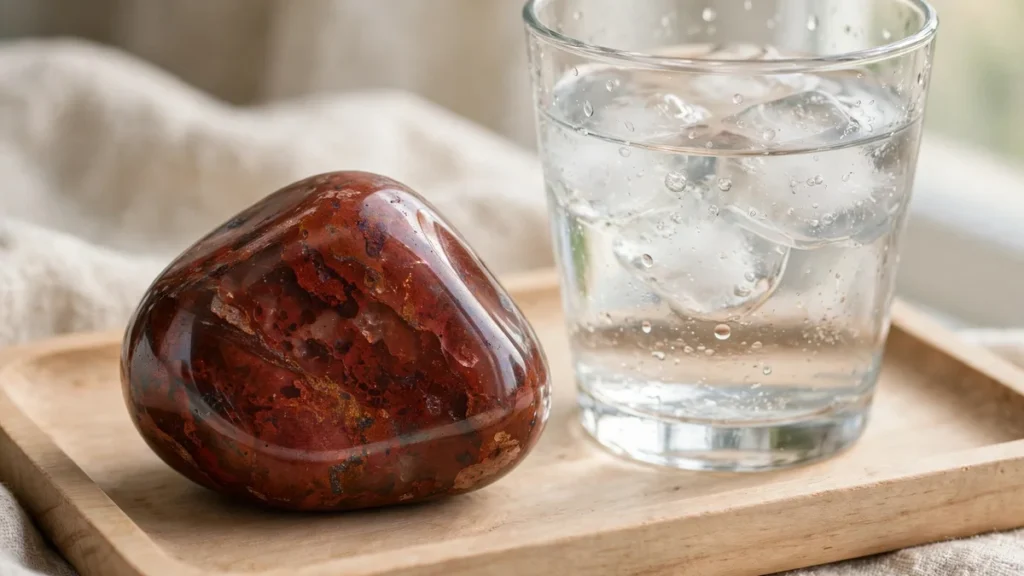
Some evenings call for warmth and soft air. The day has been long, the shoulders feel tight, and all you want is a quiet warm room, a little steam, and a glass of cool water waiting for you when you step out. A hammam is that kind of evening.
A hammam is a traditional steam bath, a warm tiled room where water and steam do the slow work of the evening.
This guide explains what a hammam is, how the warm rooms work, and how to enjoy a short gentle steam ritual safely. It is general information only, never medical advice, and it makes no promise to cure or treat anything. If you have a real health problem, see a doctor, not a steam room.
Key Takeaways
- A hammam is a traditional steam bath in warm tiled rooms with marble benches.
- Water and hammams mean short gentle steam, cool water, and slow rest.
- Drink water before, during and after, and keep sessions short.
- Leave at once if you feel dizzy, and cool down slowly before going back to the day.
- This is general information only; real health problems need a doctor.
What a Hammam Is
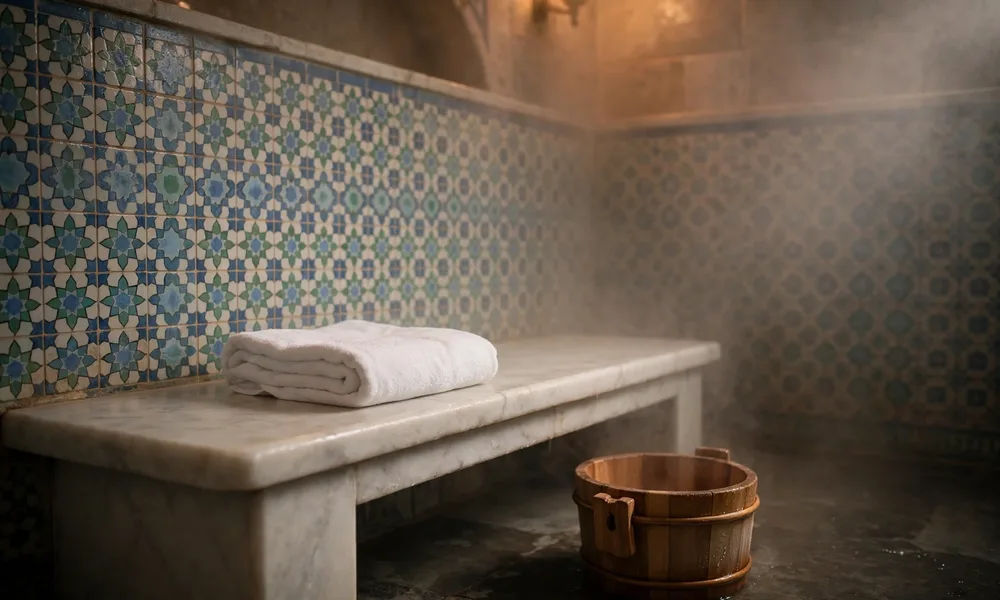
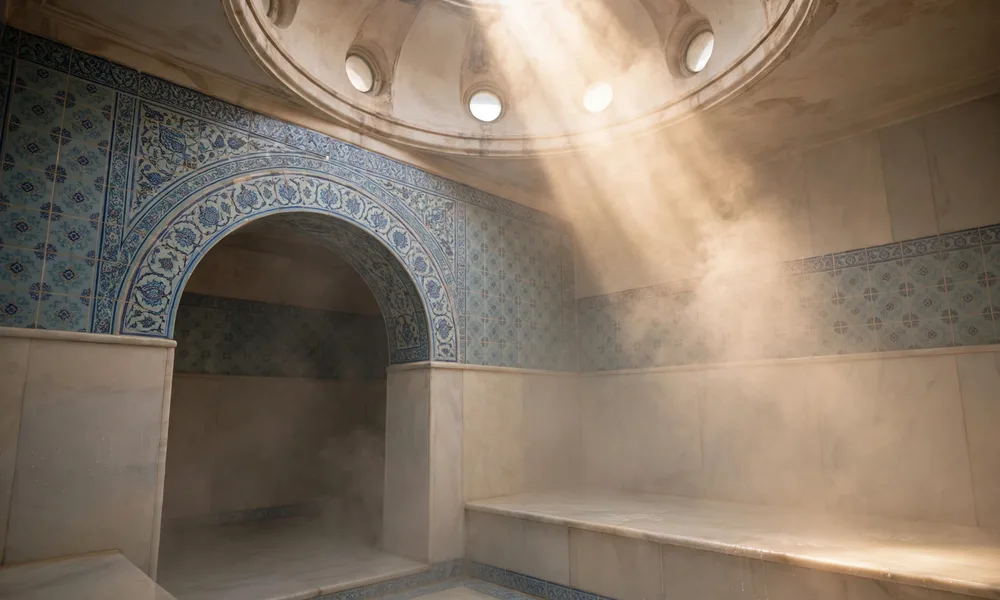
A hammam is a traditional bath house, found for centuries across Turkey, North Africa and the Middle East. The rooms are lined with pale marble and patterned tiles, the benches are low and warm. The air feels damp and warm, like a summer morning after rain.
The heat in a hammam is steady and damp, and the steam comes from hot water poured over warm marble and from steam that fills the air. Nothing about a hammam is hurried: the rooms invite you to sit, to pour water, to rest, and to sit again.
Why Warm Steam Suits Quiet Days
Warm steam suits quiet days because it asks so little of you. There is no exercise to finish, no pace to keep, and no screen to answer. You sit on warm marble, you breathe damp air, and the warmth loosens the shoulders that a long day has tightened.
The ritual is gentle by design: short sessions, cool water close by, and a long rest afterwards. A hammam is not a test of endurance, and the best visits end early, with water drunk slowly.
The Hammam Rooms in Order
A hammam is usually a small sequence of rooms, each a little warmer than the last, and the order matters. You begin in a cool changing room, where you leave your clothes, wrap yourself in a towel, and drink a glass of water.
Then you move into the warm room, the heart of the hammam, with its marble benches, its domed ceiling and its soft steam. You sit, pour warm water over your shoulders, and rest. A gentle ritual needs only the warm room and the cool rest room after it.
Before You Go In
Before you go in, drink a glass of cool water and eat lightly, not a heavy meal. Bring a towel, a clean change of clothes, and a bottle or glass of water for afterwards.
Do not go into a hammam if you feel unwell, or if you have had too much to drink. If you have a heart condition, if you are pregnant, or if you take medicine that affects your blood pressure, ask your doctor first before you try steam heat at all. A gentle ritual is only gentle when it suits the person doing it.
Your First Short Session
Your first session should be short: ten minutes in the warm room is plenty, and five minutes is fine if the heat feels strong. Pour warm water over your shoulders with a small bowl, a little at a time.
Do not stay longer to prove anything; the best first visit ends while you still feel good. Step out, sit in the cool room, and drink your water before you decide whether to go back in.
Water Before, During and After
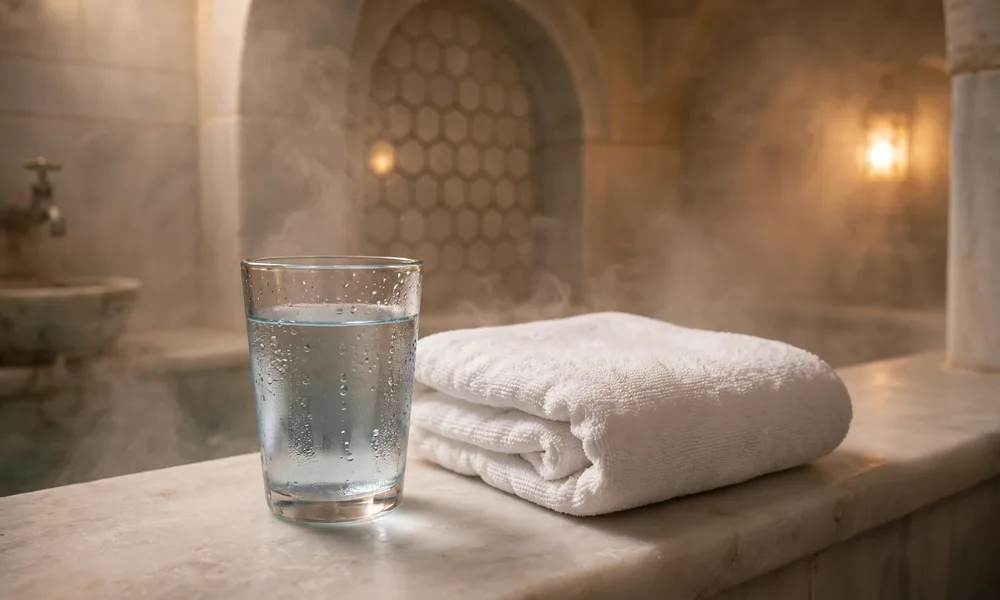
Water is the heart of a hammam ritual, and it belongs in three places: before, during and after. Before you go in, drink a glass of cool water, so you start the warmth well hydrated. Between rounds, take small sips when you step out, never large gulps while you are still hot.
After the steam, drink another glass slowly, then rest for at least fifteen minutes before you dress and go back to the day. The cool water afterwards brings you back to yourself, and the rest lets the warmth settle. Never drink alcohol before or after a hammam.
Hammams at a Glance
| Warm tiled rooms | Short steam | Cool water |
|---|---|---|
| Marble and steam | Ten minutes first | Drink before, after |
| Warm, then cool | Leave if dizzy | Rest fifteen minutes |
| Towel and water | Gentle, never extreme | Doctor first if unsure |
Hammams and Steam Rooms
Hammams and steam rooms are close cousins, and they are easy to confuse, but they are not the same thing. A steam room is a single small room lined with tiles, warmed by a steam generator, and the whole visit is one short session in one room.
A hammam is a traditional bath house with a sequence of rooms: a cool changing room, a warm domed room with marble benches, and a cool rest room after. Where water and steam rooms, a simple guide keeps one tiled room and one short session, this guide keeps a traditional sequence of warm rooms, water poured over the body, and slow rest. One is a single room; the other is a ritual of rooms.
Hammams and Saunas
Hammams and saunas are both warm rooms for quiet evenings, but their heat could hardly be further apart. A sauna is a warm wooden room, heated by a heater with stones on top, and the heat is steady and dry. The steam comes only when you choose to pour water over the hot stones,
A hammam is a warm tiled room, and the heat is steady and damp, with steam always in the air and marble under your feet. Where water and sauna, a gentle heat ritual keeps dry wooden heat and water on hot stones, this guide keeps damp tiled warmth and water poured over warm marble. One is dry wood; the other is damp tile.
Hammams and Hot Tubs
Hammams and hot tubs both use warm water to end a long day, but they use it in different ways. A hot tub is a small pool of warm, bubbling water, most often outdoors on a wooden deck, where you sit up to your shoulders and do nothing at all,
A hammam keeps you out of the water and in the steam: you sit on warm marble, pour water over your shoulders, and rest in damp air. Where water and hot tubs, a gentle soak guide keeps a warm bubbling soak outdoors, this guide keeps a traditional steam ritual indoors. One is a soak; the other is steam.
Hammams and Spa Days
A hammam and a spa day are not the same thing, though both belong to slow, gentle days. A spa day, as its queued title suggests, is a whole day of gentle treatments: a simple fresh ritual spread across a day, It is a day, not a single room.
A hammam is one traditional steam ritual, usually an hour or two, in warm tiled rooms with marble, steam and water. A hammam on its own is smaller: warm rooms, water, steam and rest, and then home. The spa day is the whole day; the hammam is one warm hour inside it.
Staying Safe in the Steam
Steam heat is gentle only when it is treated with respect. Keep every session short, drink water before and after, and leave the warm room at once if you feel dizzy, sick, faint, or short of breath.
Do not use a hammam if you have a heart condition or if you are pregnant without your doctor's direction, and ask your doctor first if you take blood-pressure medicine or have any condition heat could worsen. Never bring a phone or glass bottle into the warm room, and walk slowly on wet marble. This guide is general information only, never medical advice.
Your Steam Ritual Checklist
- Drink a glass of cool water before you go in.
- Bring a towel, clean clothes, and water for afterwards.
- Keep your first session short, ten minutes or less.
- Leave at once if you feel dizzy, sick or short of breath.
- Drink water slowly after, and rest fifteen minutes before dressing.
- Remember this is general information only.

Frequently Asked Questions
What is a hammam?
A hammam is a traditional steam bath, a warm tiled bath house with marble benches, patterned tiles and soft steam, where people warm up, wash slowly with poured water, and rest.
How long should a first hammam session last?
Ten minutes in the warm room is plenty for a first visit, and five minutes is fine if the heat feels strong.
Should I drink water in a hammam?
Yes, drink water before you go in, take small sips between rounds, and drink another glass slowly afterwards.
Is a hammam safe if I have a heart condition?
Not without your doctor's direction. Steam heat can strain the heart, so ask your doctor first if you have a heart condition, if you are pregnant, or if you take medicine that affects blood pressure.
How is a hammam different from a sauna?
A sauna is a dry wooden room where steam comes only when water is poured on hot stones, while a hammam is a damp tiled room where steam is always in the air and water is poured over warm marble.
What should I bring to a hammam?
Bring a towel, a clean change of clothes, and water to drink afterwards.
The Bottom Line
Water and hammams mean short gentle steam, cool water, and slow rest in warm tiled rooms. Keep sessions short, drink water before and after, leave if you feel dizzy, and rest before going back to the day.
A Note for Slow Evenings
Keep it warm, keep it short, keep it calm. A little steam, a glass of cool water, and a quiet rest can carry an evening well.