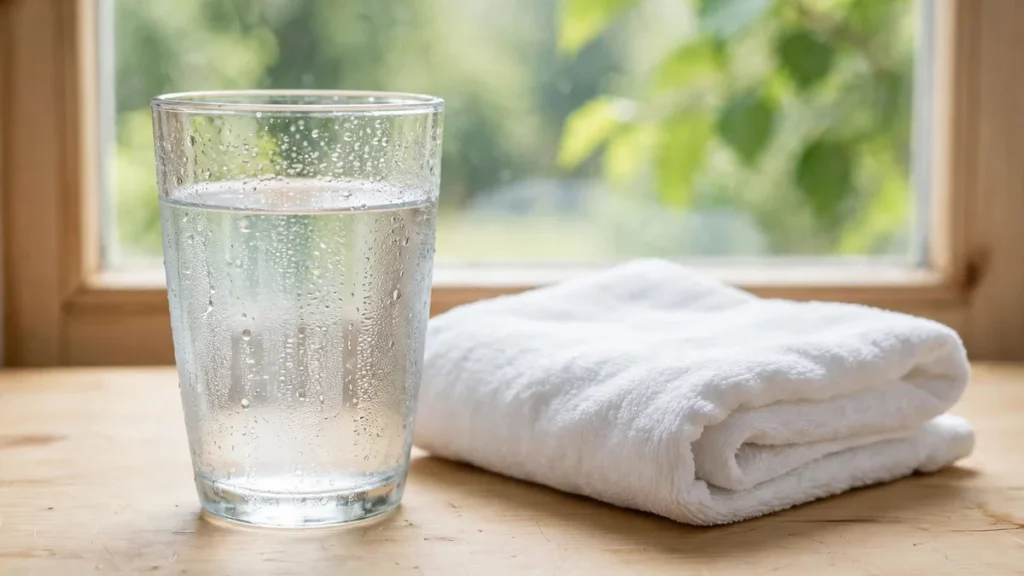
Cold weather arrives quietly, without a storm or a warning. The air feels thin, the wind feels sharper, and by afternoon the skin on your hands feels a little rough and your cheeks feel a little tight. Nothing dramatic has happened, yet your skin noticed the change first.
The good news is that cold weather asks for very little. A glass of water, lukewarm water for washing, a plain cream on damp skin, and a soft layer against the wind are nearly the whole answer. No fancy products, no long routine, just gentle habits done kindly.
This guide explains what cold weather does to skin, how water helps in a gentle way, and how to build a simple morning and evening routine for cold days. It is gentle general information only, never medical advice, and real skin problems belong with a doctor or a dermatologist.
Key Takeaways
- Cold weather means cold air, cold wind, and low humidity, so skin loses warmth and water faster.
- Lukewarm water protects skin better than hot water, which strips its natural oils.
- Moisturiser works best on skin that is still slightly damp, morning and evening.
- Soft layers, a scarf and gloves, protect the skin that cold weather reaches first.
- Drinking warm water slowly through the day supports general comfort, but it cannot replace cream.
What Cold Weather Does to Skin
Cold weather is any weather where the air is cold: a cold wind, a frosty morning, a long cold spell, or a grey damp day. The cold pulls warmth from everything it touches, including skin, and it does so all day without a break. That steady pull is what makes skin feel tight after washing and rough by evening.
Skin is the body's outer layer, and its job is to hold moisture in and keep the world out. In cold weather that job gets harder, because cold air holds little moisture and takes water from the surface faster than the skin can replace it. The result is familiar: tight cheeks, rough hands, dry lips, and sometimes a little flaking where the wind was strongest.
Why Skin Feels Tight and Cold
Skin feels tight and cold because its outer layer has lost both warmth and water. Think of that layer as a soft brick wall: skin cells are the bricks, and the natural oils between them are the mortar that holds the water in. Cold air, wind, and hot water all wear that mortar thin, so water escapes more easily.
Washing makes the feeling stronger for a while, because water on the surface evaporates and takes a little more warmth and moisture with it. That is why skin often feels tightest in the minutes after a wash, and why what you do in those minutes matters most. A gentle wash, a soft pat dry, and cream on damp skin help the barrier while it is still open.
Lukewarm Water, Not Hot
Lukewarm water is the kindest water for skin in cold weather. Hot water feels good on a cold morning, but it strips the natural oils that hold moisture in and leaves skin drier. Lukewarm water cleans just as well, without taking so much of the skin's protection.
Keep washes short, and use only a little plain soap where you need it, not all over. Rinse well, then pat the skin dry with a soft towel instead of rubbing, because rubbing roughs up the surface and takes more moisture away. The whole wash should feel gentle, never harsh, and your skin should feel calm afterwards.
Warm Water Routines for Cold Mornings
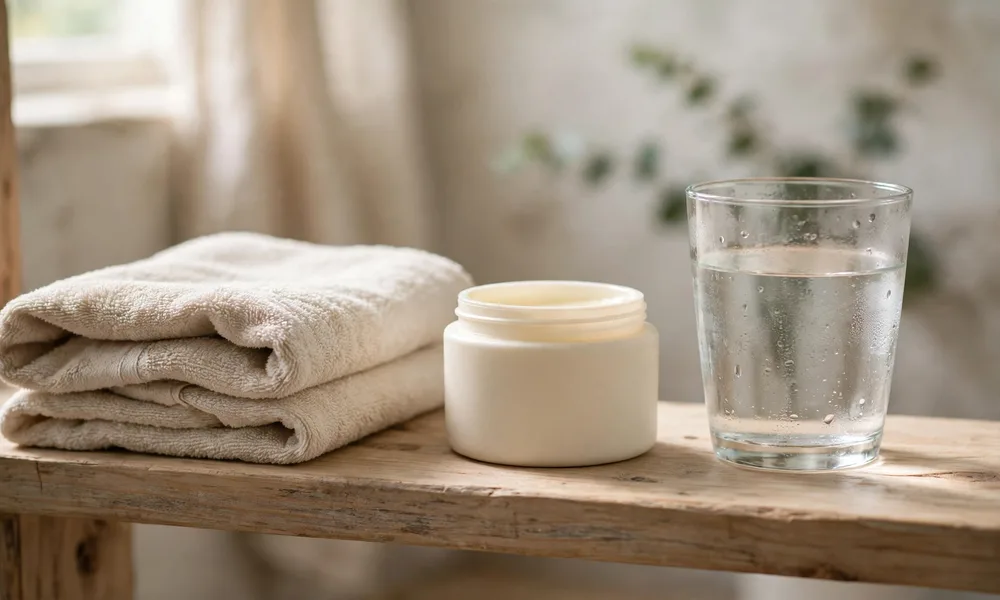
A warm water routine is the heart of a cold morning. Before you wash, run the tap until the water is lukewarm, never hot, and test it on the inside of your wrist. The water should feel comfortable, like a warm room, not like a hot bath.
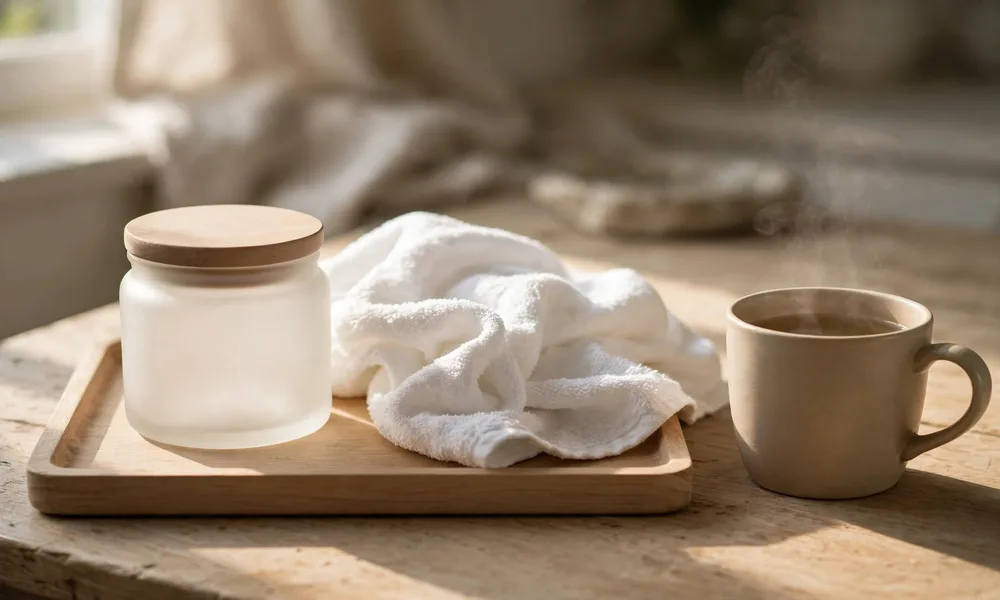
Start the day with a warm drink: a mug of warm water, a cup of tea, or a simple broth, sipped slowly while the house warms up. Warm drinks do not heat the skin directly, but they make a cold morning feel kinder and easier to take slowly. Let hot drinks cool a little before sipping, and never put hot tea on the skin.
Moisturiser on Damp Skin
Moisturiser works best on skin that is still slightly damp, and this is the most useful habit in cold weather. After washing, pat the skin lightly so it is damp but not dripping, then smooth on a plain unscented cream while the surface is still open. The cream seals the water in, and the skin stays warm and soft far longer than cream on dry skin.
Choose a plain cream, not a scented lotion, because fragrance can irritate cold, dry skin. A simple jar of unscented cream, used morning and evening, is enough for most people. Use a little more on the hands and cheeks, which cold weather reaches first.
Cold Wind and Low Humidity
Cold wind is the sharpest part of cold weather. It strips away the thin layer of warm, slightly humid air next to the skin, and the skin loses warmth and moisture faster still. The cheeks and the tip of the nose feel it first, because they face the wind directly.
Low humidity makes the same problem worse. Cold air holds very little moisture, and when it comes indoors and is warmed, its relative humidity falls even further. The result is air that quietly draws moisture away from the skin all day. The same dry-air idea runs through water and dry weather for soft skin, where dry air asks for the same gentle answer: lukewarm water, damp skin, and plain cream.
Indoor Heating and Dry Air
Indoor heating is the second half of cold weather. You come in from the cold, and the heating has dried the air, so the skin loses water all day without a break. Rooms that feel warm can still be very dry, and dry rooms are hard on skin.
Keep the heating gentle rather than fierce, and let fresh air in for a few minutes each day, even when it is cold outside. A bowl of water near a radiator can add a little moisture to a dry room. None of this replaces cream on damp skin, but it makes the room kinder.
Hands, Lips and Cheeks
Hands, lips and cheeks are the parts cold weather reaches first, so they need the most care. Hands lose moisture every time they are washed, so cream them after every wash and before going out. Keep a small tube of plain cream by the door.
Lips dry fast in cold weather, because they have no oil glands of their own. A plain lip balm, used often through the day, keeps them comfortable. Cheeks need a scarf more than anything else: a soft scarf over the lower face shields them from the wind on the walk to work.
What to Wear Outdoors
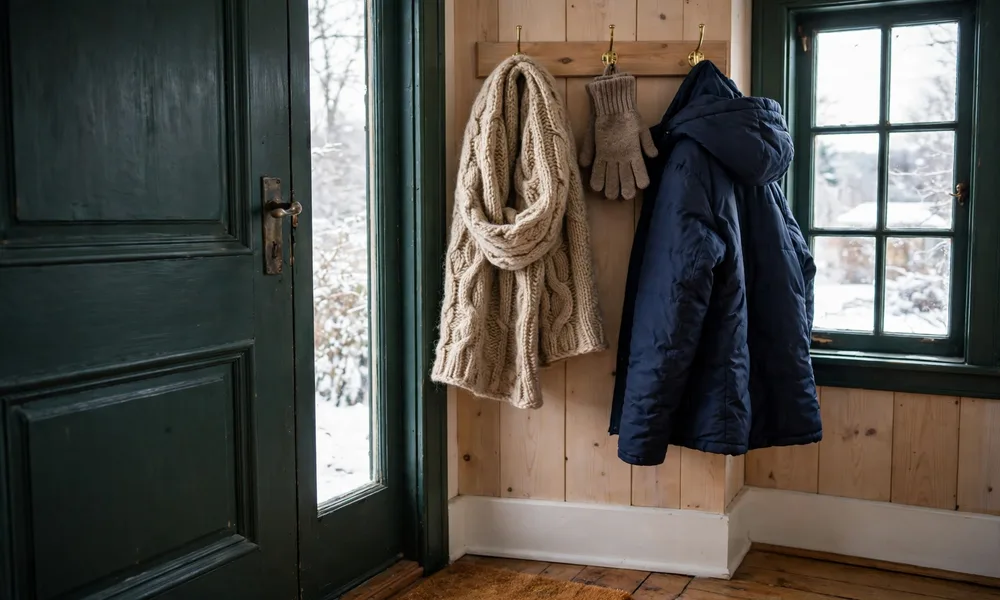
What you wear outdoors matters as much as what you put on your skin. A soft scarf, warm gloves, and a hat are the whole cold-weather kit, and they protect the skin the wind reaches first. Choose soft wool or fleece, never anything scratchy against the cheeks.
Layer your clothes so you can add or remove one as the day warms up, because sweating under too many layers can irritate skin. Cover the hands before you step out, not after they are already cold, and keep the scarf loose enough to breathe through easily. The same layered thinking runs through water and winter skin for a layered routine, where thin layers in a calm order do the work.
Cold Weather Skin at a Glance
| Cold wind | Warm water | Skin care |
|---|---|---|
| Scarf over cheeks | Lukewarm wash only | Cream on damp skin |
| Gloves before outdoors | Warm drink slowly | Plain cream twice daily |
| Hat for cold ears | Pat dry softly | Lip balm often |
| Layer clothes softly | Short gentle washes | Hands after washing |
Your Cold Weather Warm Skin Checklist
- Wash with lukewarm water only, never hot, and keep washes short.
- Pat skin dry softly and smooth on plain cream while it is still damp.
- Keep a scarf, gloves and a hat by the door for every cold outing.
- Sip warm water slowly through the day; it comforts, it does not cure.
- Keep the heating gentle and let a little fresh air in daily.
- See a doctor or dermatologist if skin is cracked, bleeding or very sore.
Frequently Asked Questions
Why does cold weather make my skin feel tight?
Cold air holds little moisture, so it draws water from the skin all day, and cold wind takes more. The skin's outer layer loses water faster than it can replace it, and the tight feeling follows. Lukewarm water, a soft pat dry, and plain cream on damp skin are the gentlest answer.
Is hot water good for cold skin?
No. Hot water feels good on a cold morning, but it strips the natural oils that hold moisture in, and it leaves skin drier than before. Lukewarm water cleans just as well, without taking so much of the skin's own protection with it. Test the water on the inside of your wrist first.
When should I put on moisturiser?
Put moisturiser on while the skin is still slightly damp, right after washing. Damp skin holds the cream better, and the cream seals the water in. A plain unscented cream is best, because fragrance can irritate skin that is already cold and dry.
What protects my face from cold wind?
A soft scarf over the lower face is the best protection from cold wind, with a hat for the ears and forehead. Cream on damp skin helps underneath, but cloth against the wind does the work. Keep the scarf loose enough to breathe through easily.
Does drinking water help cold-weather skin?
Drinking water slowly through the day supports general hydration, and warm drinks make a cold morning kinder. But drinking water cannot replace moisturiser: the cream on damp skin is what seals moisture in. Both help, in different ways, and neither is a cure.
How is cold weather different from autumn skin?
Autumn is a gentle seasonal shift into cooler months, with golden light and falling temperatures. Cold weather is the cold itself, in any season: cold wind, low humidity, and indoor heating. That shift is described in water and autumn skin for a gentle shift, where the routine changes slowly with the season.
The Bottom Line
Cold weather asks for very little: lukewarm water, cream on damp skin, and a soft scarf.
Keep it warm, keep it gentle, keep it simple.
A Note for Cold Weather
Warm the water, warm the hands, warm the morning. The cold can wait outside.