There is a small hour in the afternoon when the day begins to slow down. The morning work is mostly done, the light through the window has turned warm and low, and the house feels quiet for the first time since breakfast. It is the hour when a warm cup and a glass of fresh water can give the rest of the day a fresh shape.
Afternoon tea is a simple ritual for that hour: one pot of plain tea, one cup poured slowly, and a clear glass of fresh water standing beside it. The tea is drunk as tea, the water is drunk as water, and nothing else is asked of the hour.
This guide explains what afternoon tea is, how to choose a tea, how to brew a simple pot, and how to build a short, fresh afternoon pause around it. The tea is a drink, never a cure, and hot water always needs care.
Key Takeaways
- Afternoon tea is one plain pot of tea, drunk slowly with a glass of fresh water beside it.
- The ritual fits the middle of the afternoon, between lunch and evening.
- Tea is a drink, never a treatment, and it will not cure anything.
- Keep a glass of fresh water beside the tea, and sip both slowly.
- A fresh afternoon needs very little: water, one warm cup, and a quiet chair.
What Afternoon Tea Is
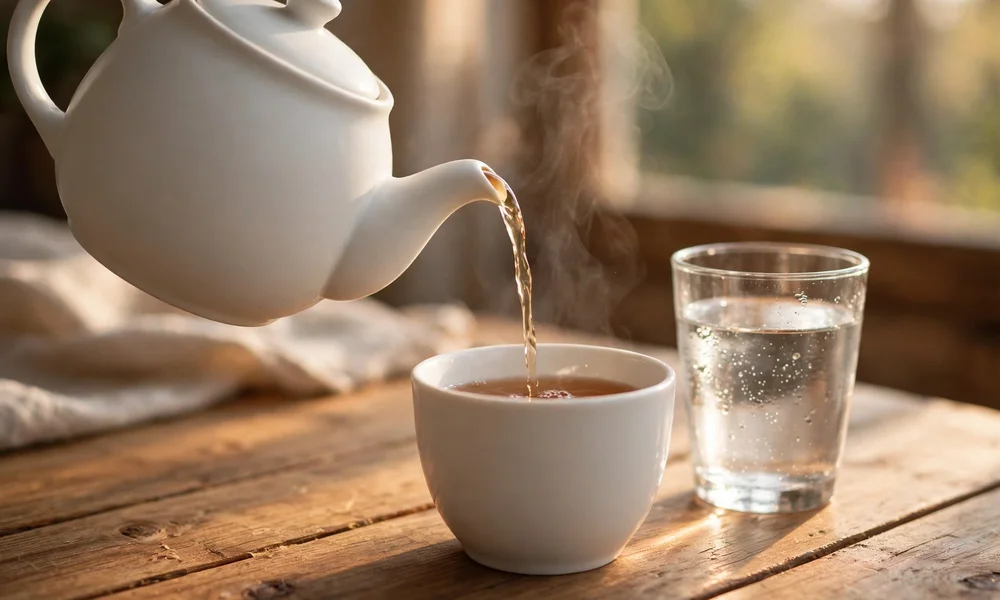
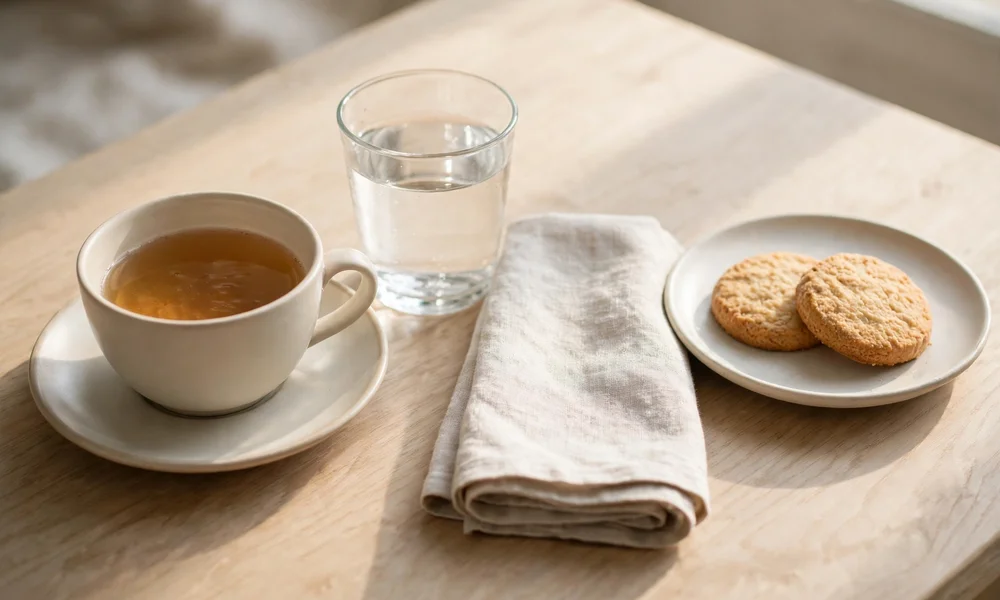
Afternoon tea is a short pause built around one pot of tea — not a meal and not a ceremony: a teapot, a cup, a glass of fresh water, and perhaps a small plate with a biscuit or two. The tea is plain — black tea, green tea, or a gentle herbal tea you already like — brewed in one pot and poured one cup at a time.
The water is the quiet partner: a clear glass of fresh water, poured before the tea, standing beside the cup. Sip the water first, then the tea, then the water again, and the afternoon slows down between them.
Why the Afternoon Hour Matters
The afternoon hour matters because it is the middle of the day, and the middle of anything deserves a pause. The morning has spent its energy, and the evening has not yet begun. Without a pause, the afternoon can blur into one long stretch of tired work.
A cup of tea marks the hour clearly: before it, the day was busy; after it, the day feels fresh again. Twenty minutes, one pot, one glass of water, and the afternoon has a shape.
Choosing Your Afternoon Tea
Choosing an afternoon tea is mostly a matter of taste and time of day. A plain black tea suits a bright afternoon, warm and steady. A green tea suits a lighter mood, fresh and grassy. A gentle herbal tea — chamomile, mint, or rooibos — suits a slow afternoon, with no caffeine to hurry the evening.
Choose a tea you already like, and keep it simple: one tea, not a mix. If a tea tastes too strong, add more water next time. If you take medicine, are pregnant, or have a health condition, ask a doctor before trying a new herb.
Water Beside the Tea
Water belongs beside the tea, never forgotten. Pour a clear glass of fresh water before you brew, and set it next to the cup. The water keeps the ritual gentle: a sip of water between sips of tea, so the warm drink never rushes you.
Drink the water slowly, in small sips, and refill the glass when it is empty. Plain water is always a safe choice, and on a warm afternoon it is the freshest part of the ritual.
Brewing a Simple Pot
Brewing a simple pot takes only a few minutes. Warm the pot first with a little hot water, then empty it. Add one spoon of leaves, or one tea bag, for each cup, and pour over fresh water just off the boil. Let the tea steep for three to five minutes, then pour.
Let the tea cool before drinking, and never rush a hot cup. Pour one cup at a time, and keep the pot warm. A simple pot, brewed gently, tastes better than a hurried one.
The Afternoon Tea Table
The afternoon tea table needs very little: a small tray, the teapot on it, a cup and saucer, a clear glass of water, and a small plate. Set it near a window if you can, where the afternoon light falls across the table.
Keep the table the same from day to day, so the ritual is always ready: a folded linen napkin, a plain plate, and nothing else. When the table is set, the pause begins by itself.
A Slow Afternoon Pause
A slow afternoon pause takes about twenty minutes. Sit down, pour a glass of water, and brew the pot. Drink the water slowly, pour the tea, and let it cool. Eat a biscuit if you like, and look out of the window for a while.
Put the phone in another room and let the house stay quiet. When the cup is empty, pour the water again and sit a few more minutes. The pause ends when you feel fresh, not when the clock says so.
Afternoon Tea at a Glance
| One plain pot | Fresh water | Slow pause |
|---|---|---|
| Black, green, herbal | Glass beside cup | Twenty quiet minutes |
| Brew three minutes | Sip water first | Phone in other room |
| Let tea cool | Refill the glass | One small plate |
Afternoon Tea and Tea Blends
Afternoon tea and tea blends share the same calm hour, but they are different drinks. A blend mixes two or three gentle teas or herbs in one pot — chamomile with a little mint, rooibos with dried orange — and the pleasure is in the mixing. Afternoon tea keeps one plain tea in the pot, and the pleasure is in the pause itself.
Where water and tea blends calm afternoons brews a blend for calm afternoons, this guide brews one plain tea for a fresh afternoon ritual.
Afternoon Tea and Bedtime Tea
Afternoon tea and bedtime tea are both warm cups with water beside them, but they belong to different hours. Bedtime tea is one small cup of warm, caffeine-free herbal tea, drunk slowly in a dim room in the last hour before bed, as part of a calm-night wind-down. Afternoon tea is a full pot in bright daylight, in the middle of the day, with a small plate beside it.
Where water and bedtime tea calm night keeps one small cup for the last hour of the day, this guide keeps one pot for the middle of it.
Staying Safe with Hot Tea
Hot tea needs care. Let it cool before drinking, and never put hot tea on your skin. Keep the pot steady on the tray and hold the cup by its handle. If tea spills on skin, cool it at once with cold water, and seek medical help if the burn is large or blistered.
One rule matters beyond the cup: green tea water is a face rinse only, never a drink claim. Brewed green tea, cooled and used as a face rinse, is a different habit from drinking tea, and the two should never be mixed up. Stones never go in tea, in water you drink, or in any drink. Where water for the afternoon slump simple reset resets a tired afternoon with plain water only, this guide adds one warm pot of tea to the same quiet pause.
When Tea Is Not the Answer
Tea is not the answer to a health problem, and afternoon tea is no exception: it will not cure anything, and it will not replace rest, food, water or a doctor. If you feel unwell, or if tiredness keeps coming back, please see a doctor, and enjoy the tea for what it is: a warm drink and a slow hour.

Your Afternoon Tea Checklist
- Pour a clear glass of fresh water before you brew the tea.
- Brew one plain pot of tea and let it steep three to five minutes.
- Let the tea cool before drinking, and sip the water first.
- Set a small plate with a biscuit or two beside the cup.
- Put the phone in another room and sit for twenty quiet minutes.
- Remember the tea will not cure anything; see a doctor for health problems.

Frequently Asked Questions
What is afternoon tea?
Afternoon tea is a short pause built around one pot of plain tea, drunk slowly in the middle of the afternoon, with a clear glass of fresh water beside the cup — a simple fresh ritual, not a meal and not a ceremony.
Which tea is best for the afternoon?
A plain black tea suits a bright afternoon, a green tea suits a lighter mood, and a gentle herbal tea such as chamomile, mint or rooibos suits a slow one. Choose a tea you already like, and keep it to one tea.
Should I drink water with afternoon tea?
Yes. Pour a clear glass of fresh water before you brew, and sip it between sips of tea. The water keeps the ritual gentle.
Can I drink afternoon tea every day?
Most people can enjoy one pot of plain tea most afternoons. If you take medicine, are pregnant, or have a health condition, ask a doctor before trying a new herb, and stop if any tea makes you feel unwell.
Is green tea water a drink?
No. Green tea water is brewed green tea, cooled and used as a face rinse only — never a drink claim, and never water with stones in it. Afternoon tea is a drink; green tea water is a rinse, and the two are different habits.
How long should the afternoon pause last?
About twenty minutes is enough: one pot, one glass of water, and a quiet chair. The pause ends when you feel fresh.
The Bottom Line
Water and afternoon tea are a simple fresh ritual: one warm pot, a glass of fresh water, and a slow afternoon pause. Brew it plain, sip it slowly, and let the afternoon feel fresh again.
A Note for Slow Afternoons
Keep it warm, keep it slow, keep it fresh. One pot of tea, one glass of water, and twenty quiet minutes can carry an afternoon well.