Sunday has a particular kind of quiet. The week is behind you, the next one has not quite begun, and for one afternoon the house asks nothing of you. It is the best day for a bath taken slowly, not as a chore between errands, but as an hour you protect on purpose.
A slow Sunday bath ritual is simply that: warm water, an unhurried hour, and a little care afterwards. There is no special equipment, no long list of products, and nothing to buy. You run a bath, you get in, and you give yourself permission to do nothing else while you soak.
This guide explains how to plan a slow Sunday bath, how to take it well, and how to carry the calm into the rest of the day. It is a ritual in the gentlest sense: the same small steps, repeated each week, until Sunday afternoon feels like yours again.
Key Takeaways
- A slow Sunday bath ritual is one unhurried hour a week: warm water, quiet, and gentle aftercare.
- Warm, not hot, water protects your skin and lets you soak longer without feeling drained.
- Prepare the bathroom first, so the bath itself is free of small errands and interruptions.
- Moisturise while skin is still slightly damp, then keep the rest of Sunday slow.
- A bath is a comfort and a habit, not a medical treatment, and it never replaces care.
What a Slow Sunday Bath Is, and Is Not
A slow Sunday bath is a bath taken with intention, on a day when time is on your side. It is not a quick wash, and it is not a beauty treatment with many steps. It is twenty to forty minutes in warm water, with the phone in another room, a towel warming nearby, and nothing waiting for you until you choose to get out.
What it is not matters just as much. It is not a cure for tiredness, stress, or any health concern, and it will not fix a difficult week. It is not an excuse to buy new products, and it does not need candles, salts, or music: those things can be pleasant, but the bath works without them. The heart of the ritual is the slowness: one hour, once a week, when you are not rushing or answering to anyone.
Why Sunday Suits a Slow Bath
Sunday suits a slow bath because the week has a natural pause in it. Saturday is often full of errands and plans, while Monday arrives with its own demands. Sunday afternoon sits between the two, and it is the easiest time to protect. A bath then feels like a closing ceremony for the week that has passed, and a gentle opening for the one ahead.
The timing also helps your body. By Sunday afternoon you have had a full week of early alarms, long days, and small tensions, and warm water is a simple way to unwind. You are not trying to wake up, as on a Monday morning; you are trying to slow down. An afternoon bath leaves the evening free for a quiet meal and an early night, often the best end to a Sunday.
Setting the Bathroom for an Unhurried Hour
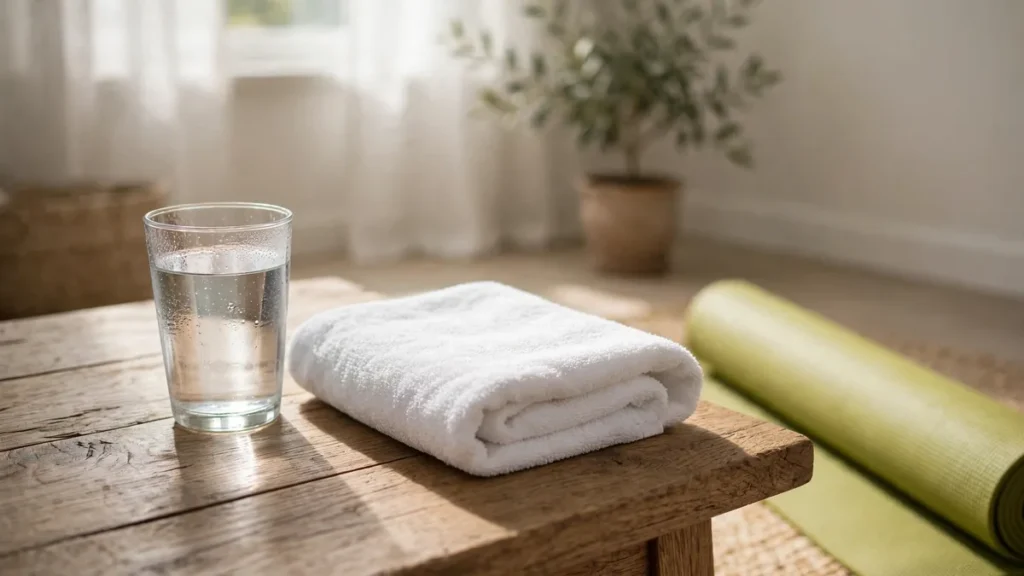
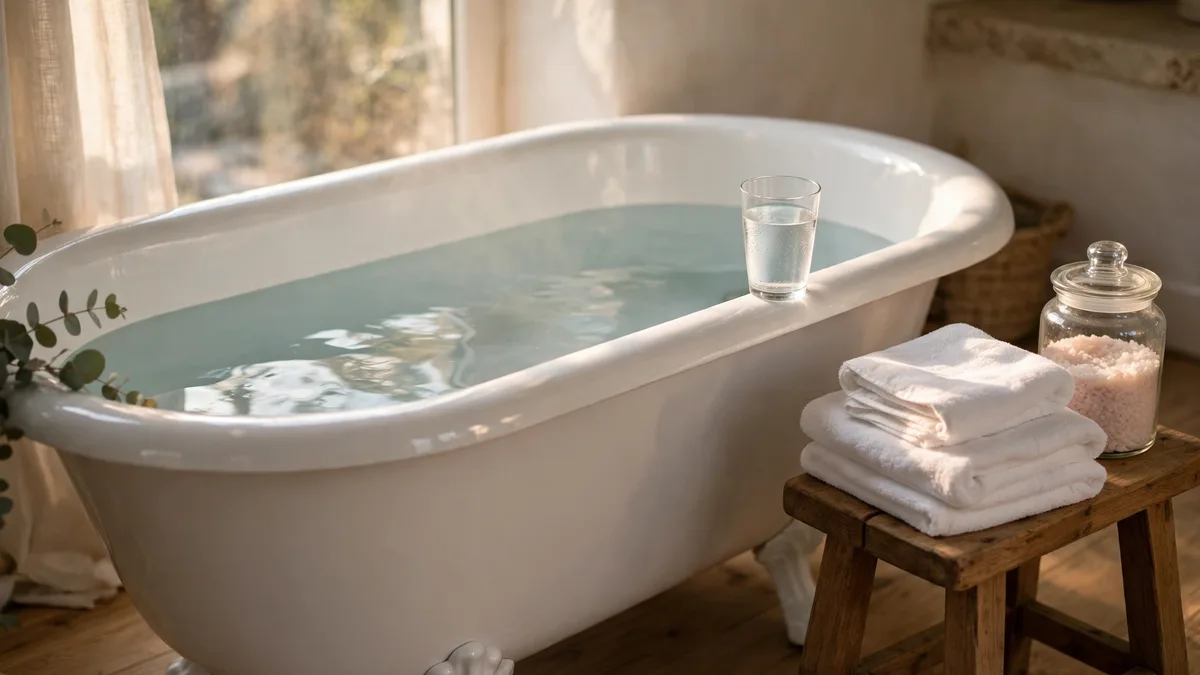
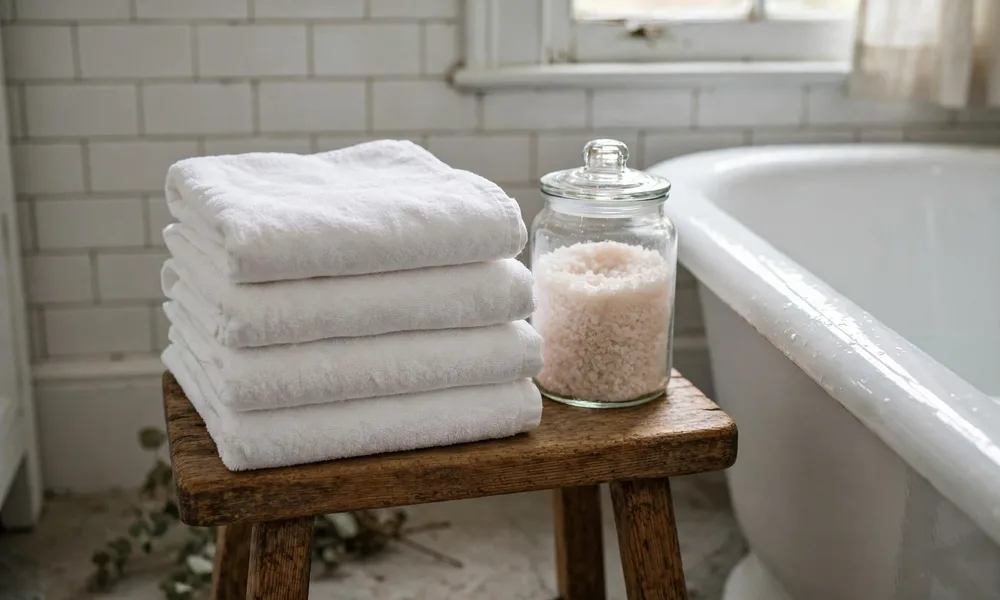
Prepare the bathroom before you run the water, so the bath itself is free of small errands. Lay out a clean towel, a second towel for your hair if you like one, and whatever you plan to use afterwards. Put a glass of fresh water nearby, because warm baths are thirsty work. Tidy the counter a little: a clear surface makes a small room feel calm.
Light matters more than most people expect. If your bathroom has a window, let the afternoon light in; if not, a single warm lamp is kinder than a harsh overhead bulb. A home that catches the light well feels calmer all week, and a home that catches the light is a pleasure on Sundays most of all. Open a window a crack for fresh air, and close the door: this hour is yours.
The Bath Itself, Step by Step
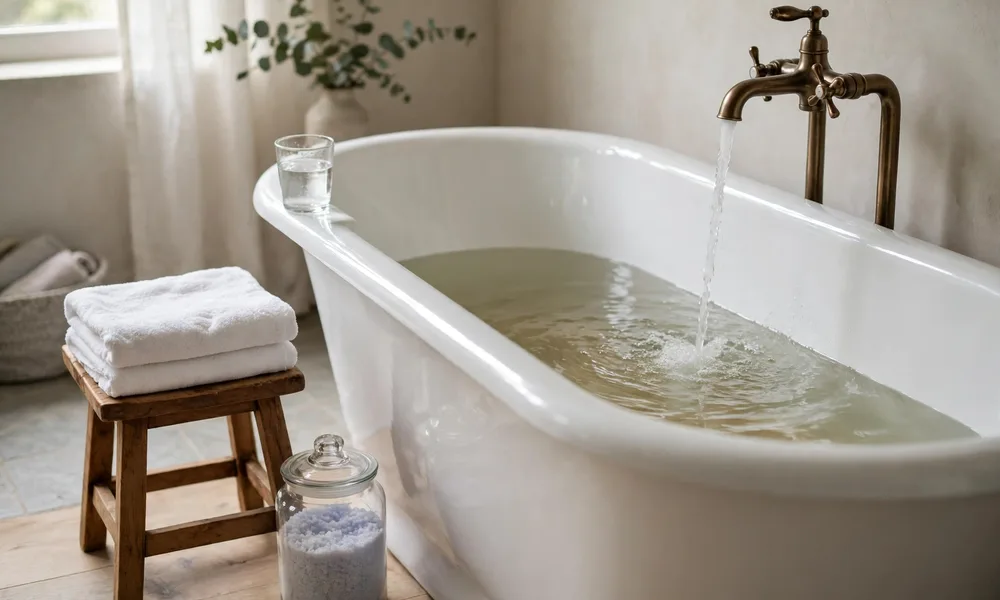
Run the bath warm, not hot, testing it with your wrist until it feels warm without stinging. Very hot water feels good for a minute and then leaves you drained, while warm water lets you soak for twenty minutes or more and still feel fresh. Fill the tub to cover your shoulders when you lie back.
Get in slowly and give yourself a few minutes to settle. Breathe, let your shoulders drop, and let the water do its quiet work. Wash gently with a mild soap, rinse, and then simply rest. Twenty minutes is enough; forty is generous. When you are ready, stand up slowly, because warm water can make you light-headed, and step out onto a dry mat.
| Stage | Time | What to do |
|---|---|---|
| Prepare | 10 minutes | Lay out towels, water, and aftercare; tidy the counter |
| Fill | 5 minutes | Run warm, not hot, water; test with your wrist |
| Settle | 5 minutes | Get in slowly, breathe, let shoulders drop |
| Soak | 20 minutes | Wash gently, rinse, then rest in the water |
| Step out | 5 minutes | Stand slowly, dry off, drink some water |
| Aftercare | 10 minutes | Moisturise damp skin, dress in soft clothes |
Warm Water, Salt, and Skin
Warm water is the real worker in a slow bath. It cleans gently, relaxes tired muscles, and leaves skin feeling soft, especially when you moisturise afterwards. Hot water can strip the skin's natural moisture, so warm is the kinder choice. If your skin feels dry after bathing, the water was probably too hot, or the soak too long.
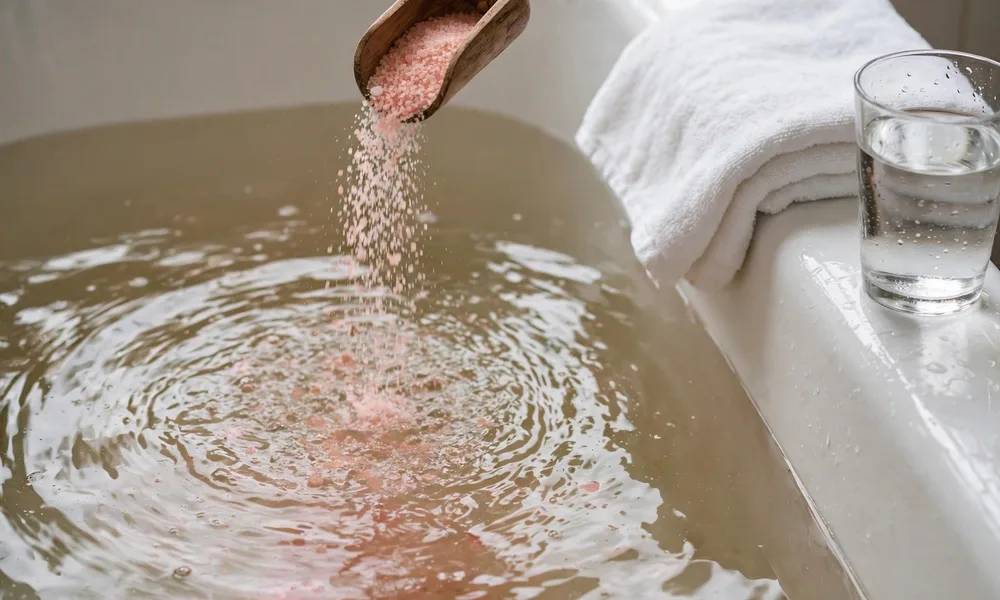
A handful of bath salts can make the water feel silkier and the ritual feel more special. Plain mineral salts are enough; you do not need anything scented or expensive. If you enjoy pink salt, a Himalayan salt water soak is a calm, well-explained way to use it, with about a cup for a full bath. Stir the salt in while the tub fills, so it dissolves fully. If your skin is broken or irritated, skip the salts and keep the bath plain, and if you have a health condition, ask a clinician before making hot baths a habit.
After the Bath: Skin, Hair, and Rest
What you do after the bath matters as much as the bath itself. Pat your skin dry gently with a soft towel, pressing rather than rubbing, and moisturise while it is still slightly damp. That is when moisturiser works best, sealing in the water your skin has absorbed. Use a plain, gentle moisturiser, and take your time: this is part of the ritual, not a race.
Wrap your hair in a towel and let it dry on its own, rather than reaching for heat straight away. Put on soft, comfortable clothes and slippers if you like them. Drink the glass of water you set out earlier, slowly. Then sit somewhere comfortable for ten minutes and do nothing much at all: the bath is over, but the slowness should not be.

The Rest of Sunday: Keeping the Slow Feeling
A slow bath works best when the rest of Sunday stays slow too. Keep the afternoon simple: a light meal, a walk if the weather is kind, a book, or a quiet hour with family. Avoid filling the evening with chores you have avoided all week; they will still be there on Monday, and Sunday evening is worth more than a tidy cupboard.
Keep water within reach for the rest of the day, because a warm bath can leave you thirsty. A glass beside your chair, refilled without fuss, is enough, and a gentle approach to staying hydrated through the day is one of the easiest small habits to keep. Eat something simple and warm in the evening, and aim for an early night.
What a Slow Bath Will Not Do
Say plainly what a slow bath will not do. It will not cure insomnia, anxiety, sore muscles, or any skin condition, and it will not undo a hard week. It will not replace sleep, movement, or medical care. Anyone who tells you a bath can do those things is selling you a story, not a bath.
What it can do is simpler. It can give you an hour of quiet, skin that feels clean and soft, and a calmer end to the week. It can make Sunday feel like rest rather than preparation, and help you go into Monday feeling more like yourself. If a health concern is persistent or worrying, please speak to a qualified health professional.
Your Slow Sunday Checklist
- Choose one Sunday hour, and protect it from errands and screens.
- Lay out towels, water, and moisturiser before you run the bath.
- Run warm, not hot, water, and test it with your wrist.
- Soak for about twenty minutes, wash gently, and step out slowly.
- Pat skin dry and moisturise while it is still slightly damp.
- Keep the rest of Sunday slow: a simple meal, water nearby, early night.
Frequently Asked Questions
How long should a slow Sunday bath last? About twenty minutes in the water is enough, with ten minutes of preparation and ten of aftercare. Longer soaks in very warm water can leave you drained rather than rested.
How warm should the water be? Warm, not hot: comfortable on your wrist without stinging. If your skin looks flushed or feels tight afterwards, the water was too hot, so turn it down next week.
Do I need bath salts or oils? No. Warm water alone is enough for a slow bath. A handful of plain mineral salts can make the water feel silkier, but they are a pleasure, not a requirement.
Can I read or listen to music in the bath? Yes, if it helps you relax. A book or gentle music suits a slow bath well. Keep your phone in another room, though, so the hour stays free of messages and news.
Is a Sunday bath safe for everyone? Most people can enjoy a warm bath safely, but take care if you have a health condition, feel dizzy in warm water, or are pregnant. Stand up slowly, and ask a clinician first if unsure.
What if I only have a shower? You can still keep the ritual: a long, warm shower, the same unhurried preparation, and the same gentle aftercare. The slowness matters more than the tub.
The Bottom Line
A slow Sunday bath ritual is a small, weekly gift: warm water, an unhurried hour, and gentle care afterwards. It costs nothing, needs no new products, and takes no special skill. It asks only that you protect one hour a week and spend it doing very little, very slowly.
Begin this Sunday with whatever you already have: a tap, a towel, and an hour you refuse to give away. Run the bath warm, get in slowly, and let the week wash off gently.
A Note for Slow Sundays
Keep it simple, keep it slow, and keep it yours. The best Sundays are rarely the busiest. They are the ones where one quiet hour repeats itself, week after week, until it becomes part of how you rest. Stay curious. Stay clear. Bathe slowly.