A sheet mask looks simple, and that is part of its charm. A single sealed packet, a soft cloth soaked in liquid, fifteen quiet minutes, and a face that feels fresh and damp afterwards. Yet many people use them the wrong way: on dirty skin, for far too long, or with a mask that never suited them.
Water is the quiet partner in all of it: clean water washes the face before the mask and rinses the hands that open it. A sheet mask is not a wash, and it is not a treatment, but water makes the steps around it work. This guide explains what a sheet mask is, how to choose one, and how to use it step by step.
This is gentle general information only, not medical advice. Nothing here will cure a skin condition, and anyone with a real problem should see a doctor or dermatologist. Patch-test first, and stop at once if your skin objects.
Key Takeaways
- A sheet mask is a single-use cloth, pre-soaked in liquid, used once and thrown away.
- Water comes first: clean hands, a clean face, and plain water set the mask up well.
- Patch-test every new mask first, and stop if skin stings or turns red.
- Leave a sheet mask on for about fifteen minutes, never until it dries out.
- Sheet masks are gentle care only, never a cure; see a dermatologist for real problems.
What a Sheet Mask Is
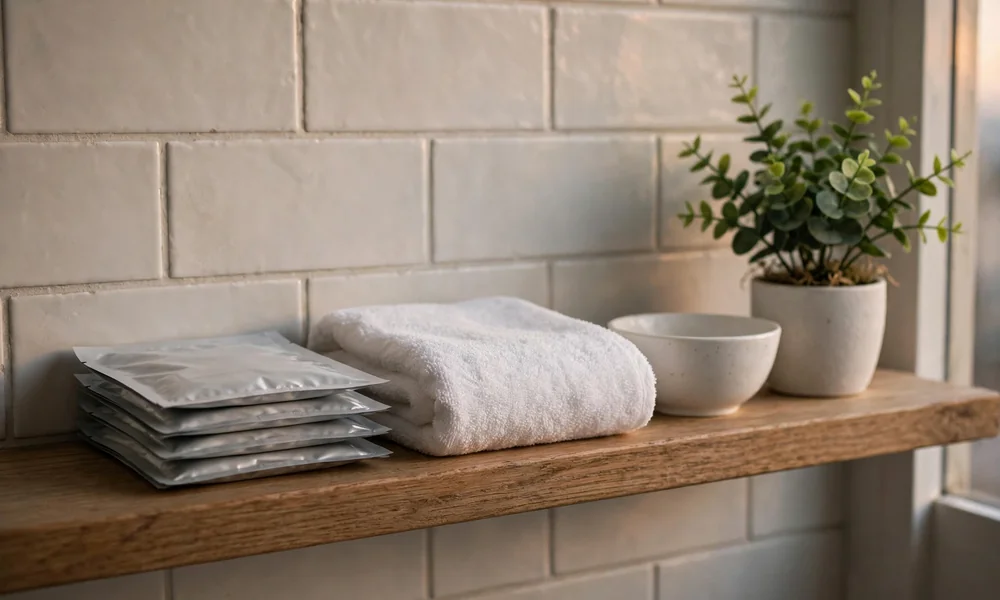
A sheet mask is a thin cloth, cut to the shape of a face, soaked in a watery liquid and sealed in a single-use packet. The cloth, usually cotton or bamboo, holds the liquid against the skin so it does not run off. Open the packet, unfold the cloth, and press it gently onto the face. After fifteen minutes, the cloth comes off, and the leftover liquid is patted into the skin.
A sheet mask is not a clay mask. A clay mask is a paste you spread on and wash off, while a sheet mask is a ready-made cloth you wear and then remove. This guide is only about the sheet kind. The same honest idea runs through distilled water skin: a clear look, where plain water habits matter more than new products.
Why Water Comes First
Water comes first because a sheet mask works best on clean, damp skin. A face washed with plain water and a gentle cleanser gives the mask a clean surface to sit on. Dirty skin or leftover makeup sits between the mask and the face, and the mask cannot do its small job through it. Wash first, pat the face lightly, and only then open the packet.
Water also matters for the hands. The hands open the packet and press the cloth into place, so wash them with soap and water first. Clean hands, clean water, clean face: that is the foundation of using a sheet mask well.
The Safety Rule First: Patch Test and Gentle Steps
Patch-test every new mask before it goes on your face. Squeeze a little liquid onto the inside of your wrist, wait a full day if you can, and watch for redness, itching or stinging. If the skin objects, do not use the mask.
Never put lemon juice or undiluted acid on your skin, and never use a mask on broken or sunburnt skin. The dangers of lemon on skin are explained in lemon water skin safety: what is safe and what is not, where a strongly acidic rinse is shown to burn skin in sunlight. Keep masks away from the eyes, never reuse a single-use mask, and throw the packet away once open. If a real skin problem appears, see a doctor or dermatologist.

Choosing a Sheet Mask
Read the packet, keep it simple, and pick one made for your skin. Dry skin suits a mask that promises moisture, while oily skin suits a light, watery one that does not feel heavy. Sensitive skin needs a mask with a short ingredient list and no strong fragrance. Avoid masks with long ingredient lists, and any packet that promises to cure or transform your skin overnight, because no mask can do that.
Check the packet before you buy it: sealed, undamaged and in date, with no leaks and no swelling. A puffed-up packet means the mask inside may be spoiled, so leave it on the shelf. Start with one packet rather than a whole box until you know your skin likes it.
Before You Begin: Clean Hands and a Clean Face
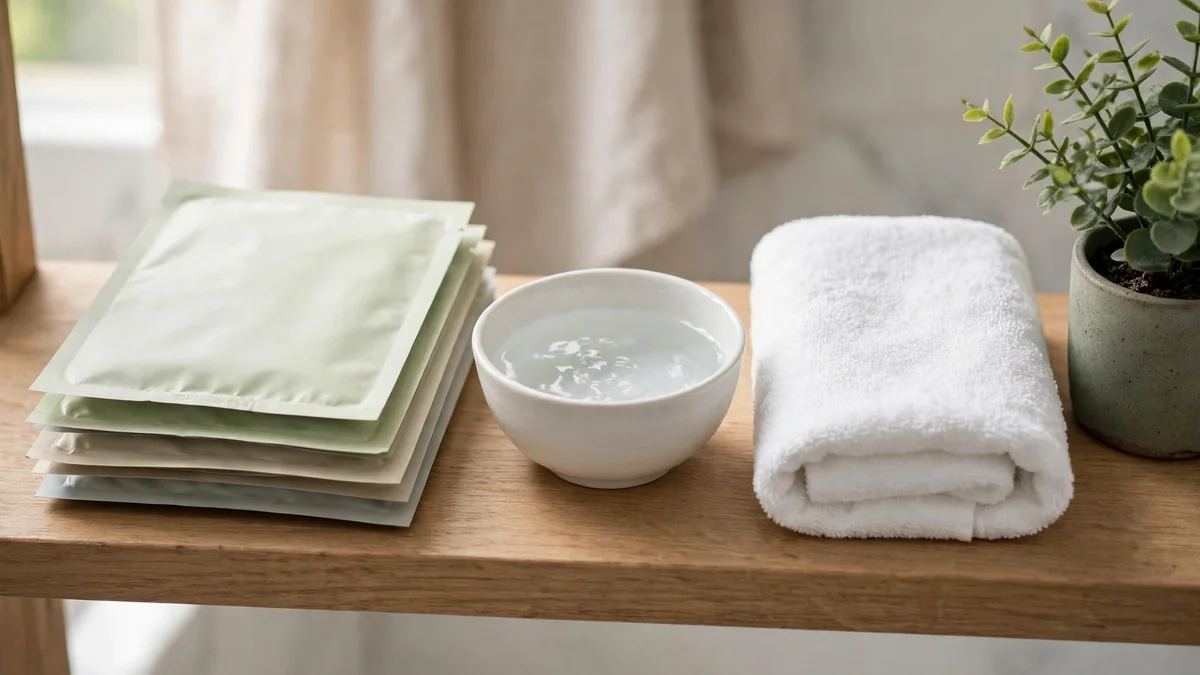
Set everything out first: the mask, a clean towel, and a glass of water. Tie your hair back, wash your hands with soap and water, then wash your face with plain water and a gentle cleanser, rinse well, and pat it lightly so it stays slightly damp.
Do this in a calm moment, not in a rush. A sheet mask asks for fifteen quiet minutes, and a hurried routine spoils the point. Put your phone in another room, pour a glass of water, and sit somewhere comfortable.
How to Use a Sheet Mask, Step by Step
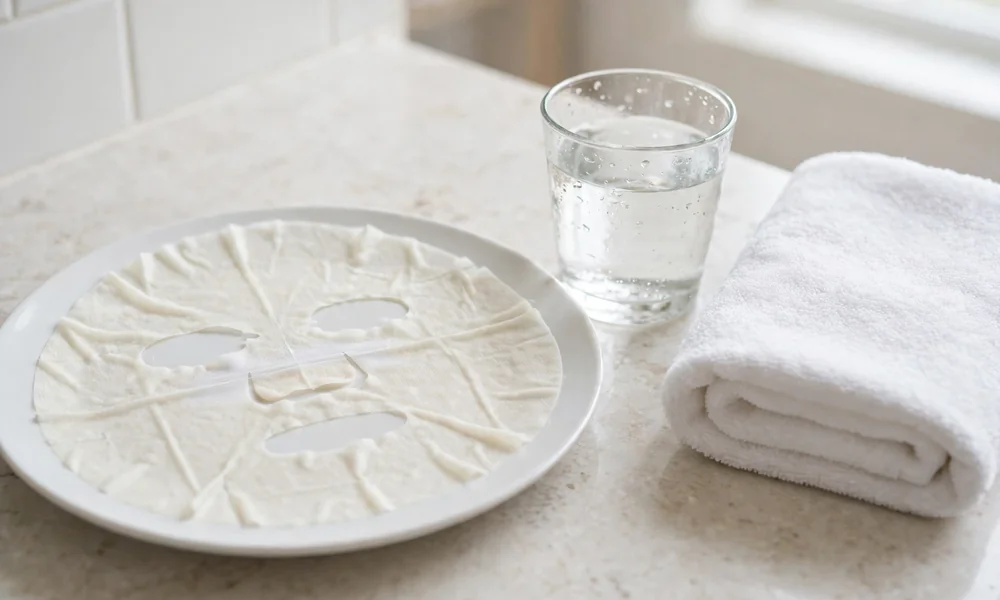
Open the packet and lift the cloth out, letting extra liquid drip back in. Unfold it slowly, find the holes for the eyes, nose and mouth, and press it onto your face from the centre outwards, smoothing it over the forehead, cheeks and chin. The cloth should sit flat, with no big air bubbles underneath.
Sit back and leave it alone. Do not keep lifting the edges, and do not press hard, because the cloth tears easily. Breathe normally, sip your water, and let the fifteen minutes pass. When the time is up, peel the cloth off slowly, fold it up, and throw it away. Pat the leftover liquid into your skin with clean fingertips.
How Long to Leave It On
About fifteen minutes is enough for most sheet masks, and the packet will say what it recommends. Never leave a mask on until it dries out: a drying cloth pulls moisture back out of the skin, and a mask left on for an hour can leave the skin tight and dry. Set a timer, and take the mask off when it rings.
Ten minutes is fine too: the mask does its small job quickly, and extra minutes add very little. What matters is the gentleness, not the length. Never fall asleep in a sheet mask, and never wear one overnight.
Sheet Masks at a Glance
| Single-use cloth | Clean first | Gentle steps |
|---|---|---|
| Pre-soaked packet | Wash hands well | Patch-test new mask |
| Wear fifteen minutes | Clean damp face | Never reuse mask |
| Throw cloth away | Plain water rinse | Stop if skin stings |
| Pat liquid in | Hair tied back | See dermatologist early |
After the Mask: What to Do Next
Once the cloth is off and the liquid is patted in, give your skin a few quiet minutes. A plain moisturiser seals in the dampness. Sunscreen matters in the daytime, so apply it before you go out. A cool cloth over closed eyes can soothe tired eyes, and a gentle version is described in chamomile water compresses for tired eyes, where a cool damp cloth rests over closed eyelids.
Do not wash your face after a sheet mask, and do not scrub the leftover liquid off: it is meant to stay on the skin. Keep the rest of the routine simple that day: no strong scrubs, no new products, and no heavy makeup straight afterwards.

What Sheet Masks Will Not Do
A sheet mask will not cure anything: it will not clear a skin condition, erase marks, fix broken skin, or change your skin overnight. It is a gentle, damp cloth, and a cloth is all it is. What it can do is small: leave the skin feeling fresh and calm, and give you fifteen quiet minutes to rest.
No mask will replace professional care. If your skin is sore, broken or not healing, or if a problem keeps coming back, see a doctor or dermatologist.
Your Sheet Mask Checklist
- Patch-test every new mask on your wrist, and wait a full day if you can.
- Wash your hands and your face with plain water before you open the packet.
- Choose a sealed, in-date packet suited to your skin, and start with one.
- Unfold the cloth gently, press it flat, and leave it on for about fifteen minutes.
- Peel the mask off, throw it away, and pat the leftover liquid into your skin.
- Follow with plain moisturiser, and see a dermatologist for real problems.
Frequently Asked Questions
What is a sheet mask?
A sheet mask is a thin cloth, cut to the shape of a face, soaked in a watery liquid and sealed in a single-use packet. Wear it for about fifteen minutes, then throw the cloth away and pat the leftover liquid into your skin.
How long should I leave a sheet mask on?
About fifteen minutes is enough, and the packet will say what it recommends. Never leave a mask on until it dries out, and never fall asleep in one.
Should I wash my face after a sheet mask?
No. Do not wash your face after a sheet mask, and do not scrub the leftover liquid off. Pat the liquid in with clean fingertips, and follow with a plain moisturiser.
Can I reuse a sheet mask?
No. A sheet mask is single-use: once the cloth has been on a face, reusing it can irritate the skin. Throw it away after one use, and never share a packet.
Can I use a sheet mask every day?
Once or twice a week suits most people, not every day. Start slowly, watch how your skin reacts, and keep the rest of your routine simple.
What should I do if a sheet mask stings my skin?
Take it off at once and rinse with plain water. Do not try another mask that day. If the stinging lasts, see a doctor or dermatologist.
The Bottom Line
Water and sheet masks, used well, are a small calm ritual: clean hands, a clean face, fifteen quiet minutes, and a cloth thrown away. Keep it gentle and simple.
A Note for Calm Skin Days
Keep it clean, keep it gentle, keep it short. The calm hours belong to you.