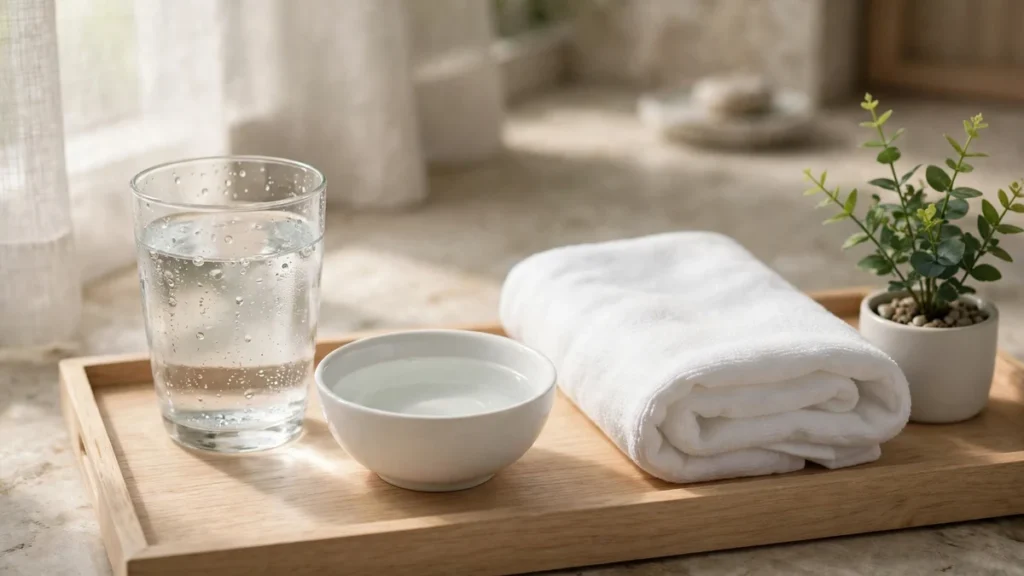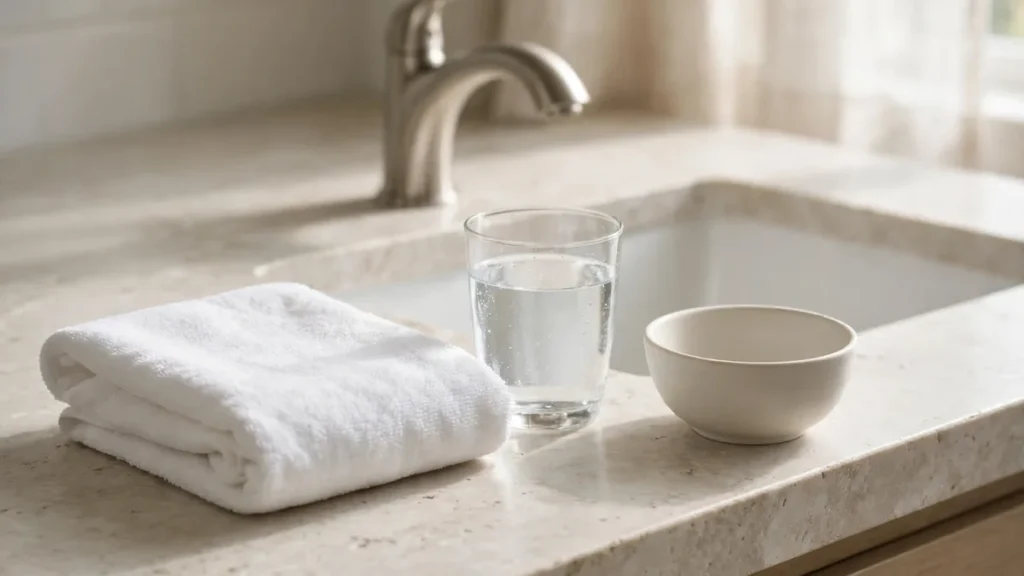
Some days feel full before they have properly begun. The messages arrive, the list grows, and the hours fill up before you have had a proper drink of water. Those are the days when a small reset matters most, and the simplest reset of all is water and walking.
Water and walking is a gentle daily pair: a glass of fresh water, a slow walk, and a few quiet minutes in between. It asks for no equipment, no plan and no hurry, and it fits into almost any day.
This article is a gentle guide to water and walking as a simple daily reset: how to drink water well, how to walk slowly and comfortably, and how to build a short, easy routine around the pair. It is general information only, never medical advice, and it will not treat or cure anything.
Key Takeaways
- Water and walking means fresh water in small sips and slow, gentle steps each day.
- Always start with lukewarm water, never ice-cold, and drink it slowly before you walk.
- Walk gently and slowly, at your own pace, and never force your body past comfort.
- A simple daily reset needs very little: water, comfortable shoes, daylight, and ten unhurried minutes.
- Stop if anything hurts, and see a doctor for pain, dizziness, or a problem that keeps coming back.
What Water and Walking Means
Water and walking means using fresh water well around a simple daily walk. Before the walk, water prepares the body. During the walk, small sips keep you fresh. After the walk, water and rest close the loop, and the day feels a little lighter.
The walk itself is simple: a slow, easy pace on a flat, familiar path, for as long as feels comfortable. It is not exercise in the hard sense, and it is not a race. It is a quiet pause that happens to move.
Why a Daily Reset Feels Good
A daily reset feels good because it has a beginning worth marking. The morning is done or the afternoon is heavy, and there is a short, soft gap before the next part of the day. It is not a long time, but it is yours, and it deserves to feel unhurried.
A small, gentle walk can mark a day like this. When the fresh air finds your face and the water is waiting at home, it is a reminder to drink slowly, to breathe easily, and to let the day soften for a while.
Drinking Water Before You Walk
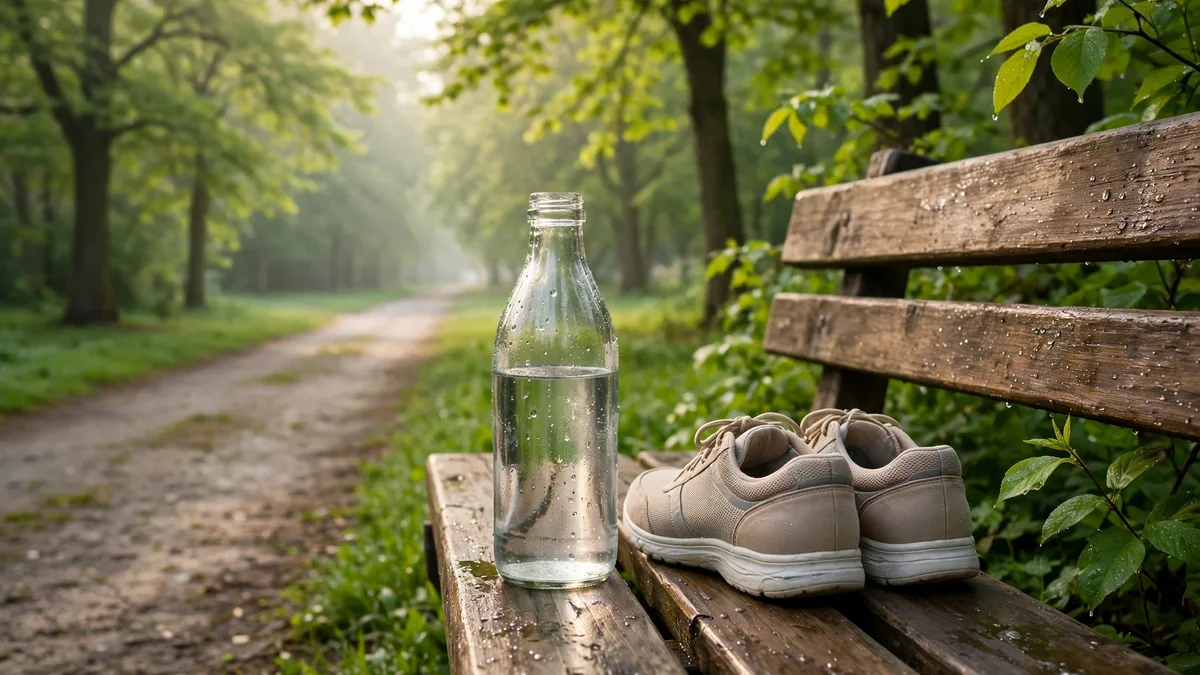
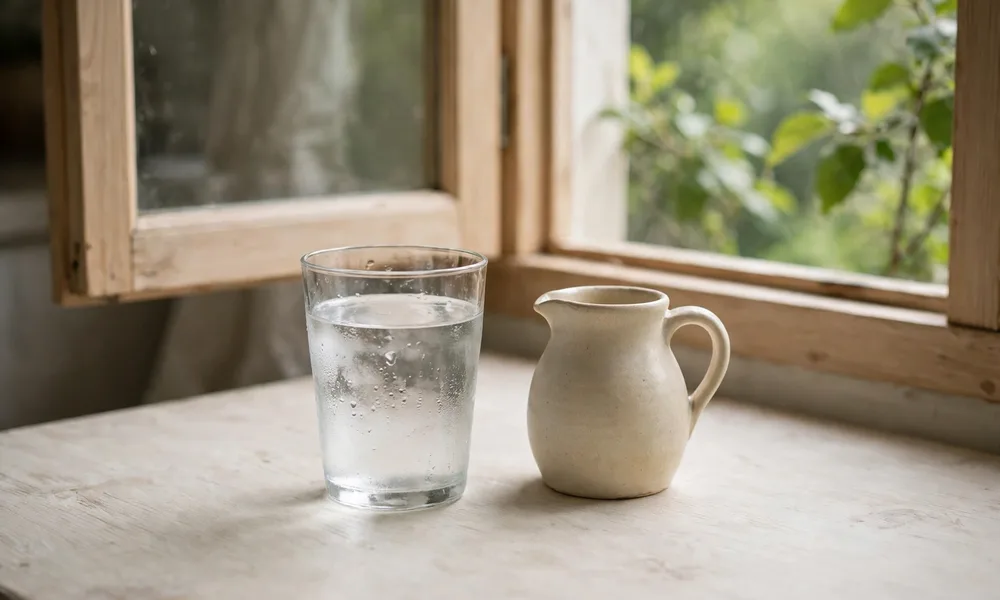
Drink a glass of fresh water before you walk, slowly and in small sips. Lukewarm water is kindest, never ice-cold, and it wakes the body gently instead of shocking it. A glass before the walk is enough: there is no need to drink a large amount at once. If the morning is warm, take the bottle with you and sip a little at the halfway point, then finish the rest when you are home again.
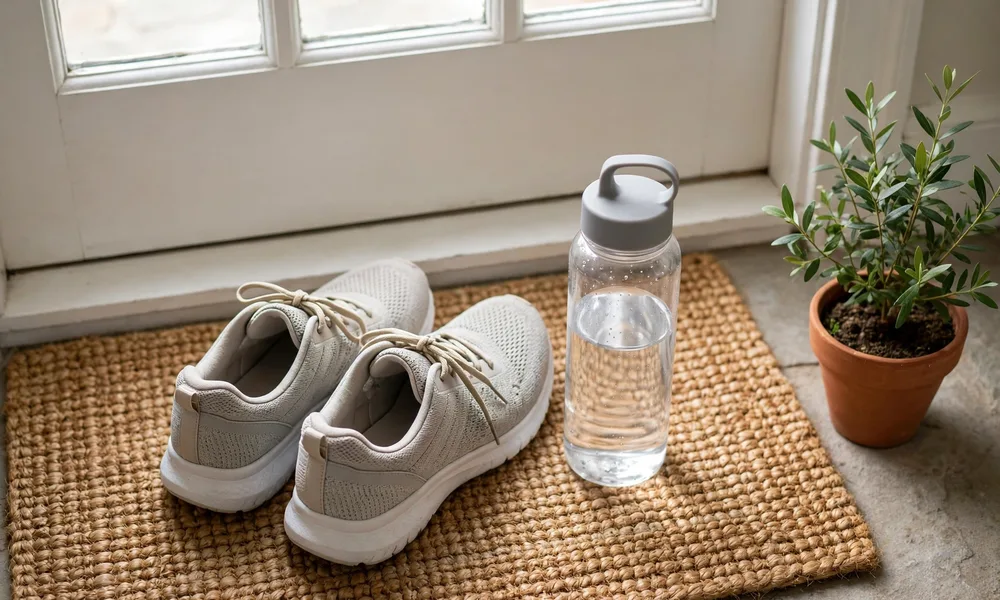
Keep a bottle of fresh water by the door so the habit is easy. Fill it in the morning, set it where you will see it, and take it with you or leave it waiting for your return.
Choosing Comfortable Walking Shoes
Choose walking shoes that feel comfortable from the first step. They should fit well, with room for your toes, and they should feel soft underfoot on a flat path. Old, worn shoes with thin soles make a gentle walk harder than it needs to be.
Wear clean cotton socks, and tie your laces so the shoe is snug but never tight. If a shoe rubs or pinches, change it: a simple walk should never hurt, and comfortable shoes are the whole foundation of the habit. Try new shoes on a short walk first, and wear them around the house for a day before you trust them on a longer route.
A Simple Walk in Small Steps
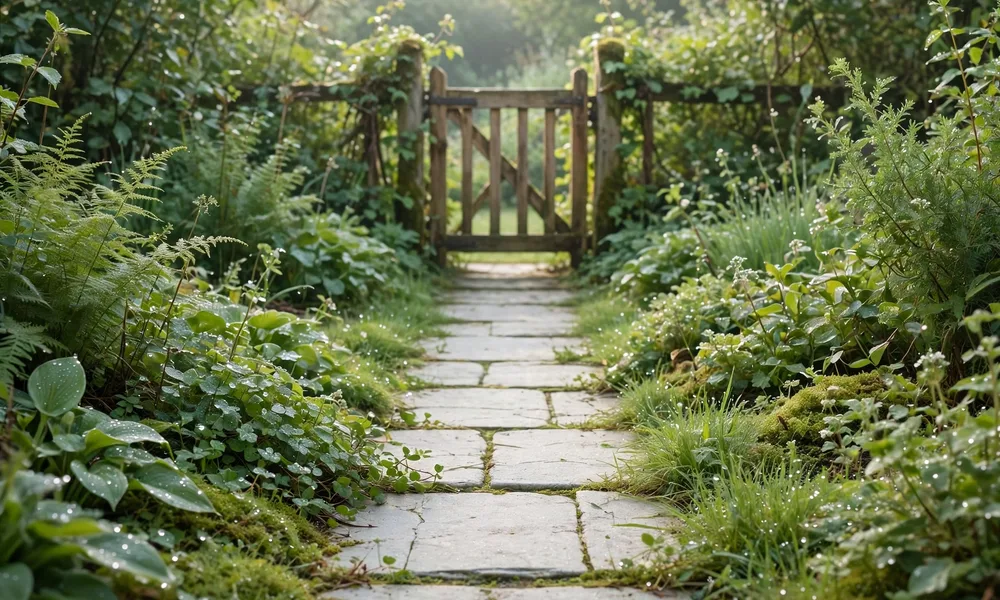
A simple walk takes no planning at all, and it starts at your own front door. Step outside, take a slow breath, and walk at an easy pace on a flat, familiar path — a quiet street, a garden path, or a park trail you know well.
Walk for ten minutes to begin with, and stop sooner if you feel tired. Turn back when you are ready, and walk home the same slow way. A short walk done often is worth far more than a long walk done once.
Walking Slowly and Breathing Easily
Walking slowly is the whole point of the reset. Keep your pace easy, your shoulders loose, and your arms relaxed at your sides. Breathe in through your nose and out gently, and let the rhythm of your steps set the pace.
If you find yourself hurrying, slow down on purpose and look at something green for a moment. The same gentle idea runs through water and stretching in the morning, where slow movement and fresh water begin the day softly.
Water Stops Along the Way
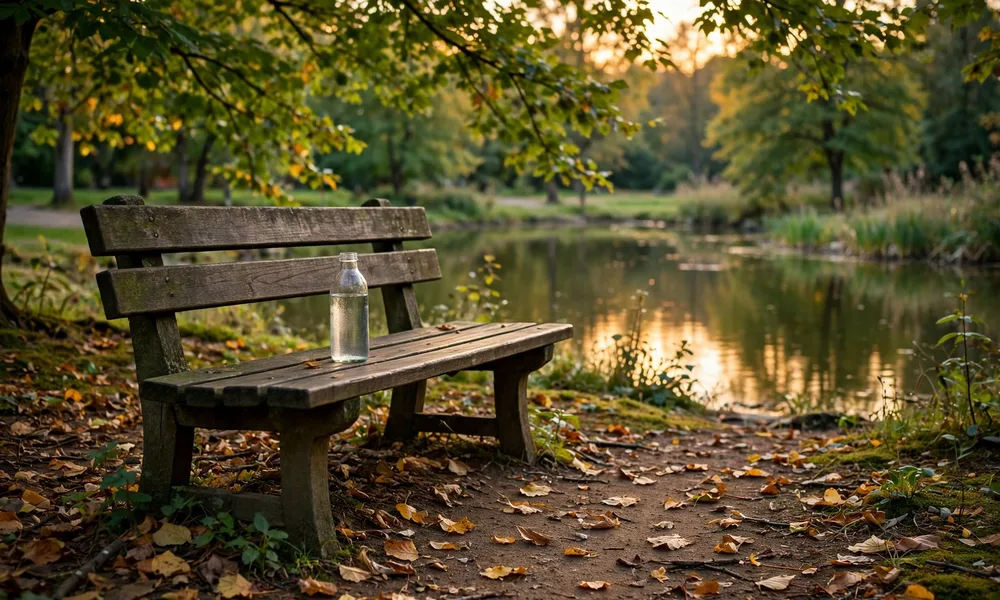
A water stop is a small pause built into the walk. If you carry a bottle, take a small sip when you reach a bench or a shady tree, then keep walking. If you left the bottle at home, a sip before you leave and a glass when you return is enough.
Never gulp a large amount at once, and never wait until you feel very thirsty. Small sips, taken calmly, keep the walk comfortable and the reset gentle from start to finish.
Walking in Your Own Neighbourhood
Your own neighbourhood is the best place for a daily walk, because it is close, familiar and easy to reach. Choose a route you know well, with flat paths, shade and somewhere to sit if you need a rest.
Walk the same route for a week and notice how it changes: the light, the leaves, the sounds of the street. A familiar route makes the habit easy, and an easy habit is one you will keep. If the weather turns wet, wait for a dry hour or walk a short loop near home instead of skipping the day altogether.
Resting After Your Walk
Resting after your walk is part of the reset, not an afterthought. Sit down for a few minutes, drink a glass of fresh water slowly, and let your breathing settle. Change out of damp clothes if the day is warm, and put on dry, comfortable ones.
A short rest lets the walk do its quiet work. If your feet feel tired, lift them onto a low stool for a few minutes, as in water for tired feet after long days, where water and rest close a long day gently.
Making the Reset a Daily Habit
A daily habit is built from small, easy pieces, not from grand plans. Pick the same time each day — after breakfast, before lunch, or in the early evening — and keep the walk short enough that it always feels possible.
Put your shoes by the door and your bottle where you can see it. A small note on the fridge can help too, with the time of your walk written in plain words. If you miss a day, simply begin again the next day: a habit is a pattern, not a perfect record, and one missed day changes nothing.
When to Stop and See a Doctor
Be honest about what a walk can and cannot do. Water and walking will not treat or cure anything, and it is not a substitute for rest, sleep or medical care. It is a gentle daily habit, and its value is the fresh air, the water and the quiet pause.
Stop walking if anything hurts, and rest at once. See a doctor if you feel pain, dizziness, shortness of breath, or a problem that keeps coming back, as explained in water and exercise after workouts. Real problems deserve real care, and a walk should never be pushed through pain.
| Daily reset | Water beside | Walking well |
|---|---|---|
| Drink fresh water | Glass before walk | Walk slowly |
| Walk ten minutes | Sip water slowly | Wear soft shoes |
| Rest after walk | Lukewarm water first | Flat familiar path |
| Breathe easily | Bottle by door | Stop if hurts |
Your Water and Walking Daily Checklist
- Drink a glass of lukewarm water slowly before you walk, never ice-cold.
- Wear comfortable walking shoes with clean cotton socks, snug but never tight.
- Walk slowly for ten minutes on a flat, familiar path at your own pace.
- Take small sips of water along the way, and a glass when you return.
- Rest after your walk, breathe easily, and change out of damp clothes.
- Stop if anything hurts, and see a doctor for pain or a problem that returns.
Frequently Asked Questions
How long should my daily walk be?
Ten minutes is a good start, on a flat, familiar path at a slow, easy pace. Walk longer only when ten minutes feels comfortable, and stop sooner whenever you feel tired.
Should I drink water before or after walking?
Both. Drink a glass of lukewarm water slowly before you walk, take small sips along the way if you carry a bottle, and drink another glass slowly when you return.
What is the best time of day to walk?
The best time is the time you will keep. Early morning and early evening are often coolest and quietest, but any time that fits your day and feels comfortable is the right time.
Do I need special shoes for walking?
No special shoes are needed, only comfortable ones. They should fit well, feel soft underfoot, and never rub or pinch, with clean cotton socks and laces tied snug but not tight.
Can I walk every day?
Yes, if the walk stays gentle and comfortable. A short, slow daily walk is easy on the body, but rest when you feel tired, and stop and see a doctor if anything hurts.
Will water and walking cure tiredness?
Water and walking is a gentle daily habit, not a treatment, and it will not cure tiredness or any illness. Fresh water, slow steps and quiet pauses can help a day feel lighter, but real problems deserve a doctor.
The Bottom Line
Water and walking is a glass of fresh water, a slow walk, and a daily reset with pauses in it.
Fill your bottle tonight, and let tomorrow begin a little more gently.
A Note for Daily Resets
Keep it slow, keep it simple, keep the water close. The quiet steps can still belong to you.