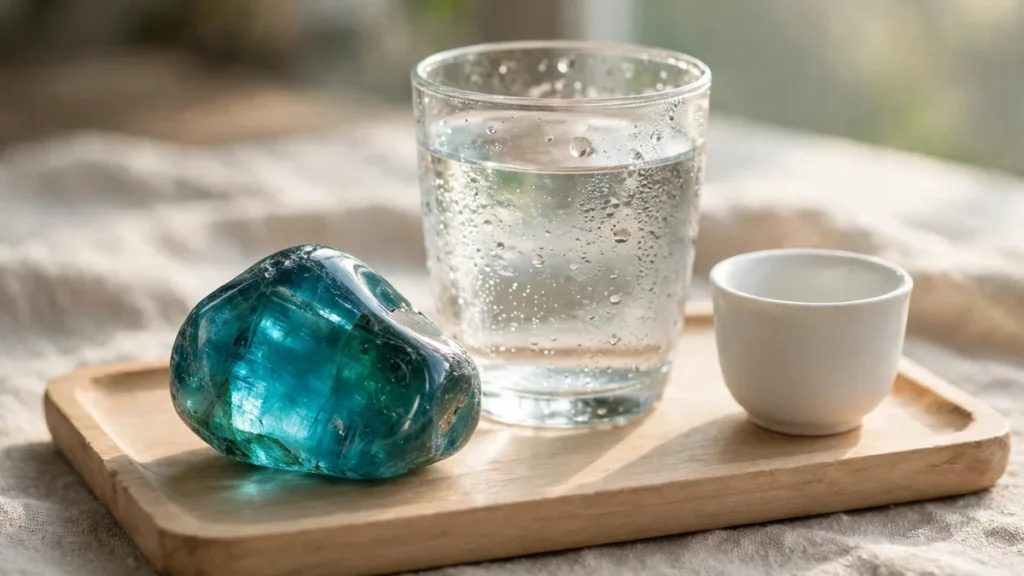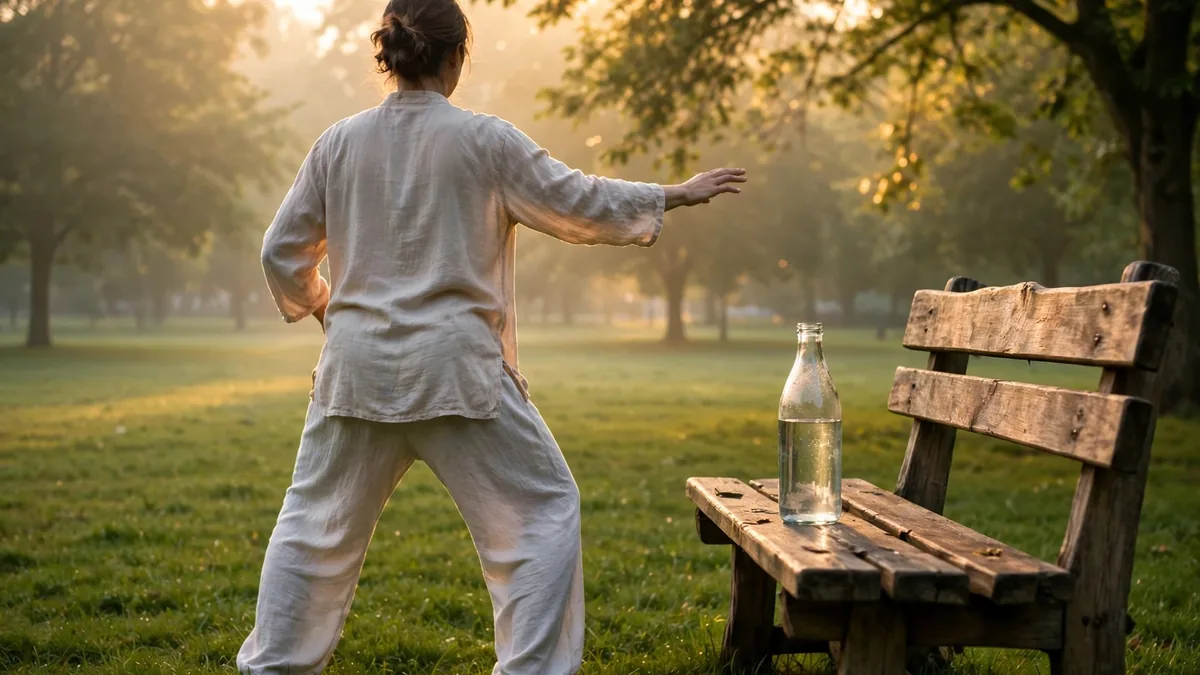
Some mornings the body wakes up stiff and slow. The shoulders feel tight, the knees feel heavy, and the first steps across the room feel harder than they should. The kettle can wait, the phone can wait, and the day can wait a little longer.
Water and tai chi is a gentle answer to mornings like these. A glass of fresh water, a few slow standing moves, and ten quiet minutes can help the morning begin more softly. Tai chi is not a workout, and it is not a test. It is water first, then slow movement, then breath, then light.
This guide explains what water and tai chi means, how to drink water well around the practice, how to move through a simple flow safely, and how to build a short, calm routine around the pair. It is gentle general information only, never medical advice, and it will not treat or cure anything. Real problems belong with a doctor.
Key Takeaways
- Water and tai chi means fresh water in small sips, then slow standing moves.
- Always start with water, drink it slowly, and keep sipping after the flow.
- Move gently and slowly, shift your weight softly, and never force your body.
- A simple fresh flow needs very little: water, a quiet spot, and ten minutes.
- Stop if anything hurts or you feel dizzy, and see a doctor for real problems.
What Water and Tai Chi Means
Water and tai chi means pairing two simple morning habits in a set order. First, you drink a glass of fresh water, slowly, in small sips. Then you stand in a quiet spot and move through a few gentle tai chi moves, shifting your weight from one foot to the other and letting your arms rise and fall like water. The water comes first because the body has gone hours without a drink overnight.
The water comes first because the body has gone hours without a drink overnight, and a glass of water wakes it gently before any movement begins.
Why Tai Chi Flows Like Water
Tai chi flows like water because both move slowly and never force their way. Water does not push through a stone; it goes around it, softly and patiently, and tai chi moves the same way. The arms rise like a slow wave, the weight shifts like a tide, and the breath follows the movement, calm and even.
Before You Begin
Before you begin, set up a quiet spot with room to move. A corner of a park, a garden, or a clear space in a living room all work well, as long as the floor is flat and dry and nothing is underfoot.
Warm up first, with a few slow shoulder rolls and a gentle march in place for a minute. Stand tall, let your arms hang loose, and take three slow breaths. If you feel dizzy, tired or unwell, skip the practice and rest instead. A fresh flow should feel easy, never hard.
A Simple Fresh Flow
A simple fresh flow takes about ten minutes, and it follows the same steps every time, so it is easy to remember.
Shift your weight to one foot, step gently to the side, and let your arms open like a slow wave. Shift back, step the other way, and let the arms follow. Repeat the slow steps for a few minutes, moving like water, and finish by standing still, hands resting low, breathing calmly for three slow breaths.
Water Before Tai Chi
Water before tai chi is the first step, and it matters most. Drink a glass of fresh water when you wake up, slowly, in small sips, before you start moving. Lukewarm water is kindest in the morning, never ice-cold, and it wakes the body gently after hours without a drink.
Before you move, drink the glass in small sips, and notice how fresh it tastes after the night. Lukewarm water is kindest in the morning, and a slow drink gives the body time to wake. Never gulp a whole glass at once, and never start moving on a dry mouth. Slow water, slow breath, slow moves: the whole routine follows the same calm rhythm.
Water After Tai Chi
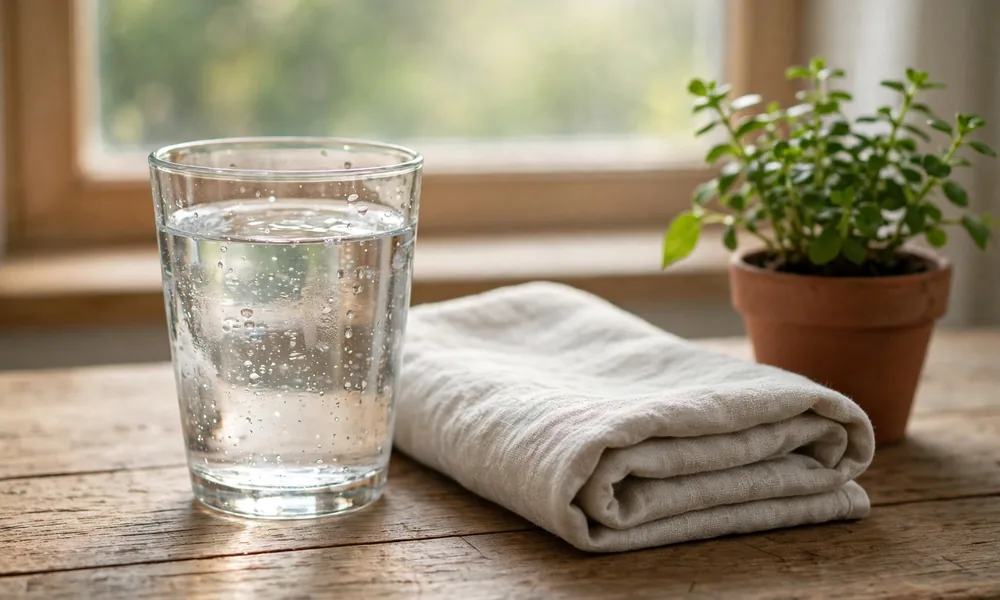
Water after tai chi closes the routine the way a cool rinse closes a warm day. When the flow is done, sit down for a minute, breathe calmly, and drink another glass of fresh water in slow, small sips. Change out of any damp clothes, wipe your face with a cool, damp towel, and let the morning carry on fresh.

Water and Tai Chi at a Glance
| Slow standing flow | Fresh water | Gentle only |
|---|---|---|
| Soft weight shifts | Sip before, after | Warm up first |
| Arms rise, fall | Small slow sips | Stop if dizzy |
| Ten calm minutes | Drink, wash, rest | Doctor for pain |
When the flow is done, do not rush straight into the day. Sit for a minute, sip your water, and let your breath settle back to normal. Wipe your face with the cool towel, change out of any damp clothes, and step into the morning feeling fresh. The routine ends the way it began: with water, with calm, and with time to breathe.
Water and Tai Chi and Yoga
Water and tai chi and yoga share the same calm morning spirit, but they are different practices. Yoga is done mostly on a mat, with poses held still on the floor, bending, stretching and sitting, and it suits a quiet room with a mat and soft light. Tai chi is done standing up, with slow, flowing moves on the feet, shifting weight from side to side, and it suits a park, a garden or a clear floor. See water yoga simple morning flow for the mat flow.
Water and Tai Chi and Running
Water and tai chi and running could hardly move more differently, though both begin with water. Running is fast and tiring, with the feet striking the ground, the breath coming hard, and sweat on the skin, and it suits a cool road and a bottle on the move. Tai chi is slow and gentle, with the feet gliding, the breath calm, and no sweat at all, and it suits a quiet park and a bottle on a bench. See water running simple fresh routine for the fast routine.
Water and Tai Chi and Cycling
Water and tai chi and cycling both need water before, during and after, but they use the body in opposite ways. Cycling is a ride, with wheels turning, legs pedalling, wind on the face and a bottle on the frame, and it suits a quiet road in the early morning. Tai chi is a standing flow, with no wheels, no road and no speed, just slow moves in one quiet spot, and it suits a park bench and a bottle close by. See water cycling simple fresh routine for the ride routine.

Water and Tai Chi, Pilates and Dancing
Tai chi is its own practice, and it is worth keeping it apart from its queued neighbours too. Pilates is topic 483 in the queue, described only from its queued title as a simple fresh routine, and it has no live post on the site to read. Dancing is topic 487 in the queue, described only from its queued title as staying fresh on the floor, and it has no live post either.
The two do not compete, and they do not need to be mixed in one session. Keep each practice simple, give each its own morning, and let the water routine stay the same for both.
Staying Safe with Water and Tai Chi
Tai chi is gentle, but gentle still needs care. Warm up first, move slowly, and never force a move past comfort. If a knee, hip or back hurts, stop that move and stand still instead. If you feel dizzy, faint or short of breath, stop at once, sit down, drink some water slowly, and rest. See a doctor if the feeling does not pass, or if pain keeps coming back.
Never practise on a wet or slippery floor, and never practise when you are very tired, ill or unsteady on your feet. Wear flat shoes outdoors, watch for uneven ground in a park, and keep your phone close by if you practise alone. A safe practice is a calm practice, and a calm practice is one you will want to repeat tomorrow morning.
Your Fresh Flow Checklist
- Drink a glass of fresh water slowly when you wake up.
- Warm up with slow shoulder rolls and a gentle march in place.
- Practise ten slow standing minutes, shifting weight softly.
- Keep a bottle of water close by, and take small sips.
- Cool down, drink water slowly, and change out of damp clothes.
- Stop if dizzy or in pain, and see a doctor for real problems.

Frequently Asked Questions
What is water and tai chi?
Water and tai chi is a simple morning routine: a glass of fresh water in slow sips, then ten minutes of slow, standing tai chi moves, with water again after the flow.
Is tai chi hard to learn?
No, a simple flow is easy to learn. The moves are slow, the steps are small, and you repeat the same gentle pattern each morning until it feels natural.
How much water should I drink around tai chi?
Drink a glass before you start, take small sips if you feel dry during the flow, and drink another glass slowly after. Small, slow sips suit slow movement best.
Can I practise tai chi indoors?
Yes, a clear space in a living room works well, as long as the floor is flat and dry and you have room to step side to side. A park or garden is lovely too.
What if I feel dizzy during tai chi?
Stop at once, sit down, and drink some water slowly. Rest until the feeling passes, and see a doctor if dizziness keeps coming back or does not pass quickly.
Will water and tai chi cure anything?
No. Water and tai chi will not treat or cure anything. They are gentle habits for fresh mornings, and real health problems belong with a doctor.
The Bottom Line
Water and tai chi bring a simple fresh flow to the morning: water first, slow standing moves, then water again. Move gently, sip slowly, and stop if anything hurts or you feel dizzy.
A Note for Fresh Mornings
Keep it slow, keep it fresh, keep it calm. A glass of water, ten quiet minutes, and a slow standing flow can carry a morning well.