
Some days feel tender before they even begin. The morning is quiet, the heart feels a little bruised by yesterday, and ordinary things feel heavier than they should. On a day like that, softness is not a luxury. It is the kindest thing you can offer yourself, and a small beautiful object nearby can help the hours feel gentler.
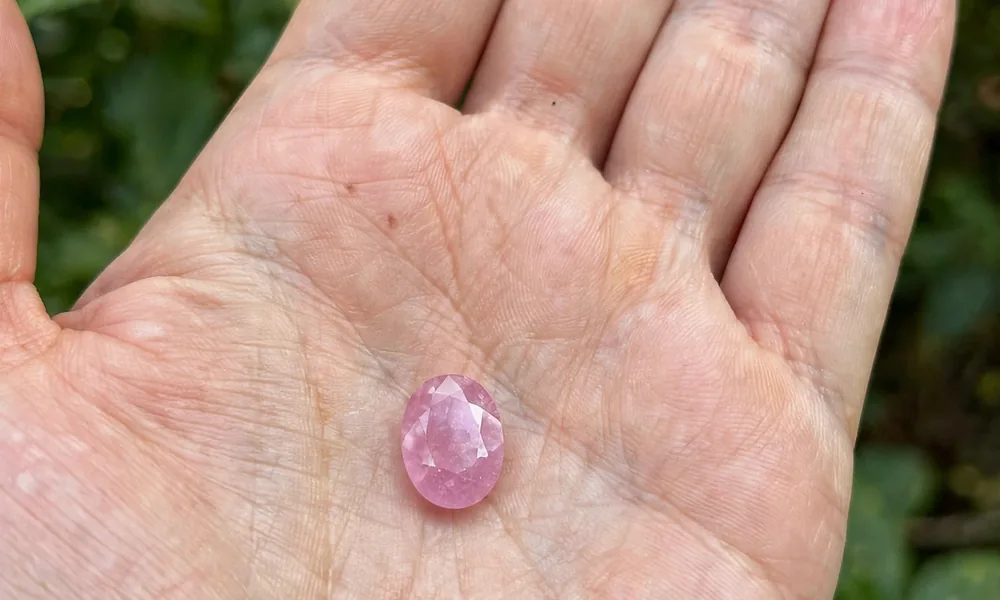
Pink sapphire is a stone for tender days like these: a soft pink corundum, clear and bright, with facets that catch the light in small pink flashes. Set it on a tray beside a glass of fresh water, and it looks like a small piece of a rose held up to morning light, calm and steady and kind.
This guide is a spotlight on pink sapphire: what the stone is, how to choose a piece, how to display it on a desk, and how to enjoy it through a tender day. The stone is for display and handling only, never a treatment, and it will not heal anything.
Key Takeaways
- Pink sapphire is a clear soft pink corundum with bright facets.
- Its soft pink colour suits tender days, slow hours and quiet rest.
- Pink sapphire differs from blue and yellow sapphire and other pink stones.
- Pink sapphire is for display and handling only; it will not heal anything.
- The stone stays beside drinking water, never in it, and stays dry.
What Pink Sapphire Is
Pink sapphire is the pink variety of sapphire, a corundum mineral coloured by tiny traces of chromium inside the crystal. It is the same mineral family as blue sapphire and ruby, and it shares their famous hardness, scoring 9 on the Mohs scale, second only to diamond. That hardness means it keeps its polish, feels cool and solid in the hand, and stands up well to gentle daily handling.
Its colour is a clear soft pink, from pale blush to a gentle rose, never milky and never deep red. A good pink sapphire is bright and lively, with facets that throw back small flashes of pink light as you turn it.
Why Soft Pink Suits Tender Days
Soft pink suits tender days because it is the colour of a rose petal and a quiet sunrise. Bright red can feel too loud when the heart is sore, and pale white can feel too cold, but soft pink sits gently between the two. It looks its best in soft light, when the room is calm and nothing is hurrying, and its small pink flashes give it a gentle lift without any glare.
The stone sits on the desk while the day moves slowly, catching the light in its facets. The soft pink gives the room a warm, settled feeling, like a kind word said quietly.
Choosing a Pink Sapphire Stone
Choosing a pink sapphire is mostly a matter of looking closely and trusting your eye. A good piece shows a clear, even soft pink with bright facets that sparkle as you turn it, not a dull cloudy pink with no light at all, and not a painted-looking pink that feels too even to be natural. The surface should be smooth with no sharp chips or rough pits.
A small faceted stone is enough for a tender-day desk, and a palm-sized tumbled piece works well too. If a piece feels pleasant in your hand, it is the right one. Buy from a trusted seller, never one who promises it will change your health, and wash your hands after handling it.
A Tender Day with Pink Sapphire
A tender day with pink sapphire takes only a few minutes to begin: place the stone on its tray, fill a clear glass with fresh water, and set it beside the stone. When you sit down with your notebook or your morning tea, drink the water slowly, in small sips, and then pick up the stone and look at its soft pink facets for a few breaths.
Put the stone back, and let the day carry on quietly. The day is water, soft light, one soft pink stone, and a short pause before the hours begin.
Pink Sapphire Beside Water
Water belongs beside the stone, never around it: set a clear glass of fresh drinking water next to the stone on the tray. They share a tray, not a glass. Never place the stone inside drinking water, and never soak it, because a stone has no place in a drink, and even a hard stone should stay dry.
If the glass spills, lift the stone away and dry it at once. Wash your hands with soap and water after handling the stone, and keep it away from small children and pets.

Pink Sapphire at a Glance
| Clear soft pink | Tender days | Display only |
|---|---|---|
| Bright pink facets | Soft daylight | Never in water |
| Smooth solid feel | Desk and tray | Dust with dry cloth |
| Cool in hand | Water, light, pause | Wash hands after |
Pink Sapphire and Blue Sapphire
Pink sapphire and blue sapphire share the same corundum family and the same hard, cool feel, but they are different stones to look at. Blue sapphire is deep blue, like still water at dusk, and it suits evening rest at the bedside table. Pink sapphire is soft pink, like a rose petal in morning light, and it suits tender days at the desk.
Where sapphire calm water deep rest keeps a deep blue stone for evening rest, this guide keeps a soft pink stone for tender days.
Pink Sapphire and Pink Tourmaline
Pink sapphire and pink tourmaline share a soft pink colour and a tender-days mood, and they are the closest pair in this guide. Pink tourmaline is a soft rose pink, warm and gentle, with a milky softness that looks like the inside of a rose petal. Pink sapphire is clearer and brighter, with sharp facets that flash pink light, and it feels harder and cooler in the hand.
Tourmaline is softer and warmer in tone; sapphire is clearer and livelier in its sparkle. This guide keeps the clear, faceted pink sapphire, for days that ask for a small bright lift rather than a soft milky glow.
Pink Sapphire and Pink Opal
Pink sapphire and pink opal both wear a soft pink colour, but they could hardly feel more different. Pink opal is milky and waxy, with a gentle glow that seems to come from inside the stone, and it suits sensitive skin mornings. Pink sapphire is clear and glassy, with bright facets and a lively sparkle, and it suits tender days at the desk.
Where pink opal gentle glow sensitive skin keeps a milky pink stone for sensitive skin, this guide keeps a clear pink stone for tender days. The rule stays the same for both: beside water, never in it.
Pink Sapphire and Ruby
Pink sapphire and ruby are close cousins, both corundum, and both coloured by chromium, but they sit at different ends of the pink-to-red scale. Ruby is bold red, the red of ripe cherries and evening roses, and it suits confident evenings. Pink sapphire is soft pink, gentle and quiet, and it suits tender days.
Where ruby glow rituals confident evenings keeps a bold red stone for confident evenings, this guide keeps a soft pink stone for tender days.

Pink Sapphire and Yellow Sapphire
Pink sapphire and yellow sapphire are sisters in the same corundum family, but their moods are far apart. Yellow sapphire is warm yellow, bright and sunny, for bright days full of light and energy. Pink sapphire is soft pink, gentle and quiet, for tender days that ask for slowness and care.
How it differs, in one place: blue sapphire is deep blue for evening rest, yellow sapphire is warm yellow for bright days, and pink sapphire is soft pink for tender days. Pink chalcedony, another soft pink stone, is milky and smooth for gentle days, while pink sapphire stays clear and faceted. This guide keeps the clear soft pink stone, for tender days only.
Stones That Must Never Touch Water
Not every stone is safe beside water, and some must never touch water at all. Malachite must never go in water or in elixirs, because it can release harmful substances. Hematite must never go in drinking water, and apatite, lepidolite — which contains lithium — pyrite, angelite and amber must never go in drinking water or in soaks either.
The rule stays the same for pink sapphire: display it on a tray, keep a glass of water beside it, and never let the two meet.
Your Tender Days Checklist
- Set the stone on a tray beside a clear glass of water.
- Drink a glass of fresh water slowly while the day begins.
- Hold the stone for a few breaths and look at its pink facets.
- Keep the stone beside water, never inside drinking water or soaks.
- Dust the stone dry weekly, and wash your hands after handling it.
- Remember the stone will not heal anything; see a doctor for health problems.

Frequently Asked Questions
What is pink sapphire?
Pink sapphire is the pink variety of sapphire, a corundum mineral coloured by tiny traces of chromium, with a clear soft pink colour and bright facets that flash pink light as you turn it.
Is pink sapphire safe to handle?
Yes, pink sapphire is safe to hold and display if you wash your hands with soap and water after handling it. It is for display only, never in drinking water, never in soaks, and kept away from small children and pets.
Can I put pink sapphire in drinking water?
No, never. The stone belongs beside a glass of water, not inside it. Keep a glass of water beside the stone on the tray, and never soak the stone.
Will pink sapphire heal anything?
No. Pink sapphire will not heal anything. It is a beautiful object for display and handling, and the calm comes from the pause and the slow day.
How do I clean pink sapphire?
Dust it once a week with a soft, dry cloth, never soap or polish, and never scrub it. If it gets wet, dry it at once and wash your hands after.
Where should I keep my pink sapphire?
Keep it on a small tray or desk in a dry room, with a clear glass of water beside it — a desk, a shelf or a windowsill works well.
The Bottom Line
Pink sapphire brings soft pink to tender days: a clear stone, soft pink with bright facets, held beside a glass of fresh water. Keep it beside water, never in it, wash your hands after handling, and dust it dry.
A Note for Tender Days
Keep it pink, keep it dry, keep it gentle. A small soft pink stone, a glass of water, and a few slow minutes can carry a tender day well.


